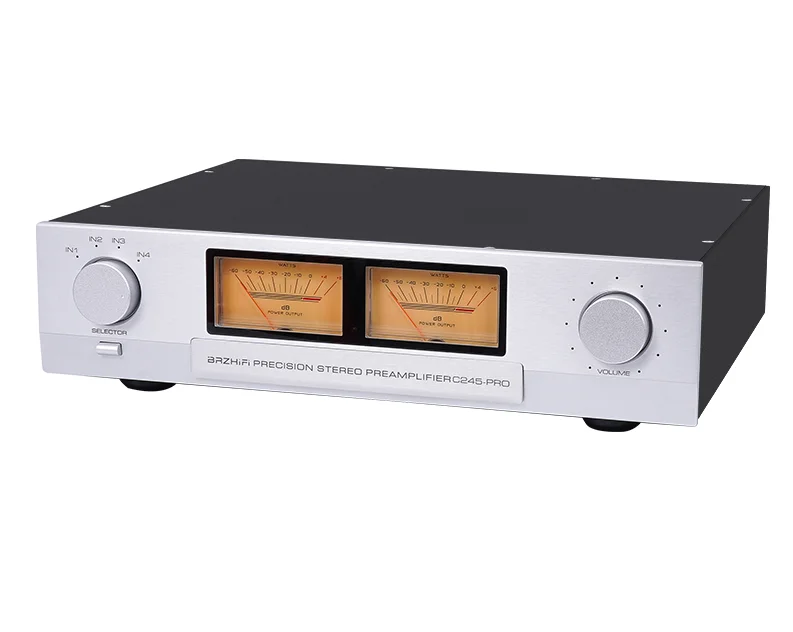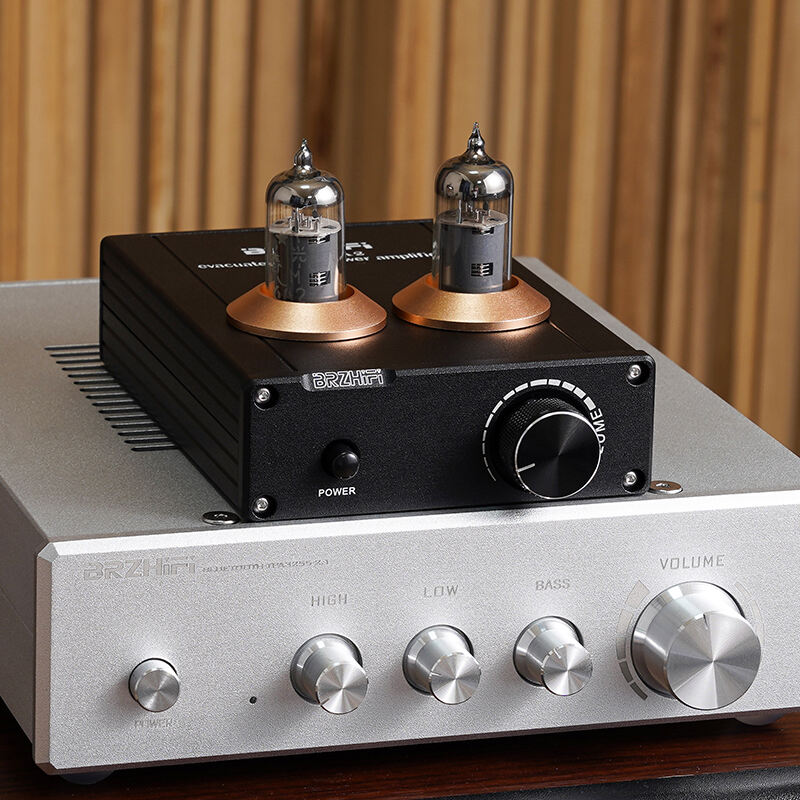
The audio industry demands exceptional precision and quality from every component, particularly when it comes to preamplifiers that serve as the critical link between audio sources and amplification systems. A reliable preamp manufacturer must adhere to stringent production standards that ensure consistent performance, durability, and sonic excellence. These standards encompass everything from component sourcing and circuit design to quality control processes and environmental testing protocols. Understanding what separates exceptional preamp manufacturers from mediocre ones requires examining the comprehensive framework of production standards that define industry leadership.

Component Selection and Sourcing Standards
Premium Grade Component Requirements
A distinguished preamp manufacturer establishes rigorous criteria for component selection that directly impacts the final product's performance characteristics. High-grade operational amplifiers, precision resistors with tight tolerances, and low-noise capacitors form the foundation of superior preamp design. These components must meet or exceed military specifications for temperature stability, aging characteristics, and electrical performance parameters. The sourcing process involves extensive vendor qualification programs that evaluate supplier consistency, quality control systems, and long-term reliability data.
Temperature coefficient specifications for resistors typically require values below 50 parts per million per degree Celsius to maintain circuit stability across operating conditions. Capacitors must demonstrate exceptional dielectric stability and low equivalent series resistance to preserve signal integrity. The selection process also considers component availability and supply chain reliability to ensure consistent production schedules without compromising quality standards.
Vendor Qualification and Supply Chain Management
Professional preamp manufacturer operations implement comprehensive vendor qualification programs that assess suppliers based on quality management systems, technical capabilities, and delivery performance. These programs include on-site audits, statistical process control evaluations, and incoming inspection protocols that verify component specifications. Supply chain diversification strategies protect against single-source dependencies while maintaining quality consistency across multiple suppliers.
Long-term supplier relationships enable collaborative development of custom components optimized for specific preamp applications. Joint engineering projects focus on improving performance characteristics, reducing costs, and enhancing reliability through advanced materials and manufacturing processes. Regular supplier performance reviews ensure continued adherence to quality standards and identify opportunities for continuous improvement initiatives.
Circuit Design and Engineering Excellence
Theoretical Foundation and Simulation Protocols
Leading preamp manufacturer facilities employ sophisticated circuit simulation software and measurement techniques to optimize electrical performance before physical prototyping begins. Computer-aided design tools enable comprehensive analysis of frequency response, distortion characteristics, noise performance, and stability margins across various operating conditions. These simulations incorporate real-world component variations and environmental factors to predict actual performance parameters accurately.
Design validation processes include Monte Carlo analysis to assess circuit sensitivity to component tolerances and aging effects. Thermal modeling ensures proper heat dissipation and component temperature management under maximum power conditions. Signal integrity analysis examines crosstalk, ground bounce, and electromagnetic interference susceptibility to maintain clean audio reproduction throughout the signal path.
Prototype Development and Testing Procedures
Systematic prototype development follows structured design review processes that evaluate circuit performance against established specifications and customer requirements. Initial breadboard implementations verify basic functionality before transitioning to printed circuit board layouts optimized for manufacturability and performance. Multiple prototype iterations incorporate lessons learned from electrical testing, mechanical evaluation, and thermal analysis.
Comprehensive testing protocols measure total harmonic distortion, signal-to-noise ratio, frequency response linearity, and dynamic range under various load conditions. Listening tests conducted by trained audio engineers complement objective measurements to ensure subjective performance meets audiophile expectations. Environmental testing exposes prototypes to temperature cycling, humidity exposure, and mechanical stress to validate long-term reliability predictions.
Manufacturing Process Control Systems
Statistical Process Control Implementation
Modern preamp manufacturer operations integrate statistical process control methodologies throughout production lines to maintain consistent quality and identify process variations before they affect product performance. Control charts monitor critical parameters such as component placement accuracy, solder joint quality, and electrical test results to detect trends that could indicate equipment problems or process drift.
Real-time data collection systems capture measurement data from automated test equipment and manual inspection stations to provide immediate feedback on production quality. Statistical analysis identifies correlation patterns between process variables and product performance to optimize manufacturing parameters continuously. Process capability studies demonstrate the manufacturing system's ability to produce products within specification limits consistently.
Automated Testing and Quality Assurance
Automated test equipment performs comprehensive electrical verification of every preamp unit before packaging and shipment. Test sequences measure all critical performance parameters including gain accuracy, frequency response, distortion levels, and noise characteristics. Automated systems eliminate human error in measurement procedures while providing detailed documentation of individual unit performance for traceability purposes.
Quality assurance protocols include burn-in procedures that operate completed units under elevated temperature conditions to accelerate potential failure mechanisms and identify marginal components. Final inspection procedures verify cosmetic appearance, mechanical fit, and functional operation of all controls and connections. Calibration programs ensure test equipment accuracy through regular comparison with certified reference standards.
Environmental Testing and Reliability Validation
Temperature and Humidity Stress Testing
Comprehensive environmental testing protocols evaluate preamp manufacturer products under extreme conditions that exceed normal operating environments to ensure reliable performance throughout the product lifecycle. Temperature cycling tests subject units to repeated thermal stress between specified minimum and maximum operating temperatures while monitoring electrical performance parameters.
Humidity testing exposes products to high moisture conditions to evaluate component degradation, circuit board delamination, and corrosion resistance of metallic surfaces. Combined temperature and humidity testing simulates tropical environments where condensation and rapid temperature changes create challenging operating conditions. These tests validate the effectiveness of conformal coatings, component selection, and enclosure sealing methods.
Mechanical Stress and Vibration Analysis
Mechanical testing procedures evaluate structural integrity and component reliability under transportation and installation stresses. Vibration testing simulates shipping conditions and operational environments where mechanical resonances could affect audio performance or component reliability. Drop testing validates packaging effectiveness and product durability during handling and installation procedures.
Connector cycling tests verify electrical contact reliability through repeated mating and unmating operations that simulate normal user interactions. Switch and control mechanism testing evaluates operational feel, electrical contact resistance, and mechanical wear characteristics over extended use periods. These mechanical validation procedures ensure long-term reliability and user satisfaction throughout the product lifecycle.
Quality Management and Certification Standards
International Standards Compliance
Professional preamp manufacturer organizations maintain certification to international quality management standards such as ISO 9001 to demonstrate systematic approaches to quality control and continuous improvement. These certifications require documented procedures, regular internal audits, and management review processes that ensure consistent adherence to established quality policies and procedures.
Product safety certifications from recognized testing laboratories verify compliance with electrical safety standards, electromagnetic compatibility requirements, and environmental regulations in target markets. These certifications demonstrate due diligence in product development and provide confidence to customers and regulatory authorities regarding product safety and performance characteristics.
Continuous Improvement Methodologies
Lean manufacturing principles and Six Sigma methodologies drive continuous improvement initiatives that eliminate waste, reduce variation, and enhance customer satisfaction. Cross-functional improvement teams analyze process data, customer feedback, and field performance information to identify opportunities for enhancement in design, manufacturing, and quality control procedures.
Regular management reviews evaluate quality metrics, customer satisfaction surveys, and competitive benchmarking data to establish improvement priorities and resource allocation decisions. Employee training programs ensure technical competency and quality awareness throughout the organization while fostering a culture of excellence and customer focus.
FAQ
What certifications should I look for when selecting a preamp manufacturer
Look for ISO 9001 quality management certification, UL or CE safety approvals, and FCC electromagnetic compatibility compliance. These certifications demonstrate adherence to international standards for quality control, product safety, and regulatory compliance. Additionally, consider manufacturers with audio industry-specific certifications or memberships in professional audio organizations that indicate specialized expertise and commitment to audio excellence.
How do environmental testing standards affect preamp reliability
Environmental testing validates product performance under extreme conditions including temperature cycling, humidity exposure, and mechanical stress that exceed normal operating environments. These tests identify potential failure modes and verify component selection, circuit protection, and enclosure design effectiveness. Products that pass comprehensive environmental testing demonstrate superior reliability and longer service life in real-world applications.
What role does statistical process control play in preamp manufacturing quality
Statistical process control monitors manufacturing variables in real-time to detect process variations before they affect product quality. Control charts track critical parameters such as component placement accuracy, solder joint quality, and electrical test results to maintain consistent production quality. This proactive approach prevents defective products from reaching customers while optimizing manufacturing efficiency and reducing production costs.
How important is component traceability in professional preamp manufacturing
Component traceability enables manufacturers to track individual components from incoming inspection through final product shipment, facilitating rapid response to quality issues or component obsolescence situations. Detailed records support warranty analysis, field failure investigation, and continuous improvement initiatives. Traceability also demonstrates compliance with quality management standards and provides confidence in product reliability and manufacturer accountability.