
 EN
EN
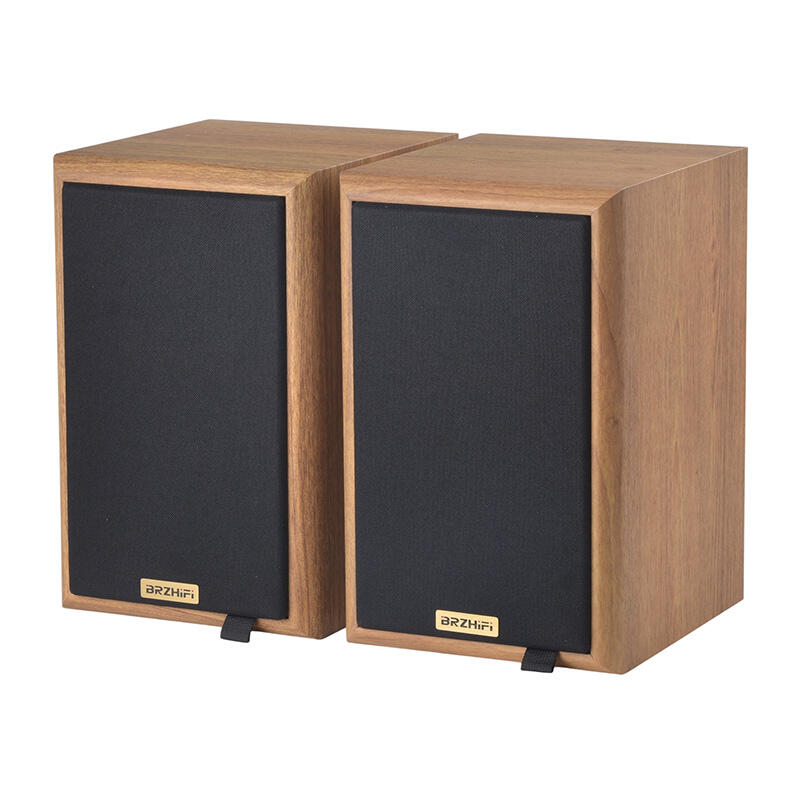
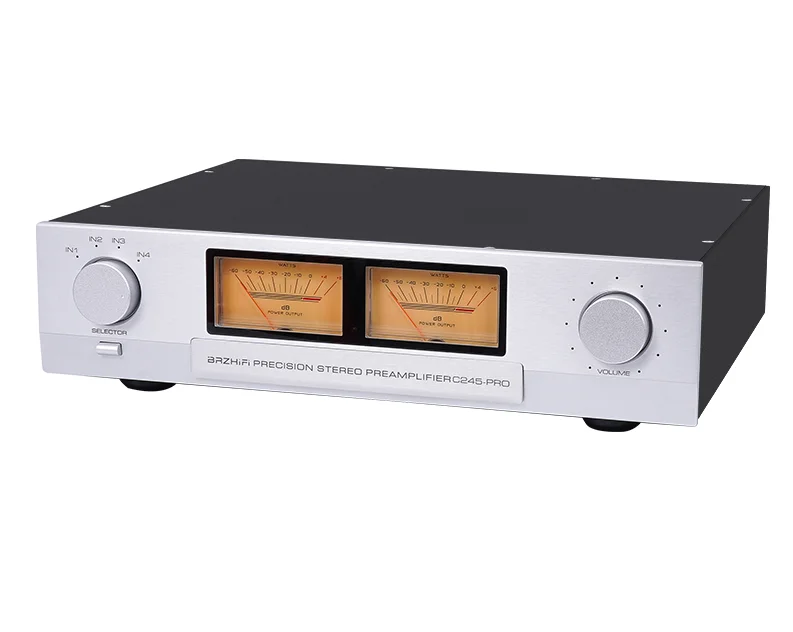
Selecting the right preamplifier requires careful consideration of multiple technical and manufacturing factors that directly impact audio performance and long-term reliability. When evaluating options from any preamp factory, understanding the fundamental specifications, build quality standards, and compatibility requirements becomes essential for making an informed purchasing decision. The quality control processes implemented by a reputable preamp factory often determine whether a unit will deliver consistent performance across various listening environments and system configurations.
Technical Specifications Assessment
Signal-to-Noise Ratio Requirements
The signal-to-noise ratio represents one of the most critical measurements when evaluating products from any preamp factory. High-quality units typically achieve ratios exceeding 100dB, ensuring minimal background interference during quiet musical passages. Professional-grade models often surpass 110dB, providing exceptional clarity for critical listening applications. Manufacturing standards at a reliable preamp factory include rigorous testing protocols to verify these specifications under various operating conditions.
Frequency response characteristics directly influence tonal accuracy and overall sonic presentation. Premium units maintain flat response curves from 20Hz to 20kHz with minimal deviation, typically within ±0.5dB across the audible spectrum. Extended bandwidth models may offer response extending to 100kHz or beyond, accommodating high-resolution digital formats and ensuring future compatibility with emerging audio standards.
Gain Structure and Input Sensitivity
Proper gain staging prevents signal degradation while maintaining optimal dynamic range throughout the audio chain. Most quality preamp factory products offer variable gain settings, allowing precise level matching with diverse source components and power amplifier configurations. Standard line-level inputs accommodate signals ranging from 1V to 5V, while phono inputs handle cartridge outputs from 0.5mV to 5mV depending on cartridge type.
Input impedance specifications affect compatibility with various source components and cable configurations. High input impedance, typically 47k ohms or greater, ensures minimal loading effects on source equipment while maintaining signal integrity across different cable lengths. Output impedance should remain low, usually under 200 ohms, to drive long interconnect runs and multiple amplifier inputs without signal loss.
Build Quality and Component Selection
Circuit Topology and Component Grade
The internal circuit design philosophy employed by a preamp factory significantly impacts both performance and reliability characteristics. Discrete component designs often provide superior sonic performance compared to integrated circuit implementations, though modern op-amp based designs can achieve excellent results when properly implemented. Premium manufacturers utilize military-grade resistors, polypropylene capacitors, and carefully matched transistors to ensure consistent performance across production runs.
Power supply design represents another crucial factor distinguishing quality manufacturers from budget-oriented facilities. Regulated linear power supplies with oversized transformers and extensive filtering provide stable operating voltages while minimizing noise contamination. Some high-end facilities implement separate power supplies for analog and digital sections, further reducing potential interference sources.
Chassis Construction and Shielding
Mechanical construction quality directly affects both durability and electromagnetic interference susceptibility. Aluminum chassis construction provides excellent shielding properties while offering superior heat dissipation compared to steel alternatives. Thick-wall construction, typically 3mm or greater, reduces vibration transmission and provides solid mounting surfaces for internal components. Professional preamp factory operations implement comprehensive testing protocols to verify shielding effectiveness across the entire electromagnetic spectrum.
Internal layout optimization minimizes crosstalk between channels while reducing susceptibility to external interference sources. Separate compartments for power supply and audio circuits prevent magnetic field contamination, while strategic component placement maintains short signal paths and proper grounding techniques.
Connectivity and Feature Set
Input and Output Configuration
Modern preamplifiers require diverse connectivity options to accommodate contemporary source components and system configurations. Multiple line inputs allow connection of CD players, streaming devices, tape decks, and other source components simultaneously. Balanced XLR inputs and outputs provide superior noise rejection for professional applications or systems utilizing long cable runs between components.
Home theater bypass functionality enables seamless integration with multichannel processors while maintaining dedicated two-channel performance for music reproduction. This feature allows the preamp factory unit to serve dual purposes without compromising either application. Record outputs facilitate connection to recording equipment or additional amplification systems.
Volume Control Implementation
The volume control mechanism significantly impacts both convenience and sonic performance characteristics. Stepped attenuators provide precise, repeatable level adjustments while maintaining excellent channel matching across the entire operating range. Remote control capability enhances user convenience, particularly important for systems where the preamplifier location makes manual adjustment impractical.
Digital volume controls offer additional functionality including programmable input levels, memory settings, and integration with automated control systems. However, implementation quality varies significantly between manufacturers, making careful evaluation of the specific control system essential when comparing products from different preamp factory sources.
Manufacturer Reputation and Support
Quality Assurance Programs
Established manufacturers implement comprehensive quality control procedures throughout the production process, from incoming component inspection through final product testing. Reputable preamp factory operations maintain detailed documentation of testing procedures and results, providing traceability for individual units. Burn-in testing periods allow identification of early component failures before products reach end users.
Certification compliance with international standards demonstrates commitment to quality and safety requirements. Look for certifications including CE marking for European markets, FCC compliance for North American distribution, and RoHS compliance indicating environmentally responsible manufacturing practices.
Warranty Coverage and Service Support
Comprehensive warranty coverage reflects manufacturer confidence in product reliability and build quality. Premium manufacturers typically offer warranties ranging from two to five years, covering both parts and labor for manufacturing defects. Extended warranty options may be available for professional or critical applications requiring maximum uptime assurance.
Technical support accessibility becomes crucial when configuration questions arise or troubleshooting assistance is required. Manufacturers with dedicated technical support departments and comprehensive documentation provide superior ownership experiences compared to companies offering limited post-sale assistance. Service center availability affects repair turnaround times and overall cost of ownership throughout the product lifecycle.
Performance Testing and Validation
Laboratory Measurement Verification
Independent laboratory testing provides objective performance verification beyond manufacturer specifications. Third-party measurements of distortion characteristics, frequency response accuracy, and noise performance offer unbiased assessment of actual product capabilities. Reputable preamp factory operations welcome independent testing and often reference such measurements in their technical literature.
Comparative testing against established reference standards helps identify performance advantages or limitations relative to competing products. Measurements should include both static specifications and dynamic performance characteristics under various loading conditions and signal levels.
Listening Evaluation Methodology
Subjective listening tests complement objective measurements by evaluating musical presentation qualities that may not be fully captured by standard measurement protocols. Controlled listening comparisons using familiar reference recordings help identify sonic characteristics including soundstage presentation, dynamic contrast, and tonal accuracy. Multiple listeners and diverse musical material provide comprehensive evaluation of product capabilities.
System integration testing verifies compatibility with intended associated equipment including source components, power amplifiers, and loudspeakers. Impedance matching, gain staging, and overall system synergy significantly impact final performance results regardless of individual component specifications.
Cost Analysis and Value Assessment
Initial Purchase Considerations
Price comparison should consider not only initial purchase cost but also included features, build quality, and expected service life. Products from established preamp factory operations may command premium pricing but often provide superior long-term value through enhanced reliability and comprehensive support services. Budget alternatives may offer attractive initial pricing but could incur additional costs through earlier replacement requirements or limited upgrade paths.
Feature set evaluation helps determine whether specific capabilities justify additional cost compared to more basic alternatives. Advanced features including remote control, multiple inputs, or specialized circuit topologies may provide significant convenience or performance benefits depending on intended applications and system requirements.
Long-term Ownership Costs
Service availability and parts support significantly impact long-term ownership costs and product viability. Manufacturers with established service networks and comprehensive parts inventories provide greater assurance of continued operation throughout extended service lives. Products from preamp factory operations with limited service infrastructure may become difficult or expensive to maintain as they age.
Upgrade potential affects long-term value retention and system evolution possibilities. Some manufacturers offer factory upgrade programs or modification services that can extend product life and maintain performance competitiveness as technology advances. This consideration becomes particularly important for premium products intended for long-term service in high-performance applications.
FAQ
What specifications matter most when comparing preamplifiers from different manufacturers
The most critical specifications include signal-to-noise ratio, total harmonic distortion, frequency response, and input/output impedance characteristics. A quality preamp factory will provide detailed measurements for these parameters along with test conditions. Signal-to-noise ratio should exceed 100dB for high-quality units, while THD should remain below 0.01% across the operating range. Frequency response should stay within ±0.5dB from 20Hz to 20kHz for accurate sound reproduction.
How important is the power supply design in preamplifier performance
Power supply design significantly impacts both noise performance and dynamic capabilities of any preamplifier. Linear regulated supplies with adequate filtering provide the most stable operating environment for sensitive audio circuits. Switch-mode supplies, while more compact and efficient, require careful design to prevent switching noise contamination. Quality preamp factory operations invest heavily in power supply development since this foundation affects all other performance parameters.
What connectivity features should I prioritize for future system expansion
Essential connectivity includes multiple line inputs, tape loops for recording equipment, and both single-ended and balanced outputs where possible. Home theater bypass capability enables integration with multichannel systems without compromising two-channel performance. Remote control functionality and programmable input settings enhance convenience for complex installations. Consider your current system requirements while planning for potential future additions or upgrades.
How do I evaluate build quality without extensive technical knowledge
External build quality indicators include solid, well-finished chassis construction, smooth-operating controls, and secure input/output connections. Internal inspection, where possible, should reveal organized layout, quality components, and clean soldering work. Manufacturer reputation, warranty coverage, and professional reviews provide additional quality indicators when direct evaluation options are limited. Products from established preamp factory sources typically demonstrate consistent attention to construction details and component selection.
Table of Contents
- Technical Specifications Assessment
- Build Quality and Component Selection
- Connectivity and Feature Set
- Manufacturer Reputation and Support
- Performance Testing and Validation
- Cost Analysis and Value Assessment
-
FAQ
- What specifications matter most when comparing preamplifiers from different manufacturers
- How important is the power supply design in preamplifier performance
- What connectivity features should I prioritize for future system expansion
- How do I evaluate build quality without extensive technical knowledge