
 EN
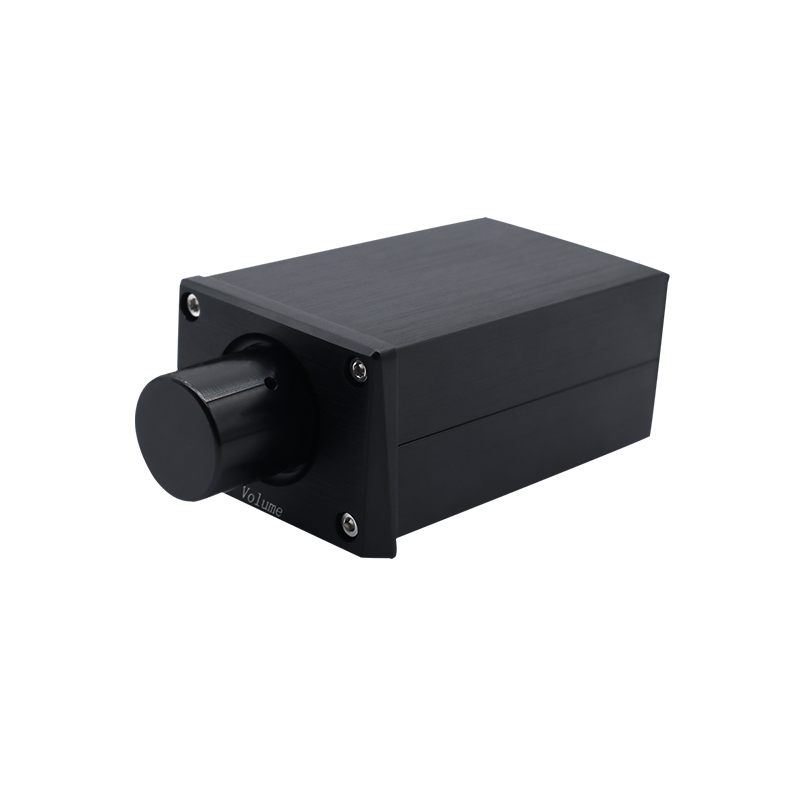
A preamp serves as the critical first stage in any professional audio system, yet many audio enthusiasts underestimate its true value and role. The preamp is not simply an optional component; it is a fundamental building block that directly determines whether your audio signal will be pristine or compromised. Understanding why a preamp matters requires examining how audio signals flow through your entire chain, from source to speaker, and recognizing that a preamp's primary job is to capture weak signals and prepare them for amplification with minimal degradation.
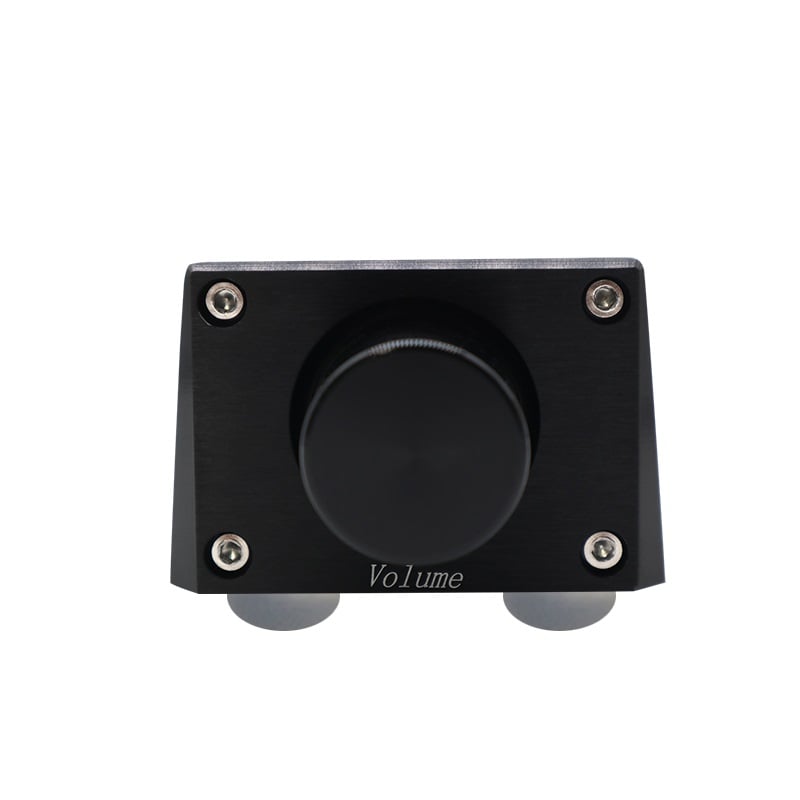
Without a quality preamp, your entire audio reproduction suffers from noise floor elevation, signal loss, and tonal inaccuracy. A preamp bridges the gap between low-output audio sources and the power amplifier, ensuring that every detail captured in your recordings remains intact and audible. This article explores the essential reasons why investing in a proper preamp is one of the most important decisions you can make for accurate audio signal processing.
The Signal Flow Foundation and Why a Preamp Comes First
Understanding the Signal Chain Role of a Preamp
Every audio signal begins its journey weak and vulnerable to interference. Whether your source is a microphone, turntable, or line-level device, that initial signal exists at a voltage level far too low to drive a power amplifier directly. This is where the preamp becomes indispensable. A preamp takes these fragile low-level signals and amplifies them to line level or higher, preparing the signal for further processing and ultimate amplification. Without this intermediate stage, you would attempt to feed weak signals directly into a power amplifier, resulting in poor signal-to-noise ratio and potential distortion.
How a Preamp Preserves Signal Integrity
A well-designed preamp amplifies your source signal while simultaneously protecting it from environmental noise and electrical interference. The preamp uses precision circuitry to elevate the signal above the noise floor, ensuring that quiet passages remain audible without background hum or hiss. This process of early signal amplification is vastly superior to attempting amplification at the final power stage, because by then the signal-to-noise ratio has already been compromised. A quality preamp establishes a strong, clean foundation upon which all subsequent audio processing depends, making it absolutely essential for accurate audio signal processing.
Noise Reduction and Clarity Enhancement Through Preamp Design
The Preamp as Your First Line of Defense Against Noise
Noise is one of the most persistent enemies of accurate audio reproduction, and addressing it at the preamp stage is far more effective than attempting noise reduction downstream. A preamp with high input impedance and low output impedance creates an optimal electrical environment that naturally rejects common-mode noise and interference. By amplifying your desired signal early in the chain, a preamp allows you to maintain a healthy signal-to-noise ratio that makes background noise virtually inaudible during playback. This foundational noise control is why professional studios, recording engineers, and audiophiles consistently prioritize preamp quality when building their audio systems.
Preamp Specifications That Ensure Clarity
The technical specifications of a preamp directly impact how clearly your audio signal is processed and reproduced. A preamp with low distortion specifications, wide frequency response, and minimal phase shift ensures that the audio signal emerging from the preamp matches the original source as closely as possible. Specifications such as signal-to-noise ratio, total harmonic distortion, and gain accuracy all reflect how well a preamp preserves every nuance of your audio. A poorly specified preamp introduces coloration, distortion, and artifact that accumulate through your audio chain, whereas a well-engineered preamp maintains signal fidelity so faithfully that downstream components can work with pristine material.
Amplification Headroom and Dynamic Range Management via Preamp
Preamp Gain Structure and Headroom Optimization
One of the most overlooked reasons a preamp is vital for accurate audio signal processing is its role in establishing proper gain structure throughout your audio system. A preamp allows you to set input and output levels that provide adequate headroom without clipping or distortion. This is particularly critical in professional recording and live sound applications, where maintaining proper levels prevents damage to your audio equipment and preserves the full dynamic range of your material. A preamp gives you the control necessary to optimize levels at the earliest possible stage, ensuring that your power amplifier receives a signal strong enough to reproduce accurately without being driven into distortion.
Preamp's Impact on Overall System Dynamics
The preamp establishes the dynamic range ceiling for your entire audio system. When a preamp is properly configured, it allows your power amplifier to operate in its optimal range, where it can accurately reproduce both the quietest passages and the loudest peaks without compression or distortion artifacts. A preamp with insufficient gain forces the power amplifier to work harder to achieve adequate levels, potentially degrading sound quality and introducing unnecessary noise. Conversely, a preamp offering excessive gain can cause premature saturation and clipping. The preamp's gain structure directly determines whether your audio signal processing chain operates with the dynamic freedom necessary for accurate, natural-sounding reproduction across all volume levels and program material.
Impedance Matching and Signal Compatibility
Why Preamp Impedance Specifications Matter for Accuracy
Audio signal compatibility extends far beyond simply connecting cables between components; it involves proper impedance matching that a preamp facilitates. A preamp presents the appropriate input impedance to source components, ensuring they can deliver their signal without loading effects that would degrade the signal. Similarly, a preamp's output impedance is designed to drive subsequent components reliably, whether those components are additional processing stages or power amplifiers. When impedance mismatches occur, signal reflections and losses reduce the amplitude and purity of your audio signal, directly compromising the accuracy of your audio signal processing. A properly designed preamp bridges impedance gaps between components, ensuring seamless signal flow and maximum signal integrity.
Preamp Connectivity and Format Support
Different audio sources operate at different impedance levels and voltage standards, and a flexible preamp accommodates these variations while maintaining consistent signal quality. Whether your source is a microphone requiring phantom power, a turntable needing RIAA equalization, a line-level digital converter, or a tape machine, a properly equipped preamp provides the necessary input stages and conditioning to optimize each source signal before amplification. This versatility ensures that your preamp becomes the central hub of your audio system, capable of accepting signals from diverse sources and delivering them to your power amplifier at optimal levels. Without this compatibility and flexibility, achieving truly accurate audio signal processing across multiple source types becomes extremely challenging.
FAQ
Why is a preamp more important than a power amplifier for audio signal quality?
While both components are essential, a preamp is actually more critical for establishing audio quality because it determines the signal-to-noise ratio, gain structure, and initial signal conditioning for your entire system. A preamp's primary role is to capture weak source signals and amplify them cleanly, protecting them from noise before they reach the power amplifier. If your preamp introduces noise or distortion, these problems become amplified and highly audible through your speakers. A high-quality preamp paired with a moderately priced power amplifier will typically outperform a budget preamp with an expensive amplifier, demonstrating that preamp quality directly impacts your audio signal processing outcomes.
Can I use audio equipment without a preamp?
Technically, some powered speakers or integrated amplifiers contain built-in preamp circuitry, so you are never truly without a preamp in your audio signal processing chain. However, using a dedicated, high-quality preamp instead of relying on internal preamp stages gives you superior signal conditioning, better noise performance, and enhanced control over your audio signal. Line-level sources can be connected directly to certain power amplifiers or powered speakers, but this approach bypasses the opportunity to optimize your signal early in the chain. For professional applications or serious audiophile listening, a dedicated preamp is highly recommended because it provides the precision and flexibility that internal preamp circuits in consumer equipment cannot match.
What specifications should I look for when choosing a preamp for accurate audio signal processing?
When selecting a preamp, prioritize signal-to-noise ratio (lower is better, ideally below -90 dB), total harmonic distortion (typically below 0.1 percent at rated output), frequency response (ideally 20 Hz to 20 kHz or wider), and input/output impedance specifications that match your source components and power amplifier. Additionally, consider the gain range available from your preamp to ensure it accommodates your specific sources and desired listening levels. Build quality, component selection, and the presence of features like balanced XLR connectors also indicate whether a preamp is designed for accurate audio signal processing versus casual use. Finally, seek a preamp that has been professionally reviewed and measured, as this provides independent verification that the preamp delivers the signal integrity you need.