
 EN
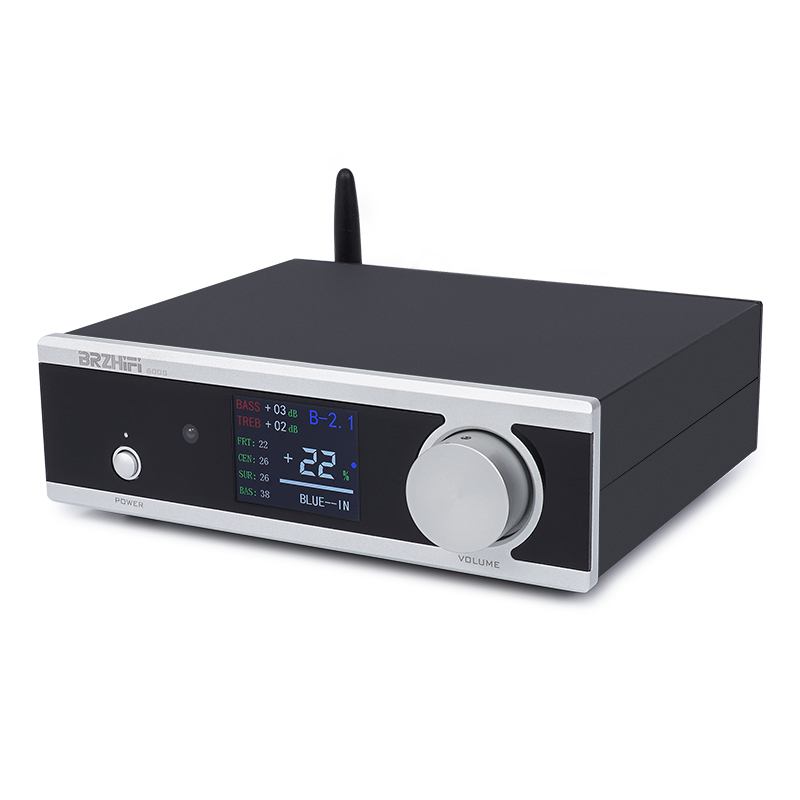
A modern home theater system represents far more than a simple television and speaker combination. Today's home theater system demands careful attention to multiple technological dimensions, each contributing meaningfully to the overall entertainment experience. Understanding which features truly matter can mean the difference between a mediocre viewing setup and a genuinely immersive entertainment space that rivals commercial cinema environments.
Building an effective home theater system requires balancing performance specifications, room acoustics, equipment compatibility, and user experience priorities. Whether you're upgrading an existing home theater system or designing from scratch, knowing which features deliver tangible value helps direct your investment toward components that genuinely enhance how you enjoy movies, sports, gaming, and music at home.
Audio Quality and Sound Performance
Speaker Configuration and Output Power
The foundation of any home theater system rests on quality audio reproduction. A properly configured home theater system includes discrete speakers positioned to create immersive soundscapes that draw viewers into the content. Modern home theater system designs typically feature a center channel speaker for dialogue clarity, front left and right speakers for stereo separation, surround speakers for ambient effects, and a subwoofer for low-frequency impact. Speaker output power matters significantly; an underpowered home theater system cannot deliver the dynamic range that makes cinematic content compelling, while excessive power beyond room requirements becomes wasteful.
Frequency Response and Acoustic Tuning
A premium home theater system must reproduce frequencies across the full audible spectrum with minimal distortion. The home theater system's frequency response should extend below 20 Hz to capture subwoofer effects and above 20 kHz for complete sonic information, though practical room acoustics often constrain these boundaries. Acoustic room treatment transforms a basic home theater system into one that sounds balanced and controlled. Properly tuned bass response prevents muddy low frequencies from overwhelming dialogue clarity. A well-calibrated home theater system accounts for room dimensions, material reflectivity, and speaker placement to achieve neutral, accurate sound reproduction that doesn't color the original content.
Video Quality and Display Technology
Resolution and Display Standards
Video performance in a modern home theater system begins with display resolution that matches your source content. Contemporary home theater system installations typically deploy 4K displays to match increasingly common 4K streaming and disc content. A home theater system with native 4K resolution prevents upscaling artifacts and preserves fine detail throughout the image. However, even a home theater system with a high-resolution display suffers if refresh rate, contrast ratio, or color accuracy fall short of reference standards. The home theater system display should support 60 Hz minimum refresh rates for smooth motion, 10-bit color depth for gradient handling, and wide color gamuts that encompass the full digital cinema specification.
HDR Support and Contrast Performance
High Dynamic Range fundamentally changes how a home theater system presents visual content by expanding the contrast range and color volume simultaneously. An HDR-capable home theater system displays brighter highlights and darker shadows with substantially more information between those extremes compared to standard dynamic range. This capability transforms how viewers perceive lighting, shadow detail, and overall image depth. The home theater system's display must support industry-standard HDR formats like Dolby Vision and HDR10 to unlock this potential. Native contrast ratio matters tremendously; a home theater system built around a high-native-contrast display technology like OLED handles bright and dark scenes with superior separation and eliminates the gray veil that compromises lower-contrast displays.
Connectivity, Processing, and Ecosystem Integration
Source Switching and Format Compatibility
Modern home theater system complexity demands robust connectivity architecture that handles multiple simultaneous source devices without bottlenecks or compatibility issues. A contemporary home theater system requires HDMI inputs supporting the latest specifications like HDMI 2.1 for maximum bandwidth, component video for legacy devices, optical or analog audio inputs, and wireless connectivity options for streaming. Your home theater system's processor must automatically switch between sources, scale content appropriately, and route audio signals without user intervention. Supporting diverse source formats protects your home theater system investment by remaining compatible as new technologies emerge. Future-proofing a home theater system means selecting components flexible enough to integrate streaming devices, gaming consoles, cable boxes, and disc players simultaneously.
Wireless Integration and Smart Features
Today's home theater system must coordinate seamlessly with multi-room audio networks, wireless subwoofers, and smart home automation systems. Many users expect their home theater system to function within broader ecosystem frameworks that include voice control, mobile app management, and automatic profile recall. Wireless protocols like Bluetooth, WiFi, and proprietary streaming formats expand how a home theater system integrates into modern living spaces. Latency becomes critical; audio delays between wireless speakers and the main home theater system create lip-sync errors that destroy immersion. The best home theater system implementations feature redundant connectivity options, automatic device discovery, and intelligent failover mechanisms that maintain functionality if primary connections experience interference.
Room Configuration and Calibration Capabilities
Acoustic Measurement and Automated Setup
A sophisticated home theater system includes room measurement microphones and software that automatically adjusts speaker levels, distances, and equalization based on actual acoustic conditions. This calibration transforms even challenging rooms into well-balanced home theater system environments by compensating for reflective surfaces, standing waves, and speaker placement compromises. The home theater system's processor analyzes frequency response, phase coherence, and temporal alignment to optimize how all elements work together. Automated calibration makes premium home theater system performance accessible without requiring expensive professional installers, though manual fine-tuning often further improves results for discerning listeners.
User Interface Accessibility and Control Options
An intuitive control interface determines whether your home theater system's features remain usable during daily operation. The home theater system menu structure should prioritize common adjustments like volume, brightness, and input selection while maintaining organized access to advanced settings. Remote control design significantly impacts daily satisfaction; a home theater system with confusing ergonomics frustrates regular users regardless of underlying quality. Many modern home theater system components support smartphone apps, voice control integration, and programmable macros that automate complex setup sequences. A well-designed home theater system prioritizes usability alongside technical performance, recognizing that features remain worthless if users cannot conveniently access them during normal entertainment routines.
FAQ
What determines whether a home theater system investment pays off?
A home theater system delivers genuine value when its components match your specific viewing patterns, room dimensions, and content preferences. If you frequently watch movies, streaming content, or play games, a well-balanced home theater system enhances enjoyment substantially compared to basic television audio. However, if you rarely use entertainment facilities seriously, even an expensive home theater system provides minimal experiential improvement. Calculate the value proposition by considering your annual usage frequency, existing content library, and whether immersive audio and video genuinely appeal to your viewing habits. The best home theater system for your situation aligns technical specifications with actual usage patterns rather than maximizing features you'll never utilize.
Can a home theater system work effectively in spaces with difficult acoustics?
Yes, modern room correction and acoustic treatment technology enables a functional home theater system in challenging spaces. Hard, reflective surfaces create harsh acoustics, but installing absorptive panels, diffusers, and bass traps transforms any room into a viable home theater system environment. Speaker placement flexibility allows acoustic engineers to position components strategically, while digital equalization compensates for frequency response irregularities. A well-implemented home theater system combines physical acoustic modifications with sophisticated processor calibration to achieve surprisingly good results even in less-than-ideal rooms. However, foundational room characteristics fundamentally constrain what any home theater system can achieve; severe acoustical problems require substantial modifications before equipment upgrades make meaningful differences.
How often should home theater system components require upgrades?
Quality home theater system components typically function well for ten to fifteen years or longer before technical obsolescence or performance degradation necessitates replacement. Modern home theater system displays and processors maintain stable performance throughout this timeframe, though newer models introduce enhanced features like improved HDR support, wireless integration, or processing capabilities. Strategic component replacement allows your home theater system to embrace emerging technologies like advanced streaming formats or immersive audio codecs without requiring complete system overhauls. Individual speaker longevity often exceeds two decades when properly maintained, making speakers typically the most durable home theater system elements. Planning for selective upgrades rather than wholesale replacement helps extend your home theater system's useful lifespan and relevance as entertainment technologies gradually evolve.