
 EN
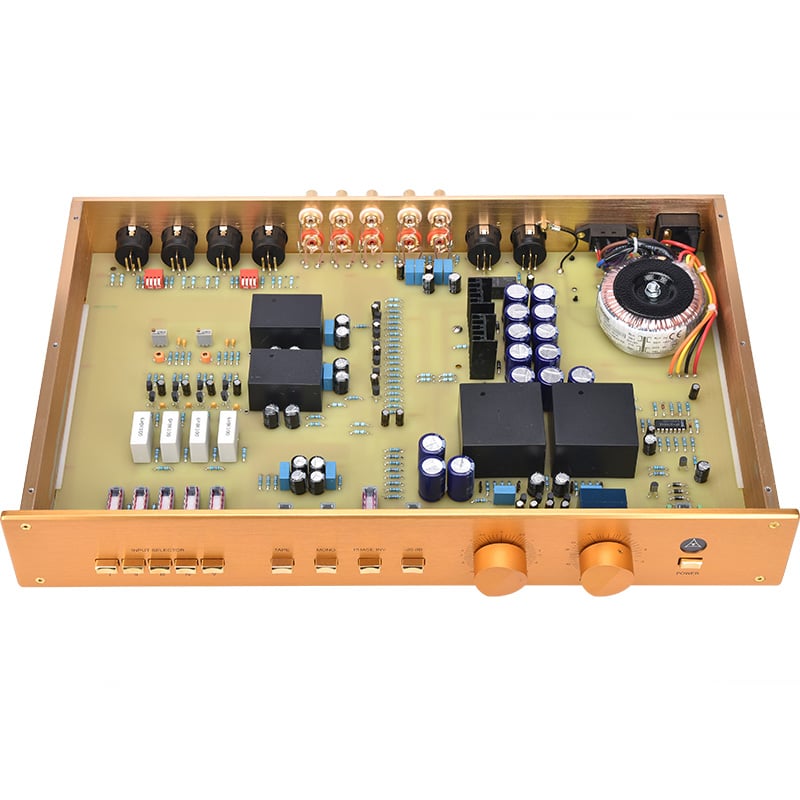
Selecting the right preamp is one of the most critical decisions when building a professional or HiFi audio system. A quality preamp serves as the foundation of your signal chain, directly influencing sound clarity, detail, and overall system performance. Whether you are assembling a recording studio, live sound reinforcement setup, or high-fidelity listening environment, understanding how to choose a preamp ensures your investment delivers maximum sonic benefit and operational reliability.
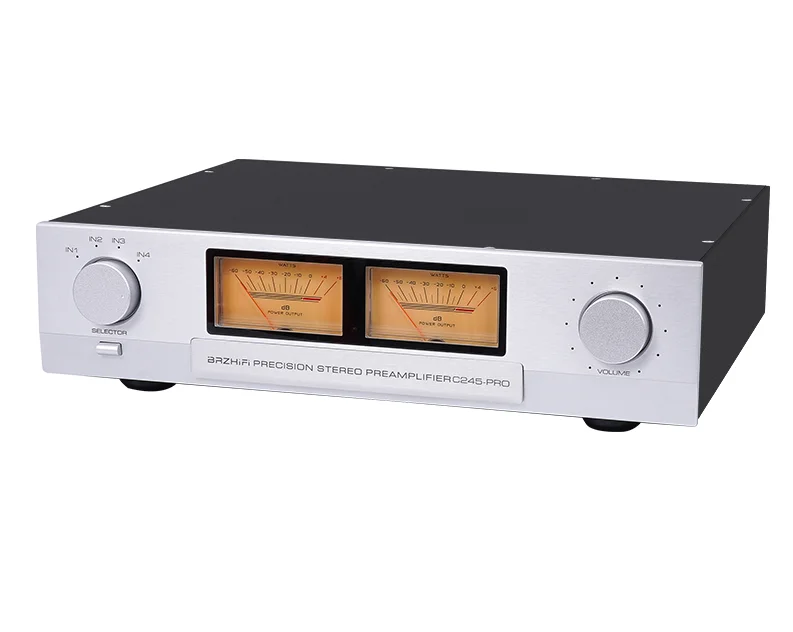
The process of selecting a preamp requires careful evaluation of gain structure, noise performance, input and output specifications, and integration requirements with your existing equipment. A poorly chosen preamp can introduce unwanted noise, create impedance mismatches, or fail to provide adequate headroom for your application. This guide walks you through the essential criteria for choosing a preamp that meets both your technical requirements and sonic preferences.
Understanding Preamp Gain and Noise Specifications
Gain Structure and Headroom
Gain is the amount of signal amplification a preamp provides, typically measured in decibels (dB). When selecting a preamp, you must ensure it provides sufficient gain to bring weak signals to usable levels without excessive amplification that compromises headroom. A quality preamp should offer variable gain control, allowing you to optimize signal levels across different source types and signal strengths. Most professional preamp designs include between 40 and 70 dB of gain, which accommodates everything from microphone inputs to line-level sources.
Headroom refers to the maximum signal level a preamp can handle before distortion occurs. When evaluating a preamp, verify that it can accept peak signal levels from your audio sources without clipping or introducing artifacts. A preamp with insufficient headroom will add unwanted coloration and harmonic distortion to your recordings or performances. Check the specifications carefully: a quality preamp designed for professional use should provide at least 20 dB of headroom above nominal operating levels.
Noise Floor and Signal-to-Noise Ratio
The noise floor of a preamp determines how much internal noise the unit adds to your signal chain. When choosing a preamp, lower noise specifications are always preferable because they preserve signal integrity, especially when amplifying weak microphone or instrument signals. A preamp with a poor signal-to-noise ratio will add hum, hiss, and unwanted artifacts that degrade the final recording or performance quality.
Professional-grade preamp units typically achieve signal-to-noise ratios of 130 dB or better, while consumer-level preamp devices may fall below this standard. When selecting a preamp for critical recording or live applications, prioritize models that publish verified noise measurements. A high-performance preamp should maintain excellent signal-to-noise characteristics across its entire gain range, not just at maximum gain settings.
Impedance Matching and Input/Output Compatibility
Input Impedance Considerations
Impedance matching is a fundamental requirement when selecting a preamp for your audio system. Input impedance of a preamp should be significantly higher than the output impedance of your source device to ensure proper signal transfer and frequency response. When choosing a preamp, verify that microphone input impedance ranges between 1200 and 5000 ohms, which accommodates most professional microphones while minimizing impedance loading effects.
A preamp with low input impedance will load down your microphone or instrument source, resulting in reduced high-frequency response and signal clarity. When evaluating a preamp, confirm that line-level inputs maintain impedance above 10 kilo-ohms to prevent signal degradation. This impedance matching principle applies regardless of whether you select a preamp with tube, solid-state, or hybrid amplification topology.
Output Specifications and Interface Standards
Output configuration of a preamp must align with the input requirements of your mixing console, audio interface, or power amplifier. When selecting a preamp, determine whether you need balanced XLR outputs, unbalanced RCA connections, or both. Most professional preamp designs offer balanced outputs as standard, which provide superior noise rejection over longer cable runs in studio and live environments.
A quality preamp should provide sufficient output level to drive line-level equipment without requiring an additional buffer stage. When choosing a preamp, verify that output impedance is low enough to drive long cable runs without signal loss or frequency response alterations. Professional preamp units typically deliver +20 dBu or higher output levels, ensuring compatibility with industry-standard mixing and routing gear.
Selecting the Right Preamp for Your Application
Studio Recording and Microphone Amplification
For studio recording applications, selecting a preamp that excels at microphone amplification is essential. Studio-grade preamp units must provide clean, transparent gain without adding unwanted coloration or frequency response anomalies. When choosing a preamp for recording, consider the types of microphones you plan to use: condenser microphones require phantom power voltage, so your preamp selection must include switchable 48-volt phantom power capability.
High-impedance ribbon microphones and dynamic microphones require different impedance matching characteristics, so verify that your selected preamp can accommodate all microphone types in your workflow. When evaluating a preamp for professional recording, look for models that offer continuously variable gain control rather than stepped gain, allowing precise level optimization without introducing level jumps. A versatile preamp designed for studio use should provide high-quality preamplification with minimal self-noise and excellent headroom for loud sources.
Live Sound and Instrument Applications
Live sound applications demand a preamp that delivers reliability, durability, and consistent performance under challenging environmental conditions. When selecting a preamp for live reinforcement, prioritize models with rugged construction and proven track records in touring and rental environments. A stage-ready preamp must provide sufficient input and output options to handle multiple audio sources simultaneously while maintaining clean signal integrity throughout the performance.
For instrument amplification in live venues, choosing a preamp that flatters your instrument's natural characteristics while providing tonal flexibility is important. Some musicians prefer a preamp that adds subtle harmonic coloration to enhance instrument tone, while others require a completely transparent preamp that preserves every nuance of their playing. When evaluating a preamp, audition models with representative instruments in settings that match your typical performance venues to ensure sonic compatibility.
Home HiFi and Audiophile Applications
HiFi enthusiasts and audiophile listeners benefit from selecting a preamp that prioritizes transparency, musicality, and long-term listening fatigue reduction. A high-end preamp for home audio should minimize noise and distortion while presenting a detailed, engaging soundstage that reveals the subtle layers in your recorded music collection. When choosing a preamp for serious listening, research published measurements and user reviews from established audio publications and forums.
Home audio preamp selection often involves personal preference regarding amplifier topology: tube preamp designs often provide warmth and musicality, while solid-state preamp units typically offer transparency and low noise. A well-designed preamp for home use should integrate seamlessly with your turntable, CD player, and digital sources, providing appropriate gain and impedance matching for each component. When selecting a preamp, verify that the unit includes quality input switching and source labeling to organize your audio components logically.
FAQ
What specifications should I prioritize when selecting a preamp?
When choosing a preamp, prioritize noise floor, signal-to-noise ratio, input and output impedance specifications, available gain range, and headroom capabilities. These core specifications determine how well a preamp will perform across your applications. Additionally, evaluate phantom power availability, output level capability, and interface options based on your specific equipment ecosystem to ensure comprehensive compatibility.
Can a preamp work with both microphones and line-level sources?
Yes, most professional preamp designs include switchable input modes that accommodate both microphone and line-level sources. A quality preamp features separate microphone and line inputs with appropriate impedance matching for each signal type. When selecting a preamp with dual capability, verify that gain controls adapt properly to each input type, ensuring consistent signal levels and clean amplification across different source categories.
Should I choose a tube preamp or solid-state preamp?
The choice between a tube preamp and solid-state preamp depends on your sonic preferences, application requirements, and maintenance preferences. Tube preamp designs often provide subtle harmonic enhancement and musicality, while solid-state preamp units typically offer greater transparency, lower noise, and reduced maintenance demands. When selecting a preamp, audition both topologies in your specific recording or listening environment to determine which preamp type aligns best with your artistic vision and technical requirements.