
 EN
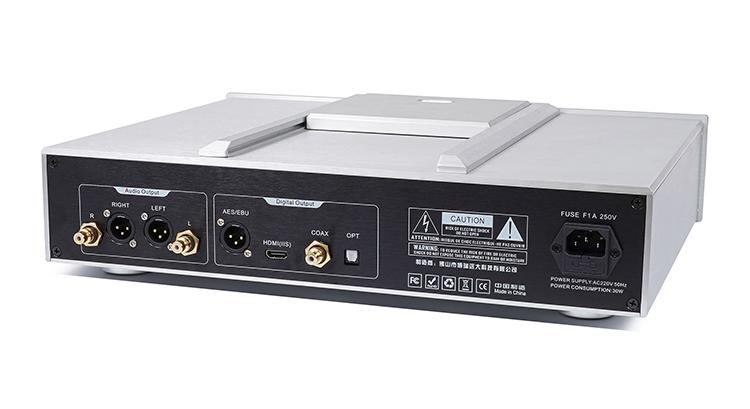
The resurgence of vinyl records might dominate nostalgia conversations, yet a significant segment of dedicated music enthusiasts continues to champion the cd player as a cornerstone of their audio systems. Despite decades of digital streaming and wireless technologies, the cd player has maintained surprising relevance in audiophile circles, particularly among listeners who prioritize sound quality, reliability, and tangible music ownership. This enduring popularity reflects deeper insights into how serious music lovers evaluate playback equipment and what truly matters when every detail of the listening experience counts.
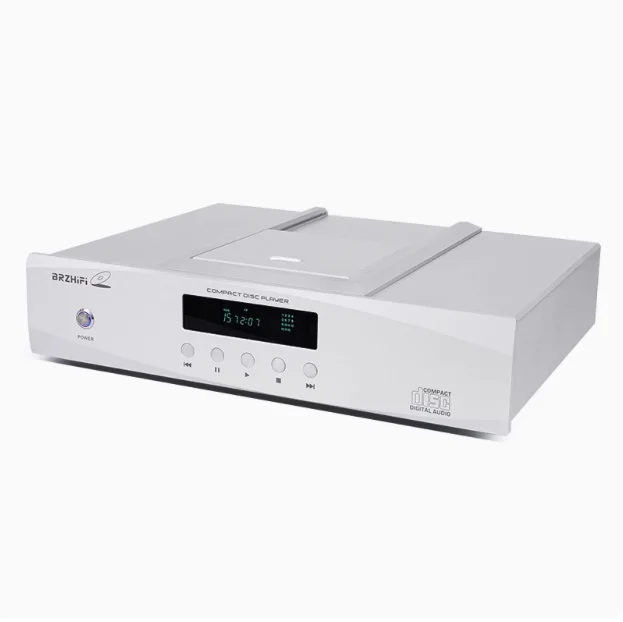
The persistence of the cd player in audiophile culture signals a fundamental truth about music consumption: technical excellence and reliable performance never go out of style. While streaming services offer convenience, a well-engineered cd player delivers consistent, high-fidelity audio that remains difficult for compressed digital formats to match. Understanding why audiophiles continue investing in cd player technology requires examining the intersection of sound quality, equipment philosophy, and the pursuit of authentic musical reproduction.
Superior Sound Quality and Audio Fidelity
The Sonic Advantages of CD Format
At the technical core, a cd player represents a proven standard for audio reproduction that delivers measurable advantages in fidelity and clarity. The compact disc format, developed in the 1980s through collaboration between Philips and Sony, established a 44.1 kHz sampling rate and 16-bit depth that remains transparent to human hearing across the entire audible spectrum. A quality cd player equipped with proper digital-to-analog conversion circuitry can reproduce this information with exceptional accuracy, creating a listening experience that many audiophiles describe as more engaging than compressed streaming formats that sacrifice data to reduce file size.
Modern high-resolution cd player designs employ advanced laser optics, precision motor control, and sophisticated audio circuitry to minimize distortion and jitter—the timing errors that degrade audio quality. Premium cd player manufacturers invest in components like low-noise power supplies, carefully shielded digital circuits, and high-quality output transformers that directly influence the musicality of playback. This engineering commitment distinguishes a serious cd player from mass-market consumer equipment, and audiophiles recognize this distinction as central to their investment rationale.
The Role of Digital-to-Analog Conversion
The quality of the digital-to-analog converter within a cd player fundamentally determines its sound character and overall performance. A cd player with a high-grade DAC chip, coupled with proper analog output stage design, can extract nuance and dynamic detail from recordings that casual listeners might never perceive. Audiophile-grade cd player designs often feature dual differential converters, premium operational amplifiers, and passive or active output filters that collectively preserve the musical integrity of the source material. This conversion process represents the most critical technical function a cd player performs, making it worth prioritizing in equipment selection.
The stability and transparency of a cd player's analog stage directly correlates with listener satisfaction and perceived audio quality. Even subtle improvements in converter design, power supply regulation, and signal routing can produce audible benefits that audiophiles reward with sustained equipment loyalty and repeat purchasing decisions. A cd player engineered with these principles remains an attractive choice for discriminating listeners who recognize that conversion quality shapes the entire listening experience.
Reliability, Longevity, and Equipment Philosophy
The Mechanical Robustness of CD Technology
Unlike streaming services that depend on internet connectivity, cloud servers, and licensing agreements, a cd player offers complete independence and permanence. Physical media read by a cd player represents permanent ownership—the recording exists in your collection regardless of network status, service availability, or corporate policy changes. This tangible ownership model appeals strongly to audiophiles who distrust cloud-dependent systems and prefer direct control over their music library. A cd player from decades past can still function reliably today, provided basic maintenance occurs, whereas digital platforms constantly evolve, eliminate catalogs, or disappear entirely.
The mechanical reliability of a well-maintained cd player reinforces its appeal to long-term audio enthusiasts. Compact disc media, when properly stored, remains readable for 50 to 100 years, offering stability that digital files and streaming subscriptions cannot guarantee. This durability forms part of the philosophical foundation supporting why serious music collectors continue building cd player-based systems, viewing physical media as a hedge against technological obsolescence and corporate control of content access.
Design Philosophy and Minimalist Aesthetics
Many audiophiles embrace a design philosophy that favors dedicated, single-function components over multi-purpose devices. A cd player designed solely for reading and reproducing compact discs embodies this specialization ethos, contrasting sharply with modern all-in-one systems that try to handle streaming, digital files, radio, and physical media simultaneously. This focused engineering allows cd player designers to optimize every aspect of the device for audio reproduction, without compromise or feature bloat diluting performance. The philosophical appeal of a purpose-built cd player extends beyond technical specifications into the realm of aesthetic values and equipment integrity.
The visual and tactile experience of using a cd player contributes meaningfully to the overall satisfaction audiophiles derive from their systems. The deliberate act of selecting a physical album, inserting it into the cd player, and engaging with the liner notes creates ritual and intentionality around music consumption. This sensory and emotional engagement distinguishes the cd player experience from passive algorithmic streaming, appealing to music lovers who view listening as an active, contemplative practice rather than background accompaniment.
Market Trends and Continued Audiophile Demand
Specialized Manufacturers and Product Innovation
Despite mainstream market consolidation around streaming platforms, specialized audio manufacturers continue developing and refining cd player products specifically engineered for audiophile applications. These companies recognize sustained demand from dedicated listeners willing to invest significantly in components that prioritize sound quality above convenience. New cd player designs incorporate modern manufacturing techniques, refined DAC chips, and innovative circuit topologies that compete with contemporary digital playback systems in overall performance. This ongoing innovation demonstrates that the cd player market, while niche, remains technically vibrant and responsive to audiophile expectations.
Premium cd player manufacturers have expanded their offerings to include balanced XLR outputs, variable-level controls, and even digital outputs that allow a cd player to function within larger system architectures. These enhancements demonstrate recognition of evolving audiophile preferences while maintaining the core audio quality that defines the category. The existence of these specialized products validates that the cd player remains viable within serious listening setups, appealing to a segment of music lovers whose commitment to fidelity exceeds casual consumer expectations.
Collecting Culture and Music Curation
Music collectors and audiophiles often view compact disc acquisitions as thoughtful curation exercises, building libraries of carefully selected recordings rather than passively consuming algorithmic recommendations. This collecting impulse naturally supports continued cd player ownership, as physical albums become centerpieces of personal music rooms and listening environments. The cd player serves as the primary playback device for these curated collections, transforming personal music space into galleries of sonic achievement and artistic expression. This cultural and collecting aspect reinforces cd player relevance beyond purely technical specifications.
The secondary market for rare and out-of-print compact discs has flourished in recent years, with serious audiophiles actively seeking specific recordings, reissues, and audiophile-pressing editions designed for optimal playback. This renewed interest in physical music media directly supports cd player demand, as collectors require reliable playback equipment to enjoy their acquisitions. The cd player thus sits at the intersection of collecting culture, music curation, and audio fidelity, reinforcing its significance within devoted audiophile communities.
FAQ
Can a modern CD player compete with high-resolution digital audio formats?
A quality cd player equipped with superior digital-to-analog conversion can reproduce compact disc content with exceptional clarity and musicality, though high-resolution formats like SACD or MQA technically offer greater data density. In practical listening terms, however, the differences between a well-engineered cd player and high-resolution sources often depend more on mastering quality, associated equipment, and listening environment than on format differences alone. Many audiophiles report satisfaction with cd player performance that rivals or exceeds high-resolution playback, particularly with carefully remastered compact disc releases.
Why do audiophiles prefer CD players over streaming services?
Audiophiles favor the cd player model because it eliminates compression artifacts inherent in streaming formats, ensures permanent ownership independent of service availability, and allows precise control over equipment quality and system integration. Streaming services prioritize convenience and catalog breadth over individual listening quality, employing lossy compression that discards musical information to reduce bandwidth requirements. A cd player connected to quality amplification and speakers delivers consistent, verifiable performance across sessions, appealing to listeners who prioritize sound quality above algorithmic convenience.
Are CD players still being manufactured and supported?
Yes, specialized audio manufacturers continue producing cd player models ranging from affordable to premium audiophile specifications, and service support remains available through dedicated retailers and repair specialists. While mainstream consumer electronics manufacturers have largely exited the cd player market, dedicated audio companies recognize sustained demand from serious listeners and continue engineering products that meet or exceed contemporary performance expectations. This niche market ensures that quality cd player options remain accessible and supported for the foreseeable future.