
 EN
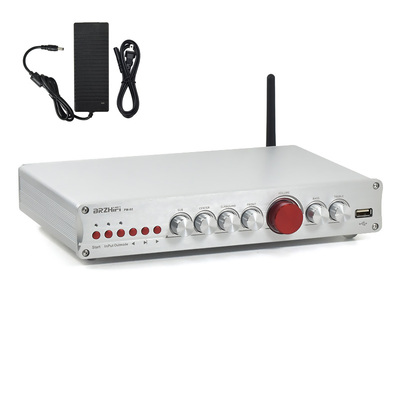
Building a surround sound system transforms your home entertainment experience into something truly remarkable. A properly configured surround sound system creates an immersive audio environment where sound envelops you from all directions, making movies, music, and gaming feel three-dimensional and engaging. Unlike traditional stereo setups, a surround sound system distributes audio across multiple channels and speakers positioned strategically throughout your room, creating depth and spatial realism that standard audio cannot achieve.
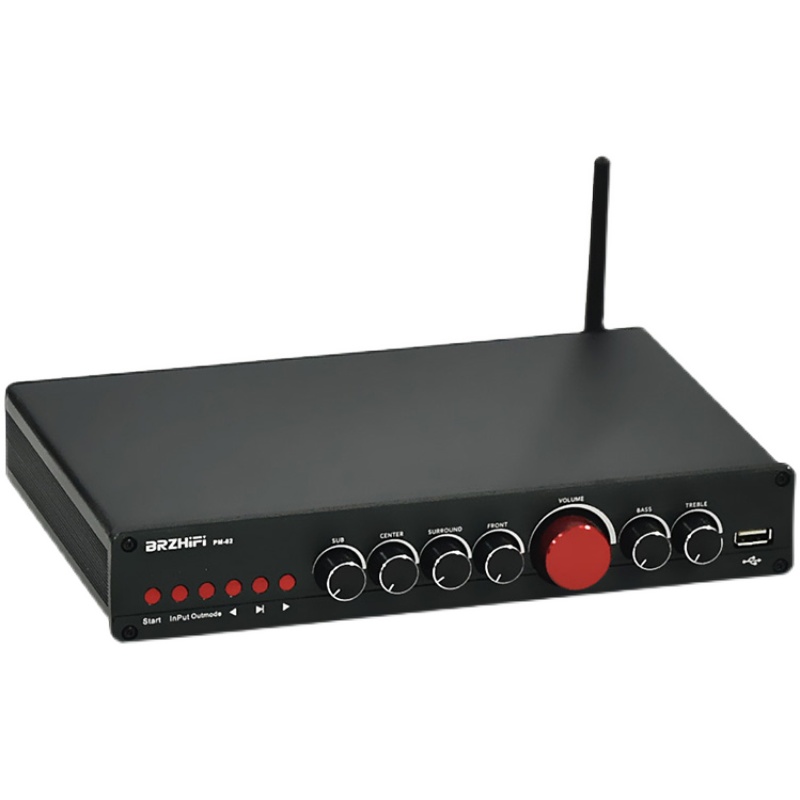
Understanding how to build a surround sound system requires knowledge of speaker types, channel configuration, amplification needs, and room acoustics. This comprehensive guide walks you through every step of creating a surround sound system that delivers cinema-quality audio in your home. Whether you are upgrading an existing setup or starting from scratch, learning the fundamentals of a surround sound system ensures you make informed decisions that align with your space, budget, and audio preferences.
Understanding Surround Sound System Fundamentals
Core Components of a Surround Sound System
A complete surround sound system consists of multiple speaker channels working together to create spatial audio. The foundation begins with a front left and right speaker that handles primary dialogue and stereo content. Adding a center channel speaker positioned above or below your display ensures clear, focused dialogue delivery. A surround sound system also includes surround speakers placed to the sides or rear of your listening area, creating the ambient and directional effects that define immersive audio. A subwoofer completes the surround sound system by reproducing low-frequency effects and bass, adding physical impact to your entertainment.
Each component within your surround sound system plays a specific role in the overall audio landscape. Front speakers deliver the main cinematic experience, while surround sound system rear channels create directional panning effects and ambient environments. The subwoofer in your surround sound system handles frequencies below 100 Hz, which your main speakers often struggle to reproduce accurately. Understanding this channel architecture is essential before you begin assembling your surround sound system, as it directly influences speaker selection and placement strategy.
Surround Sound System Formats and Configurations
Modern surround sound system formats range from basic 5.1 configurations to advanced 7.1, Dolby Atmos, and DTS:X setups. A 5.1 surround sound system includes left, center, right, surround, and subwoofer channels, creating a comprehensive immersive field. A 7.1 surround sound system adds side surrounds for even more precise sound localization and enveloping effects. When planning your surround sound system, consider your room size and budget constraints. A 5.1 surround sound system is ideal for most home environments, while 7.1 setups suit larger rooms. Understanding these surround sound system variants helps you choose the configuration that best matches your space and listening preferences.
Strategic Speaker Placement for Your Surround Sound System
Front Speaker Positioning
The front speakers in your surround sound system form the foundation of your audio stage and should be positioned carefully. Place left and right front speakers at ear level or slightly above when seated in your primary listening position. For a surround sound system, positioning front speakers 1 to 3 feet higher than ear level creates a cohesive sound field that blends naturally with dialogue from the center channel. These speakers should be equidistant from your listening area to maintain proper stereo imaging. The center speaker in a surround sound system should be positioned at or near ear level, ideally integrated with your display or mounted directly above or below it for optimal dialogue projection.
Proper front speaker placement is crucial because a surround sound system depends on accurate sound localization. Angle the front speakers toward your listening area at a 15 to 30-degree angle to maximize coverage and prevent harsh off-axis response. This setup ensures that your surround sound system delivers coherent sound to all seating positions, not just the center seat. Avoid placing any component of your surround sound system directly in room corners, as this creates bass buildup and muddy dialogue reproduction.
Surround Speaker Placement Strategy
Surround speakers are the defining characteristic that distinguishes a surround sound system from standard stereo. In a 5.1 surround sound system, place surround speakers on the side walls 1 to 2 feet above ear level, angled toward the listening area. A 7.1 surround sound system requires additional surround speakers positioned further back along the side walls, creating a more encompassing sound field. The height of your surround speakers in a surround sound system should be higher than the listening plane to avoid drawing attention to the speaker locations. This placement technique in a surround sound system makes the surround effects feel more ambient and diffuse rather than obviously originating from discrete speaker boxes.
A surround sound system performs best when surround speakers are positioned 90 to 110 degrees from the center listening position. This geometry ensures that directional audio panning effects in your surround sound system flow naturally across the soundfield. Avoid placing your surround sound system speakers directly behind the listening area, as this creates an unnaturally focused rear sound that contradicts immersive audio principles. Keep surround speakers in your surround sound system away from the front speakers by at least 10 to 15 feet to maintain distinct spatial channels. When implementing a surround sound system, these placement rules significantly enhance how effectively ambient and directional content is reproduced.
Subwoofer Integration in a Surround Sound System
The subwoofer is a critical component in any surround sound system, handling low frequencies that create physical presence and impact. A surround sound system subwoofer should be positioned away from listening seats to minimize localization, allowing bass to feel enveloping rather than directional. Experimenting with subwoofer placement within a surround sound system can reveal acoustic sweet spots where bass response is smoothest and most powerful. Many experts recommend placing your surround sound system subwoofer in a room corner to reinforce bass output, though this technique works better in some spaces than others. A surround sound system achieves optimal bass performance when the subwoofer is calibrated to blend seamlessly with your main speakers.
Amplification and Equipment Selection for Your Surround Sound System
Choosing Amplifiers for a Surround Sound System
A surround sound system requires sufficient amplification to drive all speakers adequately and deliver the dynamic range required by modern soundtrack formats. High-quality amplification ensures that your surround sound system maintains clarity during both quiet dialogue passages and explosive action sequences. A dedicated AV receiver simplifies setup by integrating amplification, processing, and surround sound system management in one device. When selecting an amp for your surround sound system, ensure it provides at least 60 watts per channel for a 5.1 surround sound system in average-sized rooms. For larger rooms or more ambitious surround sound system configurations like 7.1 or Atmos setups, consider amplifiers rated for 80 to 100 watts per channel to ensure headroom and dynamic performance.
The quality of amplification directly impacts how well your surround sound system reproduces nuanced audio content. A surround sound system powered by high-current amplifiers delivers tighter bass, cleaner midrange, and more resolute treble than underpowered setups. Class D amplification technology offers efficiency and compact sizing, making it ideal for surround sound system implementations where space is limited. Whether you choose an integrated receiver or separates for your surround sound system, prioritize amplifiers with low distortion ratings and robust power supplies that maintain stable output during demanding soundtrack passages.
Speaker Selection Guidelines for a Surround Sound System
When building a surround sound system, matching speaker tonal characteristics across all channels creates a seamless audio presentation. Ideally, purchase front and surround speakers from the same manufacturer or product line to ensure your surround sound system maintains consistent timbre throughout the soundfield. This tonal matching is especially important for dialogue continuity as sound pans between the center and surround channels in a surround sound system. The subwoofer in a surround sound system need not match other speakers tonally, but should integrate smoothly at the crossover frequency where it blends with main speakers.
Budget allocation for your surround sound system should prioritize front speakers, as they handle the majority of your entertainment content. Surround speakers in a surround sound system can be less expensive than front speakers because they typically play at lower levels and reproduce less demanding audio material. However, do not compromise quality entirely when selecting surround speakers for your surround sound system, as poor-quality surrounds create obvious speaker box artifacts rather than seamless ambient effects. A well-designed surround sound system balances speaker quality across all channels while respecting budget constraints and room-specific requirements.
Calibration and Optimization of Your Surround Sound System
Distance and Level Calibration for a Surround Sound System
Proper calibration is essential for a surround sound system to perform its intended function of creating immersive audio. Begin by measuring the distance from your main listening position to each speaker in your surround sound system, accounting for the different sound travel distances across the room. Most modern AV receivers include automatic room correction microphones that analyze your surround sound system's acoustic characteristics and adjust delays and levels accordingly. Manually set each channel in your surround sound system to the same output level using a calibrated sound pressure level meter. This ensures that dialogue from the center channel, sound effects from surround speakers, and bass from the subwoofer all blend seamlessly within your surround sound system.
Fine-tuning a surround sound system requires setting appropriate crossover frequencies where the subwoofer takes over from main speakers. Set the crossover point in your surround sound system between 80 and 100 Hz for most room configurations, ensuring that your subwoofer handles deep bass while main speakers focus on cleaner midrange and treble reproduction. After calibrating your surround sound system, listen to familiar content to verify that dialogue remains centered, directional effects pan smoothly, and the overall soundfield feels balanced and immersive. These calibration steps directly determine whether your surround sound system performs optimally in your specific acoustic environment.
Room Acoustics Considerations for a Surround Sound System
Room acoustics significantly influence how well your surround sound system performs, as reflective surfaces can create comb filtering and standing waves. Hard, bare walls reflect sound energy, which can muffle dialogue and blur the precise soundfield created by your surround sound system. Adding absorption materials like curtains, rugs, and acoustic panels helps control reflections that otherwise degrade surround sound system performance. Position absorption strategically along side walls where surround speakers direct their output, reducing early reflections that could compromise surround channel localization in your surround sound system. A well-treated room allows your surround sound system to create a cleaner, more defined spatial audio experience without excessive reverberation or acoustic problems.
Bass response within your surround sound system is particularly sensitive to room acoustics, as standing waves at low frequencies create peaks and nulls throughout your listening space. If your surround sound system subwoofer produces boomy, muddy bass in certain listening positions, room modes are likely the culprit. Experimenting with subwoofer placement or adding bass traps in problematic room corners helps your surround sound system deliver tighter, more controlled low-frequency reproduction. Understanding how your specific room affects your surround sound system performance enables you to make targeted adjustments that optimize audio quality without requiring expensive equipment upgrades.
FAQ
What is the minimum number of speakers required for a basic surround sound system?
A basic surround sound system requires at least five speakers: left front, center, right front, one surround speaker, and a subwoofer. This 5.1 configuration is the industry standard for home theater and delivers immersive audio that significantly outperforms stereo setups. While you could technically create a surround sound system with fewer speakers, a 5.1 surround sound system is widely considered the minimum necessary to achieve true surround effects and directional audio cues that define immersive entertainment.
How much space do I need for an effective surround sound system?
An effective surround sound system can function in rooms as small as 150 square feet, though larger rooms allow for more precise speaker positioning and better surround effects. A surround sound system performs optimally in rooms where listening seats can be positioned at least 8 to 10 feet from front speakers and side surrounds can be placed 1 to 2 feet above ear level. Smaller rooms require careful surround sound system calibration and may benefit from higher-quality speakers to compensate for acoustic limitations. The key is that a surround sound system needs sufficient room dimensions to create distinct spatial channels rather than everything sounding cramped and overlapping.
Can I add surround speakers to my existing home theater system?
Yes, adding surround speakers to your existing system transforms it into a true surround sound system if your current AV receiver supports surround channels. Most modern receivers include surround amplification that you can activate by connecting surround speakers to the dedicated surround outputs. This upgrade converts a standard 2.1 or 3.1 system into a 5.1 surround sound system without replacing your existing front speakers. A surround sound system upgrade is relatively affordable compared to replacing your entire audio setup, making it an excellent way to enhance your immersive audio experience incrementally.