
 EN
EN
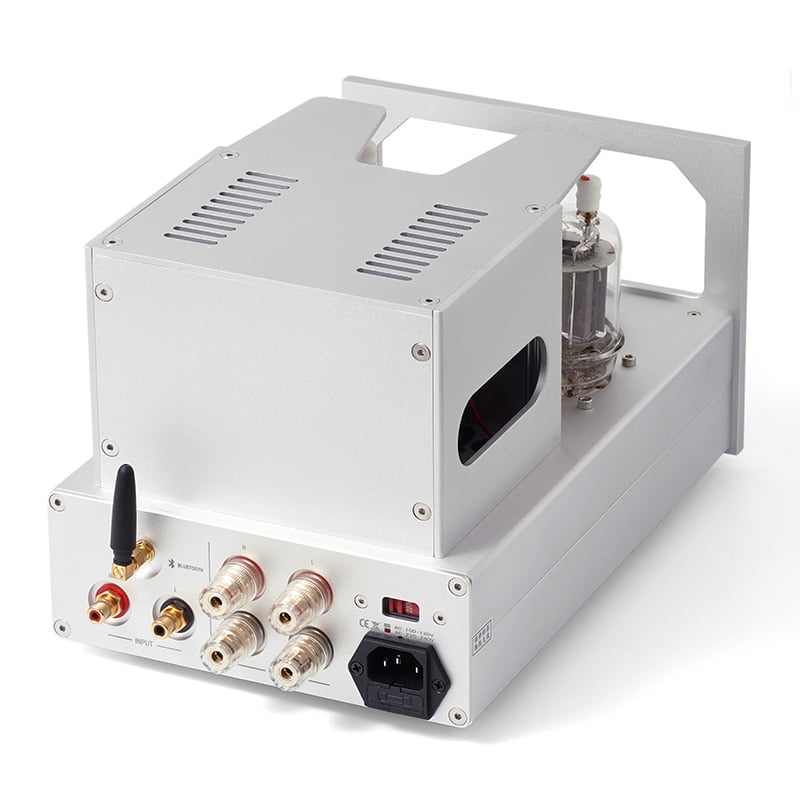
A tube amplifier has fascinated audiophiles and music professionals for decades, and the reason is straightforward: it produces a sound that feels alive, warm, and remarkably natural. Unlike its solid-state counterparts, a tube amplifier interacts with audio signals in a way that mirrors how human ears interpret music in a real acoustic space. Understanding why this happens requires looking at the physical and electrical principles that define how a tube amplifier operates.

The tonal character of a tube amplifier is not simply a matter of nostalgia or preference. It is rooted in measurable acoustic behavior that distinguishes a tube amplifier from digital or transistor-based systems. Every time a tube amplifier processes a musical signal, it generates a specific pattern of harmonics that listeners consistently describe as musical, smooth, and immersive. This article explains the core reasons why a tube amplifier creates that distinctive warm and natural sound performance that so many listeners seek.
The Role of Harmonic Distortion in a Tube Amplifier
Even-Order Harmonics and the Human Ear
One of the most important reasons a tube amplifier sounds warm is related to how it distorts audio signals. Every amplifier introduces some level of distortion, but the type of distortion matters enormously. A tube amplifier predominantly generates even-order harmonics, specifically the second and fourth harmonics. These harmonics are octave-related multiples of the original signal frequency, meaning they are musically consonant with the source tone. The human auditory system is naturally conditioned to perceive even-order harmonics as pleasant and warm because they occur abundantly in acoustic instruments and the human voice.
Solid-state amplifiers, by contrast, tend to produce odd-order harmonics when they clip or compress. Odd-order harmonics, such as the third and fifth, are not octave-related and can sound harsh or grating to the ear. This fundamental difference in harmonic structure is a primary reason why a tube amplifier is perceived as more natural and forgiving, especially at higher listening volumes. The tube amplifier essentially adds color to the music in a way that complements rather than conflicts with natural acoustic physics.
Soft Clipping Behavior in a Tube Amplifier
A tube amplifier also handles signal clipping very differently from solid-state designs. When a tube amplifier is driven beyond its rated capacity, the signal clips gradually and softly rather than cutting off abruptly. This soft clipping behavior means that the transition from clean to compressed audio is smooth, and the resulting harmonic content remains musically tolerable. Listeners often describe this quality as the tube amplifier sounding 'forgiving' or 'musical' even when pushed hard. This characteristic is especially valuable in live listening environments where transient peaks occur frequently and unpredictably.
Circuit Architecture and Signal Path in a Tube Amplifier
Output Transformers and Frequency Response Shaping
The circuit architecture of a tube amplifier plays a decisive role in shaping its sonic character. A tube amplifier requires an output transformer to match the high impedance of the vacuum tube to the lower impedance of a speaker. This transformer, while sometimes criticized for limiting extended bandwidth, actually contributes to the warm tonal quality of a tube amplifier by introducing a gentle roll-off at the extreme frequency ranges. The result is a midrange emphasis that makes voices and instruments sound fuller and more present. The tube amplifier output transformer essentially acts as a natural frequency-shaping element that aligns the sound output with the frequency range most sensitive to human hearing.
In high-quality designs, the tube amplifier output transformer is engineered with precision to minimize phase distortion and frequency coloration while preserving the natural harmonic warmth. When a tube amplifier is built with well-matched transformers and carefully selected output tubes such as 300B triodes, the resulting sound signature achieves an exceptional balance of clarity and depth. Audiophile-grade tube amplifier designs often use Class A biasing to ensure that the output tubes operate continuously, which further reduces crossover distortion and reinforces the smooth, coherent sound profile.
Low Negative Feedback and Natural Dynamics
A tube amplifier typically operates with lower levels of negative feedback compared to solid-state designs. Negative feedback is a technique where a portion of the output signal is fed back into the input to reduce distortion and flatten frequency response. While effective at cleaning up measurements, high negative feedback can strip away some of the dynamic texture and tonal nuance that makes music engaging. A tube amplifier uses minimal feedback, which preserves the micro-dynamics and natural variations that characterize live acoustic performances. This approach allows a tube amplifier to breathe and respond to the music in a more organic and expressive way, contributing directly to the sense of warmth and realism that listeners experience.
Listening Experience Delivered by a Tube Amplifier
Soundstage and Spatial Imaging
Beyond measurable distortion characteristics, a tube amplifier delivers a listening experience that is spatially rich and immersive. The harmonic bloom created by a tube amplifier adds a sense of depth and dimensionality to stereo recordings that many listeners associate with sitting in front of a live performance. Instruments appear to occupy distinct positions within the soundstage, and the sense of acoustic space around each sound source is more evident compared to many solid-state alternatives. This spatial quality is a product of the way a tube amplifier handles phase relationships and intermodulation distortion at low levels, creating a coherent and believable stereo image.
Long-Listening Fatigue and Tonal Balance
Another practical advantage of a tube amplifier is its resistance to listening fatigue. Audiophiles who spend extended hours with music regularly report that a tube amplifier allows for comfortable, fatigue-free listening sessions that solid-state amplifiers sometimes cannot match. The reason is connected to the smooth harmonic structure and the natural dynamic response of a tube amplifier. Harsh high-frequency transients are softened, and the overall tonal balance leans toward a musical and relaxed presentation. For home hi-fi environments and dedicated listening rooms, a tube amplifier offers an experience that supports extended engagement with music without discomfort. The combination of warm harmonics, spatial depth, and dynamic expressiveness makes a tube amplifier the preferred choice for serious music lovers who value natural audio reproduction above all else.
FAQ
Why does a tube amplifier sound warmer than a solid-state amplifier?
A tube amplifier generates predominantly even-order harmonics, which are musically consonant and perceived as warm by the human ear. Solid-state amplifiers tend to produce odd-order harmonics that can sound harsher. This harmonic difference is the primary reason a tube amplifier is consistently described as warmer and more natural in sound quality.
Does a tube amplifier require special maintenance to preserve its sound quality?
Yes, a tube amplifier requires periodic tube replacement as vacuum tubes have a finite lifespan, typically ranging from a few thousand to over ten thousand hours depending on the tube type and operating conditions. Proper biasing and occasional inspection of the output transformer and capacitors help maintain the full sonic performance of a tube amplifier over time.
Is a tube amplifier suitable for all types of music genres?
A tube amplifier performs exceptionally well across a wide range of music genres, particularly with acoustic, jazz, classical, and vocal music where its natural harmonic warmth and soundstage depth are most evident. For genres requiring very tight and controlled bass response, careful speaker matching is recommended to ensure the tube amplifier delivers its best performance across the full frequency range.