
 EN
EN
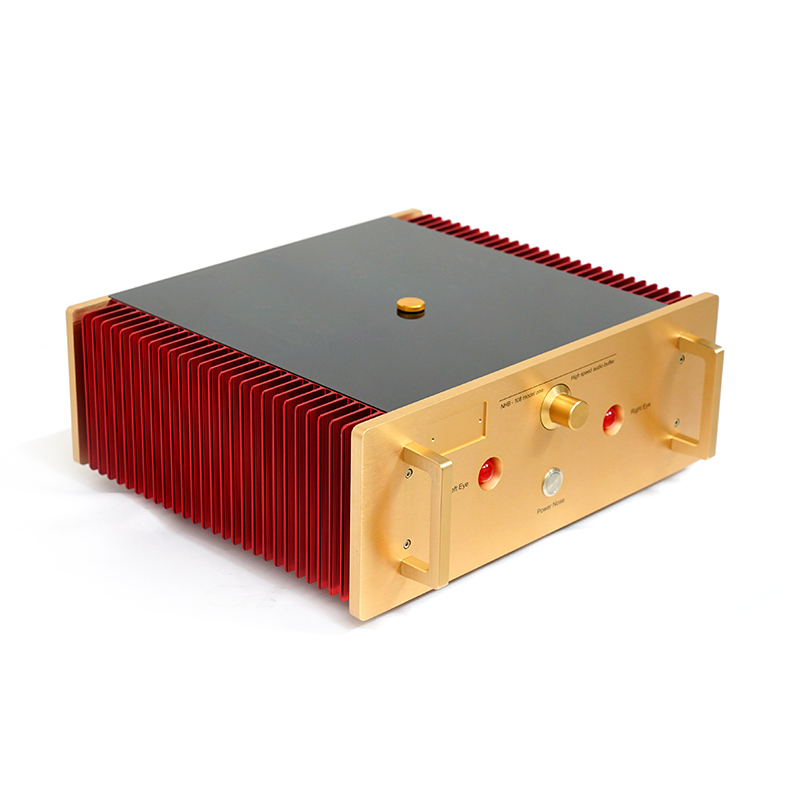
Purchasing a class ab amplifier in bulk is a significant procurement commitment, and the stakes are considerably higher than buying a single unit for personal use. Whether you are sourcing for a retail chain, an installation business, or a large audio project, every class ab amplifier you select will reflect directly on your brand reputation and customer satisfaction. Getting your evaluation criteria right before placing a bulk order is not just good practice — it is essential for protecting your investment and ensuring long-term operational reliability.
A class ab amplifier combines the efficiency characteristics of Class B designs with the low-distortion qualities of Class A operation, making each class ab amplifier a popular choice across home audio, commercial installations, and professional sound systems. However, not every class ab amplifier on the market is built to the same standard. When you scale up to bulk procurement, inconsistencies in quality, component sourcing, or thermal management can turn a seemingly attractive deal into a costly operational problem. This guide walks you through the most important checks to make before committing to a bulk purchase of any class ab amplifier.
Technical Specifications That Define a Class AB Amplifier
Power Output and THD Ratings
The first technical measure to evaluate in any class ab amplifier is its rated power output, typically expressed in watts per channel at a defined impedance load. A reliable class ab amplifier should maintain consistent power delivery at both 4-ohm and 8-ohm loads, and the manufacturer should provide clear documentation for both scenarios. When buying in bulk, request verified test data rather than relying on marketing sheet numbers alone. Each class ab amplifier must perform predictably under real operating conditions, not just in controlled lab environments.
Total harmonic distortion, or THD, is another critical figure for any class ab amplifier intended for audiophile or professional-grade applications. A well-engineered class ab amplifier should offer THD figures below 0.1% at rated power, and ideally lower for high-fidelity use cases. In bulk procurement, verify that the THD specification applies consistently across the production run and is not only achievable on cherry-picked samples. Inconsistent THD performance across a batch of class ab amplifier units signals poor quality control and unreliable component sourcing.
Signal-to-Noise Ratio and Frequency Response
Signal-to-noise ratio determines how cleanly each class ab amplifier separates useful audio signal from background noise, which is especially important in quiet listening environments or studio applications. A class ab amplifier with a signal-to-noise ratio below 90 dB may introduce audible hiss in sensitive speaker systems. For bulk use across varied installations, you need every class ab amplifier in your order to meet a consistent SNR threshold. Frequency response bandwidth also deserves scrutiny — a class ab amplifier that rolls off early at high or low frequencies will fail in full-range audio applications and generate customer complaints quickly.
Build Quality and Component Reliability
Thermal Management and Heat Dissipation
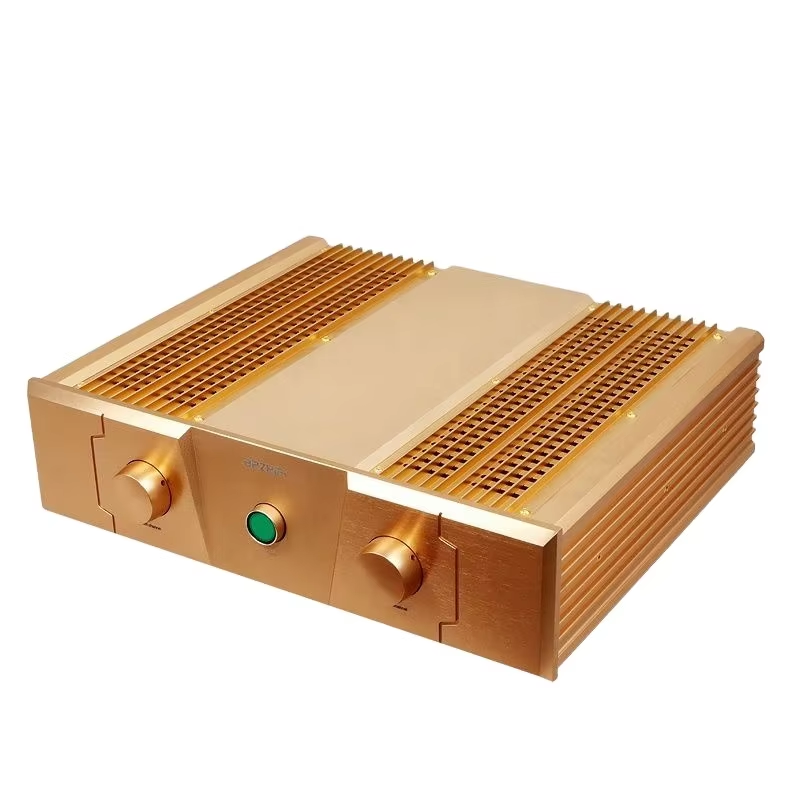
Thermal performance is one of the most overlooked aspects when evaluating a class ab amplifier for bulk purchase. Because a class ab amplifier generates more heat than Class D designs, effective heat dissipation through aluminum heatsinks or active cooling is non-negotiable for long-term reliability. Inspect the heatsink design closely on sample units and ask whether each class ab amplifier includes thermal protection circuitry that shuts the unit down before damage occurs. In bulk deployments, a class ab amplifier without proper thermal safeguards will fail prematurely in warm environments or during extended operation, leading to high return rates and service costs.
Internal Components and PCB Construction
The internal quality of a class ab amplifier is a strong predictor of its service life. Look for a class ab amplifier that uses name-grade capacitors, precision resistors, and robust output transistors rather than low-cost substitutions. Request a sample unit for teardown inspection before approving a bulk order of any class ab amplifier, and check for clean solder joints, proper component spacing, and solid PCB layout. A class ab amplifier built on a well-designed PCB will resist interference, maintain signal integrity, and hold up better during shipping and installation. Chassis rigidity and connector quality also matter — loose RCA sockets or flimsy binding posts on a class ab amplifier create customer service issues at scale.
Supplier Evaluation for Bulk Class AB Amplifier Orders
Production Consistency and Quality Control
Even when a single sample class ab amplifier performs well, you need to confirm that the supplier can maintain that same standard across hundreds or thousands of units. Ask suppliers for evidence of quality management systems, such as ISO certification or documented inspection protocols for every class ab amplifier leaving their facility. Request batch sample testing reports that show performance data spread across multiple production runs. A supplier who cannot provide traceable quality records for each class ab amplifier batch is a significant procurement risk for bulk buyers. Production consistency for a class ab amplifier involves tight component sourcing discipline, calibrated assembly processes, and final output verification for every unit.
Warranty Terms and After-Sales Support
Warranty coverage is a direct reflection of how confident a supplier is in their own class ab amplifier design and build quality. Before committing to a bulk order, clarify the exact warranty period for each class ab amplifier, what defects are covered, and how replacement or repair logistics work across international shipments. A class ab amplifier supplier offering less than one year of warranty coverage on bulk orders should prompt careful additional scrutiny. Also evaluate how responsive the supplier's technical support team is when you raise questions about the class ab amplifier specifications, since post-sale responsiveness is equally important as the product itself in bulk procurement relationships.
FAQ
What power output should I expect from a class ab amplifier for home audio use?
A class ab amplifier for home audio typically delivers between 50W and 200W per channel depending on design and transformer capacity. For most residential listening environments, a class ab amplifier rated at 80W to 150W per channel at 8 ohms provides more than adequate headroom. When buying in bulk for home audio distribution, confirm that each class ab amplifier maintains stable power delivery without significant clipping at moderate to high listening volumes.
How do I verify that a class ab amplifier batch meets consistent quality standards?
To verify batch consistency for a class ab amplifier bulk order, request production test reports covering key parameters like THD, SNR, and power output for at least five to ten units from the intended production run. Conducting your own independent testing on a representative sample of each class ab amplifier batch before full shipment acceptance is also strongly recommended. Establishing these verification steps as contractual requirements protects you if a class ab amplifier delivery does not meet agreed specifications.
Is a class ab amplifier suitable for both home and commercial installation use?
Yes, a class ab amplifier is widely used in both home audio systems and commercial audio installations due to its balance of sound quality and power efficiency. In commercial settings, a class ab amplifier with robust thermal management and durable construction can handle the extended operational hours typical of retail, hospitality, or event spaces. For bulk procurement spanning multiple use cases, select a class ab amplifier model that meets the most demanding environment in your deployment mix, ensuring that every installation performs reliably from day one.