
 EN
EN
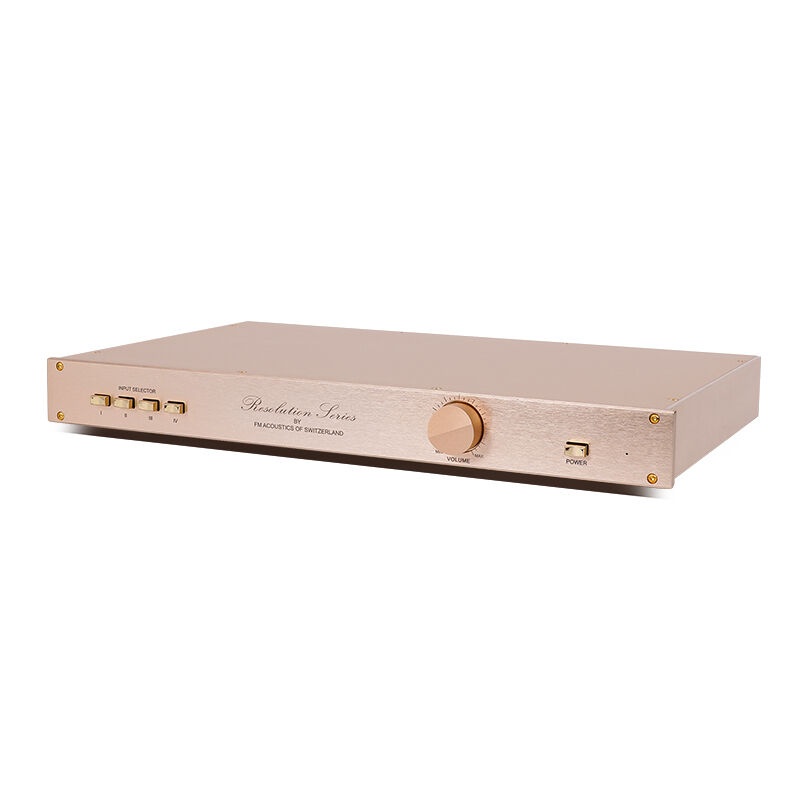
The world of high-fidelity audio presents enthusiasts with a fundamental choice between integrated systems and individual components. While integrated systems offer convenience and simplicity, many serious audiophiles gravitate toward hifi separates for their superior performance potential and customization flexibility. This preference stems from decades of audio engineering evolution and the pursuit of the most accurate sound reproduction possible. Understanding why audiophiles choose separate components over all-in-one solutions reveals the technical advantages and philosophical approach that drives high-end audio culture.
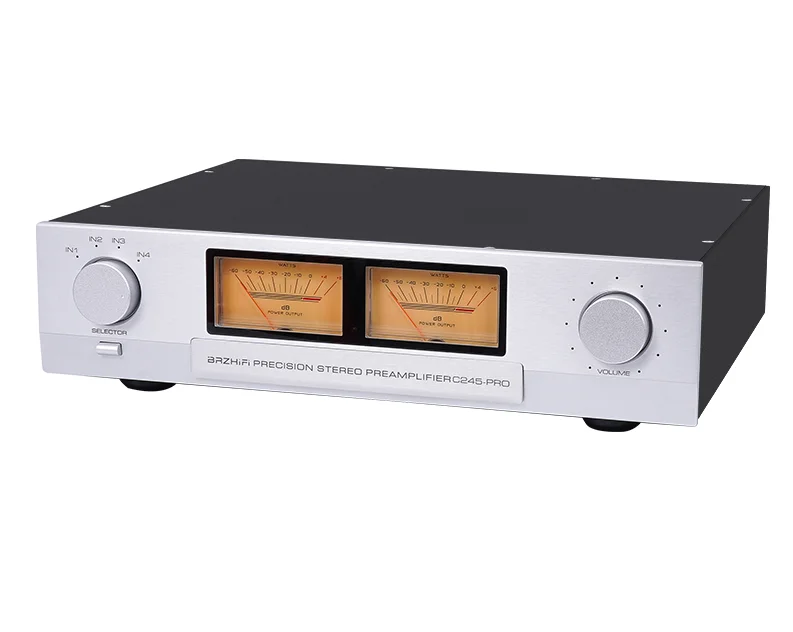
The distinction between integrated and separate audio systems represents more than just equipment choices—it reflects different approaches to achieving musical excellence. Integrated systems combine multiple functions into single units, while hifi separates dedicate each component to a specific task within the audio chain. This separation allows for optimized design, reduced interference, and the ability to upgrade individual components as technology advances or personal preferences evolve.
Superior Sound Quality Through Component Specialization
Dedicated Circuit Design Advantages
When manufacturers design hifi separates, they can focus entirely on optimizing each component for its specific function. A dedicated preamplifier, for example, can be engineered exclusively for signal processing and volume control without compromising space or resources for power amplification circuits. This specialization allows for superior component selection, optimal circuit layouts, and reduced electromagnetic interference that commonly affects integrated designs.
The physical separation of components also eliminates crosstalk between different circuit sections. In integrated systems, the proximity of power amplification circuits to sensitive preamplification stages can introduce noise and distortion. Hifi separates physically isolate these functions, maintaining signal purity throughout the audio chain. This isolation becomes particularly important when dealing with high-gain circuits and low-level signals that require pristine amplification.
Power Supply Optimization
Each component in a hifi separates system can utilize a power supply specifically designed for its requirements. Power amplifiers demand substantial current delivery capabilities, while preamplifiers benefit from ultra-low noise supplies with excellent regulation. When these functions share a common power supply in integrated systems, compromises become inevitable. Separate components allow engineers to optimize power delivery for each application, resulting in improved dynamic range and reduced noise floors.
Advanced hifi separates often incorporate multiple regulated power supplies within single components, further isolating different circuit sections. This attention to power supply design directly translates to improved sonic performance, with better bass control, cleaner midrange reproduction, and enhanced detail retrieval. The investment in sophisticated power supply design becomes economically viable when spread across dedicated components rather than compromised within integrated solutions.
Flexibility and Customization Benefits
Mix and Match Component Philosophy
The modular nature of hifi separates enables audiophiles to create systems tailored to their specific preferences and requirements. Different manufacturers excel in various areas—one company might produce exceptional digital-to-analog converters while another specializes in tube preamplifiers. This flexibility allows enthusiasts to combine the best components from multiple manufacturers, creating synergistic systems that exceed the performance of any single integrated solution.
Component matching becomes an art form with separate systems, where audiophiles can fine-tune impedance matching, gain structures, and sonic characteristics. A bright-sounding source can be balanced with a warm preamplifier, while efficient speakers might pair better with low-powered tube amplifiers. This level of customization proves impossible with integrated systems, where all characteristics are predetermined by the manufacturer's design choices.
Upgrade Path Advantages
Perhaps the most compelling long-term advantage of hifi separates lies in their upgrade potential. As technology advances or listening preferences evolve, individual components can be replaced without discarding the entire system. An audiophile might begin with a modest separate system and gradually upgrade each component over time, spreading costs across multiple years while continuously improving system performance.
This upgrade philosophy also allows for experimentation with different technologies and brands. Solid-state components can be swapped for tube alternatives, or digital sources can be upgraded to take advantage of newer conversion technologies. The ability to evolve systems incrementally makes hifi separates more economically viable in the long term, despite higher initial investment requirements.
Technical Performance Advantages
Thermal Management Benefits
Heat generation poses significant challenges in audio equipment design, affecting both component longevity and sonic performance. Hifi separates distribute heat generation across multiple chassis, preventing the thermal buildup common in integrated systems. Power amplifiers, which generate substantial heat during operation, can be housed in well-ventilated chassis without affecting sensitive preamplification circuits that perform best at stable temperatures.
Proper thermal management extends component lifespan and maintains consistent performance over extended listening sessions. Many high-end separate components incorporate sophisticated cooling systems, including heatsink designs and ventilation strategies that would be impractical in space-constrained integrated units. This attention to thermal management contributes to the legendary reliability and longevity associated with quality separate components.
Reduced Electromagnetic Interference
The physical separation inherent in hifi separates systems dramatically reduces electromagnetic interference between components. Digital circuits, switching power supplies, and high-current amplification stages all generate electromagnetic fields that can interfere with sensitive analog circuits. By housing these functions in separate chassis, manufacturers can implement comprehensive shielding strategies and maintain adequate physical spacing to minimize interference.
This interference reduction becomes particularly important in modern systems incorporating digital sources and processing. The high-frequency switching noise generated by digital circuits can contaminate analog signal paths in integrated designs. Separate components allow for dedicated analog and digital sections with appropriate isolation, preserving the integrity of both signal domains throughout the reproduction chain.
Economic and Practical Considerations
Long-term Value Proposition
While hifi separates typically require higher initial investment compared to integrated alternatives, their long-term value proposition often proves superior. The ability to upgrade individual components means that improvements can be made gradually, spreading costs over time. Additionally, quality separate components tend to retain their value better than integrated systems, making them more attractive for resale or trade-in scenarios.
The modular nature of separate systems also provides protection against technological obsolescence. When new digital formats emerge or connection standards evolve, only the relevant components need replacement rather than entire systems. This selective upgrading approach reduces waste and maximizes the useful life of audio investments.
Maintenance and Serviceability
Separate components offer significant advantages when maintenance or repair becomes necessary. Individual components can be serviced without affecting system operation, allowing continued music enjoyment while repairs proceed. This serviceability extends to routine maintenance tasks like tube replacement, capacitor updates, or calibration procedures that are more easily accomplished on dedicated components.
The specialized nature of separate components also means that manufacturers can focus on providing excellent support for specific product lines. Service documentation, replacement parts availability, and technical support often exceed what is practical for complex integrated systems with multiple subsections requiring different expertise areas.
FAQ
What are the main disadvantages of hifi separates compared to integrated systems?
The primary disadvantages include higher initial cost, increased complexity in setup and operation, more rack space requirements, and additional interconnect cables that may introduce signal degradation if not properly selected. Separate systems also require more time to research and configure optimally, making them less appealing to casual listeners who prefer simple plug-and-play solutions.
How do hifi separates affect system synergy and component matching?
Component synergy becomes crucial with separate systems, as mismatched impedances, gain structures, or sonic characteristics can result in suboptimal performance. Successful separate systems require careful attention to manufacturer recommendations, professional consultation, or extensive listening tests to ensure components work well together. This matching process can be time-consuming but ultimately allows for more precise system tuning than integrated alternatives.
Are there situations where integrated systems might outperform hifi separates?
Integrated systems can outperform separates in scenarios involving space constraints, budget limitations, or when designed by manufacturers with exceptional expertise in system integration. Some high-end integrated amplifiers incorporate advanced circuit designs and component quality that rival separate alternatives while eliminating interconnect and matching variables. For many listeners, well-designed integrated systems provide excellent performance without the complexity of separate components.
What should beginners know before investing in hifi separates?
Beginners should start with a clear understanding of their listening preferences, budget constraints, and upgrade timeline. Research into component compatibility, room acoustics, and system synergy proves essential before making purchases. Starting with quality integrated systems and gradually transitioning to separates often provides valuable learning experience while building appreciation for the performance differences that justify the additional complexity and investment required for separate component systems.