
 EN
EN
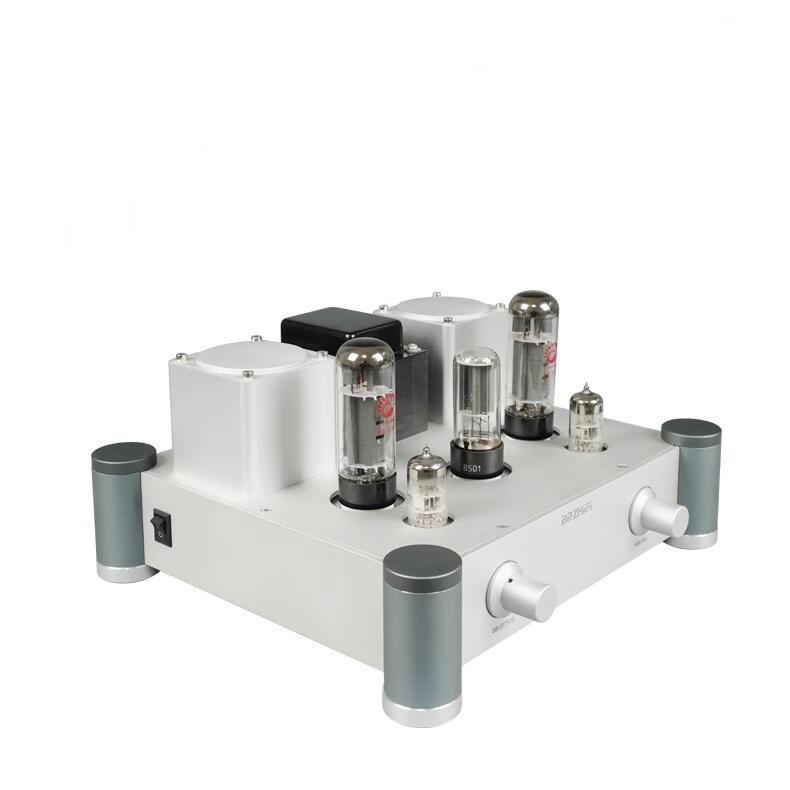
The pursuit of exceptional audio quality leads many music enthusiasts to explore the world of high-fidelity sound systems. At the heart of any superior audio setup lies a crucial component that can transform an ordinary listening session into an extraordinary sonic journey. Understanding how the right amplification technology influences sound reproduction helps audiophiles make informed decisions when building their dream audio systems. The best hifi amplifier serves as the foundation for achieving remarkable audio fidelity across all frequency ranges.
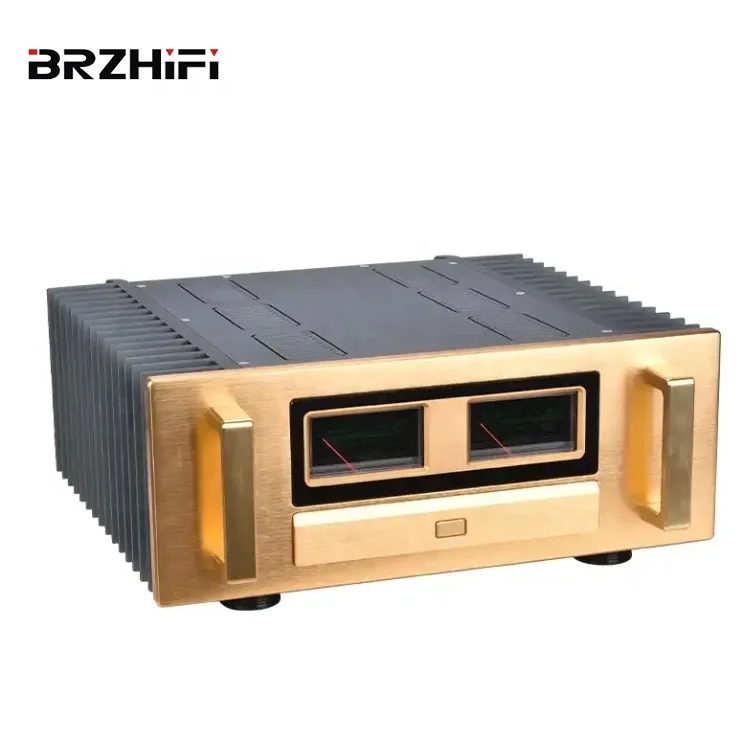
Modern audio enthusiasts demand precise sound reproduction that faithfully represents the original recording intentions. The amplification stage plays a pivotal role in determining whether subtle musical nuances reach the listener's ears with clarity and accuracy. Professional audio engineers recognize that amplifier selection significantly impacts the overall sonic character of any playback system. Contemporary amplifier designs incorporate advanced circuit topologies that minimize distortion while maximizing dynamic range capabilities.
Understanding Amplifier Classifications and Technologies
Class A Amplification Benefits
Class A amplifier designs represent the pinnacle of linear amplification technology, offering uncompromised sound quality for discerning listeners. These circuits maintain constant bias current flow throughout the entire signal cycle, eliminating crossover distortion that can plague other amplifier topologies. The best hifi amplifier implementations utilizing Class A operation deliver exceptional linearity across the entire audio spectrum. This design approach ensures that delicate musical passages receive the same careful amplification as dynamic crescendos.
The thermal characteristics of Class A operation require sophisticated heat management systems to maintain optimal performance levels. Professional-grade amplifiers incorporate robust cooling solutions that preserve component longevity while sustaining peak performance during extended listening sessions. Advanced thermal design considerations enable these amplifiers to operate within safe temperature ranges even under demanding conditions. The resulting sound quality demonstrates remarkable consistency regardless of ambient conditions or usage patterns.
Field Effect Transistor Advantages
Field Effect Transistor technology offers unique advantages in high-fidelity amplifier applications, particularly regarding input impedance characteristics and signal handling capabilities. These semiconductor devices exhibit minimal input loading effects, preserving the integrity of source signals throughout the amplification process. The best hifi amplifier designs leverage FET technology to achieve superior signal-to-noise ratios while maintaining exceptional frequency response linearity. Modern FET implementations demonstrate remarkable stability across varying load conditions and temperature fluctuations.
The voltage-controlled nature of FET operation provides inherent advantages in terms of input sensitivity and dynamic range handling. Professional audio applications benefit from the high input impedance characteristics that minimize source loading effects. These attributes contribute to improved system compatibility across diverse source equipment configurations. The resulting audio performance showcases enhanced detail retrieval and spatial imaging capabilities that define premium audio reproduction.
Power Management and Dynamic Range Considerations
Optimal Power Rating Selection
Determining appropriate power ratings requires careful consideration of speaker sensitivity specifications, room acoustics, and desired listening levels. The best hifi amplifier selection process involves matching amplifier capabilities with loudspeaker requirements to achieve optimal system synergy. Inadequate power reserves can lead to dynamic compression during peak passages, while excessive power ratings may compromise low-level detail retrieval. Professional system designers emphasize the importance of balanced power allocation across the entire audio chain.
Contemporary amplifier designs incorporate sophisticated power management systems that optimize energy delivery based on instantaneous signal demands. These intelligent circuits adjust bias levels and operating parameters to maintain optimal performance while minimizing power consumption during quiet passages. The resulting efficiency improvements enable extended listening sessions without compromising sound quality or component reliability. Advanced protection circuits safeguard both amplifier and loudspeaker investments against potentially damaging operating conditions.
Signal Path Optimization
The signal path from input to output determines the ultimate fidelity potential of any amplification system. The best hifi amplifier designs minimize signal degradation through careful component selection and circuit layout optimization. High-quality capacitors, precision resistors, and low-noise semiconductors contribute to exceptional signal integrity throughout the amplification process. Professional-grade construction techniques ensure consistent performance across production units.
Advanced circuit topologies incorporate feedback mechanisms that correct for non-linearities while preserving musical naturalness. These sophisticated control systems monitor output conditions and adjust operating parameters to maintain optimal performance levels. The implementation of multiple feedback loops enables precise control over frequency response, distortion characteristics, and transient behavior. The resulting audio quality demonstrates remarkable accuracy in reproducing complex musical passages.
Room Integration and System Synergy
Acoustic Environment Considerations
The interaction between amplifier characteristics and room acoustics significantly influences the perceived sound quality of any audio system. The best hifi amplifier selection must account for room dimensions, surface materials, and furniture placement to achieve optimal results. Different amplifier topologies respond differently to varying acoustic environments and loudspeaker load characteristics. Professional acoustic consultants emphasize the importance of system matching for achieving exceptional performance levels.
Contemporary amplifier designs incorporate adjustable parameters that enable fine-tuning for specific acoustic environments. These adaptability features allow users to optimize performance for their particular listening spaces without requiring extensive acoustic treatments. Advanced control systems provide precise adjustment capabilities for frequency response, damping factor, and output impedance characteristics. The resulting flexibility enables optimal performance across diverse installation scenarios.
Source Component Compatibility
Achieving exceptional system performance requires careful attention to compatibility between source components and amplification stages. The best hifi amplifier designs accommodate diverse input signal formats while maintaining consistent performance characteristics. Different source components exhibit varying output impedances and signal levels that can influence amplifier performance. Professional system designers recommend comprehensive compatibility testing to ensure optimal system synergy.
Modern amplifier input stages incorporate sophisticated buffering circuits that isolate source components from loading effects while preserving signal integrity. These advanced designs enable compatibility with both vintage and contemporary source equipment without compromising performance. The implementation of multiple input options provides flexibility for complex system configurations. The resulting versatility accommodates evolving system requirements and component upgrades.
Performance Measurement and Evaluation Criteria
Technical Specifications Analysis
Understanding amplifier specifications enables informed purchasing decisions based on objective performance criteria rather than marketing claims alone. The best hifi amplifier evaluation requires comprehensive analysis of frequency response, distortion characteristics, and dynamic range capabilities. Professional audio measurements provide insight into amplifier behavior under various operating conditions and load scenarios. These objective assessments complement subjective listening evaluations to provide complete performance pictures.
Contemporary measurement techniques employ sophisticated test equipment that reveals subtle performance characteristics invisible to traditional measurement methods. Advanced analyzers can detect low-level distortions and noise components that influence subjective sound quality perceptions. The correlation between measured performance and subjective impressions helps establish meaningful evaluation criteria. Professional reviewers utilize both objective measurements and subjective assessments to provide comprehensive amplifier evaluations.
Listening Test Methodologies
Structured listening tests provide valuable insights into amplifier performance characteristics that complement technical measurements. The best hifi amplifier evaluation incorporates controlled comparison methodologies that eliminate bias effects while revealing subtle performance differences. Professional listening test protocols ensure consistent evaluation conditions across multiple test sessions. These systematic approaches enable reliable performance assessments that guide purchasing decisions.
Contemporary listening evaluation techniques emphasize the importance of familiar reference recordings that showcase various musical genres and recording techniques. Diverse program material reveals amplifier behavior across different signal types and dynamic ranges. The selection of appropriate reference tracks enables comprehensive performance assessment under realistic listening conditions. Professional audio consultants recommend extended evaluation periods to fully appreciate amplifier characteristics across various musical styles.
Maintenance and Longevity Considerations
Component Reliability Factors
The longevity of high-performance amplifiers depends significantly on component quality, thermal management, and operating conditions. The best hifi amplifier designs incorporate premium components rated for extended service life under demanding conditions. Professional-grade construction techniques ensure consistent performance throughout the amplifier's operational lifespan. Quality control procedures during manufacturing verify that performance specifications remain stable across production runs.
Contemporary amplifier designs emphasize preventive maintenance accessibility through thoughtful mechanical design and component layout. Serviceable components remain accessible for routine maintenance without requiring extensive disassembly procedures. Advanced diagnostic systems monitor critical operating parameters and provide early warning of potential component failures. The implementation of comprehensive protection circuits safeguards valuable components against damage from external factors.
Environmental Operating Requirements
Optimal amplifier performance requires attention to environmental factors including temperature, humidity, and vibration levels. The best hifi amplifier installations incorporate adequate ventilation and climate control to maintain stable operating conditions. Professional installations consider long-term environmental effects on component reliability and performance stability. Proper installation practices ensure maximum service life while preserving original performance characteristics.
Modern amplifier designs incorporate sophisticated monitoring systems that track environmental conditions and adjust operating parameters accordingly. These intelligent systems optimize performance while protecting components from potentially damaging conditions. Advanced cooling systems maintain optimal operating temperatures even under demanding usage patterns. The resulting reliability improvements enable worry-free enjoyment of premium audio systems for extended periods.
FAQ
What makes Class A amplifiers superior for high-fidelity audio applications
Class A amplifiers maintain constant bias current throughout the entire signal cycle, eliminating crossover distortion that can compromise sound quality in other amplifier designs. The best hifi amplifier implementations using Class A topology deliver exceptional linearity and low distortion across the complete audio spectrum. This design approach ensures consistent amplification quality for both delicate musical passages and dynamic crescendos, resulting in superior overall listening experiences.
How do Field Effect Transistors improve amplifier performance compared to traditional bipolar designs
Field Effect Transistors offer superior input impedance characteristics and reduced signal loading effects compared to bipolar transistor designs. The voltage-controlled operation of FET devices provides excellent signal handling capabilities while maintaining exceptional frequency response linearity. The best hifi amplifier designs utilizing FET technology achieve superior signal-to-noise ratios and demonstrate remarkable stability across varying load conditions and temperature fluctuations.
What power rating considerations are most important when selecting a high-fidelity amplifier
Amplifier power rating selection requires matching amplifier capabilities with speaker sensitivity specifications, room acoustics, and desired listening levels. The best hifi amplifier choice involves balancing adequate power reserves for dynamic passages while avoiding excessive ratings that might compromise low-level detail retrieval. Professional system designers emphasize the importance of considering peak power requirements rather than average listening levels when determining optimal power ratings.
How do room acoustics influence amplifier selection and performance optimization
Room dimensions, surface materials, and furniture placement significantly influence how amplifier characteristics interact with the listening environment. The best hifi amplifier selection must account for acoustic properties of the listening space to achieve optimal system synergy. Different amplifier topologies respond differently to varying room acoustics and loudspeaker load characteristics, making careful system matching essential for exceptional performance levels.
Table of Contents
- Understanding Amplifier Classifications and Technologies
- Power Management and Dynamic Range Considerations
- Room Integration and System Synergy
- Performance Measurement and Evaluation Criteria
- Maintenance and Longevity Considerations
-
FAQ
- What makes Class A amplifiers superior for high-fidelity audio applications
- How do Field Effect Transistors improve amplifier performance compared to traditional bipolar designs
- What power rating considerations are most important when selecting a high-fidelity amplifier
- How do room acoustics influence amplifier selection and performance optimization