
 EN
EN
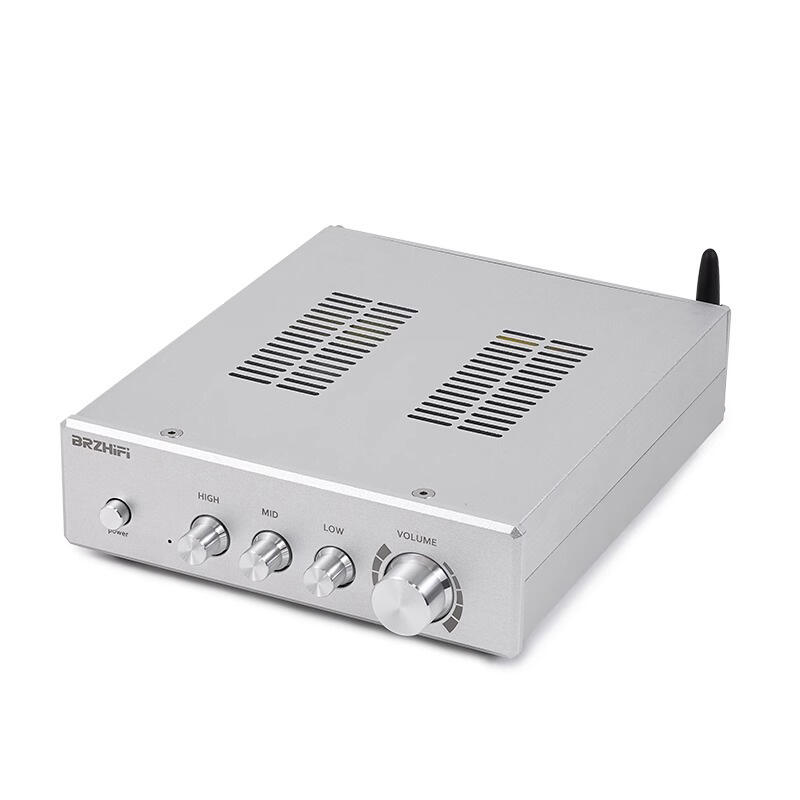
The pursuit of perfect sound reproduction has driven audio enthusiasts to seek the highest quality equipment available, with the audiophile stereo amplifier standing as the cornerstone of any serious listening setup. These precision-engineered devices transform electrical signals into pure, uncolored sound that reveals every nuance of recorded music. Unlike standard consumer amplifiers, an audiophile stereo amplifier prioritizes sonic accuracy over convenience features, delivering the transparent sound quality that discerning listeners demand.
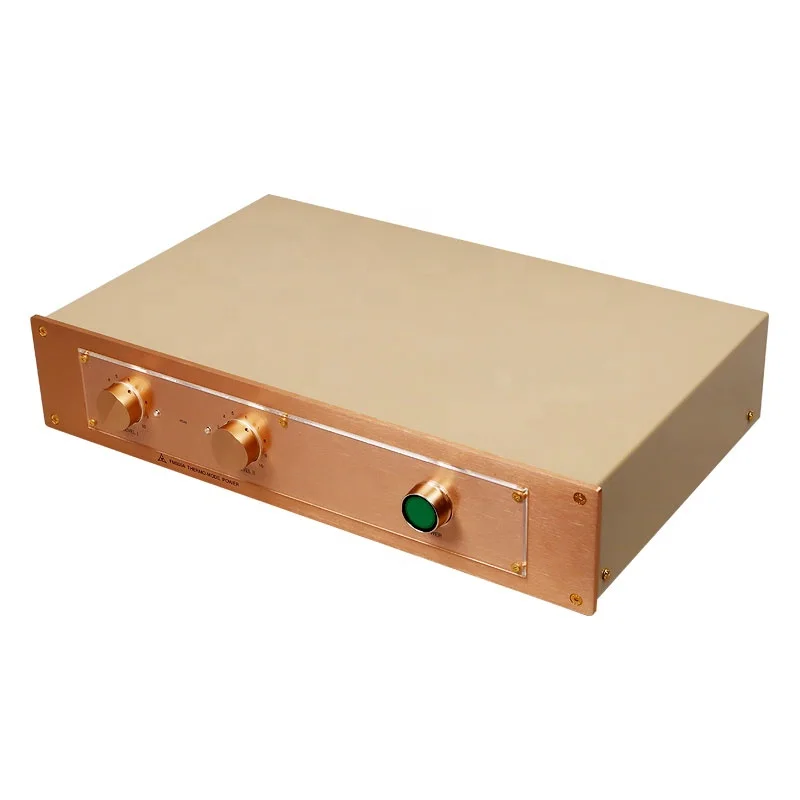
The Science Behind Superior Sound Quality
Circuit Design Philosophy
The foundation of any exceptional audiophile stereo amplifier lies in its circuit topology and component selection. Engineers designing these amplifiers focus on minimizing distortion while maximizing signal clarity through carefully chosen topologies such as Class A, Class AB, or hybrid designs. The power supply section receives particular attention, often featuring oversized transformers and extensive filtering to ensure clean, stable power delivery to the amplification stages.
Premium components throughout the signal path contribute significantly to the overall performance of an audiophile stereo amplifier. High-grade capacitors, precision resistors, and carefully matched transistors or tubes work in harmony to preserve the integrity of the audio signal. These components are often hand-selected and matched to ensure consistent performance between channels, creating the stereo imaging that audiophiles prize.
Power Delivery and Control
Power output specifications tell only part of the story when evaluating an audiophile stereo amplifier. The ability to deliver clean, distortion-free power across the entire frequency spectrum while maintaining tight control over loudspeaker drivers is paramount. This control translates to better bass response, cleaner midrange reproduction, and extended high-frequency detail that brings recordings to life.
The current delivery capability of an audiophile stereo amplifier often exceeds what power ratings might suggest. This high current capability ensures that complex musical passages with sudden dynamic peaks are reproduced without compression or strain. The result is a more natural, effortless sound that maintains its composure even at high listening levels.
Design Elements That Define Excellence
Build Quality and Construction
Physical construction plays a crucial role in the performance of an audiophile stereo amplifier. Heavy-duty chassis construction minimizes vibration and electromagnetic interference that could compromise sound quality. Internal layout follows strict guidelines to separate power supplies from sensitive signal circuits, preventing unwanted interactions that could introduce noise or distortion.
The thermal management system in a quality audiophile stereo amplifier ensures consistent performance during extended listening sessions. Properly sized heat sinks, adequate ventilation, and sometimes even fan cooling maintain optimal operating temperatures. This thermal stability prevents performance degradation and extends component life, maintaining the amplifier's sonic character over years of use.
Signal Path Optimization
Every connection and component in the signal path of an audiophile stereo amplifier receives careful attention during the design phase. Shortest possible signal paths minimize potential degradation, while high-quality input and output connectors ensure reliable connections to source components and loudspeakers. Some designs eliminate unnecessary switching or tone controls entirely to maintain signal purity.
Advanced audiophile stereo amplifier designs often incorporate balanced input stages to reject common-mode noise and interference. This differential topology provides superior noise rejection compared to single-ended designs, particularly important in today's electrically noisy environment. The result is a quieter background that allows subtle musical details to emerge more clearly.
Performance Characteristics That Matter
Frequency Response and Linearity
The frequency response of an audiophile stereo amplifier extends well beyond the audible range, typically from below 10Hz to above 50kHz. This extended bandwidth ensures that the amplifier doesn't introduce phase shifts or group delays within the audible spectrum. The ruler-flat response across the audio band means that no frequency range receives emphasis or attenuation, allowing the natural tonal balance of recordings to shine through.
Linearity in an audiophile stereo amplifier refers to the consistent behavior across different output levels and load conditions. A truly linear amplifier maintains its sonic character whether playing soft acoustic music or dynamic orchestral passages. This consistency means that the listening experience remains engaging and natural regardless of the musical content or playback level.
Distortion Characteristics and Measurements
While total harmonic distortion specifications are important, the type and order of distortion products matter more in an audiophile stereo amplifier. Second-order harmonics are generally more musically acceptable than higher-order distortions, leading designers to optimize their circuits for favorable distortion characteristics rather than simply minimizing overall distortion figures.
Intermodulation distortion represents another critical parameter in audiophile stereo amplifier design. This type of distortion occurs when multiple frequencies interact within the amplifier, creating spurious products that weren't present in the original signal. High-quality amplifiers maintain extremely low intermodulation distortion levels, preserving the clarity and separation between different instruments and voices in complex musical passages.
Matching Amplifiers to System Components
Loudspeaker Compatibility Considerations
Selecting an audiophile stereo amplifier requires careful consideration of loudspeaker impedance characteristics and sensitivity ratings. Low-impedance speakers demand amplifiers capable of delivering substantial current, while high-impedance speakers may work better with high-voltage designs. The impedance curve of the loudspeaker across the frequency spectrum also influences amplifier selection, as some designs handle varying loads better than others.
Sensitivity matching between an audiophile stereo amplifier and loudspeakers determines the available dynamic range and maximum output levels. Highly sensitive speakers require less power to reach satisfying levels but may reveal amplifier noise more readily. Conversely, inefficient speakers need substantial power reserves to achieve realistic dynamic peaks, requiring careful attention to amplifier power ratings and thermal limits.
Source Component Integration
The input sensitivity and impedance characteristics of an audiophile stereo amplifier must complement the output specifications of source components. Proper matching ensures optimal signal transfer while preventing loading effects that could compromise frequency response or dynamic range. Some amplifiers offer multiple input sensitivity settings to accommodate different source component output levels.
Cable considerations become more critical with high-performance audiophile stereo amplifier systems. The amplifier's input impedance and the source component's output impedance determine the appropriate interconnect cable characteristics. Similarly, the amplifier's damping factor influences loudspeaker cable selection, with higher damping factors generally allowing for longer cable runs without sonic degradation.
Technology Trends and Innovations
Digital Integration and Hybrid Designs
Modern audiophile stereo amplifier designs increasingly incorporate digital input stages while maintaining analog amplification sections. These hybrid approaches combine the convenience of digital connectivity with the sonic characteristics that analog amplification provides. Digital signal processing capabilities allow for room correction and other enhancements while preserving the natural sound quality that audiophiles expect.
Class D amplification technology has made significant strides in audiophile stereo amplifier applications. Advanced switching topologies and improved output filters have largely eliminated the sonic compromises once associated with switching amplifiers. These designs offer exceptional efficiency and reduced heat generation while maintaining the sound quality standards that discriminating listeners demand.
Advanced Control and Monitoring Features
Contemporary audiophile stereo amplifier designs often include sophisticated protection circuits that safeguard both the amplifier and connected loudspeakers. These systems monitor operating conditions continuously, providing protection against overheating, short circuits, and DC offset conditions without compromising normal operation. Advanced designs use relay-based protection that completely removes the protection circuitry from the signal path during normal operation.
Remote control capabilities in modern audiophile stereo amplifier designs maintain signal purity through careful implementation. Volume control systems use stepped attenuators or high-quality motorized potentiometers to preserve channel tracking and minimize signal degradation. Some designs employ relay-switched resistor networks that provide precise level control without introducing the compromises associated with continuous potentiometers.
FAQ
What makes an audiophile stereo amplifier different from regular amplifiers
An audiophile stereo amplifier differs from regular amplifiers through superior component quality, advanced circuit topologies, and meticulous attention to signal path optimization. These amplifiers prioritize sound quality over features, using premium parts and construction techniques that minimize distortion and noise. The design philosophy focuses on transparent amplification that reveals the true character of recorded music without coloration or compromise.
How much power do I need in an audiophile stereo amplifier
Power requirements for an audiophile stereo amplifier depend primarily on loudspeaker sensitivity and listening room size. Most audiophile systems work well with 50-200 watts per channel, though inefficient speakers or large rooms may require more power. The quality of the power delivery and current capability often matters more than raw wattage ratings, as these factors determine the amplifier's ability to handle dynamic musical peaks cleanly.
Can tube amplifiers compete with solid-state designs in audiophile applications
Both tube and solid-state audiophile stereo amplifier designs offer distinct advantages in different applications. Tube amplifiers often provide more natural midrange reproduction and pleasant harmonic characteristics, while solid-state designs typically offer better bass control and higher power output. The choice between technologies depends on personal preferences, system requirements, and the specific implementation quality of each design approach.
What should I look for when choosing an audiophile stereo amplifier
When selecting an audiophile stereo amplifier, consider build quality, power output capabilities, and compatibility with your existing components. Look for robust construction, adequate power reserves for your speakers, and appropriate input/output connections. Listen to the amplifier with your own music and speakers when possible, as personal preferences and system synergy play crucial roles in achieving satisfying musical reproduction.