
 EN
EN
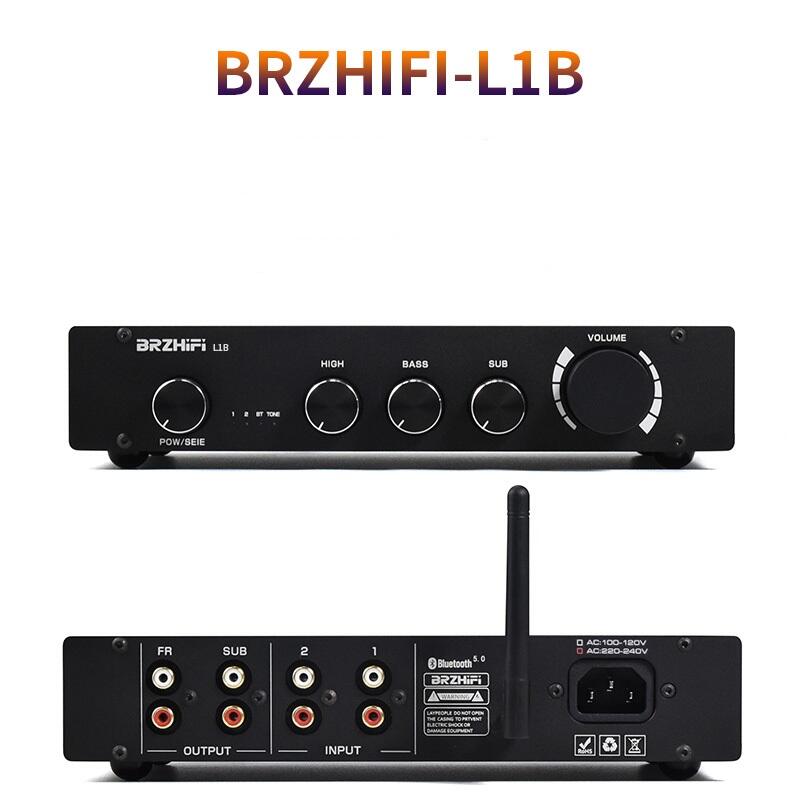
Audio enthusiasts and professionals understand that a quality preamp serves as the foundation of any exceptional sound system. While high-end models often command premium prices, finding the cheapest preamp that delivers remarkable performance requires careful consideration of essential features and specifications. Modern audio systems demand preamps that balance affordability with functionality, ensuring users can achieve professional-grade sound reproduction without breaking their budget.
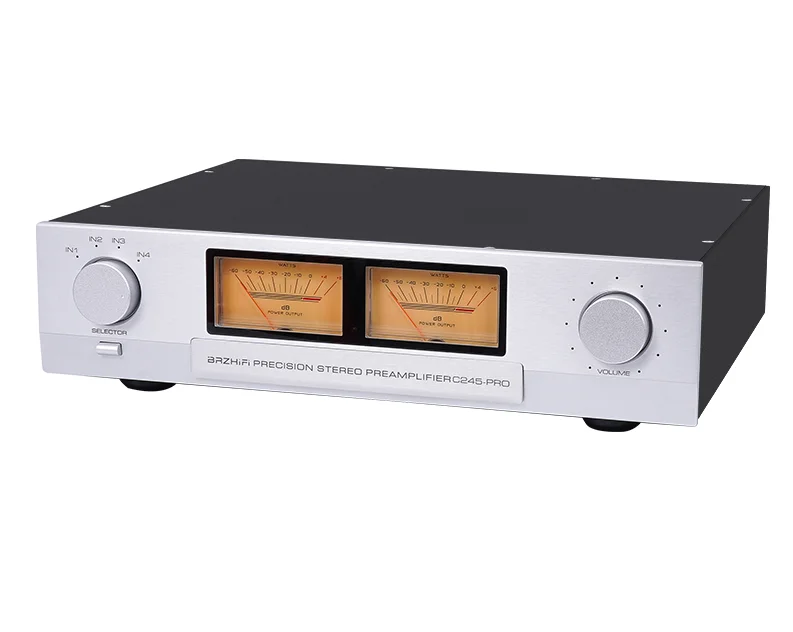
The preamp market has evolved significantly over recent years, with manufacturers developing cost-effective solutions that incorporate advanced technologies previously reserved for expensive units. Understanding which features truly matter versus unnecessary bells and whistles helps consumers identify the best value propositions in today's competitive marketplace.
Essential Input and Output Configurations
Multiple Input Options for Versatility
A well-designed preamp should accommodate various audio sources through multiple input configurations. The cheapest preamp options typically include standard RCA inputs for connecting CD players, turntables, and digital sources. More comprehensive models also feature XLR balanced inputs, which provide superior noise rejection and are essential for professional applications.
Modern preamps often incorporate both analog and digital inputs, allowing users to connect streaming devices, computers, and traditional analog sources seamlessly. The flexibility of input options directly impacts the preamp's utility in different audio setups, making this feature particularly important for budget-conscious buyers who need maximum versatility.
Output Flexibility and Signal Distribution
Output capabilities determine how effectively a preamp can drive various amplifiers and audio components. Quality preamps feature multiple output pairs, enabling users to connect main amplifiers, subwoofers, and recording equipment simultaneously. The cheapest preamp models that include dual outputs provide exceptional value for users requiring signal distribution capabilities.
Signal output impedance also plays a crucial role in maintaining audio fidelity across different system configurations. Lower output impedance ensures better compatibility with various amplifier input designs and reduces potential signal degradation over longer cable runs.
Volume Control Mechanisms and Precision
Electronic Volume Control Advantages
Electronic volume control represents a significant advancement in preamp technology, offering superior channel matching and long-term reliability compared to traditional potentiometers. The cheapest preamp models incorporating electronic volume control provide precise attenuation without the tracking errors common in mechanical alternatives.
Electronic systems also eliminate the physical wear associated with mechanical volume controls, ensuring consistent performance over extended periods. This technology allows for remote control operation and programmable volume settings, features that significantly enhance user convenience without substantially increasing manufacturing costs.
Volume Range and Step Resolution
Effective volume control requires adequate range and fine step resolution to accommodate different listening preferences and system sensitivities. Quality preamps offer volume ranges spanning from complete mute to maximum output, with step increments small enough to allow precise level adjustments.
The cheapest preamp options that include fine volume control steps provide better user experience and system integration capabilities. Coarse volume steps can make it difficult to achieve optimal listening levels, particularly in systems with high-sensitivity speakers or powerful amplifiers.
Signal Processing and Audio Quality Features
Frequency Response Characteristics
Frequency response specifications reveal how accurately a preamp reproduces audio signals across the entire audible spectrum. The best affordable preamps maintain flat frequency response from 20Hz to 20kHz, ensuring faithful reproduction of both deep bass and extended highs without coloration or distortion.
Extended frequency response beyond the audible range often indicates superior circuit design and component quality. While the cheapest preamp models may not achieve laboratory-grade specifications, they should still provide response characteristics that preserve musical detail and dynamics across all frequency ranges.
Signal-to-Noise Ratio and Dynamic Range
Signal-to-noise ratio measurements indicate how effectively a preamp maintains signal clarity while minimizing background noise. Higher SNR values correspond to cleaner audio reproduction, particularly important when dealing with low-level signals or quiet musical passages.
Dynamic range capabilities determine how well a preamp handles both subtle details and powerful transients without compression or distortion. Even budget-conscious buyers should prioritize preamps offering adequate dynamic range for their intended applications, as this specification directly impacts perceived audio quality.
Build Quality and Component Selection
Circuit Design and Component Quality
Internal component selection significantly influences both performance and longevity of preamp systems. Quality manufacturers use precision resistors, low-noise operational amplifiers, and high-grade capacitors even in their most affordable models. The cheapest preamp options that incorporate quality components often outperform more expensive units with inferior circuit implementations.
Circuit topology also affects overall performance characteristics. Simple, well-executed designs often provide better sound quality than complex circuits with mediocre component selection. Understanding these engineering trade-offs helps consumers identify exceptional value propositions in the budget preamp market.
Power Supply Design and Regulation
Power supply quality directly impacts a preamp's noise performance and signal integrity. Well-designed power supplies incorporate adequate filtering and regulation to minimize interference from AC line variations and internal switching noise.
The cheapest preamp models that include quality power supply sections often provide performance rivaling more expensive alternatives. Linear power supplies typically offer superior noise characteristics compared to switching designs, though modern switching supplies can achieve excellent performance when properly implemented.
Connectivity and System Integration
Remote Control and User Interface
Modern preamps benefit from intuitive user interfaces and comprehensive remote control capabilities. Remote operation allows convenient volume adjustment and input selection from listening positions, significantly enhancing user experience during critical listening sessions.
Display systems provide valuable feedback regarding current settings and operational status. Even the cheapest preamp models with clear, informative displays offer better usability than units with minimal or confusing interface designs.
Physical Construction and Reliability
Mechanical construction quality affects both durability and electrical performance through proper shielding and component protection. Robust chassis design prevents external interference while protecting internal circuits from physical damage.
Connector quality also influences long-term reliability and signal integrity. Gold-plated connectors resist corrosion and maintain low contact resistance over extended periods. The cheapest preamp options incorporating quality connectors provide better value through reduced maintenance requirements and consistent performance.
FAQ
What makes a preamp essential in audio systems
A preamp serves as the control center for audio systems, managing input selection, volume control, and signal conditioning before amplification. It ensures proper impedance matching between sources and power amplifiers while providing the gain structure necessary for optimal system performance. Even the cheapest preamp significantly improves system flexibility and sound quality compared to passive alternatives.
How do electronic volume controls compare to traditional potentiometers
Electronic volume controls offer superior channel tracking, longer lifespan, and remote operation capabilities compared to mechanical potentiometers. They eliminate the wear-related tracking errors common in traditional controls while providing more precise volume adjustment steps. The cheapest preamp models with electronic volume control often provide better long-term value through reduced maintenance and improved performance consistency.
What input options should I prioritize when selecting a budget preamp
Prioritize input configurations that match your current and anticipated source components. Multiple RCA inputs accommodate most consumer audio devices, while XLR inputs provide professional connectivity options. The cheapest preamp models offering both analog and digital inputs provide maximum system flexibility for users with diverse source requirements.
How important is power supply quality in affordable preamps
Power supply quality significantly impacts noise performance and overall audio fidelity, making it crucial even in budget-oriented designs. Well-regulated power supplies minimize interference and maintain stable operation under varying load conditions. The cheapest preamp options incorporating quality power supply sections often deliver performance exceeding their price point through superior noise characteristics and dynamic response.