
 EN
EN
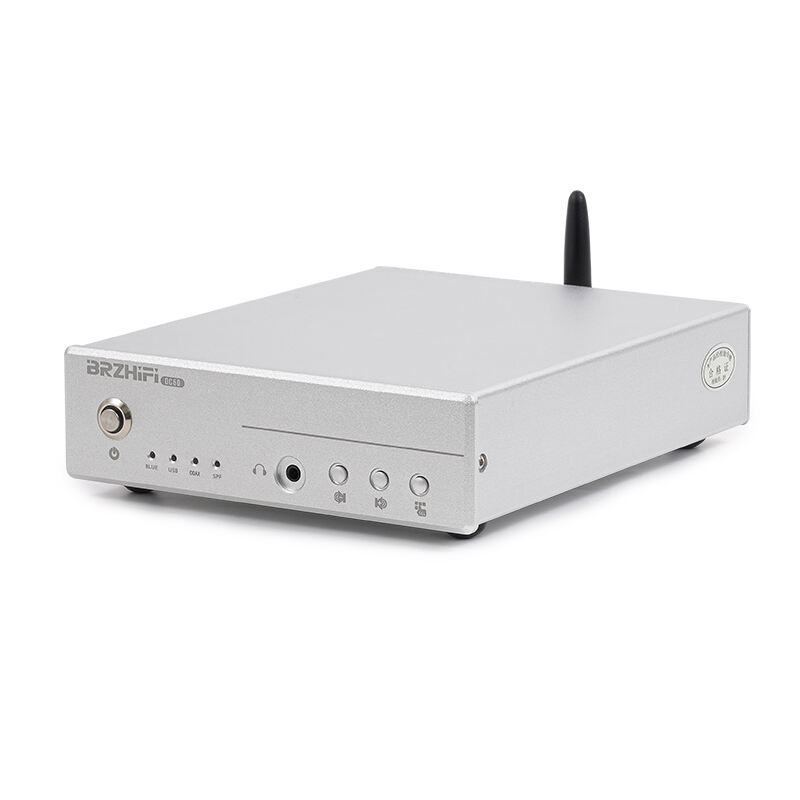
Selecting the right stereo amplifier is crucial for achieving exceptional audio performance in your home theater or music listening setup. Whether you're an audiophile seeking pristine sound quality or a casual listener wanting to upgrade your audio experience, understanding the key features and specifications of a stereo amplifier will help you make an informed purchase decision. The market offers numerous options ranging from budget-friendly models to high-end professional-grade units, each designed to meet specific audio requirements and preferences.
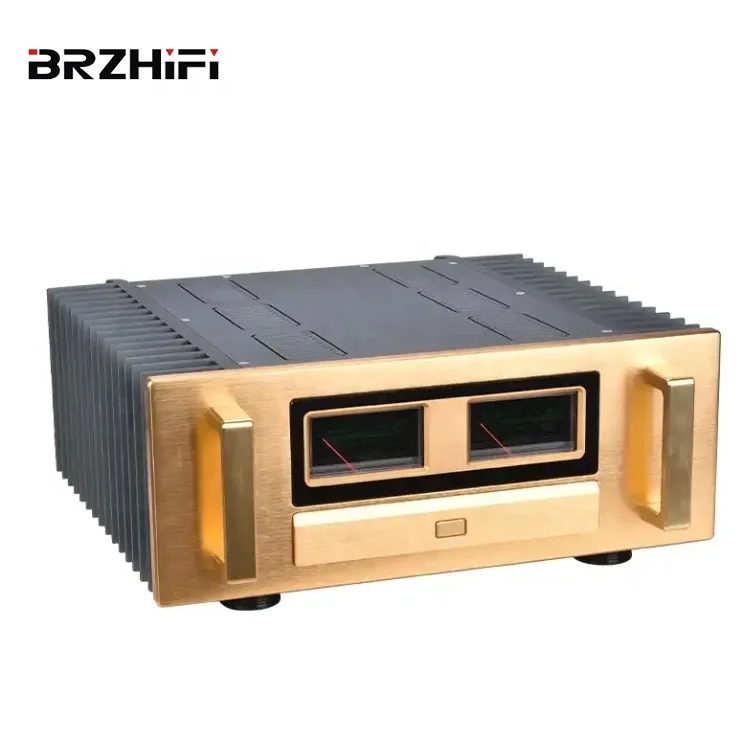
Modern stereo amplifier technology has evolved significantly, incorporating advanced circuitry designs and premium components that deliver superior sound reproduction. Today's amplifiers feature sophisticated power management systems, enhanced signal processing capabilities, and improved thermal management to ensure consistent performance across various listening environments. Understanding these technological advancements will help you identify which features are essential for your specific audio setup and listening preferences.
Power Output and Performance Specifications
Understanding Wattage Requirements
The power output of a stereo amplifier is typically measured in watts per channel, and this specification directly influences the volume levels and dynamic range your system can achieve. When evaluating power ratings, it's important to consider both continuous power output and peak power handling capabilities. A quality stereo amplifier should provide clean, distortion-free power across its entire operating range, ensuring that your speakers receive adequate current to reproduce music accurately at any volume level.
Speaker sensitivity and impedance characteristics play crucial roles in determining the appropriate amplifier power requirements for your system. Higher sensitivity speakers require less power to achieve the same volume levels compared to lower sensitivity models. Additionally, understanding the relationship between amplifier power and speaker impedance helps ensure optimal matching and prevents potential damage to your equipment during extended listening sessions.
Frequency Response and Signal Quality
A well-designed stereo amplifier should exhibit flat frequency response across the audible spectrum, typically from 20Hz to 20kHz, without significant peaks or dips that could color the sound reproduction. This characteristic ensures that all musical frequencies are reproduced with equal emphasis, maintaining the original recording's tonal balance and artistic intent. Professional-grade amplifiers often extend their frequency response beyond the audible range to ensure excellent phase relationships and minimal group delay distortion.
Signal-to-noise ratio (SNR) and total harmonic distortion (THD) measurements provide quantitative indicators of amplifier quality and performance. Higher SNR values indicate cleaner background noise performance, while lower THD percentages suggest more accurate signal reproduction with minimal harmonic coloration. These specifications become particularly important when using high-resolution audio sources or sensitive monitoring speakers that can reveal subtle amplifier characteristics.
Circuit Design and Topology Considerations
Class A versus Class AB Operation
Class A amplifier designs operate with output transistors conducting continuously throughout the entire signal cycle, resulting in superior linearity and minimal crossover distortion. While Class A stereo amplifier circuits typically consume more power and generate additional heat, they often provide the most accurate sound reproduction with excellent low-level detail retrieval and smooth tonal characteristics that audiophiles particularly appreciate.
Class AB designs represent a practical compromise between efficiency and sound quality, operating in Class A mode at lower power levels and switching to Class B operation during high-demand passages. This topology allows stereo amplifier manufacturers to create products that deliver excellent performance while maintaining reasonable power consumption and thermal management requirements. Understanding these design differences helps buyers select amplifiers that match their performance expectations and practical constraints.
Component Quality and Construction Standards
Premium stereo amplifier designs incorporate high-grade components including metal film resistors, polypropylene capacitors, and carefully selected semiconductors that contribute to long-term reliability and sonic performance. The quality of these internal components directly affects the amplifier's ability to reproduce music with accuracy, detail, and emotional engagement. Additionally, robust construction techniques including proper shielding, short signal paths, and adequate power supply filtering help minimize interference and maintain signal integrity.
Thermal management systems play critical roles in maintaining consistent stereo amplifier performance during extended operation. Well-designed heat dissipation systems including properly sized heatsinks, adequate ventilation, and intelligent thermal protection circuits ensure that the amplifier maintains optimal operating temperatures while protecting valuable components from damage. These considerations become particularly important for high-power applications or installations in enclosed cabinets.
Connectivity and Integration Features
Input and Output Configuration Options
Modern stereo amplifier designs offer various input connectivity options to accommodate different source components and system configurations. Balanced XLR inputs provide superior noise rejection for professional applications, while unbalanced RCA connections remain standard for most consumer audio equipment. Some amplifiers include multiple input options with selectable gain settings, allowing users to optimize signal levels for different source components and maintain consistent volume relationships.
Output binding posts and speaker connection methods significantly impact the quality of signal transfer to your speakers. High-quality binding posts with gold-plated contacts and secure connection mechanisms ensure reliable electrical contact and minimize resistance that could degrade sound quality. Some stereo amplifier models include multiple speaker output taps or impedance matching options that provide flexibility when connecting different speaker types or configurations.
Control and Monitoring Capabilities
Advanced stereo amplifier models incorporate various control features including remote operation, input switching, and volume adjustment capabilities that enhance user convenience and system integration possibilities. Some units feature front panel displays showing operating status, input selection, and power output levels that help users monitor system performance and troubleshoot potential issues. These features become particularly valuable in complex audio systems or installations where the amplifier may be located away from the primary listening position.
Protection circuits and monitoring systems help safeguard both the stereo amplifier and connected speakers from damage due to overload conditions, short circuits, or thermal issues. Sophisticated protection schemes can detect and respond to various fault conditions while minimizing audible artifacts or interruptions to normal operation. Understanding these protection features helps ensure long-term system reliability and peace of mind during critical listening sessions.
Installation and Setup Considerations
Physical Dimensions and Placement Requirements
The physical size and weight of a stereo amplifier directly influence installation options and rack mounting compatibility within your audio system. Standard 19-inch rack mount designs provide convenient integration possibilities for professional installations, while desktop or shelf-mount configurations may be more appropriate for home listening environments. Considering ventilation requirements and access to connections helps ensure proper installation and long-term reliability of your amplifier investment.
Heat generation and cooling requirements vary significantly between different stereo amplifier designs and power ratings. High-power Class A amplifiers typically require more clearance for proper ventilation compared to efficient Class D designs. Planning adequate spacing around the amplifier and ensuring proper air circulation helps maintain optimal operating temperatures and extends component lifespan while preventing thermal-induced performance degradation.
System Matching and Compatibility
Proper impedance matching between your stereo amplifier and speakers ensures optimal power transfer and prevents potential damage to either component. Most amplifiers are designed to work with standard speaker impedances including 4, 8, and 16 ohms, but some specialized designs may have specific requirements or limitations. Understanding these compatibility factors helps avoid mismatched combinations that could result in poor performance or equipment damage.
Gain structure and sensitivity matching between source components and your stereo amplifier affects overall system performance and noise levels. Proper gain staging ensures that signal levels remain within optimal ranges throughout the audio chain, maximizing dynamic range while minimizing background noise. Some amplifiers include adjustable input sensitivity controls that provide flexibility when integrating with different source components or system configurations.
Budget and Value Considerations
Performance versus Cost Analysis
Determining the appropriate budget for a stereo amplifier requires balancing desired performance characteristics with practical financial constraints and system requirements. Entry-level amplifiers can provide satisfactory performance for casual listening applications, while high-end models offer superior build quality, advanced features, and exceptional sound reproduction for critical listening environments. Understanding your specific needs and priorities helps identify the optimal price point that delivers the best value for your particular application.
Long-term ownership costs including maintenance requirements, potential upgrade paths, and resale value should factor into your stereo amplifier purchasing decision. Quality amplifiers from reputable manufacturers typically offer better long-term reliability and retain value better than budget alternatives. Additionally, considering future system expansion possibilities helps ensure that your amplifier choice remains viable as your audio system evolves over time.
Brand Reputation and Support Services
Manufacturer reputation, warranty coverage, and technical support availability are important factors when selecting a stereo amplifier for long-term satisfaction and reliability. Established brands with proven track records typically offer better customer support, parts availability, and service networks compared to lesser-known manufacturers. Researching user reviews, professional evaluations, and industry feedback helps identify manufacturers that consistently deliver quality products and reliable customer support.
Service documentation, user manuals, and technical specifications availability can significantly impact your ownership experience and troubleshooting capabilities. Comprehensive documentation helps users optimize their stereo amplifier performance and resolve minor issues without requiring professional service intervention. Additionally, manufacturers that provide detailed technical information demonstrate confidence in their products and commitment to customer education and satisfaction.
FAQ
What power rating do I need for my stereo amplifier?
The required power rating for your stereo amplifier depends on several factors including speaker sensitivity, room size, and desired listening levels. Most home audio applications work well with amplifiers producing 50-100 watts per channel, while larger rooms or less sensitive speakers may require higher power ratings. It's generally better to have more clean power available than to operate an underpowered amplifier at its limits, which can introduce distortion and potentially damage speakers.
How important is the amplifier class designation for sound quality?
Amplifier class designation affects both sound quality and efficiency characteristics of your stereo amplifier. Class A designs typically offer the best sound quality with minimal distortion but consume more power and generate more heat. Class AB represents a good compromise between efficiency and performance, while Class D amplifiers provide excellent efficiency but may not match the sound quality of linear designs for critical listening applications. Your choice should balance sound quality priorities with practical considerations like heat generation and power consumption.
Should I prioritize features or sound quality when choosing a stereo amplifier?
The priority between features and sound quality depends on your specific needs and system requirements. If you primarily focus on music reproduction and have a simple system setup, prioritizing sound quality over features typically provides better long-term satisfaction. However, if you need specific connectivity options, remote control capabilities, or integration features for a complex system, ensuring adequate functionality may be equally important as sonic performance for your particular application.
How do I know if a stereo amplifier will work well with my existing speakers?
Compatibility between your stereo amplifier and speakers depends on impedance matching, power handling capabilities, and sensitivity specifications. Check that your amplifier can safely drive your speakers' impedance rating and that the power output falls within your speakers' recommended range. Additionally, consider sensitivity matching to ensure adequate volume levels without requiring excessive amplifier power that could introduce distortion or damage components during extended listening sessions.