
 EN
EN
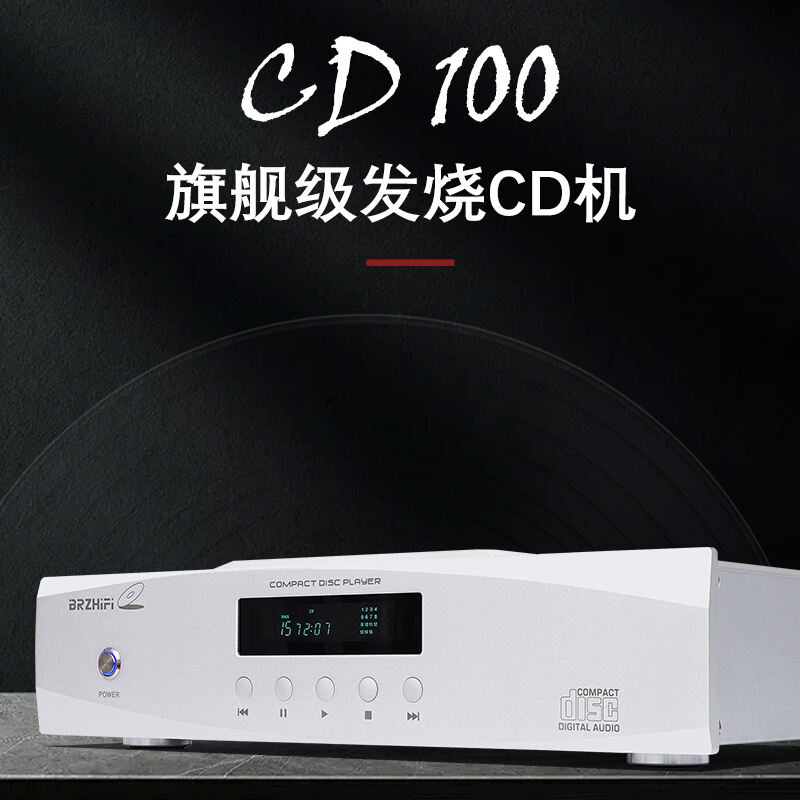
The audio landscape has transformed dramatically with the rise of digital amplification technology, making high-quality sound reproduction more accessible than ever before. Today's Hi-Fi Digital systems deliver exceptional performance while maintaining affordability, a combination that was nearly impossible just a decade ago. Budget-conscious audiophiles no longer need to compromise on sound quality when selecting their equipment, as brands like brzhifi have revolutionized the market with their economical yet sophisticated offerings. The convergence of advanced digital processing and cost-effective manufacturing has opened new possibilities for music lovers seeking premium audio experiences without the premium price tag.
The Evolution of Digital Audio Technology
From Analog to Digital Transformation
The transition from analog to Hi-Fi Digital audio systems represents one of the most significant technological shifts in the audio industry. Digital amplification eliminates many of the inherent limitations of traditional analog circuits, including thermal drift, component aging, and signal degradation over time. Modern Hi-Fi Digital amplifiers utilize sophisticated algorithms to process audio signals with mathematical precision, resulting in cleaner sound reproduction and improved dynamic range. This technological evolution has democratized high-quality audio, making it possible for manufacturers to produce exceptional equipment at previously unattainable price points.
The benefits of Hi-Fi Digital technology extend beyond mere cost savings to encompass improved reliability and consistency. Digital systems maintain their performance characteristics regardless of environmental conditions or component variations, ensuring that every unit delivers identical sonic performance. Advanced error correction algorithms protect against signal corruption, while digital signal processing enables sophisticated features like room correction and personalized sound profiles. These capabilities position Hi-Fi Digital amplifiers as the preferred choice for both entry-level enthusiasts and experienced audiophiles seeking reliable, high-performance solutions.
Class D Amplification Advantages
Class D amplification technology forms the cornerstone of modern Hi-Fi Digital systems, offering superior efficiency and thermal management compared to traditional amplifier designs. These switching amplifiers achieve efficiency ratings exceeding 90 percent, generating minimal heat while delivering substantial power output. The reduced thermal stress extends component lifespan and eliminates the need for bulky heat sinks, enabling compact designs without sacrificing performance. This efficiency advantage translates directly into lower operating costs and improved reliability for end users.
The sonic characteristics of well-designed Hi-Fi Digital Class D amplifiers challenge many preconceptions about switching amplifier technology. Advanced pulse-width modulation schemes and high-frequency switching rates minimize distortion while preserving musical detail and dynamic range. Modern implementations incorporate sophisticated feedback systems that maintain linear response across the entire audio spectrum, ensuring accurate reproduction of both subtle nuances and powerful transients. The result is a listening experience that rivals traditional amplifier topologies while offering practical advantages in size, weight, and energy consumption.
Understanding Audio Quality Metrics
Measuring Digital Performance Standards
Evaluating Hi-Fi Digital equipment requires understanding the specific metrics that define audio quality in digital systems. Total harmonic distortion plus noise measurements provide insight into signal purity, while signal-to-noise ratios indicate the system's ability to resolve quiet details against the noise floor. Dynamic range specifications reveal the system's capacity to handle both delicate passages and powerful crescendos without compression or clipping. These technical parameters, when properly interpreted, offer valuable guidance for selecting equipment that matches specific listening preferences and requirements.
Frequency response characteristics play a crucial role in determining the overall sonic signature of Hi-Fi Digital systems. Linear response across the audible spectrum ensures accurate reproduction of recorded material without coloration or emphasis of particular frequency ranges. Phase response measurements indicate temporal accuracy, affecting the system's ability to maintain proper stereo imaging and soundstage depth. Understanding these specifications enables informed decision-making when comparing different Hi-Fi Digital options, ensuring that selected equipment aligns with individual listening preferences and acoustic environments.
Power Output and Efficiency Considerations
Power output specifications in Hi-Fi Digital amplifiers require careful interpretation to ensure proper matching with loudspeaker systems. Continuous power ratings indicate the sustained output capability under normal operating conditions, while peak power specifications reveal short-term dynamic capabilities. The relationship between amplifier power and speaker efficiency determines the maximum sound pressure levels achievable in specific listening environments. Proper power matching ensures optimal performance while preventing damage to both amplification and transducer components.
Efficiency ratings significantly impact the practical aspects of Hi-Fi Digital system operation, affecting everything from power consumption to cooling requirements. High-efficiency amplifiers generate less heat, reducing the need for elaborate thermal management systems and enabling more compact installations. Lower power consumption translates into reduced operating costs and improved environmental sustainability. These practical considerations become increasingly important in applications requiring extended operation periods or integration into space-constrained environments where traditional amplification might prove impractical.
Budget Hi-Fi Market Analysis
Value Engineering in Audio Equipment
The budget Hi-Fi Digital market demonstrates how intelligent engineering and manufacturing optimization can deliver exceptional value without compromising essential performance characteristics. Successful budget-oriented manufacturers focus resources on critical audio path components while employing cost-effective solutions for auxiliary functions. This approach ensures that sonic performance receives priority investment while maintaining competitive pricing through efficient production methods and strategic component selection. The result is equipment that challenges the traditional price-performance relationship in the audio industry.
Modern manufacturing techniques enable precise quality control and consistent performance across production runs, ensuring that budget Hi-Fi Digital equipment maintains reliable operation standards. Advanced testing procedures verify that each unit meets specified performance criteria before leaving the factory. Automated manufacturing processes reduce human error while maintaining tight tolerances on critical components. These quality assurance measures provide confidence that budget-oriented equipment will deliver reliable long-term performance, addressing traditional concerns about entry-level audio equipment reliability.
Consumer Expectations and Market Trends
Today's audio consumers demonstrate sophisticated understanding of Hi-Fi Digital technology, driving demand for equipment that combines technical excellence with practical features. Wireless connectivity options, compact form factors, and energy efficiency rank alongside traditional audio quality metrics in purchasing decisions. This evolution reflects changing lifestyle requirements and environmental consciousness among modern audio enthusiasts. Manufacturers responding to these trends by integrating advanced features while maintaining competitive pricing gain significant market advantages.
The democratization of audio measurement technology enables consumers to make informed comparisons between different Hi-Fi Digital options using objective performance data. Online communities share measurement results and listening impressions, creating transparency that benefits both consumers and manufacturers committed to performance excellence. This information accessibility encourages continuous improvement and innovation throughout the industry, ultimately benefiting all stakeholders through improved products and competitive pricing.
brzhifi Brand Positioning Strategy
Target Market Identification
brzhifi has strategically positioned itself within the rapidly growing budget Hi-Fi Digital segment, targeting consumers who refuse to compromise on audio quality despite budget constraints. This demographic includes students, young professionals, and experienced audiophiles seeking secondary systems or exploring digital amplification technology. The brand recognizes that these consumers possess sophisticated listening skills and technical knowledge, requiring products that deliver genuine performance improvements rather than superficial marketing claims. This understanding drives product development decisions and marketing communication strategies.
The brand's approach acknowledges that budget-conscious consumers often research purchases extensively, comparing specifications and seeking value optimization across multiple product categories. brzhifi responds to this behavior by providing comprehensive technical documentation and transparent performance specifications for their Hi-Fi Digital products. This transparency builds trust and confidence among discerning consumers who appreciate honest communication about product capabilities and limitations. The strategy differentiates brzhifi from competitors who rely primarily on marketing rhetoric rather than substantive technical merit.
Product Development Philosophy
brzhifi's product development philosophy centers on maximizing Hi-Fi Digital performance within strict cost constraints through intelligent engineering choices and manufacturing optimization. The company prioritizes investment in audio-critical components while employing cost-effective solutions for ancillary functions that don't directly impact sonic performance. This approach requires deep understanding of which specifications truly matter for listening quality versus those that primarily serve marketing purposes. The resulting products offer exceptional value propositions that appeal to knowledgeable consumers seeking authentic performance improvements.
Continuous refinement and user feedback integration characterize brzhifi's development process, ensuring that products evolve to meet changing market requirements and technological possibilities. The company maintains close relationships with its user community, gathering insights about real-world applications and performance expectations. This feedback loop enables rapid iteration and improvement of Hi-Fi Digital designs, keeping products current with advancing technology and user preferences. The collaborative approach builds brand loyalty while ensuring that new products address actual market needs rather than perceived opportunities.
Technical Specifications and Performance
Power Output and Load Compatibility
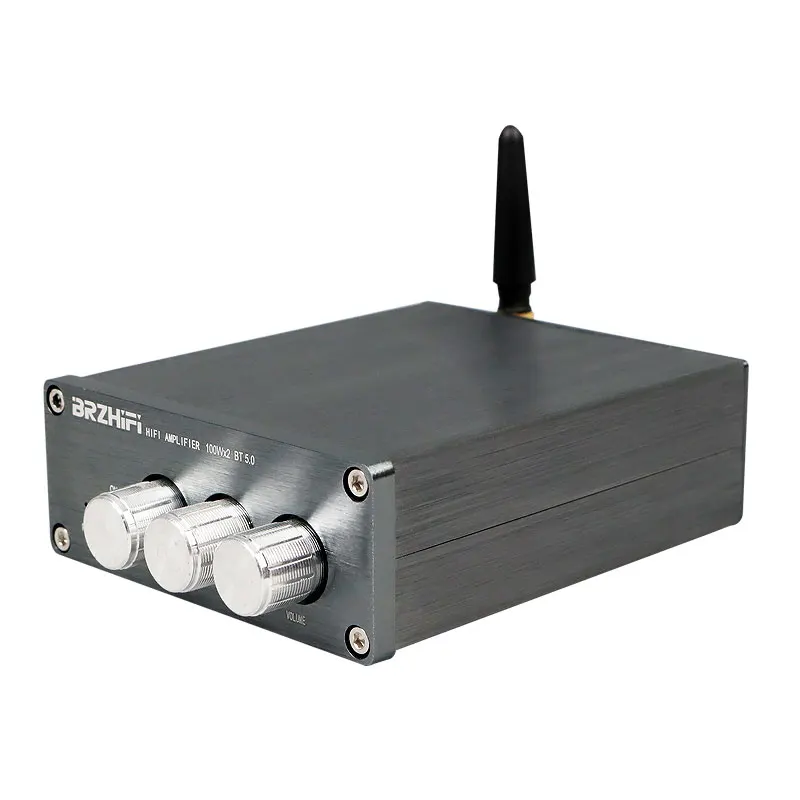
brzhifi Hi-Fi Digital amplifiers typically offer flexible power output configurations designed to accommodate various speaker loads and listening environments. The dual power rating system provides 50 watts per channel into higher impedance loads and 100 watts per channel into lower impedance speakers, ensuring optimal power delivery regardless of speaker selection. This adaptive output capability maximizes compatibility with existing speaker systems while providing upgrade flexibility for future system expansions. The intelligent power management prevents damage from impedance mismatches while optimizing performance for each specific application.
The amplifier's power supply design incorporates switching technology that maintains stable output regardless of line voltage variations or load fluctuations. Advanced protection circuits monitor operating conditions continuously, preventing damage from short circuits, thermal overload, or DC faults. These safeguards ensure reliable operation while protecting connected speakers from potential damage due to amplifier malfunctions. The robust protection system provides peace of mind for users while maintaining the transparent operation that characterizes quality Hi-Fi Digital equipment.
Connectivity and Integration Features
Modern brzhifi Hi-Fi Digital amplifiers incorporate Bluetooth wireless connectivity alongside traditional analog inputs, providing flexibility for both legacy and contemporary source components. The Bluetooth implementation supports high-quality audio codecs that preserve signal integrity during wireless transmission, ensuring that convenience doesn't compromise audio quality. Multiple analog inputs accommodate various source components, while intelligent input switching simplifies system operation. This connectivity diversity enables seamless integration into existing audio systems while supporting future expansion possibilities.
The amplifier's compact form factor facilitates installation in space-constrained environments without sacrificing cooling effectiveness or accessibility. Efficient thermal design eliminates the need for noisy cooling fans while maintaining safe operating temperatures under all conditions. The intuitive control layout provides easy access to essential functions without unnecessary complexity that might confuse less technical users. These design considerations reflect brzhifi's understanding that Hi-Fi Digital equipment must balance performance with practical usability requirements in real-world applications.
Comparative Market Analysis
Competition Assessment in Budget Segment
The budget Hi-Fi Digital amplifier market includes numerous competitors offering varying approaches to cost optimization and feature implementation. Some manufacturers prioritize maximum power output at minimal cost, while others focus on build quality and component selection within budget constraints. brzhifi distinguishes itself through balanced optimization that addresses multiple performance criteria simultaneously rather than maximizing single specifications at the expense of overall system coherence. This holistic approach appeals to consumers who understand the importance of system synergy in achieving satisfying listening experiences.
Comparative analysis reveals that many budget Hi-Fi Digital products sacrifice long-term reliability for short-term cost advantages, using marginal components that may fail prematurely under normal operating conditions. brzhifi's component selection emphasizes proven reliability and consistent performance over extended operating periods. While this approach may result in slightly higher initial costs, it provides superior value through reduced maintenance requirements and consistent performance over the product's operational lifetime. This strategy aligns with the expectations of serious audio enthusiasts who view equipment purchases as long-term investments.
Value Proposition Differentiation
brzhifi's value proposition extends beyond pure price considerations to encompass the total ownership experience, including reliability, performance consistency, and customer support quality. The company provides comprehensive documentation and technical support that enables users to optimize system performance and resolve any operational issues quickly. This support infrastructure adds significant value for consumers who lack extensive technical expertise but desire Hi-Fi Digital performance benefits. The combination of quality products and reliable support creates a complete solution that justifies consumer confidence and brand loyalty.
The brand's transparent communication about product capabilities and limitations builds trust among consumers who have experienced disappointing performance from products that promised more than they could deliver. brzhifi establishes realistic performance expectations while ensuring that products consistently meet or exceed stated specifications. This honest approach contrasts with marketing strategies that emphasize theoretical maximums rather than typical performance under real-world conditions. The resulting customer satisfaction and positive word-of-mouth recommendations provide sustainable competitive advantages in the Hi-Fi Digital market segment.
Installation and Setup Considerations
System Integration Best Practices
Proper installation of Hi-Fi Digital amplifiers requires attention to several key factors that influence both performance and reliability. Adequate ventilation ensures stable operation under all conditions, while proper grounding prevents noise interference that could degrade audio quality. Input source selection and level matching optimize signal-to-noise ratios and prevent overload conditions that might cause distortion or component damage. Following established installation procedures maximizes the performance potential of Hi-Fi Digital equipment while preventing common operational problems.
Speaker cable selection and termination practices significantly impact the performance of Hi-Fi Digital systems, particularly at higher power levels where cable resistance becomes more significant. Proper gauge selection ensures minimal power loss while maintaining damping factor effectiveness for optimal speaker control. Clean, secure connections prevent intermittent failures and signal degradation that could compromise listening quality. These installation details, while seemingly minor, collectively determine whether Hi-Fi Digital systems achieve their full performance potential in real-world applications.
Troubleshooting and Maintenance
Regular maintenance of Hi-Fi Digital equipment focuses primarily on environmental cleanliness and connection integrity rather than complex internal adjustments required by analog equipment. Dust accumulation can impede cooling effectiveness, while corrosion on connections can introduce noise and signal degradation. Periodic cleaning and inspection prevent most operational problems while extending equipment lifespan. The solid-state nature of Hi-Fi Digital amplifiers eliminates many traditional maintenance requirements, reducing long-term ownership costs while maintaining consistent performance.
Common troubleshooting procedures for Hi-Fi Digital systems emphasize systematic isolation of potential problem sources, beginning with power supply verification and progressing through signal path analysis. Most operational issues result from connection problems, improper settings, or source component malfunctions rather than amplifier failures. Understanding these typical failure modes enables quick problem resolution without unnecessary service interventions. The inherent reliability of well-designed Hi-Fi Digital equipment means that proper installation and basic maintenance prevent most operational difficulties.
Future Technology Trends
Digital Signal Processing Evolution
Advancing digital signal processing capabilities continue expanding the possibilities for Hi-Fi Digital equipment, enabling sophisticated features that were previously available only in professional applications. Room correction algorithms can compensate for acoustic deficiencies in listening environments, while personalized equalization profiles optimize sound reproduction for individual hearing characteristics. These processing capabilities transform Hi-Fi Digital amplifiers from simple power delivery devices into intelligent audio optimization systems that adapt to specific installation requirements and user preferences.
Machine learning algorithms increasingly influence Hi-Fi Digital system design, enabling automatic optimization based on listening patterns and environmental conditions. These adaptive systems learn user preferences over time, adjusting processing parameters to enhance listening satisfaction without requiring manual intervention. The integration of artificial intelligence into audio equipment represents a fundamental shift toward personalized audio experiences that evolve with changing requirements and preferences. This technological evolution promises to make Hi-Fi Digital systems more intuitive and effective for a broader range of users.
Connectivity and Integration Developments
Wireless audio transmission standards continue evolving toward higher resolution and lower latency, enabling Hi-Fi Digital systems to integrate seamlessly with diverse source components and smart home ecosystems. Advanced codec development preserves audio quality during wireless transmission while maintaining synchronization across multiple zones or rooms. These connectivity improvements eliminate many traditional installation constraints while expanding system flexibility and user convenience. The convergence of Hi-Fi Digital performance with smart home integration creates new possibilities for sophisticated yet user-friendly audio systems.
Network-based audio distribution systems increasingly incorporate Hi-Fi Digital amplification at endpoint locations, enabling centralized source management with distributed high-quality reproduction. This architecture optimizes both performance and cost while simplifying system expansion and maintenance. Cloud-based configuration and monitoring capabilities enable remote system optimization and troubleshooting, reducing service requirements while ensuring consistent performance across multiple installations. These developments position Hi-Fi Digital technology at the center of next-generation audio system architectures.
FAQ
What makes Hi-Fi Digital amplifiers different from traditional analog amplifiers
Hi-Fi Digital amplifiers utilize switching technology and digital signal processing to achieve higher efficiency, lower distortion, and more consistent performance compared to traditional analog designs. They generate less heat, require smaller chassis, and maintain their specifications regardless of component aging or environmental variations. The digital processing enables advanced features like room correction and personalized sound profiles that are impossible with purely analog circuits.
How do I determine if a budget Hi-Fi Digital amplifier will work with my existing speakers
Check the amplifier's power output specifications against your speakers' power handling capabilities and impedance ratings. Ensure the amplifier can deliver adequate power for your listening levels while remaining within your speakers' safe operating limits. Most modern Hi-Fi Digital amplifiers work well with speakers ranging from 4 to 8 ohms impedance, but verify compatibility before purchasing to ensure optimal performance and prevent damage to either component.
What should I expect in terms of sound quality from budget Hi-Fi Digital equipment
Well-designed budget Hi-Fi Digital amplifiers can deliver remarkably clean and detailed sound reproduction that often rivals much more expensive analog equipment. Expect accurate frequency response, low noise levels, and excellent dynamic range, though the highest-end refinements in imaging and soundstage depth may be slightly reduced compared to premium analog designs. The key is selecting products from reputable manufacturers who prioritize audio performance over marketing specifications.
Are there any long-term reliability concerns with Hi-Fi Digital amplifiers
Quality Hi-Fi Digital amplifiers typically demonstrate excellent long-term reliability due to their solid-state construction and efficient operation. The absence of output transformers and minimal heat generation reduce component stress and extend operational lifespan. However, choose products from established manufacturers with good warranty support and avoid extremely low-cost units that may use marginal components. Proper installation and basic maintenance ensure decades of reliable operation from well-designed Hi-Fi Digital equipment.
Table of Contents
- The Evolution of Digital Audio Technology
- Understanding Audio Quality Metrics
- Budget Hi-Fi Market Analysis
- brzhifi Brand Positioning Strategy
- Technical Specifications and Performance
- Comparative Market Analysis
- Installation and Setup Considerations
- Future Technology Trends
-
FAQ
- What makes Hi-Fi Digital amplifiers different from traditional analog amplifiers
- How do I determine if a budget Hi-Fi Digital amplifier will work with my existing speakers
- What should I expect in terms of sound quality from budget Hi-Fi Digital equipment
- Are there any long-term reliability concerns with Hi-Fi Digital amplifiers