
 EN
EN
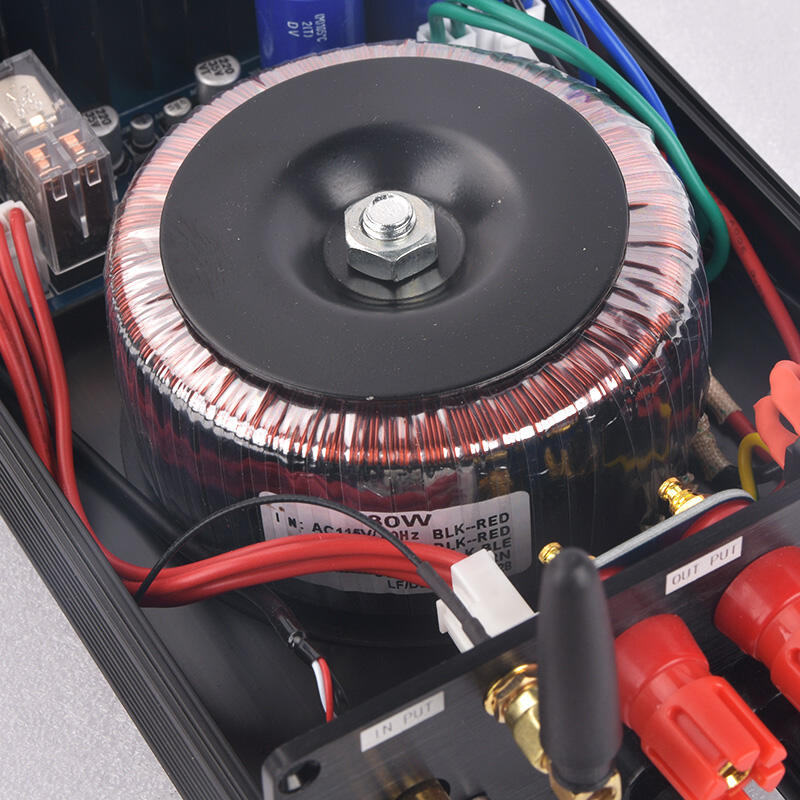
The audiophile landscape has undergone a remarkable transformation in recent years, with Hi-Fi Digital systems emerging as the cornerstone of modern high-fidelity audio experiences. What once required massive analog equipment and extensive vinyl collections can now be achieved through sophisticated digital audio processing technologies that deliver unprecedented clarity and precision. This shift represents more than just technological advancement; it signifies a fundamental reimagining of how serious music enthusiasts approach sound reproduction and quality.
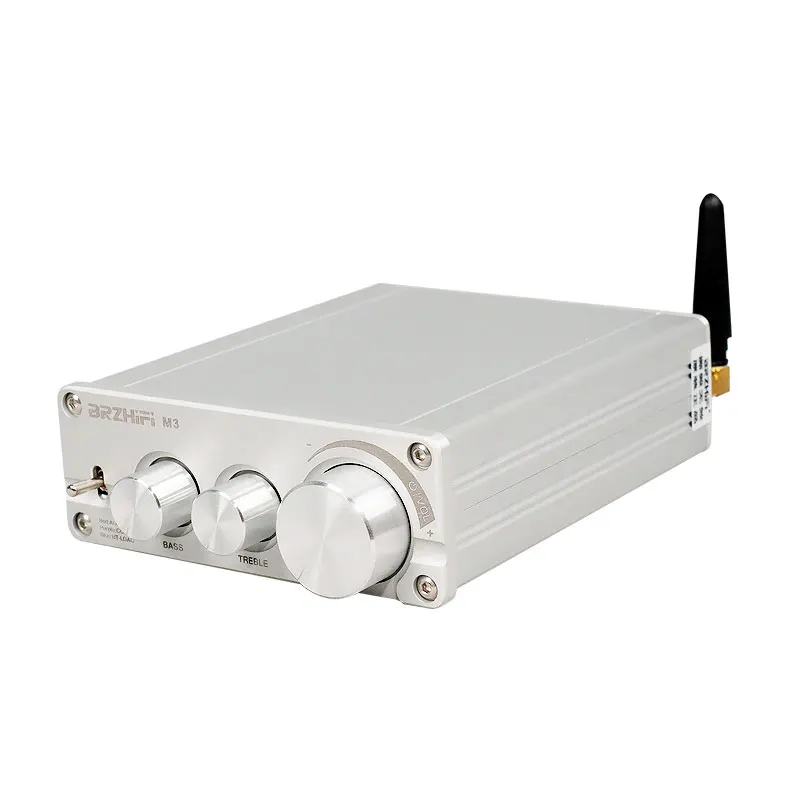
Modern Hi-Fi Digital systems have successfully bridged the gap between convenience and audiophile-grade performance, offering features that were previously impossible with traditional analog setups. These systems incorporate advanced digital signal processing, high-resolution audio codec support, and wireless connectivity options while maintaining the sonic integrity that discerning listeners demand. The convergence of these technologies has created a new paradigm where digital audio reproduction can match or exceed the quality of traditional analog systems.
Advanced Digital Signal Processing Revolution
Precision Audio Conversion Technologies
The foundation of modern Hi-Fi Digital excellence lies in sophisticated digital-to-analog conversion technologies that have reached unprecedented levels of accuracy and resolution. Contemporary DAC implementations utilize delta-sigma modulation techniques and multi-bit architectures that minimize distortion while maximizing dynamic range. These advances enable Hi-Fi Digital systems to reproduce audio signals with bit-perfect accuracy, ensuring that every nuance of the original recording reaches the listener without degradation.
High-resolution audio formats such as DSD, FLAC, and MQA have become standard in Hi-Fi Digital ecosystems, supporting sampling rates up to 384kHz and bit depths of 32 bits or higher. This level of detail preservation allows audiophiles to experience recordings with a clarity and depth that surpasses what was previously achievable through conventional CD-quality digital audio. The ability to handle these formats seamlessly has made Hi-Fi Digital systems indispensable for serious listening environments.
Real-Time Audio Enhancement Algorithms
Modern Hi-Fi Digital platforms incorporate intelligent audio processing algorithms that can analyze and enhance audio signals in real-time without introducing artifacts or coloration. These systems employ sophisticated upsampling techniques, noise reduction algorithms, and dynamic range optimization to improve the listening experience across various source materials. The processing power available in contemporary Hi-Fi Digital devices enables these enhancements to occur transparently, maintaining the authenticity of the original recording while optimizing playback quality.
Adaptive filtering and room correction capabilities integrated into Hi-Fi Digital systems allow for automatic optimization based on acoustic environment characteristics. These features enable audiophiles to achieve optimal sound reproduction regardless of room acoustics or speaker placement limitations, making high-quality audio experiences more accessible and consistent across different listening environments.
Wireless Connectivity and Streaming Capabilities
High-Resolution Wireless Audio Protocols
The integration of advanced wireless technologies has revolutionized how audiophiles access and consume high-quality audio content through Hi-Fi Digital systems. Modern Bluetooth codecs such as aptX HD, LDAC, and LC3plus enable wireless transmission of high-resolution audio with minimal compression artifacts. These protocols maintain the integrity of Hi-Fi Digital audio streams while providing the convenience and flexibility that contemporary users demand from their audio systems.
Wi-Fi based streaming protocols like DLNA, AirPlay 2, and Chromecast Audio have further expanded the capabilities of Hi-Fi Digital systems, enabling seamless integration with digital music libraries and streaming services. These technologies support lossless audio transmission over local networks, ensuring that the quality advantages of Hi-Fi Digital reproduction are preserved throughout the entire signal chain from source to speaker.
Multi-Platform Ecosystem Integration
Contemporary Hi-Fi Digital systems excel at integrating with diverse digital ecosystems, supporting multiple streaming platforms simultaneously while maintaining consistent audio quality across all sources. This versatility allows audiophiles to access their music collections from various services including Tidal, Qobuz, Spotify, and local network-attached storage devices without compromising sound quality or switching between different hardware configurations.
The ability to handle multiple input formats and sources simultaneously has made Hi-Fi Digital systems the preferred choice for audiophiles who want comprehensive access to both legacy audio collections and modern streaming content. These systems can seamlessly switch between analog inputs, digital connections, and wireless sources while maintaining optimal signal processing for each input type.
Compact Design and Space Efficiency
Miniaturization Without Compromise
One of the most compelling advantages of Hi-Fi Digital systems is their ability to deliver exceptional audio performance in significantly smaller form factors compared to traditional analog equipment. Advanced semiconductor technologies and efficient digital amplification techniques have enabled manufacturers to create compact Hi-Fi Digital solutions that rival the performance of much larger conventional systems. This miniaturization has made high-quality audio more accessible to audiophiles with space constraints or aesthetic preferences for minimalist setups.
The power efficiency of Hi-Fi Digital amplification allows for reduced heat generation and smaller power supply requirements, contributing to more compact overall system designs. These efficiency improvements not only reduce space requirements but also enhance reliability and reduce operating costs compared to traditional Class A or Class AB amplifier designs that require substantial cooling and power infrastructure.
Modular System Architecture
Modern Hi-Fi Digital systems often employ modular architectures that allow audiophiles to customize their setups based on specific requirements and preferences. This approach enables users to start with basic configurations and expand capabilities over time without replacing entire systems. The modular nature of Hi-Fi Digital components also facilitates easier maintenance and upgrades, extending the useful life of audio investments while keeping pace with evolving technologies and standards.
The standardization of digital interfaces and communication protocols in Hi-Fi Digital systems ensures compatibility between components from different manufacturers, providing audiophiles with greater flexibility in system configuration and future expansion options. This interoperability represents a significant advantage over traditional analog systems where component matching and compatibility can be more challenging and restrictive.
Cost-Effectiveness and Value Proposition
Reduced Total System Cost
Hi-Fi Digital systems typically require fewer components to achieve equivalent or superior performance compared to traditional analog setups, resulting in lower overall system costs for audiophiles. The integration of multiple functions within single Hi-Fi Digital devices eliminates the need for separate preamplifiers, digital-to-analog converters, and various interconnect cables that are required in conventional high-end audio systems. This consolidation not only reduces purchase costs but also simplifies setup procedures and reduces potential points of failure.
The manufacturing efficiencies achievable with Hi-Fi Digital components allow for better price-to-performance ratios compared to equivalent analog equipment. Digital signal processing capabilities can be implemented through software and integrated circuits rather than discrete analog components, enabling manufacturers to offer advanced features and performance at more accessible price points while maintaining high profit margins and sustainable business models.
Long-Term Value and Upgradability
Hi-Fi Digital systems offer superior long-term value through firmware updates and software enhancements that can add new features and improve performance without requiring hardware replacements. This upgradability ensures that Hi-Fi Digital investments remain current with evolving audio standards and streaming technologies, protecting audiophile investments against obsolescence and extending useful product lifecycles significantly beyond traditional analog equipment.
The standardization of digital audio formats and interfaces in Hi-Fi Digital systems provides better future-proofing compared to analog systems that may become incompatible with emerging technologies. As new high-resolution audio formats and streaming protocols are developed, Hi-Fi Digital systems can often accommodate these advances through software updates rather than requiring complete hardware replacement cycles.
Performance Advantages and Technical Superiority
Measurable Audio Quality Metrics
Hi-Fi Digital systems consistently demonstrate superior performance in objective audio quality measurements including signal-to-noise ratio, total harmonic distortion, and frequency response linearity. These measurable advantages translate directly into audible improvements that audiophiles can appreciate during critical listening sessions. The precision available through digital signal processing enables Hi-Fi Digital systems to achieve performance specifications that would be extremely difficult or impossible to attain with purely analog implementations.
The consistency of Hi-Fi Digital performance across different operating conditions and over time represents a significant advantage over analog systems that may drift or degrade due to component aging, temperature variations, or environmental factors. Digital processing maintains bit-perfect accuracy regardless of external conditions, ensuring that Hi-Fi Digital systems deliver consistent performance throughout their operational lifespans without requiring periodic recalibration or component replacement.
Advanced Feature Integration
Contemporary Hi-Fi Digital systems incorporate features that would be impractical or impossible to implement in analog domains, including parametric equalization, room correction, bass management, and multi-zone audio distribution. These capabilities allow audiophiles to optimize their listening experiences for specific rooms, speakers, and personal preferences while maintaining the fundamental accuracy and transparency that Hi-Fi Digital reproduction provides. The flexibility to adjust these parameters digitally without introducing analog signal degradation represents a substantial advantage for serious listeners.
The integration of digital crossover networks and speaker management systems within Hi-Fi Digital platforms enables more sophisticated speaker configurations and acoustic optimization than traditional passive crossover designs. These active digital crossovers can be precisely tailored to specific driver characteristics and room acoustics, resulting in more accurate and coherent sound reproduction across the entire frequency spectrum while eliminating the losses and phase shifts associated with passive crossover components.
FAQ
How do Hi-Fi Digital systems compare to traditional analog setups in terms of sound quality
Hi-Fi Digital systems can match or exceed the sound quality of traditional analog setups while offering significant advantages in consistency, features, and convenience. Modern digital-to-analog conversion technology has reached a level of sophistication where properly implemented Hi-Fi Digital systems exhibit lower distortion, better signal-to-noise ratios, and more accurate frequency response than most analog equipment. The key is selecting Hi-Fi Digital components that employ high-quality DACs and well-designed analog output stages to ensure optimal performance.
What should audiophiles look for when selecting Hi-Fi Digital amplifiers and components
When evaluating Hi-Fi Digital equipment, audiophiles should prioritize components that support high-resolution audio formats, feature quality DAC implementations, and offer comprehensive connectivity options including both wired and wireless interfaces. Look for systems that support modern Bluetooth codecs like aptX HD or LDAC, have sufficient power output for your speakers, and include features like room correction or parametric equalization. The build quality, component selection, and manufacturer reputation are also important factors that influence long-term satisfaction and reliability.
Are Hi-Fi Digital systems suitable for all types of music and listening preferences
Hi-Fi Digital systems are exceptionally versatile and can accurately reproduce all musical genres and styles without introducing coloration or distortion. The neutral and transparent nature of quality Hi-Fi Digital reproduction makes these systems ideal for critical listening across diverse musical content. Some audiophiles who prefer the specific sonic characteristics of tube amplifiers or analog processing may initially need adjustment time, but the accuracy and detail retrieval capabilities of Hi-Fi Digital systems generally appeal to listeners who prioritize faithful reproduction of recorded material.
How do Hi-Fi Digital systems handle different audio sources and streaming services
Modern Hi-Fi Digital systems excel at handling multiple audio sources simultaneously and can automatically optimize processing for different input types and quality levels. These systems typically support various digital inputs including USB, optical, coaxial, and Ethernet connections, along with wireless protocols for streaming services and mobile devices. Many Hi-Fi Digital systems include upsampling capabilities that can improve the perceived quality of lower-resolution sources while preserving the full quality of high-resolution content from services like Tidal Masters or Qobuz Studio.
Table of Contents
- Advanced Digital Signal Processing Revolution
- Wireless Connectivity and Streaming Capabilities
- Compact Design and Space Efficiency
- Cost-Effectiveness and Value Proposition
- Performance Advantages and Technical Superiority
-
FAQ
- How do Hi-Fi Digital systems compare to traditional analog setups in terms of sound quality
- What should audiophiles look for when selecting Hi-Fi Digital amplifiers and components
- Are Hi-Fi Digital systems suitable for all types of music and listening preferences
- How do Hi-Fi Digital systems handle different audio sources and streaming services