
 EN
EN
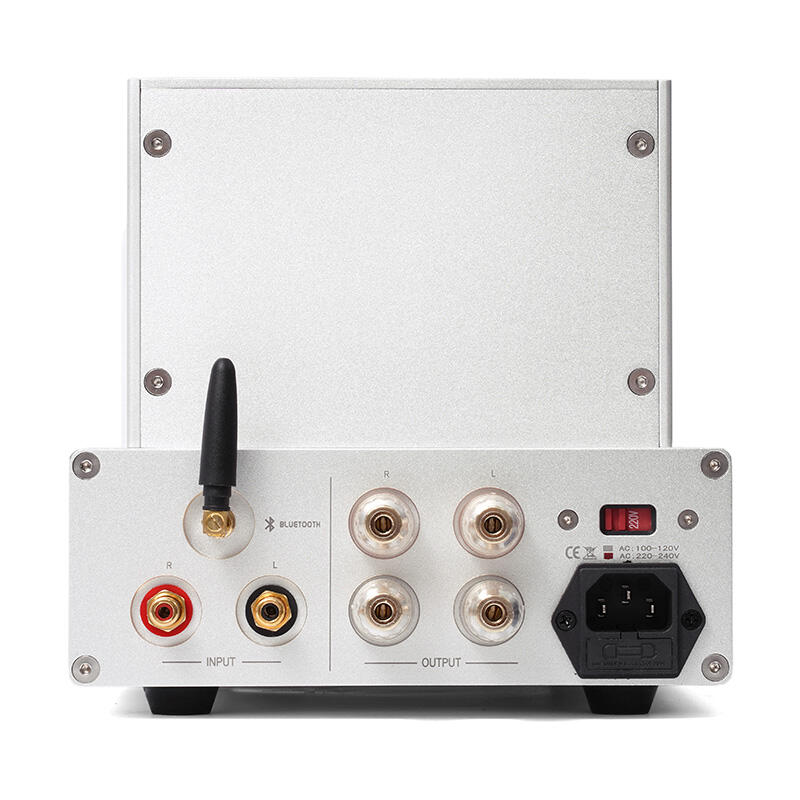
Modern audio enthusiasts face the constant challenge of balancing high-quality sound with space constraints in today's compact living environments. A digital mini amplifier emerges as the perfect solution for those seeking powerful audio performance without sacrificing valuable real estate in their homes, offices, or entertainment areas. These innovative devices combine cutting-edge digital technology with space-efficient design to deliver exceptional sound quality that rivals much larger traditional amplifiers. The evolution of digital amplification technology has revolutionized how we approach audio systems in smaller spaces, making it possible to achieve professional-grade sound reproduction in remarkably compact packages.
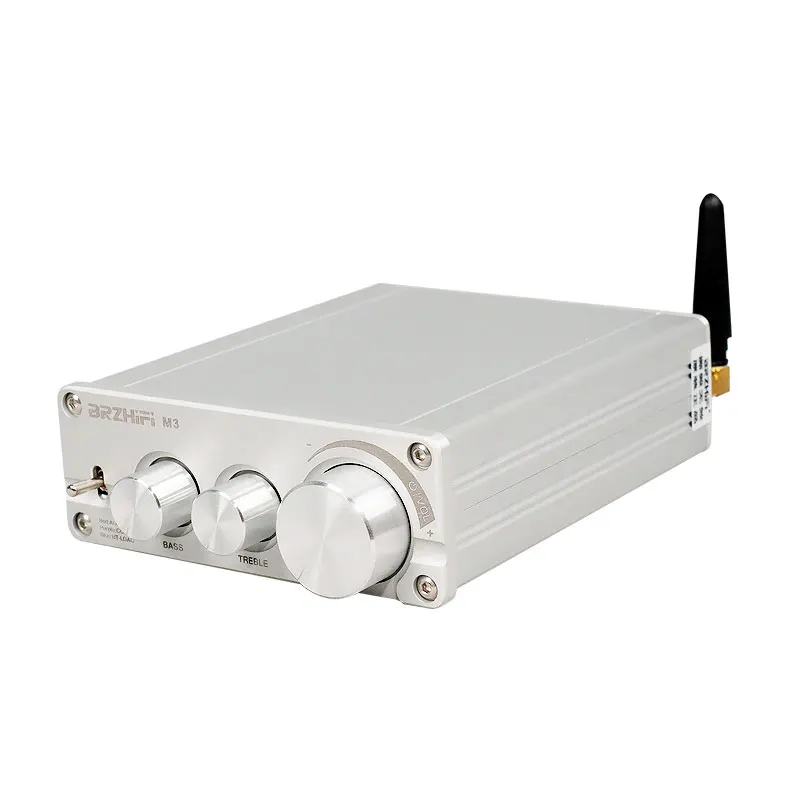
Understanding Digital Amplification Technology
The Science Behind Digital Processing
Digital amplification represents a significant advancement over traditional analog systems, utilizing sophisticated algorithms to process audio signals with unprecedented precision. Unlike conventional amplifiers that rely on analog circuitry, a digital mini amplifier converts incoming audio signals into digital data streams, processes them through advanced digital signal processors, and then reconstructs the signal for output. This approach eliminates many sources of distortion and noise that plague traditional amplifiers, resulting in cleaner, more accurate sound reproduction. The digital processing also enables advanced features such as equalization, crossover filtering, and dynamic range compression to be implemented in software rather than requiring additional hardware components.
The efficiency gains from digital processing are particularly remarkable in compact designs. Traditional Class A and Class AB amplifiers generate substantial heat and require large heat sinks, making miniaturization challenging. Digital mini amplifier designs typically employ Class D topology, which achieves efficiency ratings exceeding 90% compared to the 50-70% efficiency of analog designs. This dramatic improvement in efficiency translates directly into reduced heat generation, allowing manufacturers to create incredibly compact units without compromising performance or reliability.
Advanced Signal Processing Capabilities
Modern digital mini amplifier units incorporate sophisticated digital signal processing capabilities that would be impossible to achieve in analog designs of similar size. These processors can perform real-time analysis of the audio signal, automatically adjusting parameters such as frequency response, phase alignment, and dynamic range to optimize sound quality for different types of content. Many units feature built-in room correction algorithms that can compensate for acoustic irregularities in the listening environment, effectively turning any space into an optimized listening room.
The programmable nature of digital processing also enables manufacturers to continuously improve performance through firmware updates, adding new features and optimizations long after the initial purchase. This future-proofing capability ensures that a digital mini amplifier investment remains current with evolving audio standards and user preferences. Additionally, digital processing enables precise control over crossover frequencies, time alignment, and other parameters that are critical for multi-driver speaker systems, all managed through intuitive user interfaces rather than complex analog adjustments.
Space Efficiency and Design Advantages
Maximizing Performance in Minimal Footprint
The compact nature of a digital mini amplifier makes it ideal for modern living spaces where every square inch matters. These units typically measure less than a quarter of the size of equivalent traditional amplifiers while delivering comparable or superior performance. The space savings become even more significant when considering the reduced need for ventilation clearance, as the high efficiency of digital designs generates minimal heat during operation. This allows for flexible placement options including desktop mounting, shelf installation, or even hidden mounting behind televisions or inside furniture.
The reduced size and weight also make digital mini amplifier units highly portable, enabling users to easily relocate their audio systems as needed. This mobility is particularly valuable for professionals who need high-quality audio in multiple locations, or for homeowners who want to move their entertainment systems between different rooms or outdoor spaces. The compact design also simplifies installation in custom applications such as built-in entertainment centers or automotive audio systems where space constraints are paramount.
Integration with Modern Lifestyle
Contemporary digital mini amplifier designs prioritize aesthetic appeal alongside technical performance, featuring sleek, minimalist appearances that complement modern decor styles. Many units incorporate premium materials such as brushed aluminum, tempered glass, or carbon fiber finishes that enhance their visual appeal while providing functional benefits such as electromagnetic shielding and vibration damping. The clean, uncluttered appearance of these amplifiers makes them suitable for visible placement in living areas without detracting from interior design schemes.
The integration capabilities extend beyond physical appearance to include connectivity options that match contemporary usage patterns. Most digital mini amplifier models feature multiple input options including Bluetooth wireless connectivity, USB ports for direct digital playback, optical and coaxial digital inputs, and traditional analog connections. This versatility ensures compatibility with everything from smartphones and tablets to high-end digital audio players and streaming devices, making them truly universal solutions for modern audio needs.
Performance Benefits and Sound Quality
Superior Audio Fidelity
The sound quality delivered by a properly designed digital mini amplifier often surprises users accustomed to associating larger size with better performance. Digital processing enables precise control over every aspect of the audio signal path, resulting in extremely low distortion levels, wide frequency response, and excellent dynamic range. The absence of analog processing stages eliminates many sources of noise and interference that can degrade sound quality in traditional amplifiers, while the digital domain processing allows for perfect channel matching and phase alignment.
The high-resolution capabilities of modern digital mini amplifier designs support advanced audio formats including high-resolution PCM and DSD files, enabling full appreciation of audiophile-quality recordings. Many units can process audio at sampling rates up to 192kHz with 24-bit resolution or higher, preserving every nuance of the original recording. This capability is particularly important for critical listening applications and professional audio work where accuracy and detail are paramount.
Power Delivery and Efficiency
Despite their compact size, digital mini amplifier units can deliver impressive power output sufficient to drive a wide range of speaker systems. The high efficiency of Class D output stages means that more of the input power is converted to useful audio output rather than being wasted as heat. This efficiency advantage allows compact amplifiers to deliver power levels that would require much larger traditional designs, making them suitable for everything from desktop nearfield monitors to full-range bookshelf speakers.
The power delivery characteristics of digital amplification also provide better control over speaker drivers, particularly in the critical bass frequencies where precise control is essential for tight, accurate reproduction. The low output impedance and high damping factor typical of digital mini amplifier designs ensure optimal speaker control across the entire frequency range, resulting in more accurate bass response and better overall coherence.
Connectivity and Versatility Features
Wireless and Digital Connectivity
Modern digital mini amplifier designs prioritize connectivity options that match contemporary usage patterns and source devices. Bluetooth connectivity has become virtually standard, with many units supporting advanced codecs such as aptX HD, LDAC, or proprietary high-quality wireless protocols that maintain near-lossless audio quality over wireless connections. This wireless capability eliminates cable clutter while providing seamless integration with smartphones, tablets, laptops, and other mobile devices.
Digital input options typically include USB ports that can accept direct digital audio streams from computers or dedicated music servers, optical and coaxial S/PDIF inputs for connection to CD players, streaming devices, and television audio outputs. Many units also feature network connectivity options including Wi-Fi and Ethernet connections that enable integration with home network music systems and streaming services. These comprehensive connectivity options ensure that a digital mini amplifier can serve as the central hub for virtually any audio system configuration.
Control and Customization Options
The programmable nature of digital processing enables sophisticated control and customization capabilities that would be impossible in analog designs. Many digital mini amplifier units include companion mobile applications that provide comprehensive control over all amplifier functions, including input selection, volume control, equalization settings, and advanced parameters such as crossover frequencies and time delays. These applications often feature intuitive graphical interfaces that make complex adjustments accessible to users without technical expertise.
Advanced models may include room correction capabilities that use built-in or external microphones to analyze the acoustic characteristics of the listening environment and automatically optimize the frequency response for optimal sound quality. This technology, previously available only in high-end professional systems, brings studio-quality optimization to compact home audio systems. The ability to save multiple presets allows users to quickly switch between different optimization profiles for various listening preferences or room configurations.
Installation and Setup Considerations
Placement and Ventilation Requirements
The installation flexibility of a digital mini amplifier stems largely from its minimal ventilation requirements and compact form factor. Unlike traditional amplifiers that require substantial clearance for heat dissipation, these units can be placed in confined spaces such as entertainment centers, desk drawers, or wall-mounted enclosures. The low heat generation also eliminates the need for cooling fans in most designs, contributing to silent operation that won't interfere with quiet listening sessions or video content.
When selecting placement locations, consider proximity to source devices and speakers to minimize cable runs, while ensuring easy access to controls and connections. Many digital mini amplifier models feature remote control capabilities that eliminate the need for frequent physical access, making hidden installations more practical. The stable operation characteristics also make these units suitable for unconventional mounting orientations, including vertical or inverted installations that might be necessary in space-constrained environments.
Speaker Compatibility and Matching
Proper speaker matching is crucial for optimal performance from any digital mini amplifier system. These amplifiers typically work best with speakers having impedances between 4 and 8 ohms, though many models can safely drive lower impedance loads when properly configured. The high damping factor and low output impedance of digital designs make them particularly well-suited to driving modern bookshelf speakers and studio monitors that benefit from precise driver control.
Power matching considerations differ somewhat from traditional amplifier designs due to the different power delivery characteristics of digital amplification. While a digital mini amplifier might be rated at lower continuous power than traditional designs, the peak power delivery and current capabilities often exceed specifications, making them capable of driving speakers with higher power requirements than their ratings might suggest. This characteristic makes power matching less critical while still maintaining headroom for dynamic musical passages.
Cost-Effectiveness and Value Proposition
Economic Advantages
The cost-effectiveness of a digital mini amplifier extends beyond the initial purchase price to include long-term operational savings and value retention. The high efficiency of digital designs translates directly into lower electricity consumption, particularly important for systems that operate continuously or for extended periods. The reduced heat generation also contributes to longer component life and reduced maintenance requirements compared to traditional analog amplifiers that stress components through thermal cycling.
Manufacturing efficiencies in digital amplifier production often result in better price-to-performance ratios compared to equivalent analog designs. The reduced component count, smaller chassis requirements, and streamlined assembly processes enable manufacturers to offer sophisticated features and high-quality construction at price points previously associated with basic analog amplifiers. This economic advantage makes high-quality audio systems accessible to a broader range of users and applications.
Future-Proofing and Upgradeability
The software-based nature of digital processing provides inherent future-proofing capabilities that protect the investment value of a digital mini amplifier. Firmware updates can add new features, improve existing functionality, and ensure compatibility with evolving audio standards without requiring hardware modifications. This upgradeability extends the useful life of the amplifier and maintains its relevance as audio technologies continue to advance.
The modular connectivity options typical of modern digital mini amplifier designs also facilitate system expansion and modification over time. Additional input modules, wireless capabilities, or processing features can often be added through firmware updates or optional hardware accessories, allowing the system to grow and adapt to changing requirements. This flexibility represents significant value compared to traditional amplifiers that offer limited upgradeability and may become obsolete as connection standards evolve.
Applications and Use Cases
Home Entertainment Systems
Digital mini amplifier technology excels in home entertainment applications where space efficiency and performance must coexist. These units provide ideal solutions for powering bookshelf speakers in living rooms, bedrooms, or home offices where traditional large amplifiers would be impractical. The wireless connectivity options make them particularly suitable for streaming music from mobile devices or network sources without the cable management challenges associated with traditional systems.
For home theater applications, a digital mini amplifier can serve as an excellent stereo amplifier for front left and right speakers, or as dedicated amplifiers for surround channels where space behind or beside seating areas is limited. The clean, detailed sound reproduction capabilities make them well-suited for both music listening and movie soundtrack reproduction, while the compact size enables flexible placement that doesn't interfere with room aesthetics or functionality.
Professional and Commercial Applications
The reliability and performance characteristics of quality digital mini amplifier designs make them attractive for professional applications including studio monitoring, retail background music systems, and commercial installations. The consistent performance, low maintenance requirements, and silent operation characteristics are particularly valuable in professional environments where reliability and predictable performance are essential.
In commercial settings such as restaurants, retail stores, or offices, the combination of compact size, efficient operation, and quality sound reproduction makes digital mini amplifier systems cost-effective solutions for background music and public address applications. The networking capabilities of advanced models enable centralized control and management of distributed audio systems, while the energy efficiency helps minimize operational costs in commercial environments where systems may operate continuously.
FAQ
What power output should I expect from a digital mini amplifier
Digital mini amplifier power ratings typically range from 20 to 100 watts per channel, though the actual usable power depends on the specific design and intended application. The high efficiency and excellent power delivery characteristics of digital designs mean that these amplifiers can effectively drive most bookshelf and monitor speakers with authority. The key is matching the amplifier's capabilities to your specific speakers and listening requirements rather than simply comparing power numbers.
Can a digital mini amplifier replace my traditional receiver
A digital mini amplifier can effectively replace traditional receivers for many applications, particularly stereo music listening and simple home theater setups. However, you'll need to consider whether you require the additional features typically found in receivers such as AM/FM radio, multiple zone control, or extensive surround sound processing. Many users find that the superior sound quality and flexibility of dedicated digital amplification outweighs the loss of some convenience features.
How do I connect multiple sources to a digital mini amplifier
Most digital mini amplifier units include multiple input options such as Bluetooth wireless, USB, optical digital, and analog RCA connections. For additional sources beyond the built-in inputs, you can use an external input selector switch or a digital audio matrix switcher. Many users find that the wireless connectivity options handle most modern source devices, while one or two wired connections accommodate legacy equipment or high-priority sources that benefit from wired connections.
What maintenance is required for digital mini amplifier systems
Digital mini amplifier maintenance requirements are minimal compared to traditional analog designs. The primary maintenance involves keeping the unit clean and dust-free, ensuring adequate ventilation around any heat-generating components, and periodically checking cable connections. The solid-state digital design eliminates the need for tube replacement or bias adjustments, while the high efficiency and low heat generation contribute to extended component life and reliable operation with minimal intervention.