
 EN
EN
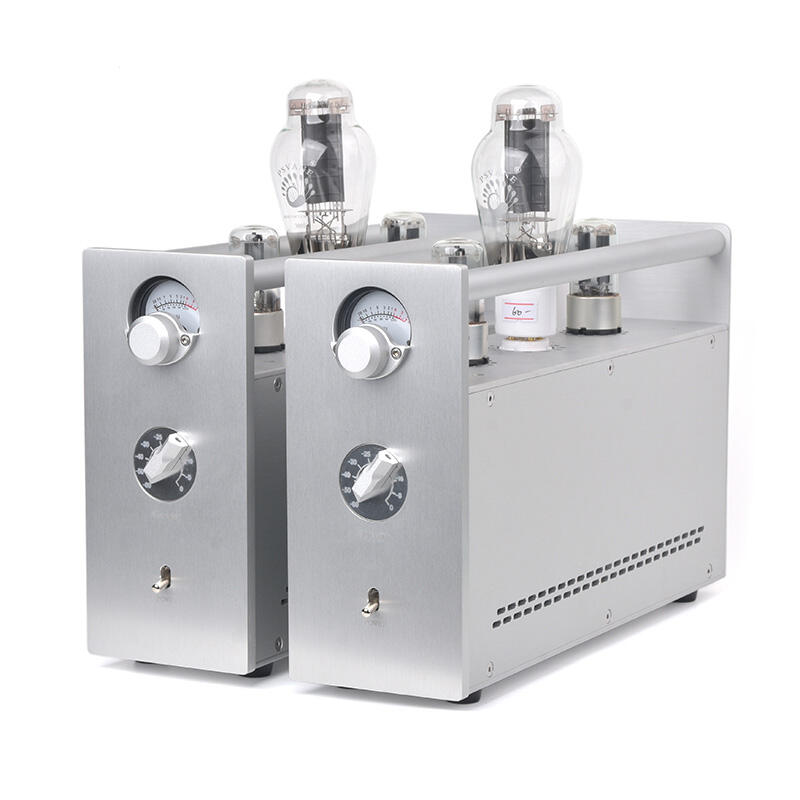
Modern audio enthusiasts often find themselves questioning whether compact amplification solutions can deliver the power and quality needed for their listening setups. A digital mini amplifier represents a revolutionary approach to audio amplification, combining advanced digital processing with remarkably compact form factors. These devices have transformed how we think about powering small to medium-sized speaker systems, offering impressive performance despite their diminutive size. The evolution of digital amplification technology has made it possible to achieve high-quality sound reproduction without the bulk and heat generation associated with traditional analog amplifiers.
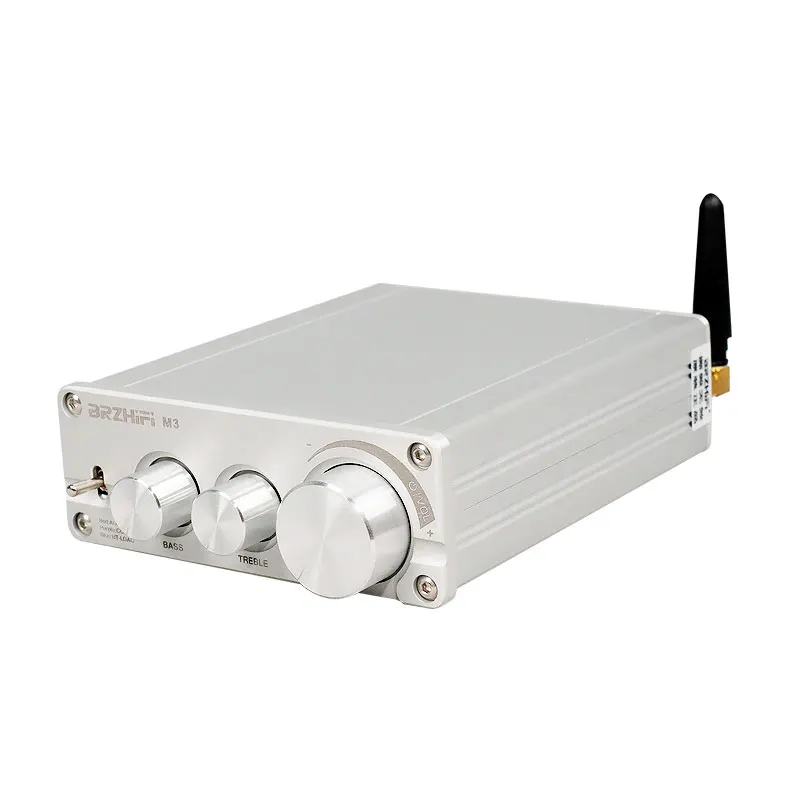
The fundamental question surrounding digital mini amplifiers centers on their capability to drive speakers effectively while maintaining audio fidelity. Understanding the technical specifications and real-world performance characteristics of these devices helps determine their suitability for various applications. From desktop setups to small home theater configurations, the versatility of digital mini amplifiers continues to expand as manufacturers refine their designs and incorporate cutting-edge technologies.
Understanding Digital Amplification Technology
Core Principles of Digital Amplification
Digital amplification operates on fundamentally different principles compared to traditional analog amplifiers. Instead of continuously varying the output signal, a digital mini amplifier uses pulse-width modulation to create high-frequency switching patterns that represent the audio signal. This approach allows for significantly higher efficiency rates, typically exceeding 90%, compared to the 60-70% efficiency of conventional Class A or Class AB amplifiers. The digital processing eliminates much of the heat generation that plagues traditional amplifiers, enabling manufacturers to create remarkably compact designs without compromising performance.
The switching frequency in modern digital mini amplifiers typically operates well above the audible range, usually between 200kHz and 1MHz. This high-frequency operation ensures that the switching noise remains inaudible while allowing for precise control over the output waveform. Advanced digital signal processing algorithms continuously monitor and adjust the switching patterns to maintain optimal performance across varying load conditions and frequency ranges.
Advantages of Digital Architecture
The digital architecture inherent in these amplifiers provides numerous benefits beyond simple size reduction. Digital mini amplifiers can incorporate sophisticated features like digital crossovers, room correction, and dynamic range compression directly within the amplification stage. This integration eliminates the need for external processing equipment, simplifying system setup while potentially improving signal integrity by reducing the number of analog-to-digital conversions in the signal path.
Power supply efficiency represents another significant advantage of digital amplification. The high efficiency means less energy waste, resulting in cooler operation and reduced power consumption. This efficiency translates to longer battery life in portable applications and lower operating costs in permanent installations. Additionally, the reduced heat generation allows for more compact enclosures and eliminates the need for large heat sinks or active cooling systems.
Power Output Capabilities and Speaker Matching
Understanding Power Ratings
When evaluating whether a digital mini amplifier can adequately power a speaker system, understanding power ratings becomes crucial. These amplifiers typically provide power outputs ranging from 10 watts to over 100 watts per channel, depending on the specific model and design. However, the relationship between amplifier power and speaker requirements involves more complexity than simply matching wattage numbers. The impedance matching between amplifier and speakers significantly affects the actual power delivery and overall system performance.
Most digital mini amplifiers perform optimally with speaker impedances of 4 to 8 ohms, though some models can handle 2-ohm loads effectively. The power output typically varies inversely with speaker impedance, meaning lower impedance speakers will draw more power from the amplifier. This relationship must be carefully considered when selecting speakers to ensure the amplifier operates within its safe operating parameters while delivering sufficient volume levels for the intended application.
Speaker Efficiency Considerations
Speaker efficiency plays a crucial role in determining whether a digital mini amplifier can provide adequate volume and dynamic range. Highly efficient speakers, typically rated above 90dB sensitivity, can produce impressive sound levels even with modest amplifier power. Conversely, inefficient speakers may require significantly more power to achieve the same volume levels, potentially pushing a compact amplifier beyond its optimal operating range.
The acoustic environment also influences the power requirements significantly. Small rooms require less power to achieve satisfying volume levels, while larger spaces or outdoor applications demand more power for adequate coverage. Understanding these relationships helps determine whether a particular digital mini amplifier configuration will meet specific performance requirements without compromising sound quality or reliability.
Audio Quality and Performance Characteristics
Frequency Response and Linearity
Modern digital mini amplifiers demonstrate impressive frequency response characteristics, often matching or exceeding the performance of much larger traditional amplifiers. The digital processing allows for precise control over the frequency response curve, enabling manufacturers to optimize performance for specific applications or speaker types. Many units provide flat response from 20Hz to 20kHz, ensuring faithful reproduction across the entire audible spectrum without unwanted coloration or distortion.
Total harmonic distortion levels in quality digital mini amplifiers typically measure below 0.1% at normal listening levels, comparing favorably with high-end analog amplifiers. This low distortion contributes to clean, detailed sound reproduction that preserves the nuances in recorded material. The digital architecture also provides excellent channel separation and stereo imaging, creating a spacious and well-defined soundstage despite the compact form factor.
Dynamic Range and Headroom
The dynamic range capabilities of digital mini amplifiers have improved dramatically with advances in digital-to-analog conversion and power supply design. Modern units can handle sudden transients and peak demands effectively, providing sufficient headroom for musical peaks without audible compression or clipping. This performance characteristic proves particularly important for complex musical material or movie soundtracks that feature wide dynamic ranges.
Noise floor performance in digital mini amplifiers often surpasses traditional analog designs, thanks to the inherent noise immunity of digital signal processing. The absence of thermal noise from output transistors operating in their linear region, combined with sophisticated power supply filtering, results in virtually silent background performance that allows subtle musical details to emerge clearly.
Connectivity and Integration Features
Input Options and Flexibility
Contemporary digital mini amplifiers offer diverse connectivity options that enhance their versatility in modern audio systems. Bluetooth connectivity has become standard, supporting high-quality codecs like aptX and LDAC for wireless streaming from smartphones, tablets, and computers. Many models also incorporate USB inputs for direct digital connection to computers, bypassing potentially noisy analog connections and leveraging the amplifier's internal digital-to-analog conversion capabilities.
Traditional analog inputs remain important for connecting legacy sources like CD players, turntables with phono preamps, or other analog audio equipment. The inclusion of multiple input types allows a single digital mini amplifier to serve as the central hub for various audio sources, simplifying system complexity while maintaining signal quality. Some advanced models feature automatic input switching, seamlessly transitioning between sources based on signal detection or user preferences.
Digital Signal Processing Features
Advanced digital mini amplifiers incorporate sophisticated signal processing capabilities that were previously available only in expensive dedicated processors. Bass and treble controls, implemented in the digital domain, provide precise tonal adjustment without introducing the phase shifts and distortions associated with analog tone controls. Some models include parametric equalization, allowing users to fine-tune the frequency response for room acoustics or personal preferences.
Digital crossover functionality enables bi-amplification setups where separate amplifier channels drive different frequency ranges of a speaker system. This capability can significantly improve system performance by reducing intermodulation distortion and allowing for optimized amplifier allocation based on the power requirements of different frequency ranges. The digital implementation provides steep, linear-phase crossover slopes that maintain phase coherence across the frequency spectrum.
Practical Applications and Use Cases
Desktop and Near-Field Monitoring
Desktop computer systems represent an ideal application for digital mini amplifiers, where space constraints and proximity to sensitive electronic equipment make traditional amplifiers impractical. The compact size and low electromagnetic interference characteristics of digital mini amplifiers make them perfect companions for computer-based audio systems. Their ability to drive bookshelf speakers or studio monitors effectively within arm's reach provides an immersive listening experience for music, gaming, or multimedia content.
Professional applications in recording studios and broadcast facilities increasingly utilize digital mini amplifiers for near-field monitoring and reference systems. The accurate sound reproduction and low noise floor make them suitable for critical listening applications where audio professionals need to evaluate recordings and mixes accurately. The ability to integrate seamlessly with digital audio workstations through USB or other digital connections streamlines the workflow while maintaining signal integrity.
Home Theater and Multi-Room Systems
Small to medium-sized home theater installations benefit significantly from the capabilities of modern digital mini amplifiers. Their ability to drive surround speakers, height channels, or zone 2 applications provides flexibility in system design while maintaining excellent audio quality. The compact size allows for discrete installation behind televisions or within equipment racks where space is at a premium.
Multi-room audio systems leverage the networking capabilities and compact form factor of digital mini amplifiers to distribute high-quality audio throughout residential or commercial spaces. The efficiency and cool operation enable installation in confined spaces like ceiling voids or equipment closets without ventilation concerns. Wireless connectivity options simplify installation by eliminating the need for long analog cable runs that could introduce noise or signal degradation.
Selection Criteria and Buying Guidelines
Matching Amplifier to Application
Selecting the appropriate digital mini amplifier requires careful consideration of the intended application and performance requirements. Power output specifications should align with speaker sensitivity and room size to ensure adequate volume capabilities without overdriving the amplifier. Understanding the relationship between speaker impedance and amplifier power output helps optimize the matching for both performance and reliability.
Connectivity requirements play a crucial role in amplifier selection, particularly in modern systems where multiple digital and analog sources need accommodation. Evaluating the available input types, wireless capabilities, and integration features ensures the chosen amplifier can serve as an effective system hub. Consider future expansion needs, as additional sources or system complexity may require features not immediately apparent in the initial installation.
Build Quality and Reliability Factors
The compact nature of digital mini amplifiers places significant demands on component quality and thermal management. Premium models utilize high-grade digital processing chips, quality analog output stages, and robust power supply designs that ensure long-term reliability. Adequate heat dissipation through well-designed enclosures and thermal management prevents performance degradation and extends component life.
Warranty coverage and manufacturer support become particularly important given the complexity of digital mini amplifiers and their integration with various source devices. Established manufacturers with proven track records in digital audio equipment typically provide better long-term support and firmware updates that can enhance functionality and compatibility with evolving digital audio standards.
FAQ
What power output do I need from a digital mini amplifier for bookshelf speakers?
For typical bookshelf speakers with 85-88dB sensitivity in a small to medium room, a digital mini amplifier providing 25-50 watts per channel will deliver adequate volume levels for most listening applications. Higher sensitivity speakers or smaller rooms may require even less power, while inefficient speakers or larger spaces might need 75-100 watts per channel for optimal performance.
Can digital mini amplifiers match the sound quality of traditional analog amplifiers?
High-quality digital mini amplifiers can absolutely match and often exceed the performance of traditional analog amplifiers in terms of measured specifications like distortion, noise floor, and frequency response. The sound quality depends more on the implementation quality and component selection than the amplification technology itself. Many listeners find digital mini amplifiers provide cleaner, more detailed sound reproduction compared to similarly priced analog alternatives.
Do digital mini amplifiers work well with vinyl turntables?
Digital mini amplifiers work excellently with turntables when a proper phono preamp is used to boost and equalize the cartridge signal to line level. Many turntables include built-in preamps, or separate phono preamps can be used between the turntable and amplifier. The low noise floor and accurate reproduction characteristics of digital mini amplifiers actually complement vinyl playback very well, preserving the analog warmth while adding digital precision.
What are the main limitations of digital mini amplifiers?
The primary limitations include power output constraints compared to large traditional amplifiers, making them less suitable for very inefficient speakers or extremely large rooms. Some models may have limited input options compared to full-sized receivers, and the compact size may restrict advanced features like multiple zone capability or extensive manual controls. However, these limitations are often offset by the convenience, efficiency, and excellent sound quality they provide in appropriate applications.