
 EN
EN
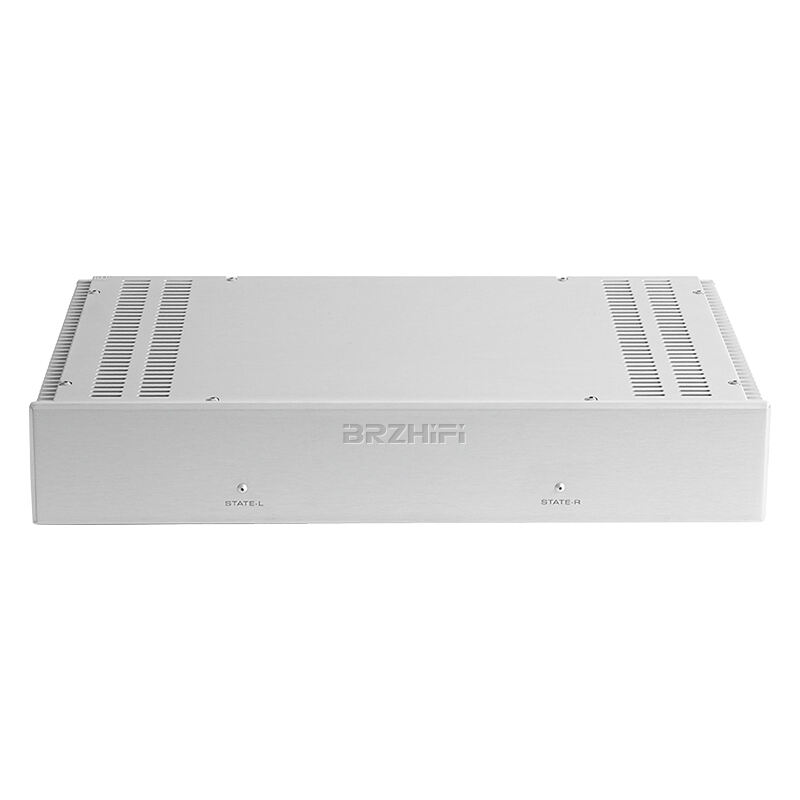
Choosing the right digital stereo amp for your home audio setup requires careful consideration of multiple technical and practical factors. Modern audiophiles increasingly turn to digital amplification technology for its superior efficiency, compact design, and exceptional sound quality. A high-quality digital stereo amp can transform your listening experience by delivering clean, powerful audio reproduction across various music genres and sources. Understanding the key specifications, connectivity options, and performance characteristics will help you make an informed decision that matches your specific audio requirements and budget constraints.
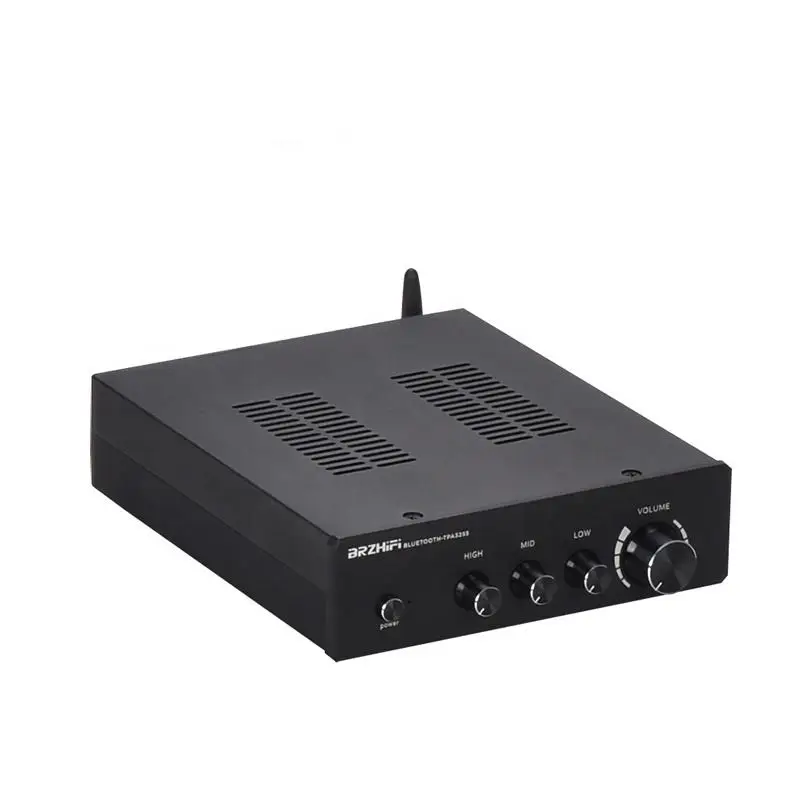
Understanding Digital Amplification Technology
Class D Amplifier Benefits
Digital stereo amp technology primarily utilizes Class D amplification, which offers significant advantages over traditional analog designs. Class D amplifiers achieve remarkable efficiency ratings often exceeding 90 percent, generating minimal heat while delivering substantial power output. This efficiency translates into smaller form factors, reduced cooling requirements, and lower electricity consumption during operation. The switching technology employed in these amplifiers enables precise control over audio signals, resulting in minimal distortion and excellent dynamic range performance.
Modern digital stereo amp designs incorporate advanced pulse-width modulation techniques that maintain signal integrity throughout the amplification process. These technological improvements have eliminated many early concerns about digital amplification, such as electromagnetic interference and high-frequency noise. Contemporary models feature sophisticated filtering systems and shielding that ensure clean audio reproduction without unwanted artifacts or interference with other electronic devices in your home environment.
Signal Processing Capabilities
Advanced digital stereo amp models integrate comprehensive signal processing features that enhance audio performance and user control. Digital signal processing algorithms can correct room acoustics, adjust frequency response curves, and optimize sound staging for different listening positions. These intelligent processing capabilities allow users to customize their audio experience according to personal preferences and room characteristics without requiring external equipment or complex setup procedures.
Many premium digital amplifiers include built-in digital-to-analog converters that support high-resolution audio formats including DSD, PCM, and various compressed formats. This integration eliminates the need for separate DAC components while ensuring optimal signal conversion quality throughout the audio chain. The result is improved sound clarity, enhanced detail retrieval, and more accurate reproduction of recorded material across all frequency ranges.
Power Output and Impedance Matching
Determining Adequate Power Requirements
Selecting appropriate power output for your digital stereo amp depends on speaker sensitivity ratings, room size, and desired listening levels. Most home audio applications require between 50 to 200 watts per channel for satisfactory performance, though specific requirements vary based on speaker efficiency and acoustic environment characteristics. Higher sensitivity speakers require less amplifier power to achieve the same volume levels, while lower sensitivity designs demand more substantial power reserves for optimal performance.
Consider peak power handling capabilities when evaluating amplifier specifications, as dynamic music passages often require significantly more power than average listening levels suggest. A quality digital stereo amp should provide adequate headroom to handle transient peaks without distortion or clipping, ensuring clean reproduction even during demanding musical passages. This headroom prevents compression artifacts and maintains the natural dynamics present in high-quality recordings.
Speaker Impedance Compatibility
Proper impedance matching between your digital stereo amp and speakers ensures optimal power transfer and prevents potential damage to either component. Most home speakers feature nominal impedance ratings of 4, 6, or 8 ohms, and your amplifier must be capable of driving these loads safely and efficiently. Lower impedance speakers draw more current from the amplifier, requiring robust power supply designs and adequate heat dissipation capabilities.
Verify that your chosen digital stereo amp specifications include power ratings at your speakers impedance levels, as power output typically varies with load impedance. Some amplifiers provide significantly more power into lower impedance loads, while others maintain consistent output across different impedance values. Understanding these characteristics helps ensure compatibility and prevents potential performance issues or component damage during operation.
Connectivity and Input Options
Analog Input Configurations
Modern digital stereo amp designs typically include multiple analog input options to accommodate various source components and connection preferences. Standard RCA line inputs provide compatibility with CD players, turntables with built-in preamps, and other analog sources. Some models feature balanced XLR inputs that offer superior noise rejection and signal integrity, particularly beneficial in environments with potential electromagnetic interference or when using longer cable runs.
Input sensitivity and gain adjustment capabilities allow fine-tuning of signal levels to match source component output characteristics. Proper gain staging prevents both under-driving and overloading the amplifier input stages, ensuring optimal signal-to-noise ratios and dynamic range performance. Variable or switchable gain settings accommodate different source types and output levels without requiring external attenuation or amplification devices.
Digital Input Integration
Contemporary digital stereo amp models frequently incorporate various digital input formats including USB, optical, coaxial, and Bluetooth connectivity options. USB inputs support direct connection to computers and digital audio players, often providing high-resolution audio capability beyond standard CD quality. Optical and coaxial digital inputs enable connection to CD players, streaming devices, and television audio outputs while maintaining signal purity throughout the transmission path.
Wireless connectivity through Bluetooth or Wi-Fi expands source options to include smartphones, tablets, and streaming services without requiring physical cable connections. Advanced digital stereo amp designs support high-quality wireless audio codecs such as aptX or LDAC that maintain superior sound quality compared to standard Bluetooth transmission. These wireless capabilities provide convenient access to vast music libraries and streaming platforms while preserving audio fidelity.
Build Quality and Component Selection
Power Supply Design
The power supply represents a critical component in any digital stereo amp design, directly affecting performance, reliability, and sound quality characteristics. Switch-mode power supplies commonly found in digital amplifiers offer excellent efficiency and compact dimensions while providing stable voltage regulation under varying load conditions. High-quality implementations include comprehensive filtering and regulation circuits that minimize noise and ensure consistent performance across different operating conditions.
Linear power supplies, while less common in digital amplifier designs, may offer superior isolation and potentially lower noise floors in premium applications. The choice between these approaches often reflects design priorities and cost considerations, with both technologies capable of excellent performance when properly implemented. Adequate power supply capacity ensures stable operation even during demanding musical passages that require substantial instantaneous power delivery.
Construction and Thermal Management
Robust mechanical construction contributes significantly to long-term reliability and performance consistency in digital stereo amp designs. Quality chassis materials and construction techniques minimize vibration-induced effects while providing adequate electromagnetic shielding. Proper component layout and grounding schemes reduce potential interference and maintain signal integrity throughout the amplifier circuitry.
Effective thermal management ensures stable operation and component longevity, particularly important given the high switching frequencies employed in digital amplification. Adequate heat sinking, ventilation, and component spacing prevent thermal stress while maintaining optimal performance characteristics. Some designs incorporate active cooling systems or intelligent thermal protection circuits that adjust operation parameters to prevent overheating during extended high-power operation.
Performance Evaluation and Testing
Measurement Criteria
Evaluating digital stereo amp performance requires understanding key specifications including total harmonic distortion, signal-to-noise ratio, frequency response, and damping factor measurements. Total harmonic distortion figures indicate the amplifier ability to reproduce signals without adding unwanted harmonic content, with lower values generally indicating superior performance. However, distortion measurements should be considered alongside power output levels and frequency ranges to provide meaningful performance assessment.
Signal-to-noise ratio specifications reveal the amplifier ability to maintain clean backgrounds during quiet passages, with higher values indicating superior performance. Frequency response measurements demonstrate the amplifier ability to reproduce all audible frequencies with consistent amplitude, while damping factor specifications indicate control over speaker driver movement and bass response characteristics. These measurements provide objective performance indicators that complement subjective listening evaluations.
Listening Test Considerations
Subjective evaluation through careful listening tests remains essential when selecting a digital stereo amp, as measurements alone cannot capture all aspects of musical reproduction quality. Listen to familiar recordings across various genres to assess tonal balance, soundstage presentation, and dynamic capabilities. Pay attention to detail retrieval, particularly in complex musical passages, and evaluate the amplifier ability to maintain composure during loud dynamic peaks.
Consider the amplifier performance with your specific speakers and room acoustics, as synergy between components significantly affects overall system performance. Some digital stereo amp designs may complement certain speaker characteristics better than others, making in-system evaluation particularly valuable. Extended listening sessions help identify any fatigue-inducing characteristics or long-term sonic preferences that brief demonstrations might not reveal.
Budget Considerations and Value Assessment
Feature Priority Analysis
Establishing clear priorities helps optimize your digital stereo amp selection within budget constraints while ensuring essential features receive adequate attention. Core amplification quality typically represents the most important investment area, as superior power supply design and output stage implementation directly affect sound quality and reliability. Advanced features such as digital signal processing, wireless connectivity, or multiple input options may be valuable additions but should not compromise fundamental amplification performance.
Consider future expansion possibilities when evaluating feature sets, as additional inputs or processing capabilities may prove valuable as your system evolves. However, avoid paying premiums for features unlikely to be utilized in your specific application. Focusing budget allocation on components that directly affect your listening experience ensures optimal value and performance satisfaction within financial constraints.
Long-term Value Considerations
Quality digital stereo amp designs often provide excellent long-term value through reliable operation, consistent performance, and adequate power reserves for future speaker upgrades. Higher initial investment in superior build quality and robust design typically results in lower total ownership costs through reduced maintenance requirements and extended service life. Consider warranty coverage and manufacturer support quality when evaluating long-term value propositions.
Resale value considerations may influence selection decisions, particularly for premium models from established manufacturers with strong market recognition. Digital amplification technology continues evolving rapidly, but fundamental quality factors such as build quality, power output capability, and basic connectivity options tend to retain relevance longer than cutting-edge features that may become obsolete relatively quickly.
FAQ
What power output do I need for my digital stereo amp
Power requirements depend on your speaker sensitivity, room size, and desired listening levels. Most home applications work well with 50-200 watts per channel, but higher efficiency speakers need less power while lower sensitivity designs require more. Consider peak power handling for dynamic music passages, and ensure your digital stereo amp provides adequate headroom to prevent distortion during loud passages. Room acoustics and listening distance also influence power requirements significantly.
How do I match speaker impedance with my amplifier
Check your speaker impedance rating (typically 4, 6, or 8 ohms) and verify that your digital stereo amp can safely drive that load. Lower impedance speakers draw more current, so ensure your amplifier specifications include power ratings at your speaker impedance. Mismatched impedance can cause overheating, distortion, or damage to either component. Most quality amplifiers handle standard impedance ranges, but always verify compatibility before connecting.
What digital inputs should I look for in a stereo amplifier
Modern digital stereo amp models should include USB inputs for computer connections, optical and coaxial digital inputs for CD players and streaming devices, and Bluetooth for wireless sources. USB typically supports high-resolution audio beyond CD quality, while optical and coaxial maintain signal purity. Consider your current and future source components when selecting input options, and ensure the amplifier supports the audio formats you plan to use.
How important is the power supply in a digital amplifier
The power supply critically affects performance, sound quality, and reliability in any digital stereo amp design. Switch-mode supplies offer efficiency and compact size with proper filtering, while linear supplies may provide superior isolation in premium applications. Adequate power supply capacity ensures stable operation during demanding musical passages, and quality implementations minimize noise and maintain consistent voltage regulation under varying loads. Never compromise on power supply quality when selecting an amplifier.