
 EN
EN
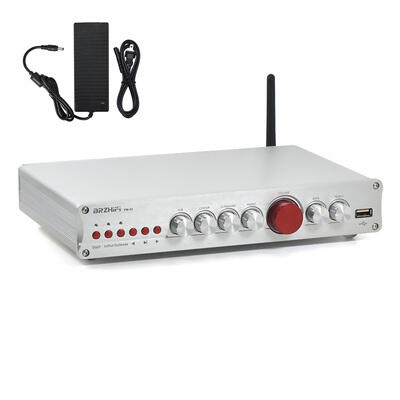
Modern audio systems demand precision, efficiency, and superior sound quality that traditional analog amplification methods often struggle to deliver. A digital audio amplifier represents the pinnacle of contemporary audio technology, offering unparalleled performance through advanced digital signal processing and Class-D amplification techniques. These innovative devices have transformed how we experience sound reproduction, providing crystal-clear audio with minimal power consumption and exceptional reliability. Audio enthusiasts and professionals alike are increasingly recognizing the substantial advantages that digital amplification brings to both home and commercial audio applications. The evolution from analog to digital has created new possibilities for audio fidelity that were previously unattainable with conventional amplification methods.
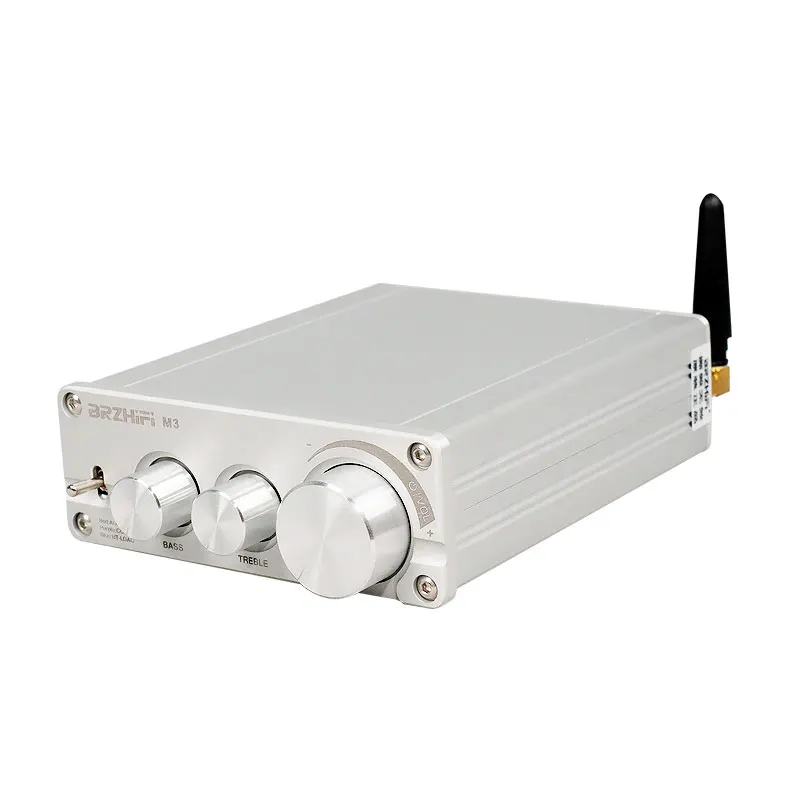
Understanding Digital Audio Amplifier Technology
Core Principles of Digital Amplification
Digital amplification fundamentally differs from traditional analog methods through its use of pulse-width modulation and switching technology. A digital audio amplifier converts analog audio signals into digital pulses that rapidly switch between on and off states, creating an efficient reproduction of the original waveform. This process eliminates many of the inefficiencies associated with linear amplification, where significant energy is lost as heat. The switching frequency in modern digital amplifiers typically operates well above the audible spectrum, ensuring that no unwanted artifacts interfere with the listening experience. This technological approach enables digital amplifiers to achieve efficiency ratings exceeding ninety percent, compared to the fifty to seventy percent efficiency of traditional Class-A or Class-AB amplifiers.
The precision of digital signal processing allows for sophisticated audio enhancement features that would be impossible to implement in purely analog systems. Advanced digital audio amplifier designs incorporate error correction algorithms, dynamic range optimization, and real-time frequency response adjustments. These capabilities ensure consistent performance across varying load conditions and environmental factors. The digital domain also facilitates integration with modern audio sources, including streaming services, digital audio workstations, and high-resolution audio formats. This seamless compatibility makes digital amplification the preferred choice for contemporary audio systems that demand versatility and future-proof functionality.
Class-D Amplification Benefits
Class-D amplification, the foundation of most digital audio amplifier designs, offers remarkable efficiency advantages over traditional amplification classes. This technology operates by rapidly switching output transistors between fully on and fully off states, minimizing the time spent in the linear region where power is wasted as heat. The result is dramatically reduced thermal management requirements, allowing for more compact amplifier designs without compromising power output capabilities. Modern Class-D implementations have overcome early concerns about switching noise and electromagnetic interference through improved filtering techniques and higher switching frequencies. These advancements have made digital amplification suitable for even the most demanding audiophile applications.
The thermal efficiency of Class-D technology enables digital audio amplifier manufacturers to create powerful yet portable devices that deliver exceptional performance without bulky heat sinks or cooling fans. This characteristic has revolutionized professional audio applications, where weight and space constraints are critical factors. The reduced heat generation also contributes to improved long-term reliability, as thermal stress is a primary cause of component failure in traditional amplifiers. Additionally, the efficiency gains translate directly to lower operating costs, making digital amplification an environmentally responsible choice for both residential and commercial installations.
Performance Advantages of Digital Audio Amplifiers
Superior Sound Quality Characteristics
Digital audio amplifier technology delivers exceptional sound quality through precise signal reproduction and minimal distortion characteristics. The switching nature of Class-D amplification, when properly implemented, produces total harmonic distortion figures that rival or exceed those of traditional linear amplifiers. Modern digital designs achieve signal-to-noise ratios exceeding one hundred decibels, ensuring that even the most subtle musical details remain clearly audible above the noise floor. The absence of thermal drift, a common issue in analog amplifiers, means that performance remains consistent throughout extended listening sessions. This stability is particularly important for critical listening applications and professional audio monitoring environments.
The frequency response of a well-designed digital audio amplifier typically extends from subsonic frequencies to well beyond the audible spectrum with minimal deviation. This broad bandwidth capability ensures accurate reproduction of both deep bass content and delicate high-frequency details. Digital processing also enables sophisticated crossover functions and speaker protection algorithms that optimize performance for specific loudspeaker systems. The ability to implement complex filtering and equalization functions digitally provides greater flexibility than passive analog solutions, allowing for precise system tuning and optimization. These capabilities make digital amplification particularly attractive for custom audio installations and high-end home theater systems.
Power Efficiency and Environmental Benefits
The exceptional efficiency of digital amplification technology translates to significant environmental and economic benefits for users. A digital audio amplifier typically consumes seventy to eighty percent less power than equivalent analog designs, reducing electricity costs and carbon footprint. This efficiency advantage becomes particularly significant in commercial installations with multiple amplifier channels operating continuously. The reduced power consumption also enables the use of smaller, more cost-effective power supplies and electrical infrastructure. For portable and battery-powered applications, the efficiency gains directly translate to extended operating time and reduced battery requirements.
The minimal heat generation of digital amplifiers eliminates the need for energy-intensive cooling systems that are often required for high-power analog designs. This characteristic reduces both initial installation costs and ongoing operational expenses. The compact form factor enabled by efficient digital amplification also reduces material usage in manufacturing, contributing to overall environmental sustainability. Many digital audio amplifier designs incorporate advanced power management features, including standby modes and automatic shutdown functions that further minimize energy consumption when the system is not in active use. These features align with growing environmental consciousness and energy efficiency regulations in many markets.
Integration and Connectivity Features
Modern Digital Interface Compatibility
Contemporary digital audio amplifier designs excel in connectivity options, supporting a wide range of digital input formats and protocols. Most modern units feature multiple digital inputs including USB, optical, and coaxial connections that accommodate various source devices without requiring external converters. Advanced models incorporate network connectivity through Ethernet or wireless interfaces, enabling integration with streaming services and networked audio systems. The digital nature of these amplifiers allows for seamless handling of high-resolution audio formats, including DSD and PCM signals with sampling rates up to 192 kHz and beyond. This compatibility ensures that users can take full advantage of high-quality audio sources without signal degradation.
The integration capabilities of digital amplifiers extend to smart home systems and automation platforms through standardized control protocols. Many units support remote control and monitoring functions through mobile applications, allowing users to adjust settings and monitor performance from anywhere in their home or facility. The digital signal path also enables sophisticated room correction and acoustic optimization features that automatically compensate for listening environment characteristics. These intelligent features represent a significant advantage over traditional analog amplifiers, which require external processing equipment to achieve similar functionality. The ability to update firmware and add new features through software updates ensures that digital audio amplifier systems remain current with evolving technology standards.
Wireless Audio Technology Integration
Modern digital audio amplifier designs increasingly incorporate wireless connectivity options that enhance system flexibility and ease of use. Bluetooth integration with advanced codecs such as aptX and LDAC enables high-quality wireless audio streaming from smartphones, tablets, and computers without compromising sound quality. Wi-Fi connectivity opens additional possibilities for multi-room audio systems and integration with streaming service platforms. The digital processing capabilities of these amplifiers allow for sophisticated audio synchronization across multiple wireless zones, creating seamless whole-home audio experiences. Wireless connectivity also simplifies installation by reducing cable requirements and enabling placement flexibility that would be impossible with traditional wired-only systems.
The integration of wireless technology in digital audio amplifier systems extends beyond simple audio streaming to include advanced features such as voice control integration and smart assistant compatibility. Many models support popular voice control platforms, enabling hands-free operation and integration with broader home automation systems. The wireless capabilities also facilitate easy firmware updates and feature additions, ensuring that the amplifier system continues to support new audio formats and streaming services as they become available. This future-proof approach provides long-term value that traditional analog amplifiers cannot match, making digital amplification an investment in evolving audio technology rather than a static component.
Applications and Use Cases
Home Audio System Integration
Digital audio amplifier technology has transformed home audio systems by providing exceptional performance in compact, energy-efficient packages suitable for modern living spaces. The reduced heat generation and smaller footprint of digital amplifiers make them ideal for integration into entertainment centers and custom installations where space and ventilation are limited. Many homeowners appreciate the silent operation of digital amplifiers, which eliminates the fan noise often associated with powerful analog designs. The efficiency advantages also reduce electricity costs, making high-quality audio more accessible for extended listening sessions. Advanced digital processing features enable seamless integration with modern source devices and smart home systems.
The versatility of digital audio amplifier designs accommodates various home audio applications, from stereo music systems to complex multi-channel home theater configurations. Digital crossover capabilities and room correction features optimize performance for specific speaker systems and listening environments without requiring external processing equipment. The ability to drive challenging loudspeaker loads while maintaining excellent sound quality makes digital amplification suitable for both bookshelf speakers and demanding floor-standing models. Many digital amplifiers also include headphone outputs with dedicated amplification circuits, providing versatility for both shared and personal listening experiences. This comprehensive functionality consolidates multiple audio functions into a single, efficient device.
Professional Audio Applications
Professional audio environments have embraced digital audio amplifier technology for its reliability, efficiency, and performance characteristics that meet demanding commercial requirements. Recording studios benefit from the low noise floor and exceptional linearity of digital amplification for accurate monitoring applications. Live sound reinforcement systems utilize the efficiency and thermal management advantages of digital amplifiers to reduce power consumption and cooling requirements in challenging environments. The compact size and light weight of digital amplifiers simplify transportation and installation for touring applications. Professional installers appreciate the consistent performance and reduced maintenance requirements compared to traditional analog designs.
Commercial installation markets have adopted digital amplification technology for distributed audio systems in restaurants, retail spaces, and office environments. The efficiency advantages translate to lower operating costs over the system lifecycle, while the reliability of digital designs reduces service interruptions and maintenance expenses. Digital audio amplifier systems often include network connectivity and remote monitoring capabilities that enable centralized management of distributed installations. The ability to implement sophisticated signal processing and zone control functions digitally eliminates the need for external equipment racks, simplifying system architecture and reducing installation complexity. These advantages make digital amplification particularly attractive for large-scale commercial audio deployments.
FAQ
How does a digital audio amplifier compare to traditional analog amplifiers in terms of sound quality
Digital audio amplifier technology can deliver sound quality that equals or exceeds traditional analog designs when properly implemented. Modern Class-D digital amplifiers achieve total harmonic distortion figures below 0.01 percent and signal-to-noise ratios exceeding 100 dB, matching or surpassing high-end analog amplifiers. The key advantage lies in the consistency of performance, as digital amplifiers maintain their specifications across varying temperatures and operating conditions. While early digital amplifier designs suffered from switching noise and limited bandwidth, contemporary implementations use advanced filtering and higher switching frequencies to eliminate these concerns. The precision of digital signal processing also enables sophisticated features like room correction and speaker optimization that enhance overall system performance beyond what analog amplifiers can achieve.
What are the main efficiency advantages of using a digital audio amplifier
Digital audio amplifier designs typically achieve efficiency ratings of 85-95 percent compared to 50-70 percent for traditional Class-A or Class-AB analog amplifiers. This efficiency translates to significantly reduced power consumption, lower electricity costs, and minimal heat generation. The reduced thermal output eliminates the need for large heat sinks and cooling fans, enabling more compact designs and quieter operation. In practical terms, a 100-watt digital amplifier consumes approximately 110-120 watts from the mains supply, while an equivalent analog amplifier might consume 150-200 watts. These efficiency gains become particularly significant in multi-channel systems or commercial installations where multiple amplifiers operate continuously.
Can digital audio amplifiers handle high-resolution audio formats effectively
Modern digital audio amplifier designs excel at handling high-resolution audio formats, often supporting sampling rates up to 192 kHz and 32-bit resolution or higher. The digital signal path preserves audio quality without the analog conversion stages that can introduce distortion in traditional amplifiers. Many digital amplifiers include native support for DSD (Direct Stream Digital) formats popular in audiophile applications. The digital processing capabilities enable sophisticated upsampling and filtering algorithms that can actually enhance the playback quality of lower-resolution source material. This capability makes digital amplification particularly attractive for users with extensive high-resolution audio collections or streaming service subscriptions that offer lossless audio formats.
What maintenance requirements do digital audio amplifiers have compared to analog designs
Digital audio amplifier systems generally require significantly less maintenance than traditional analog designs due to their efficient operation and reduced component stress. The minimal heat generation eliminates thermal cycling stress on components, extending operational life and reducing failure rates. Unlike analog amplifiers that may require periodic bias adjustments and capacitor replacements, digital amplifiers typically operate maintenance-free for many years. The switching power supplies used in most digital designs are more robust than traditional linear power supplies and less susceptible to voltage fluctuations. However, like all electronic equipment, digital amplifiers benefit from regular cleaning and proper ventilation. Firmware updates, when available, can add new features and optimize performance, representing a unique maintenance advantage over analog systems that cannot be upgraded after manufacture.
Table of Contents
- Understanding Digital Audio Amplifier Technology
- Performance Advantages of Digital Audio Amplifiers
- Integration and Connectivity Features
- Applications and Use Cases
-
FAQ
- How does a digital audio amplifier compare to traditional analog amplifiers in terms of sound quality
- What are the main efficiency advantages of using a digital audio amplifier
- Can digital audio amplifiers handle high-resolution audio formats effectively
- What maintenance requirements do digital audio amplifiers have compared to analog designs