
 EN
EN
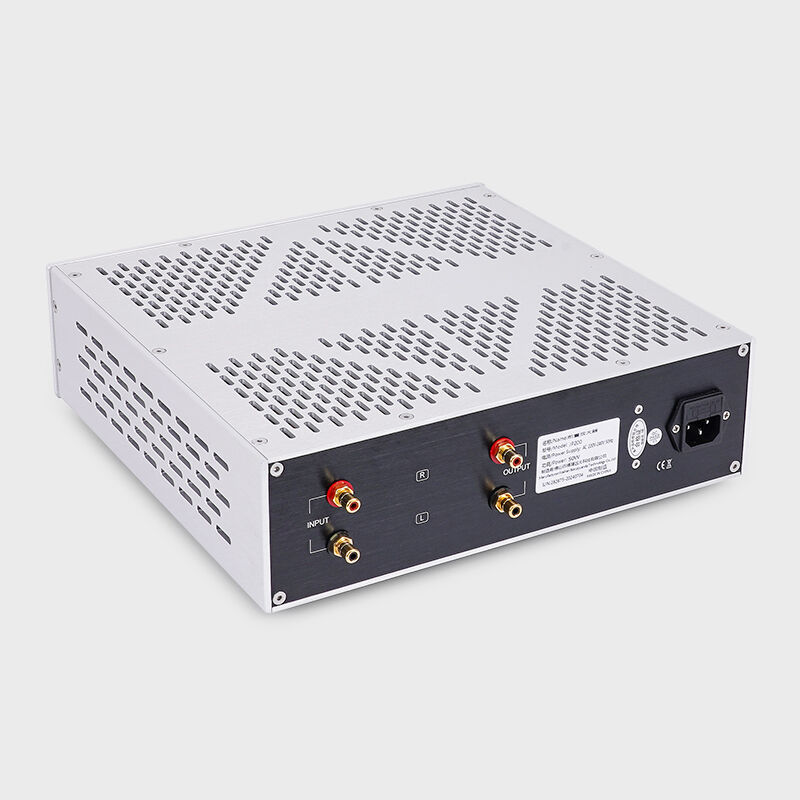
Modern audio systems increasingly rely on advanced amplification technologies to deliver superior sound quality and energy efficiency. The digital audio power amplifier has revolutionized how we approach sound reproduction across various applications, from professional recording studios to home entertainment systems. These sophisticated devices combine digital signal processing with efficient power delivery, offering unprecedented control over audio output while maintaining exceptional fidelity. Understanding which systems benefit most from digital amplification technology can help engineers, audio professionals, and enthusiasts make informed decisions about their equipment investments.
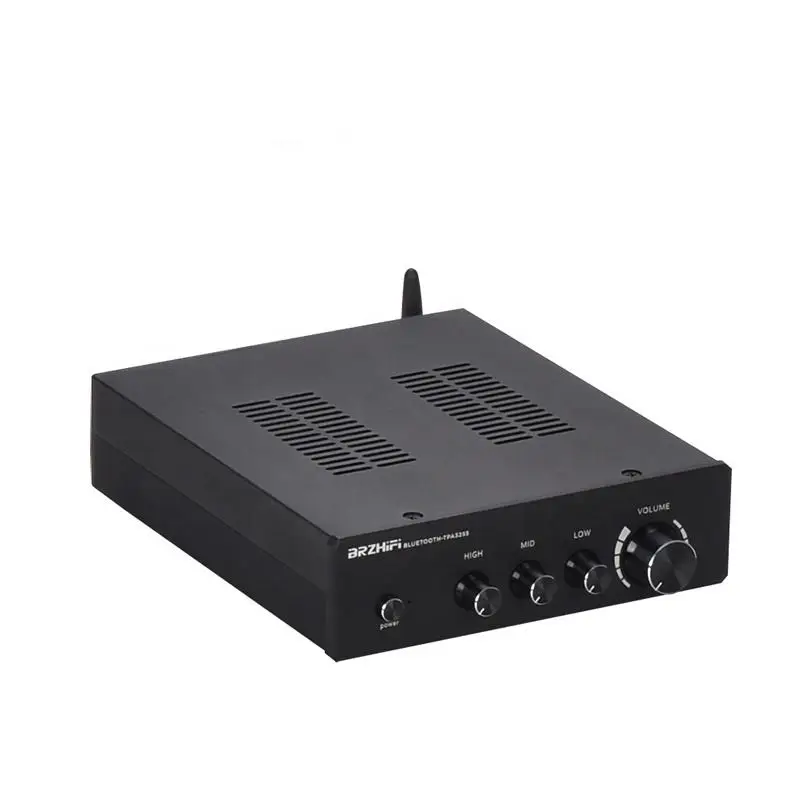
Professional Audio Production Environments
Recording Studio Applications
Recording studios demand exceptional audio quality and reliability, making them ideal candidates for digital audio power amplifier integration. These facilities require precise monitor systems that can accurately reproduce source material without coloration or distortion. Digital amplifiers excel in this environment because they provide consistent performance across extended operating periods while generating minimal heat. The low thermal footprint is particularly valuable in enclosed control rooms where temperature control is critical for both equipment longevity and operator comfort.
Professional engineers appreciate the digital audio power amplifier's ability to maintain stable output levels regardless of load impedance variations. This stability ensures that mix decisions remain consistent when monitoring through different speaker configurations. Additionally, the high efficiency ratings of digital amplifiers reduce operational costs in commercial facilities that operate equipment for extended periods daily.
Live Sound Reinforcement Systems
Concert venues and live performance spaces benefit significantly from digital amplification technology due to its power efficiency and compact form factor. Touring sound companies particularly value digital audio power amplifier systems because they reduce truck space requirements and setup complexity. The weight savings compared to traditional analog amplifiers can be substantial when deploying large-scale sound systems for major events.
Digital amplifiers also offer superior protection circuits that help prevent speaker damage during demanding live performances. The built-in limiting and thermal protection features automatically adjust output levels to prevent overload conditions, reducing the risk of equipment failure during critical moments. This reliability is essential for professional applications where equipment failure could result in significant financial losses.
Home Entertainment and Hi-Fi Systems
Residential Multi-Room Audio Installations
Modern homes increasingly feature distributed audio systems that require multiple amplification channels to serve different zones. A digital audio power amplifier provides an ideal solution for these installations because of its compact size and efficient operation. Multiple amplifier modules can be installed in equipment racks without the excessive heat generation associated with traditional Class A or Class AB designs.
The energy efficiency of digital amplifiers becomes particularly valuable in whole-house systems that may operate continuously throughout the day. Homeowners appreciate the reduced electricity consumption, which translates to lower utility bills over time. The compact design also allows for more flexible installation options, including in-wall mounting and tight equipment spaces where traditional amplifiers would be impractical.
High-End Audiophile Applications
Audiophile communities have embraced digital audio power amplifier technology as manufacturers have refined their designs to achieve exceptional sound quality. Modern digital amplifiers can deliver the transparency and dynamic range that discerning listeners demand while offering practical advantages over traditional designs. The absence of output transformers in many digital designs eliminates a potential source of distortion and frequency response irregularities.
High-end digital amplifiers often incorporate advanced power supply designs and premium components that rival or exceed the performance of expensive analog alternatives. The precise control possible with digital switching technology allows for optimized performance across different speaker loads and listening conditions. Many audiophiles appreciate the immediate response and tight bass control that quality digital amplifiers provide.
Commercial and Retail Audio Systems
Background Music and Paging Systems
Retail stores, restaurants, and office buildings require reliable audio systems for background music and public address applications. Digital audio power amplifier technology excels in these environments because of its reliability and low maintenance requirements. The solid-state design eliminates the need for tube replacements or frequent servicing associated with some traditional amplifier designs.
Commercial installations benefit from the digital audio power amplifier's ability to operate efficiently at partial load levels. Many background music systems rarely require full power output, making the excellent efficiency at low power levels particularly valuable for reducing operational costs. The compact form factor also simplifies installation in retail environments where equipment space is often at a premium.
Educational and Corporate Facilities
Schools, universities, and corporate facilities utilize digital amplification for classroom audio systems, conference rooms, and auditorium applications. These environments require reliable equipment that can operate unattended for extended periods without maintenance issues. Digital audio power amplifier systems provide the dependability needed for mission-critical communication applications.
The energy efficiency of digital amplifiers aligns well with institutional sustainability goals and budget constraints. Educational facilities particularly appreciate the reduced cooling requirements, which can significantly impact HVAC costs in large buildings with multiple audio systems. The long service life and minimal maintenance needs also help reduce total ownership costs over the equipment lifecycle.
Automotive and Mobile Audio Applications
Vehicle Sound Systems
Automotive applications present unique challenges that make digital audio power amplifier technology particularly attractive. Vehicle electrical systems have limited power capacity, making amplifier efficiency crucial for maintaining battery life and alternator performance. Digital amplifiers can deliver impressive power output while drawing minimal current from the vehicle's electrical system.
The compact size of digital amplifiers allows for creative installation options in vehicles where space is always at a premium. Under-seat mounting and integration into dashboard components become feasible with digital amplifier technology. The reduced heat generation is especially valuable in automotive applications where ambient temperatures can already be challenging for electronic equipment.
Marine and Recreational Vehicle Systems
Boats and recreational vehicles benefit from digital audio power amplifier technology due to the challenging environmental conditions and power limitations inherent in these applications. Marine environments require equipment that can withstand moisture and temperature variations while maintaining reliable performance. Digital amplifiers typically incorporate better environmental protection than traditional designs.
The power efficiency becomes critical in battery-powered applications where every watt of consumption affects operating time. Digital audio power amplifier systems can provide hours of listening enjoyment without significantly impacting battery reserves needed for essential systems. The reliability and longevity of digital amplifiers also reduce maintenance concerns in remote locations where service access may be limited.
Specialized Industrial and Technical Applications
Test and Measurement Systems
Laboratory and industrial test equipment often requires precise audio signal generation and amplification for acoustic testing, speaker development, and quality control applications. Digital audio power amplifier technology provides the accuracy and repeatability needed for scientific measurements. The low distortion characteristics and stable performance over temperature variations make digital amplifiers ideal for measurement applications.
Research facilities appreciate the digital amplifier's ability to maintain consistent performance over long test sequences. The thermal stability ensures that measurement results remain valid throughout extended testing periods without drift or degradation. Many digital amplifiers also offer diagnostic capabilities that help identify potential issues before they affect test results.
Medical and Healthcare Equipment
Medical facilities utilize audio systems for patient communication, therapy applications, and diagnostic equipment. The reliability requirements in healthcare environments make digital audio power amplifier technology attractive for these critical applications. The long service life and minimal maintenance needs align with the operational demands of medical facilities that cannot afford equipment downtime.
Digital amplifiers also produce minimal electromagnetic interference, which is important in medical environments with sensitive diagnostic equipment. The efficient operation reduces heat generation that could affect patient comfort in treatment areas. Many healthcare applications also benefit from the precise volume control possible with digital amplification systems.
FAQ
What makes digital audio power amplifiers more efficient than traditional designs?
Digital audio power amplifiers achieve superior efficiency through switching technology that rapidly turns transistors fully on or off, minimizing power loss as heat. Unlike linear amplifiers that continuously conduct current, digital designs only consume power when producing output signal. This switching approach can achieve efficiency ratings exceeding 90%, compared to 50-70% for traditional Class AB designs. The high efficiency reduces electricity costs and eliminates the need for large heat sinks and cooling fans in most applications.
Can digital audio power amplifiers match the sound quality of high-end analog amplifiers?
Modern digital audio power amplifiers can achieve sound quality that meets or exceeds traditional analog designs when properly implemented. Advanced switching frequencies and sophisticated output filtering have largely eliminated the artifacts that characterized early digital amplifiers. Many current designs achieve distortion levels below audible thresholds while providing superior damping factor and frequency response consistency. The absence of output transformers in many digital designs actually reduces certain types of distortion compared to some analog alternatives.
What are the main installation advantages of digital amplifiers over conventional types?
Digital audio power amplifier systems offer significant installation advantages including compact size, reduced weight, and minimal heat generation. The smaller form factor allows installation in tight spaces where traditional amplifiers would not fit, while the reduced weight simplifies mounting and reduces structural requirements. The low heat output eliminates the need for extensive ventilation or cooling systems, reducing installation complexity and ongoing operational costs. These factors make digital amplifiers particularly attractive for retrofit applications and space-constrained environments.
How do digital audio power amplifiers perform in demanding professional applications?
Professional applications benefit from the exceptional reliability and consistent performance of digital audio power amplifier technology. The solid-state switching design provides stable output characteristics across varying load conditions and temperatures. Built-in protection circuits help prevent damage from overload conditions or impedance mismatches that could occur in demanding live sound or studio environments. The immediate response characteristics and excellent dynamic range make digital amplifiers suitable for the most critical professional audio applications where performance cannot be compromised.
Table of Contents
- Professional Audio Production Environments
- Home Entertainment and Hi-Fi Systems
- Commercial and Retail Audio Systems
- Automotive and Mobile Audio Applications
- Specialized Industrial and Technical Applications
-
FAQ
- What makes digital audio power amplifiers more efficient than traditional designs?
- Can digital audio power amplifiers match the sound quality of high-end analog amplifiers?
- What are the main installation advantages of digital amplifiers over conventional types?
- How do digital audio power amplifiers perform in demanding professional applications?