
 EN
EN
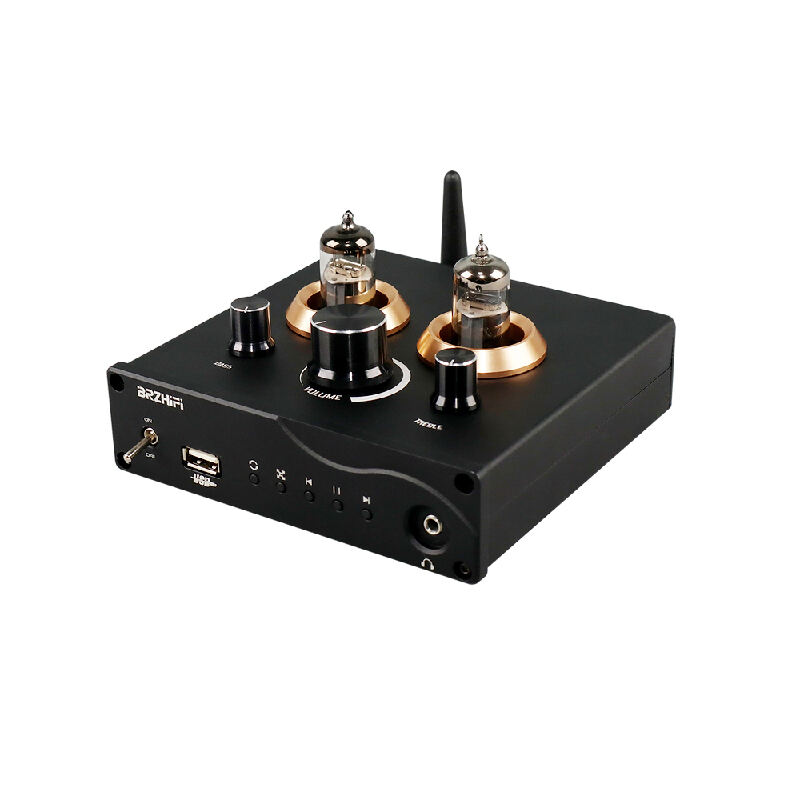
Modern audio enthusiasts and professionals are increasingly turning to innovative amplification solutions that deliver superior sound quality while reducing power consumption. A digital audio amplifier represents a revolutionary advancement in audio technology, offering exceptional energy efficiency compared to traditional analog amplification systems. These sophisticated devices utilize advanced switching technologies and digital signal processing to minimize energy waste while maintaining pristine audio reproduction. Understanding how these amplifiers achieve remarkable energy efficiency requires examining their fundamental operating principles and technological advantages over conventional amplification methods.
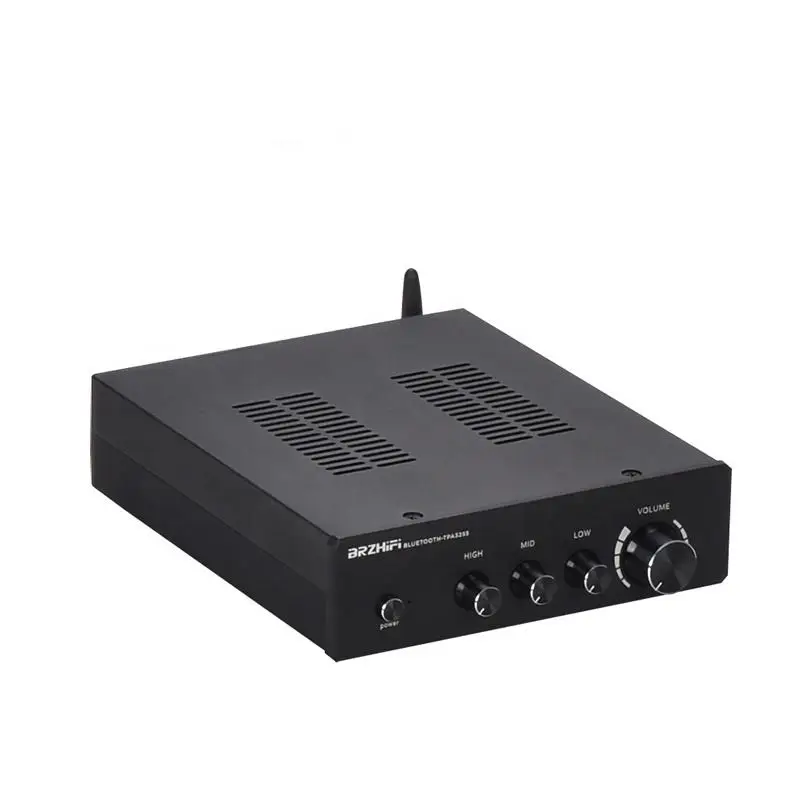
Fundamental Operating Principles of Digital Amplification Technology
Class D Switching Architecture
The cornerstone of digital audio amplifier efficiency lies in Class D switching architecture, which operates fundamentally differently from traditional linear amplifiers. Instead of continuously modulating output transistors in their linear region, Class D amplifiers switch output devices rapidly between fully on and fully off states. This switching approach eliminates the significant power dissipation that occurs in linear amplifiers when transistors operate in their partially conductive states. The result is dramatically reduced heat generation and improved overall system efficiency.
Pulse Width Modulation forms the foundation of Class D operation, converting analog audio signals into high-frequency digital pulse trains. The width of these pulses corresponds directly to the amplitude of the original audio signal, allowing accurate signal reconstruction at the output. Modern digital audio amplifier designs achieve switching frequencies well above the audible spectrum, typically ranging from 200kHz to over 1MHz, ensuring that switching artifacts remain inaudible while maintaining excellent audio fidelity.
Advanced Power Management Systems
Contemporary digital audio amplifier designs incorporate sophisticated power management systems that dynamically adjust power consumption based on signal requirements. These intelligent systems monitor input signal levels and automatically optimize bias currents, switching frequencies, and supply voltages to match instantaneous power demands. During periods of low signal activity or silence, the amplifier can reduce power consumption to minimal standby levels, significantly improving overall energy efficiency.
Adaptive power supply technologies further enhance efficiency by adjusting supply voltages in real-time based on signal dynamics. This approach eliminates the energy waste associated with maintaining constant high supply voltages during low-level signal reproduction. The combination of dynamic power management and adaptive supply technologies allows modern digital amplifiers to achieve efficiency ratings exceeding 90% under typical operating conditions.
Energy Efficiency Advantages Over Traditional Amplification
Thermal Management Benefits
One of the most significant advantages of digital audio amplifier technology is the dramatic reduction in heat generation compared to linear amplification systems. Traditional Class A and Class AB amplifiers dissipate substantial amounts of energy as heat, requiring extensive heat sinking and active cooling systems. This thermal energy represents wasted power that contributes nothing to audio reproduction while increasing operating costs and environmental impact.
Digital amplifiers generate minimal heat due to their switching operation, where output devices spend virtually no time in partially conductive states. The reduced thermal load translates directly into improved energy efficiency and eliminates the need for large heat sinks and cooling fans. This thermal advantage becomes particularly pronounced in high-power applications where traditional amplifiers would require substantial cooling infrastructure and consume significant additional energy for thermal management.
Power Supply Efficiency Improvements
The switching nature of digital audio amplifier operation enables the use of highly efficient switched-mode power supplies instead of traditional linear power supplies. Switched-mode supplies can achieve efficiency ratings above 95%, compared to 60-70% efficiency typical of linear supplies used in conventional amplifiers. This improvement in power supply efficiency compounds the amplifier's inherent efficiency advantages, resulting in overall system efficiency improvements of 30-50% or more.
Additionally, digital amplifiers can operate effectively with lower supply voltages while maintaining high output power capabilities. This voltage reduction further decreases power consumption and allows the use of more efficient power conversion topologies. The combination of efficient switching amplification and optimized power supply design creates a synergistic effect that maximizes overall energy efficiency.
Advanced Technologies Enhancing Digital Amplifier Efficiency
Multi-Level Switching Architectures
Recent developments in digital audio amplifier technology include multi-level switching architectures that further improve efficiency and audio quality. These advanced topologies use multiple switching levels instead of simple two-level switching, reducing switching losses and improving signal reconstruction accuracy. Multi-level approaches such as three-level and five-level switching reduce the voltage stress on output devices and minimize electromagnetic interference while maintaining high efficiency.
The implementation of multi-level switching requires sophisticated control algorithms and precise timing coordination, but the benefits include reduced filter requirements, lower switching losses, and improved total harmonic distortion performance. These technological advances enable digital audio amplifier designs to achieve even higher efficiency levels while delivering exceptional audio quality that rivals or exceeds traditional linear amplification systems.
Intelligent Signal Processing Integration
Modern digital audio amplifier systems integrate advanced digital signal processing capabilities that optimize both audio performance and energy efficiency. Real-time signal analysis algorithms can predict signal dynamics and proactively adjust amplifier parameters to minimize power consumption while maintaining audio quality. These intelligent systems can implement dynamic range compression, automatic gain control, and spectral shaping to optimize the signal for efficient amplification.
Machine learning algorithms are increasingly being incorporated into digital audio amplifier designs to learn from usage patterns and optimize efficiency based on specific application requirements. These adaptive systems can recognize different types of audio content and automatically adjust amplifier parameters to minimize energy consumption while preserving the listening experience. The integration of artificial intelligence and signal processing creates opportunities for continuously improving efficiency through software updates and algorithmic refinements.
Real-World Applications and Performance Benefits
Professional Audio System Integration
Professional audio applications have embraced digital audio amplifier technology for its combination of energy efficiency, reliability, and performance. Large-scale sound reinforcement systems benefit significantly from the reduced power consumption and heat generation of digital amplification, enabling higher power densities and reduced infrastructure requirements. Concert venues, conference centers, and broadcast facilities have realized substantial energy savings by transitioning to digital amplification systems.
The reduced cooling requirements of digital audio amplifier systems also contribute to improved reliability in professional applications. Lower operating temperatures extend component lifespans and reduce the likelihood of thermal-related failures. This reliability advantage, combined with energy efficiency benefits, makes digital amplification particularly attractive for mission-critical applications where system availability and operational costs are primary concerns.
Consumer Electronics and Home Audio
Consumer electronics manufacturers have widely adopted digital audio amplifier technology to meet increasingly stringent energy efficiency regulations and consumer demands for environmentally responsible products. Home theater systems, soundbars, and powered speakers incorporating digital amplification consume significantly less power than comparable analog systems while delivering superior audio performance and features.
The compact size and reduced heat generation of digital audio amplifier modules enable innovative product designs that would be impossible with traditional amplification technologies. Manufacturers can create smaller, lighter products with longer battery life in portable applications, while stationary systems benefit from reduced operating costs and environmental impact. These advantages have accelerated the adoption of digital amplification across all segments of the consumer audio market.
Future Developments in Digital Amplification Efficiency
Emerging Semiconductor Technologies
The continued advancement of semiconductor technologies promises further improvements in digital audio amplifier efficiency and performance. Wide bandgap semiconductors such as gallium nitride and silicon carbide offer superior switching characteristics compared to traditional silicon devices. These advanced materials enable higher switching frequencies, lower on-resistance, and reduced switching losses, translating into even higher efficiency levels and improved audio quality.
Integration of advanced semiconductor processes also enables the development of more sophisticated control algorithms and signal processing capabilities within the digital audio amplifier itself. System-on-chip implementations can integrate power management, digital signal processing, and protection functions in single devices, reducing component count and improving overall system efficiency while reducing manufacturing costs.
Artificial Intelligence and Adaptive Optimization
The integration of artificial intelligence and machine learning technologies represents the next frontier in digital audio amplifier efficiency optimization. Advanced AI algorithms can analyze listening patterns, room acoustics, and system performance in real-time to optimize amplifier parameters for maximum efficiency while maintaining desired audio quality. These systems can learn from user preferences and automatically adjust settings to balance performance and energy consumption.
Predictive maintenance capabilities enabled by AI integration can also contribute to long-term efficiency improvements by identifying potential component degradation and optimizing operating parameters to compensate for aging effects. The combination of artificial intelligence, advanced semiconductors, and sophisticated control algorithms will continue driving improvements in digital audio amplifier efficiency and performance for years to come.
FAQ
What makes digital audio amplifiers more energy efficient than traditional amplifiers
Digital audio amplifiers achieve superior energy efficiency through Class D switching technology, where output devices rapidly switch between fully on and fully off states instead of operating in linear regions. This switching approach eliminates the significant power dissipation that occurs in traditional linear amplifiers, resulting in efficiency ratings exceeding 90% compared to 60-70% for conventional designs. Additionally, digital amplifiers generate minimal heat and can use highly efficient switched-mode power supplies.
How does pulse width modulation contribute to amplifier efficiency
Pulse width modulation converts analog audio signals into high-frequency digital pulse trains where pulse width corresponds to signal amplitude. This technique allows accurate signal reconstruction while maintaining the switching operation that minimizes power losses. Modern digital audio amplifier designs use switching frequencies above 200kHz to ensure switching artifacts remain inaudible while preserving the efficiency benefits of digital switching technology.
Can digital audio amplifiers maintain audio quality while improving efficiency
Advanced digital audio amplifier designs not only maintain but often exceed the audio quality of traditional linear amplifiers while achieving much higher energy efficiency. Multi-level switching architectures, sophisticated filtering, and integrated digital signal processing ensure excellent audio reproduction with low distortion and high signal-to-noise ratios. The reduced thermal stress in digital amplifiers also contributes to more consistent performance over time.
What are the long-term benefits of using energy-efficient digital amplifiers
Energy-efficient digital audio amplifier systems provide substantial long-term benefits including reduced operating costs, lower environmental impact, improved reliability due to reduced thermal stress, and smaller installation footprints due to minimal cooling requirements. These advantages become particularly significant in large-scale installations where the cumulative energy savings and reduced infrastructure requirements result in substantial cost reductions and environmental benefits over the system lifecycle.
Table of Contents
- Fundamental Operating Principles of Digital Amplification Technology
- Energy Efficiency Advantages Over Traditional Amplification
- Advanced Technologies Enhancing Digital Amplifier Efficiency
- Real-World Applications and Performance Benefits
- Future Developments in Digital Amplification Efficiency
-
FAQ
- What makes digital audio amplifiers more energy efficient than traditional amplifiers
- How does pulse width modulation contribute to amplifier efficiency
- Can digital audio amplifiers maintain audio quality while improving efficiency
- What are the long-term benefits of using energy-efficient digital amplifiers