
 EN
EN
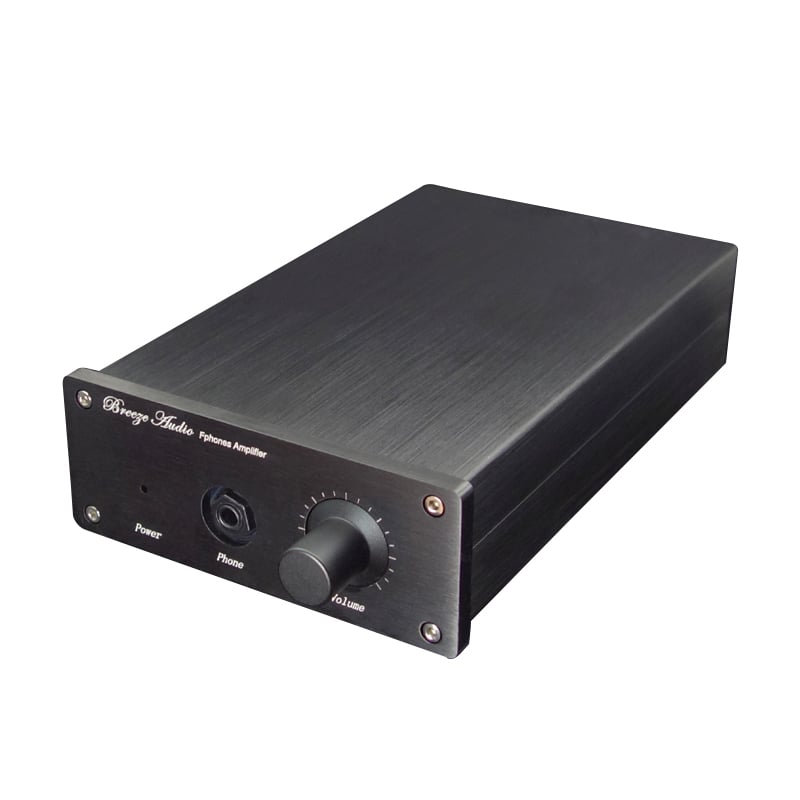
Selecting the right headphone amplifier for audiophile headphones requires understanding the interplay between impedance, power output, and source integration. The best headphone amplifier is not the most expensive unit, but the one that accurately matches your headphone's electrical characteristics while preserving signal fidelity throughout the amplification chain. Audiophile-grade headphones often demand dedicated amplification because built-in outputs in consumer devices lack the voltage swing and current delivery needed to reproduce dynamic range without compression or distortion.
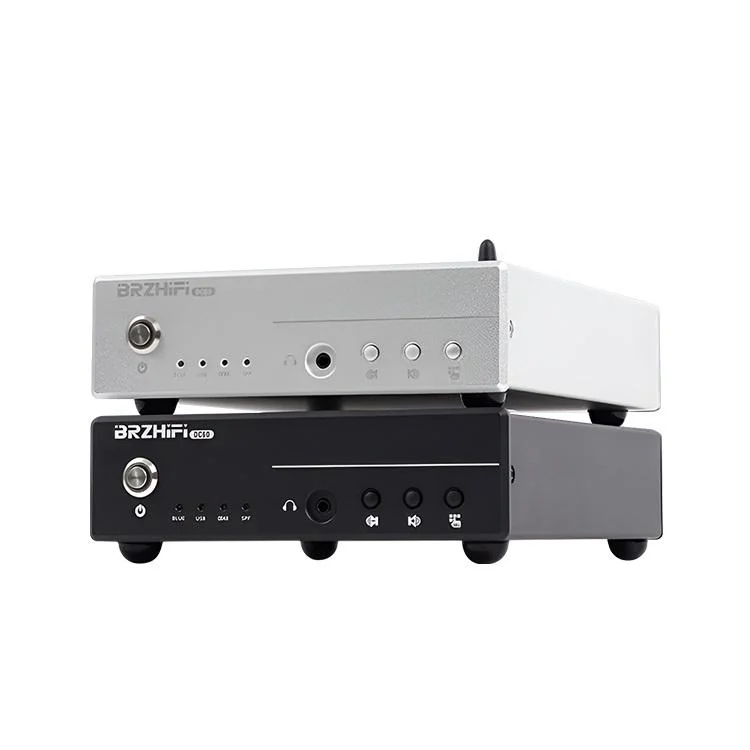
The headphone amplifier you choose must address three core decision factors: impedance compatibility with your specific headphones, whether you need integrated digital-to-analog conversion, and the form factor that fits your listening environment. These factors determine whether a particular headphone amplifier will unlock the full resolution and tonal accuracy your audiophile headphones were designed to deliver, or introduce bottlenecks that compromise sound quality.
Impedance Matching Between Headphone Amplifier and Audiophile Headphones
Why Impedance Compatibility Defines Headphone Amplifier Performance
The impedance rating of your audiophile headphones directly dictates which headphone amplifier architecture will work optimally. Low-impedance headphones, typically below 50 ohms, require a headphone amplifier with low output impedance to maintain damping factor and prevent frequency response deviations. High-impedance models, often 250 to 600 ohms, need a headphone amplifier capable of delivering higher voltage swings to achieve adequate loudness and dynamic headroom. A headphone amplifier mismatched to your headphone's impedance will either produce insufficient volume or introduce distortion through clipping.
Calculating Required Power Output From Your Headphone Amplifier
Audiophile headphones with planar magnetic or high-impedance dynamic drivers demand significantly more power than efficient models. To determine whether a headphone amplifier provides adequate output, calculate the voltage needed using sensitivity specifications. For example, a 300-ohm headphone with 96 dB/mW sensitivity requires approximately 7 volts RMS to reach 110 dB SPL, which translates to roughly 160 milliwatts. The headphone amplifier you evaluate must comfortably exceed this figure to avoid operating near its maximum output where distortion rises. Most desktop headphone amplifier units designed for audiophile use provide 500 milliwatts to 2 watts per channel into common impedances, ensuring ample headroom for transient peaks in complex musical passages.
DAC Integration and Signal Path Considerations in Headphone Amplifier Selection
Standalone Headphone Amplifier Versus Integrated DAC and Headphone Amplifier Units
The choice between a standalone headphone amplifier and an integrated DAC plus headphone amplifier unit depends on your existing source components and upgrade path. A standalone headphone amplifier connects to an existing digital-to-analog converter and allows independent upgrades to either component. An integrated headphone amplifier with built-in DAC simplifies the signal chain, reducing potential interference points and often providing better value for initial system builds. Modern integrated headphone amplifier designs with USB input handle PCM and DSD formats, eliminating the need for separate conversion stages while maintaining signal integrity.
Evaluating Headphone Amplifier Topology for Audiophile Applications
Different headphone amplifier circuit topologies exhibit distinct sonic characteristics and technical performance metrics. Solid-state headphone amplifier designs using discrete transistors or operational amplifiers typically offer the lowest measured distortion and highest output power, making them suitable for demanding planar magnetic headphones. Tube-based headphone amplifier circuits introduce harmonic coloration that some audiophiles prefer with certain headphone models, though they generally provide less damping factor and higher output impedance. Class A headphone amplifier stages run hotter but eliminate crossover distortion entirely, while Class AB headphone amplifier designs balance efficiency with sound quality for desktop use.
Practical Feature Set for Audiophile Headphone Amplifier Deployment
Input Flexibility and Source Connection Options
A versatile headphone amplifier for audiophile systems should accommodate multiple input types to connect various sources. Balanced XLR inputs on a headphone amplifier reduce noise pickup in longer cable runs and allow connection to professional-grade DACs. Single-ended RCA inputs provide compatibility with consumer audio components. USB input on a headphone amplifier with integrated DAC enables direct computer connection while bypassing potentially noisy internal soundcards. Some headphone amplifier models include optical and coaxial digital inputs, allowing connection to transport mechanisms or streaming devices without requiring a separate DAC.
Output Configuration and Headphone Connection Standards
The output stage of your headphone amplifier must physically and electrically match your audiophile headphones. Balanced headphone amplifier outputs using 4-pin XLR or 4.4mm Pentaconn connectors deliver twice the voltage swing of single-ended connections, beneficial for high-impedance headphones. A quality headphone amplifier often provides multiple output jacks simultaneously active, letting you compare headphones or share listening sessions. Output impedance specifications matter significantly; a headphone amplifier with output impedance above 10 ohms may audibly alter the frequency response of low-impedance multi-driver in-ear monitors, while having minimal effect on 300-ohm over-ear models.
Volume Control Precision and Channel Balance
Precise volume control separates an audiophile headphone amplifier from basic units. Stepped attenuators or relay-switched resistor networks in a headphone amplifier maintain perfect channel balance at all volume levels, preventing the image shift that occurs with budget potentiometers at low settings. Digital volume control within a DAC-equipped headphone amplifier can reduce bit depth if implemented poorly, so analog domain attenuation after conversion is preferable. The gain structure of your headphone amplifier should allow comfortable listening positions between 9 o'clock and 2 o'clock on the volume control, avoiding either noise floor issues at the bottom of the range or insufficient maximum output at the top.
FAQ
Can a portable headphone amplifier drive high-impedance audiophile headphones effectively?
Portable headphone amplifier units can drive high-impedance audiophile headphones if they provide adequate voltage output, though battery-powered headphone amplifier designs face thermal and power consumption constraints that limit continuous output compared to mains-powered desktop headphone amplifier models. Check the specified voltage output of any portable headphone amplifier against your headphone's power requirements before assuming compatibility.
Does a more expensive headphone amplifier always sound better with audiophile headphones?
Price alone does not determine whether a headphone amplifier suits your audiophile headphones, as electrical matching matters more than cost. A properly matched mid-priced headphone amplifier will outperform a flagship headphone amplifier mismatched to your headphone's impedance and sensitivity. Focus on technical specifications and topology appropriate for your specific headphone model rather than assuming higher price equals better performance.
Should I choose a headphone amplifier with balanced outputs for audiophile listening?
Balanced outputs on a headphone amplifier provide measurable advantages only if your audiophile headphones are designed for balanced operation and you use appropriately terminated cables. Single-ended headphone amplifier outputs work perfectly well with most audiophile headphones, and spending extra for balanced capability makes sense only if your entire signal chain from source through headphone amplifier to headphones supports balanced connection to maximize noise rejection and voltage swing.