
 EN
EN
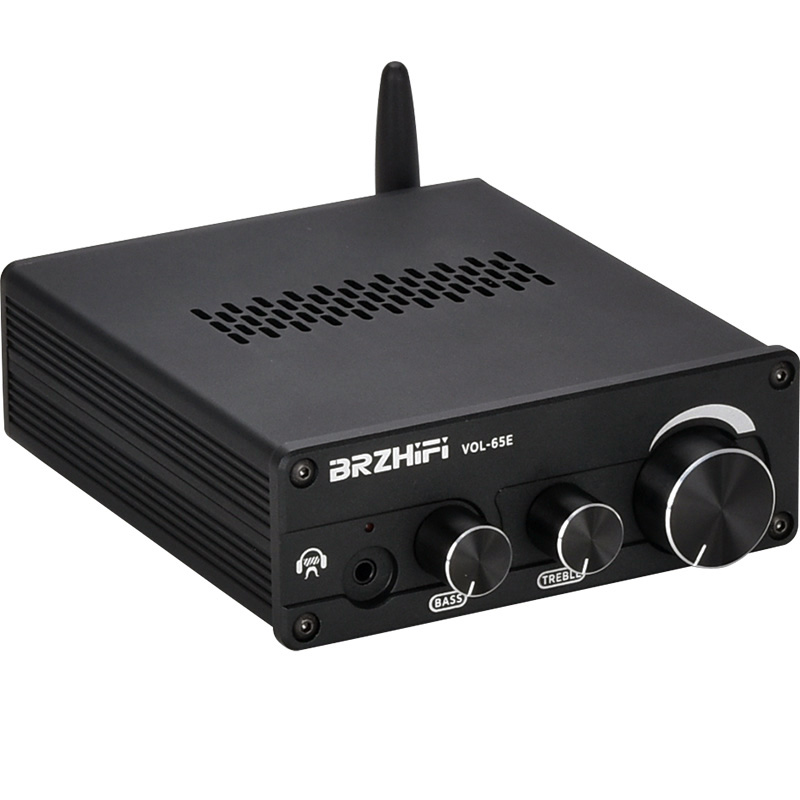
Choosing the right headphone amplifier is one of the most consequential decisions an audio buyer can make, whether sourcing for personal use or for a professional listening environment. A headphone amplifier directly shapes how music is reproduced, controlling dynamics, clarity, and tonal character in ways that a basic audio source simply cannot replicate. Before placing any order, buyers need to move beyond surface-level specifications and understand exactly what each design choice means for real-world listening performance.
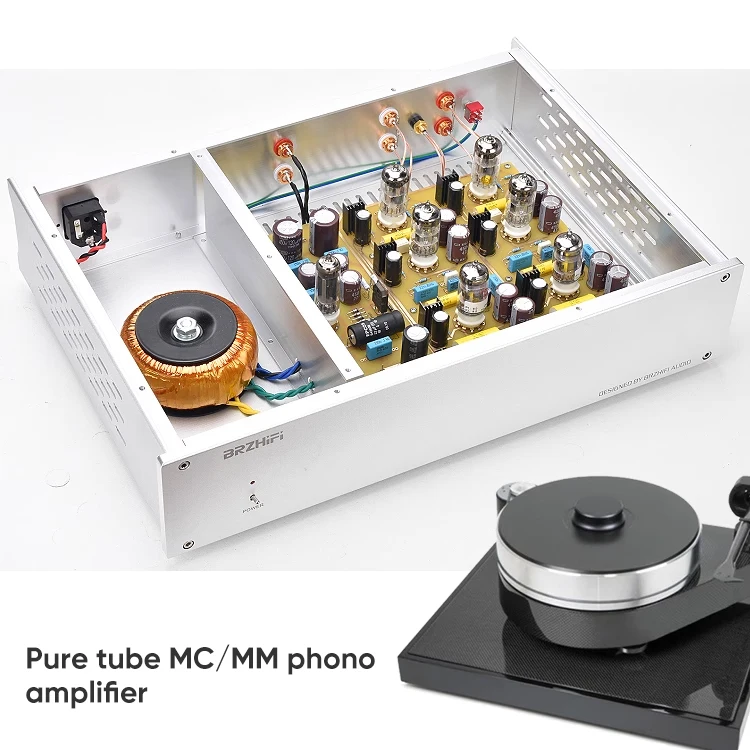
A headphone amplifier is not simply a volume control. It is a precision signal-processing device that must be matched carefully to the headphones being driven, the audio source feeding it, and the intended use case. Buyers who overlook key compatibility and quality factors frequently end up with a headphone amplifier that underperforms or even damages delicate drivers. This guide walks through the most critical considerations every buyer should evaluate before committing to an order.
Understanding Power Output and Impedance Matching
Why Output Power Matters for a Headphone Amplifier
Output power is arguably the most discussed specification when evaluating a headphone amplifier, yet it is also one of the most misunderstood. A headphone amplifier with insufficient output power will clip at high volumes, introducing harsh distortion and degrading the listening experience significantly. Conversely, a headphone amplifier with excessive output power paired with sensitive in-ear monitors can introduce noise or even cause driver damage if volume is not carefully managed. Buyers must match the power rating of the headphone amplifier to the sensitivity and impedance of their specific headphones rather than simply choosing the highest wattage available.
Impedance Compatibility Between Headphones and a Headphone Amplifier
Impedance matching is a technical requirement that every serious buyer must understand before ordering a headphone amplifier. Headphones range from low-impedance models around 16 ohms to high-impedance studio reference cans exceeding 300 ohms. A headphone amplifier designed for high-impedance loads will perform poorly with low-impedance headphones, and vice versa. Buyers should confirm the output impedance of the headphone amplifier is well below the impedance of their headphones, ideally by a ratio of at least 1 to 8, to preserve tonal accuracy and damping control throughout the frequency range.
Topology, Circuit Design, and Sound Character
Solid-State Versus Tube-Based Headphone Amplifier Designs
The internal circuit topology of a headphone amplifier has a profound effect on its sonic character and how it responds to different music genres and recording styles. Solid-state headphone amplifier designs, which use transistors or integrated circuits, generally offer tighter bass control, lower noise floors, and more accurate transient response. Tube-based headphone amplifier designs introduce harmonic coloration that many listeners find musically pleasing, particularly for jazz, classical, and acoustic recordings. Hybrid designs combine both technologies, placing a tube in the voltage gain stage and a solid-state output stage, aiming to capture the warmth of a tube headphone amplifier alongside the control of transistor output sections. Buyers should identify which tonal signature aligns with their listening preferences before selecting a headphone amplifier topology.
Class A Operation and Its Relevance to Headphone Amplifier Selection
Many premium headphone amplifier units operate in Class A mode, meaning the output transistors conduct current continuously throughout the full audio cycle. This design approach eliminates crossover distortion, which is audible at low listening levels and particularly noticeable with detail-rich recordings. A Class A headphone amplifier typically runs warmer and consumes more power than Class AB alternatives, but the sonic purity it offers is valued highly by critical listeners. Buyers who prioritize transparency and low distortion should specifically look for a headphone amplifier built around Class A circuit architecture, keeping in mind that thermal management and chassis ventilation become more important as a result.
Build Quality, Features, and Long-Term Value
Chassis Construction and Component Quality in a Headphone Amplifier
The physical build of a headphone amplifier communicates a great deal about its internal component quality and intended longevity. A well-engineered headphone amplifier typically uses thick aluminum or steel chassis panels to reduce resonance and electromagnetic interference, both of which can degrade audio performance in measurable ways. Internal component selection matters enormously as well. High-grade capacitors, precision resistors, and quality output transistors are the foundation of a reliable headphone amplifier that will maintain performance over years of use. Buyers sourcing a headphone amplifier for long-term deployment, whether in a studio, listening room, or commercial audio application, should scrutinize the internal build quality and not rely solely on cosmetic appearance or brand presentation.
Connectivity and Practical Features to Evaluate in a Headphone Amplifier
Connectivity is a practical but critical dimension of any headphone amplifier evaluation. Buyers should confirm that the headphone amplifier offers the correct input types for their source equipment, whether balanced XLR, single-ended RCA, or digital coaxial and optical inputs for headphone amplifier models with integrated DAC stages. Output jack selection also matters. Some headphone amplifier models include both quarter-inch standard and balanced four-pin XLR output jacks, providing flexibility for different headphone cable terminations. A volume control with fine resolution and low channel imbalance at low settings is another practical quality indicator that separates a thoughtfully designed headphone amplifier from a budget unit where channel tracking is compromised at quiet listening levels.
FAQ
What impedance range should I look for in a headphone amplifier?
The ideal headphone amplifier should support the impedance range of your headphones comfortably. For high-impedance headphones above 150 ohms, choose a headphone amplifier with sufficient voltage swing. For low-impedance models below 50 ohms, select a headphone amplifier with a low output impedance, ideally under 5 ohms, to avoid tonal coloration and maintain damping factor.
Is a tube headphone amplifier better than a solid-state headphone amplifier?
Neither a tube headphone amplifier nor a solid-state headphone amplifier is universally superior. A tube headphone amplifier offers pleasant harmonic coloration and a warmer, more organic sound that suits certain music styles. A solid-state headphone amplifier provides greater measurement accuracy, lower noise, and tighter control. The right choice depends entirely on personal listening preferences and the type of headphones being used with the headphone amplifier.
How many watts does a headphone amplifier actually need to deliver?
Most listeners require far less wattage than they expect from a headphone amplifier. For sensitive headphones in the 96 to 110 dB sensitivity range, a headphone amplifier delivering even 100 to 200 milliwatts is sufficient for loud listening. High-impedance or planar magnetic headphones may require a headphone amplifier capable of 1 to 2 watts per channel to reach satisfying volume levels without compression or distortion.