
 EN
EN
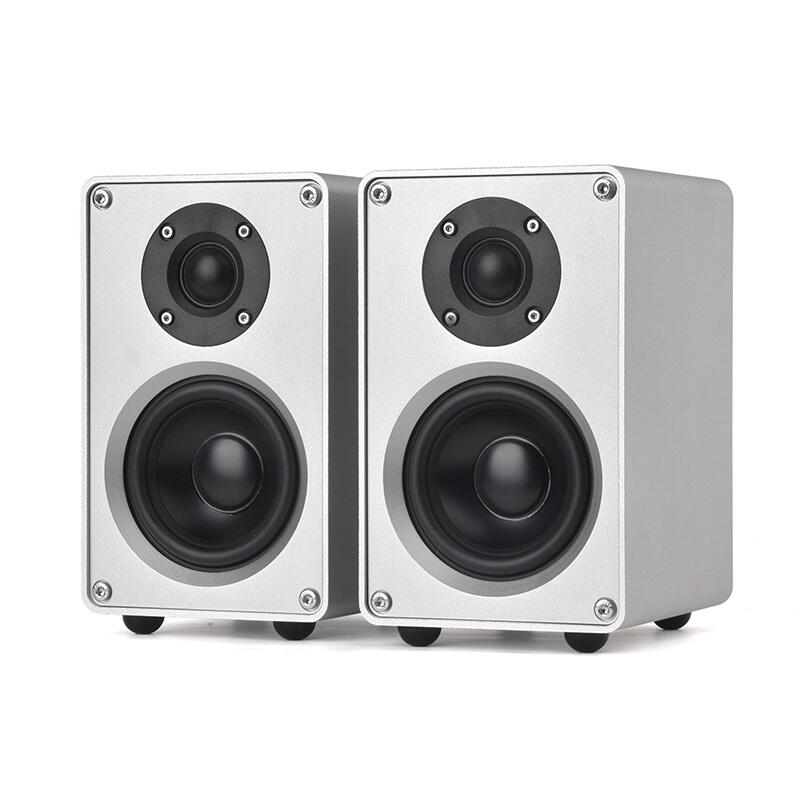
The audio industry has witnessed a remarkable transformation with the introduction of advanced amplification technologies. Modern audio enthusiasts and professionals increasingly find themselves evaluating whether a digital power amp represents the optimal solution for their specific applications. Understanding when to choose this technology requires careful consideration of performance requirements, efficiency demands, and long-term reliability expectations. The decision between traditional analog amplification and digital alternatives has become more nuanced as manufacturers continue to refine these sophisticated systems.
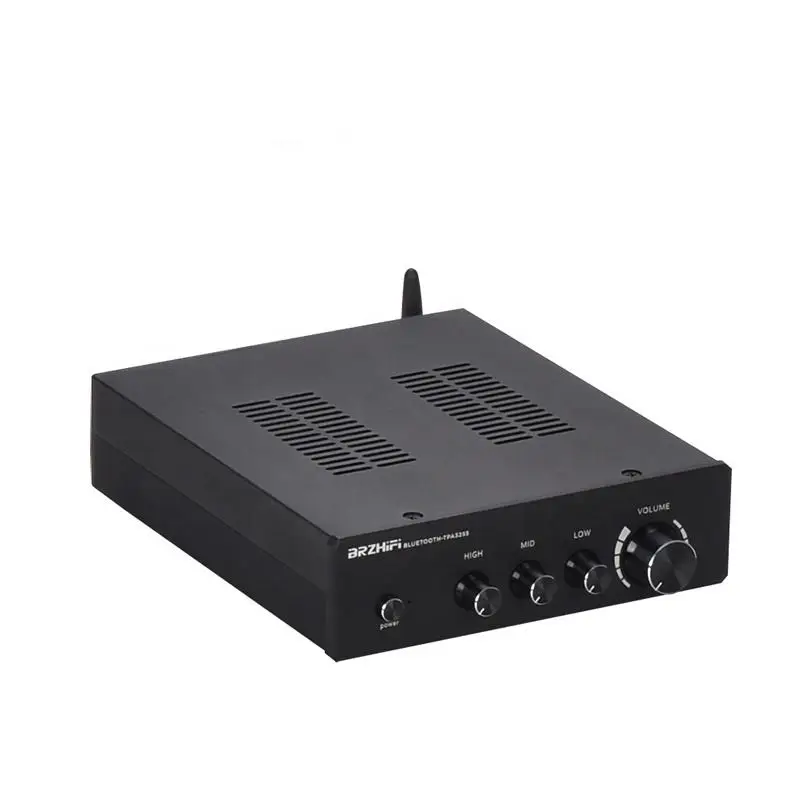
Understanding Digital Power Amplification Technology
Core Operating Principles
A digital power amp operates fundamentally differently from its analog counterparts through pulse width modulation and sophisticated switching mechanisms. These amplifiers convert incoming analog audio signals into high-frequency digital pulses that precisely control power delivery to connected speakers. The switching frequency typically operates well beyond human hearing range, ensuring that the modulation process remains completely transparent to listeners. This approach enables remarkably efficient power conversion while maintaining excellent signal fidelity across the entire frequency spectrum.
The digital processing stage handles complex algorithms that optimize performance characteristics in real-time. Advanced digital power amp designs incorporate feedback loops that continuously monitor output conditions and adjust internal parameters accordingly. This intelligent adaptation helps maintain consistent performance regardless of load impedance variations or environmental temperature changes. The result is amplification that delivers consistent power output with minimal distortion across diverse operating conditions.
Efficiency Advantages
Energy efficiency represents one of the most compelling advantages of digital amplification technology. Traditional Class AB amplifiers typically achieve efficiency ratings between 50-70%, while well-designed digital power amp systems regularly exceed 90% efficiency under normal operating conditions. This dramatic improvement translates directly into reduced heat generation, lower operating costs, and enhanced reliability through reduced thermal stress on internal components.
The reduced heat generation has cascading benefits throughout the entire audio system. Lower operating temperatures extend component lifespan and reduce the need for extensive cooling systems. This efficiency advantage becomes particularly pronounced in high-power applications where traditional amplifiers would require substantial heat sinks and active cooling solutions. Professional installations benefit significantly from these thermal characteristics, especially in space-constrained environments.
Application Scenarios for Digital Power Amplification
Home Audio Environments
Residential audio applications present unique considerations when evaluating digital power amp suitability. Home theater systems benefit tremendously from the compact form factor and reduced heat output that characterizes modern digital amplification. The ability to deliver substantial power without requiring massive heat sinks makes these amplifiers ideal for integration into entertainment centers and custom installations where space constraints are common.
Critical listening environments also benefit from the low noise floor and excellent signal-to-noise ratio that quality digital amplification provides. Audiophiles often appreciate the precise control and consistent performance that digital power amp technology delivers across different speaker loads and listening levels. The reduced electromagnetic interference typical of well-designed digital amplifiers contributes to cleaner overall system performance in complex home audio setups.
Professional Audio Applications
Professional audio environments often present demanding requirements that favor digital power amp solutions. Concert venues, recording studios, and broadcast facilities require amplification systems that deliver consistent performance while minimizing operational overhead. The reliability and efficiency characteristics of digital amplification make these systems particularly attractive for commercial applications where downtime represents significant financial impact.
Live sound reinforcement benefits from the lightweight characteristics and flexible configuration options available with digital amplification. Tour-grade digital power amp systems can deliver substantial power output while reducing overall system weight and complexity. The ability to configure multiple amplifier channels through digital control interfaces streamlines setup procedures and enables remote monitoring capabilities that enhance operational efficiency.
Performance Characteristics and Considerations
Audio Quality Metrics
Evaluating the audio performance of any digital power amp requires understanding several key specifications that impact overall sound quality. Total harmonic distortion measurements provide insight into signal purity, while frequency response characteristics determine how faithfully the amplifier reproduces different musical content. Modern digital amplification typically achieves THD measurements well below 0.1% across the audible frequency range, representing excellent fidelity performance.
Dynamic range capabilities influence how effectively the amplifier handles varying signal levels and complex musical passages. High-quality digital power amp designs maintain low noise floors even at minimal output levels while providing ample headroom for transient peaks. This combination ensures that subtle musical details remain clearly audible while powerful passages reproduce with appropriate impact and clarity.
Load Compatibility and Flexibility
Speaker load compatibility represents a critical consideration when selecting any amplification system. Digital power amp technology generally provides excellent stability across various speaker impedances, though specific designs may optimize performance for particular load ranges. Understanding the impedance characteristics of intended speakers helps ensure optimal matching and maximum performance from the complete audio system.
The modular nature of many digital amplification systems enables flexible configuration options that adapt to changing requirements. Multiple channel configurations, bridging capabilities, and scalable power output options provide system designers with numerous possibilities for customizing performance characteristics. This flexibility proves particularly valuable in installations where future expansion or reconfiguration may be necessary.
Economic and Practical Benefits
Installation and Maintenance Advantages
The compact size and reduced weight typical of digital power amp systems significantly simplify installation procedures and reduce associated costs. Lighter amplifiers require less robust mounting hardware and can be installed in locations that would be impractical for heavier traditional amplifiers. This characteristic proves particularly valuable in retrofit applications where existing infrastructure may have limited weight-bearing capacity.
Maintenance requirements for digital amplification tend to be minimal due to the reduced number of heat-sensitive components and the inherent reliability of switching power supply designs. The absence of large electrolytic capacitors and the reduced thermal stress contribute to extended operational life and decreased maintenance intervals. These factors combine to reduce total cost of ownership over the amplifier's operational lifetime.
Energy Cost Considerations
Operating cost analysis often favors digital power amp solutions, particularly in applications with substantial usage hours. The superior efficiency of digital amplification translates directly into reduced electricity consumption, which becomes increasingly significant as energy costs continue rising. Commercial installations with multiple amplifier channels can realize substantial operational savings through the adoption of efficient digital amplification technology.
Environmental considerations also support digital power amp selection in many contemporary applications. Reduced energy consumption contributes to lower carbon footprints and supports sustainability initiatives. These factors increasingly influence purchasing decisions in both commercial and residential applications as environmental awareness continues growing among consumers and organizations alike.
Technical Integration Considerations
System Compatibility
Successful integration of any digital power amp requires careful consideration of system-level compatibility factors. Signal source characteristics, interconnection requirements, and control system interfaces all influence the overall installation complexity and performance optimization possibilities. Modern digital amplifiers often include multiple input options and digital signal processing capabilities that enhance integration flexibility.
Digital control interfaces enable sophisticated system integration possibilities that extend beyond basic amplification functions. Network connectivity, remote monitoring capabilities, and programmable signal processing features create opportunities for comprehensive system automation and management. These advanced features prove particularly valuable in complex installations where centralized control and monitoring provide operational advantages.
Future-Proofing Considerations
Technology evolution continues shaping the audio industry, making future compatibility an important selection criterion for any amplification investment. Digital power amp systems generally provide better upgrade pathways and compatibility with emerging digital audio standards. The software-based nature of many digital processing functions enables feature updates and performance enhancements through firmware upgrades rather than hardware replacement.
Scalability represents another important consideration for installations that may require expansion or reconfiguration over time. Digital amplification systems often provide better options for incremental capacity increases and system modifications. This flexibility helps protect investment value and reduces the likelihood of premature obsolescence as requirements evolve.
FAQ
What power levels are available in digital power amplifier designs
Digital power amp systems are available across an extensive power range, from compact desktop models delivering 50 watts per channel to professional-grade units providing several thousand watts of output power. Most residential applications find excellent performance with amplifiers in the 100-500 watt per channel range, while commercial installations may require substantially higher power levels depending on venue size and acoustic requirements.
How does digital amplification compare to traditional tube amplifiers in sound quality
Modern digital power amp technology achieves excellent sound quality metrics that often exceed traditional tube amplifier specifications in measurable parameters like distortion and frequency response. However, some listeners prefer the subtle harmonic characteristics that tube amplifiers introduce. The choice between these technologies often depends on personal preference and specific application requirements rather than absolute technical superiority.
Are there any disadvantages to choosing digital power amplification
While digital power amp systems offer numerous advantages, some considerations include higher initial purchase costs for premium models and potential electromagnetic interference in poorly designed units. Additionally, some audiophiles prefer the sound characteristics of traditional analog amplification. However, these limitations have decreased significantly as digital amplification technology has matured and manufacturing costs have declined.
What factors should influence the selection between different digital amplifier models
Key selection factors for any digital power amp include power output requirements, speaker impedance compatibility, available input options, and integration features needed for the specific application. Build quality, manufacturer reputation, and warranty support also represent important considerations. Professional applications may require additional features like network connectivity, remote monitoring capabilities, and robust construction for demanding operating environments.
Table of Contents
- Understanding Digital Power Amplification Technology
- Application Scenarios for Digital Power Amplification
- Performance Characteristics and Considerations
- Economic and Practical Benefits
- Technical Integration Considerations
-
FAQ
- What power levels are available in digital power amplifier designs
- How does digital amplification compare to traditional tube amplifiers in sound quality
- Are there any disadvantages to choosing digital power amplification
- What factors should influence the selection between different digital amplifier models