
 EN
EN
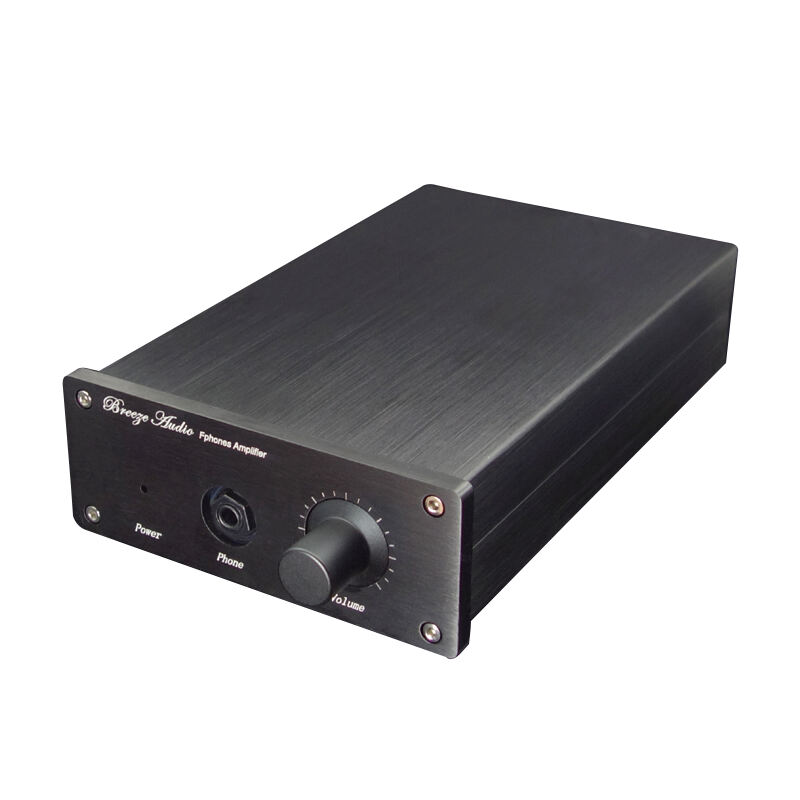
Modern audio systems demand versatility and seamless connectivity across multiple input sources, making the digital stereo amplifier a cornerstone technology for contemporary home entertainment setups. These sophisticated devices excel at managing diverse audio inputs while maintaining exceptional sound quality and operational efficiency. Understanding how a digital stereo amplifier processes and switches between various input sources reveals the intricate engineering that enables today's streamlined audio experiences.
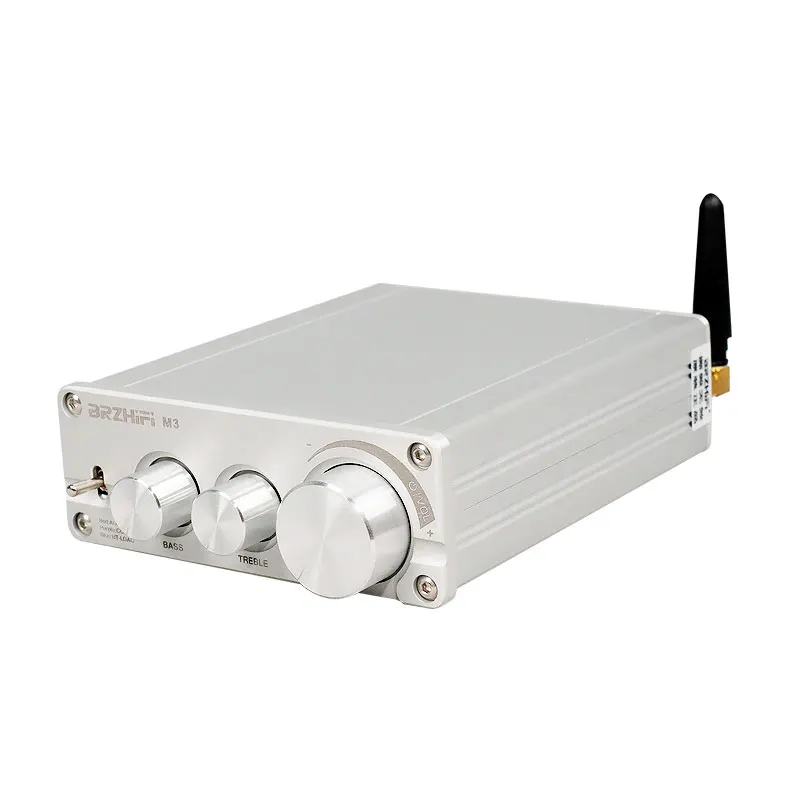
The complexity of multi-input management extends beyond simple signal routing, encompassing sophisticated digital signal processing, impedance matching, and real-time audio optimization. Each input source presents unique characteristics and requirements that the digital stereo amplifier must accommodate while delivering consistent performance across all connected devices. This comprehensive approach to input handling represents a significant advancement over traditional analog amplification systems.
Input Signal Processing Architecture
Digital Signal Path Management
The digital stereo amplifier employs advanced digital signal processing to handle multiple input sources simultaneously. Internal signal processors continuously monitor all connected inputs, detecting active signals and automatically switching between sources based on predefined priorities or user preferences. This intelligent switching mechanism ensures seamless transitions without audio dropouts or distortion.
Digital conversion stages within the amplifier transform analog inputs into high-resolution digital formats, typically operating at sampling rates of 96kHz or higher. These conversion processes maintain signal integrity while enabling sophisticated processing capabilities such as equalization, filtering, and dynamic range optimization. The digital domain processing allows for precise control over each input source's characteristics.
Analog Input Integration
Traditional analog sources require careful handling within the digital stereo amplifier's processing chain. High-quality analog-to-digital converters ensure faithful reproduction of vinyl records, CD players, and other analog audio sources. These converters typically feature delta-sigma architectures that provide excellent linearity and low noise performance across the entire audio spectrum.
Input staging circuits provide proper impedance matching and signal conditioning for various analog source types. These circuits accommodate different output impedances and signal levels, ensuring optimal performance regardless of the connected analog device. Proper impedance matching prevents signal reflections and maintains maximum power transfer efficiency.
Wireless Connectivity Integration
Bluetooth Protocol Management
Modern digital stereo amplifiers incorporate advanced Bluetooth connectivity that supports multiple high-quality codecs including aptX, aptX HD, and LDAC. These codecs enable near-lossless wireless audio transmission while maintaining low latency for real-time applications. The amplifier's Bluetooth subsystem manages pairing, connection stability, and automatic reconnection with previously paired devices.
Bluetooth signal processing within the digital stereo amplifier includes error correction, packet buffering, and adaptive bitrate management. These features ensure consistent audio quality even in challenging wireless environments with interference from other devices. The amplifier automatically adjusts transmission parameters to maintain optimal audio quality while minimizing dropouts.
WiFi Network Integration
Network-enabled digital stereo amplifiers support streaming protocols such as AirPlay, Chromecast, and DLNA for seamless integration with home networks. These protocols enable high-resolution audio streaming from various devices while maintaining synchronized playback across multiple zones. The amplifier's network processing capabilities handle authentication, encryption, and quality of service management.
WiFi connectivity enables firmware updates, remote control functionality, and integration with smart home systems. The digital stereo amplifier can receive control commands over the network, allowing for sophisticated automation and scheduling capabilities. This connectivity transforms the amplifier into an intelligent node within larger home automation systems.
Power Management and Efficiency
Class D Amplification Technology
The digital stereo amplifier utilizes Class D amplification technology to achieve exceptional power efficiency while handling multiple input sources. This switching amplification approach converts audio signals into pulse-width modulated signals that drive the output transistors with minimal power dissipation. The result is significantly reduced heat generation and improved overall system efficiency.
Advanced feedback control systems within the Class D architecture maintain excellent linearity and low distortion across all input sources. These control systems continuously monitor output performance and adjust switching parameters to compensate for load variations and temperature changes. The digital stereo amplifier maintains consistent performance regardless of which input source is active.
Dynamic Power Allocation
Sophisticated power management circuits within the digital stereo amplifier optimize energy consumption based on input source requirements and output demands. The amplifier can dynamically adjust power rail voltages and bias currents to match the instantaneous power requirements of the audio signal. This adaptive approach maximizes efficiency while maintaining headroom for dynamic peaks.
Standby and sleep modes reduce power consumption when no input sources are active, extending the operational life of the digital stereo amplifier while minimizing environmental impact. These power management features include intelligent wake-up detection that automatically activates the amplifier when input signals are detected from any connected source.
Audio Quality Optimization
Digital Signal Enhancement
The digital stereo amplifier incorporates advanced digital signal processing algorithms that enhance audio quality across all input sources. These algorithms include upsampling, noise shaping, and dithering techniques that improve perceived audio quality while maintaining the original signal's integrity. The processing adapts to each input source's characteristics to provide optimal enhancement.
Real-time equalization and room correction capabilities allow the digital stereo amplifier to compensate for acoustic environment characteristics. These features analyze the listening environment and automatically adjust frequency response to achieve optimal sound reproduction. The corrections apply universally across all input sources, ensuring consistent audio quality regardless of the source material.
Distortion Minimization
Advanced feedback control systems within the digital stereo amplifier continuously monitor output signals for distortion artifacts and implement corrective measures in real-time. These systems analyze total harmonic distortion, intermodulation distortion, and noise characteristics to maintain exceptional audio fidelity across all input sources and power levels.
Temperature compensation circuits ensure that the digital stereo amplifier maintains consistent performance characteristics as operating conditions change. These circuits monitor critical component temperatures and adjust bias currents and operating parameters to prevent thermal-induced distortion or performance degradation.
User Interface and Control Systems
Input Selection Mechanisms
The digital stereo amplifier provides multiple methods for input source selection, including physical controls, remote control interfaces, and mobile applications. These control systems offer intuitive operation while providing access to advanced configuration options. Users can establish priority hierarchies, automatic switching rules, and custom naming for connected input sources.
Visual feedback systems including LED indicators and display screens provide clear indication of active input sources and system status. These interfaces show signal presence, quality indicators, and connectivity status for each input source. The digital stereo amplifier's user interface adapts to user preferences and usage patterns over time.
Advanced Configuration Options
Comprehensive configuration menus allow users to customize the digital stereo amplifier's behavior for each input source. These options include gain adjustment, equalization settings, and processing preferences that can be saved as presets for different listening scenarios. The amplifier remembers these settings and automatically applies them when switching between input sources.
Integration with home automation systems enables voice control and scheduling capabilities for the digital stereo amplifier. Users can control input selection, volume levels, and processing settings through voice commands or automated routines. This integration enhances the overall user experience and convenience of multi-input audio systems.
Technical Performance Considerations
Signal-to-Noise Ratio Optimization
The digital stereo amplifier employs sophisticated noise management techniques to maintain excellent signal-to-noise ratios across all input sources. These techniques include careful circuit layout, power supply filtering, and digital noise shaping algorithms. The result is exceptional clarity and detail reproduction regardless of the input source's inherent noise characteristics.
Isolation between input circuits prevents crosstalk and interference between different sources. The digital stereo amplifier uses separate processing paths and filtering for each input, ensuring that signals from inactive sources cannot contaminate the active audio path. This isolation maintains the integrity of the selected input source's audio signal.
Bandwidth and Resolution Management
High-resolution audio support enables the digital stereo amplifier to handle input sources with sampling rates up to 192kHz and bit depths of 24 bits or higher. The amplifier's processing pipeline maintains this resolution throughout the signal path, ensuring that high-resolution source material receives appropriate handling without degradation or downsampling.
Adaptive filtering systems automatically adjust bandwidth and processing parameters based on the detected characteristics of each input source. The digital stereo amplifier optimizes its performance for everything from compressed streaming audio to high-resolution studio masters, providing appropriate processing for each source type while maintaining consistent user experience.
FAQ
How many input sources can a digital stereo amplifier typically handle simultaneously?
Most digital stereo amplifiers can manage between 4 to 8 different input sources, including combinations of analog inputs, digital inputs, Bluetooth, WiFi streaming, and USB connections. While only one source plays at a time, the amplifier continuously monitors all inputs for signal detection and can switch between them seamlessly based on user preferences or automatic priority settings.
What happens to audio quality when switching between different input sources?
Modern digital stereo amplifiers maintain consistent audio quality across different input sources through sophisticated signal processing and normalization techniques. The amplifier automatically adjusts gain levels, applies appropriate filtering, and optimizes processing parameters for each source type to ensure seamless transitions without noticeable quality differences or volume jumps.
Can a digital stereo amplifier remember settings for each input source?
Yes, advanced digital stereo amplifiers feature memory systems that store individual settings for each input source, including volume levels, equalization preferences, and processing options. These settings automatically activate when switching to the corresponding input, providing a customized listening experience tailored to each source's characteristics and user preferences.
How does wireless connectivity affect the performance of other input sources?
Well-designed digital stereo amplifiers isolate wireless processing from other input circuits to prevent interference. The amplifier's architecture includes separate processing paths and filtering systems that ensure Bluetooth or WiFi activity does not impact the performance of analog or digital wired inputs, maintaining consistent audio quality across all connection types.
Table of Contents
- Input Signal Processing Architecture
- Wireless Connectivity Integration
- Power Management and Efficiency
- Audio Quality Optimization
- User Interface and Control Systems
- Technical Performance Considerations
-
FAQ
- How many input sources can a digital stereo amplifier typically handle simultaneously?
- What happens to audio quality when switching between different input sources?
- Can a digital stereo amplifier remember settings for each input source?
- How does wireless connectivity affect the performance of other input sources?