
 EN
EN
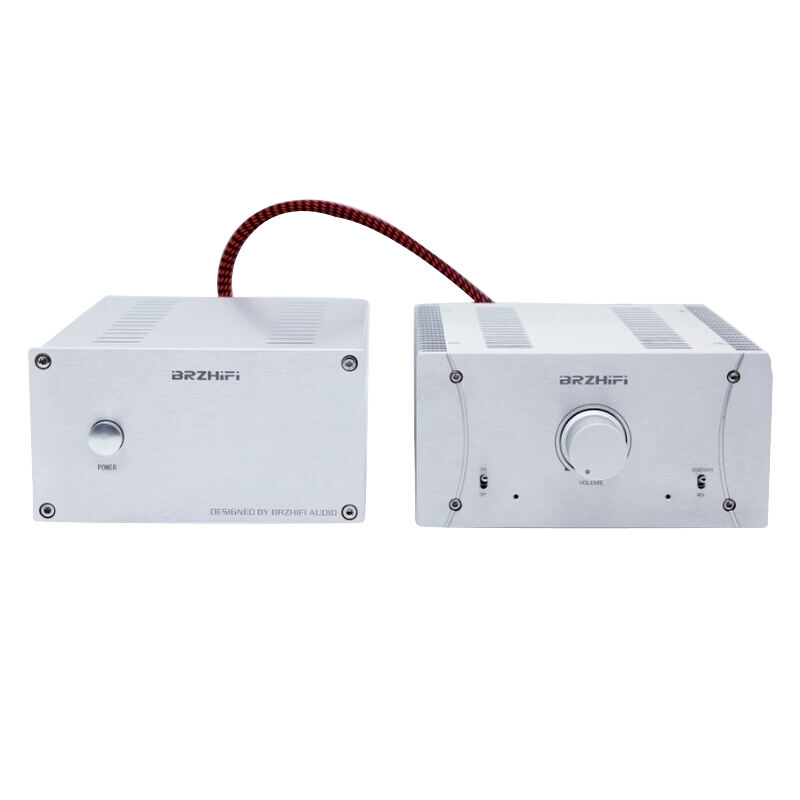
Modern audio systems demand exceptional power delivery and precise signal processing to handle high-output applications effectively. The evolution of amplification technology has revolutionized how we approach demanding audio setups, with digital power amp technology leading this transformation. These advanced amplifiers combine superior efficiency with remarkable power handling capabilities, making them indispensable for professional audio installations, high-end home theaters, and critical listening environments. Understanding how digital amplification supports high-output systems requires examining the fundamental technologies and design principles that enable such impressive performance characteristics.
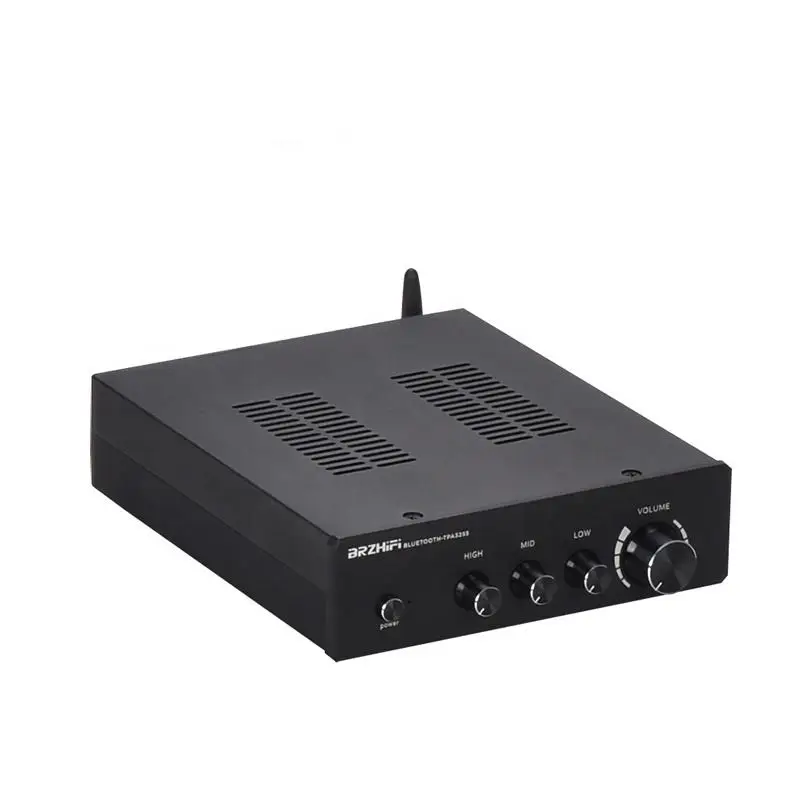
Core Technologies Behind Digital Power Amplification
Pulse Width Modulation Architecture
The foundation of every digital power amp lies in its pulse width modulation system, which converts analog audio signals into high-frequency digital switching patterns. This sophisticated process enables amplifiers to achieve remarkable efficiency rates exceeding 90%, compared to traditional analog amplifiers that typically operate at 60-70% efficiency. The PWM architecture eliminates the heat generation issues that plague conventional amplification methods, allowing for sustained high-power operation without thermal degradation.
Advanced PWM controllers in modern digital amplifiers operate at switching frequencies well beyond the audible spectrum, typically ranging from 384kHz to 768kHz. This high-frequency operation ensures that switching artifacts remain inaudible while maintaining precise signal reproduction. The sophisticated feedback systems integrated into these controllers continuously monitor output conditions and adjust switching patterns in real-time to maintain optimal performance across varying load conditions and power demands.
Class D Amplification Benefits
Class D topology forms the backbone of digital amplification technology, offering significant advantages for high-output applications. Unlike traditional linear amplifiers that operate output transistors in their analog region, Class D amplifiers switch output devices fully on or off, minimizing power dissipation and maximizing efficiency. This switching approach enables compact amplifier designs capable of delivering substantial power output without requiring massive heat sinks or cooling systems.
The inherent efficiency of Class D operation translates directly into practical benefits for high-output systems. Power supplies can be smaller and lighter while delivering equivalent power levels, reducing overall system weight and installation complexity. Additionally, the reduced heat generation allows for higher power density installations, enabling multiple amplifier channels in confined spaces without thermal management concerns that would plague traditional amplification methods.
Power Delivery Mechanisms in High-Output Applications
Advanced Power Supply Design
High-output digital power amp systems rely on sophisticated power supply architectures that can deliver substantial current on demand while maintaining stable voltage rails. Switch-mode power supplies have become the standard for these applications, offering superior efficiency and regulation compared to traditional linear power supplies. These advanced power supplies incorporate power factor correction, soft-start circuits, and comprehensive protection systems to ensure reliable operation under demanding conditions.
Modern digital amplifiers utilize multi-rail power supply configurations that optimize voltage levels for different circuit sections. Separate rails for control circuits, driver stages, and output sections prevent interference and ensure optimal performance across all operating conditions. Advanced power supplies also incorporate dynamic voltage scaling, adjusting supply voltages based on signal demands to maximize efficiency while maintaining headroom for transient peaks.
Output Stage Optimization
The output stage of a digital power amp represents the critical interface between the amplifier and the load, requiring careful optimization for high-output applications. Modern output stages employ parallel transistor configurations to handle high current demands while maintaining switching speed and efficiency. These configurations distribute power dissipation across multiple devices, improving reliability and enabling higher sustained power levels.
Gate drive circuits in high-output digital amplifiers require special attention to ensure proper switching behavior under all conditions. Advanced gate drivers provide the precise timing and current capabilities necessary to switch high-power output devices rapidly and efficiently. These drivers incorporate dead-time optimization, shoot-through protection, and adaptive timing compensation to maintain optimal switching performance across temperature and load variations.
System Integration and Performance Optimization
Load Matching and Impedance Considerations
Successful high-output system implementation requires careful consideration of load impedance matching to maximize power transfer and maintain amplifier stability. Digital power amp designs typically optimize for specific impedance ranges, with many professional models designed to drive 4-ohm or even 2-ohm loads efficiently. Understanding load characteristics and matching amplifier capabilities to system requirements ensures optimal performance and longevity.
Complex loudspeaker loads present unique challenges for digital amplifiers, particularly when dealing with reactive components and impedance variations across frequency. Advanced digital power amp designs incorporate sophisticated feedback systems and load compensation circuits to maintain stable operation across diverse load conditions. These systems monitor load impedance in real-time and adjust operating parameters to ensure consistent performance regardless of load variations.
Thermal Management Strategies
While digital amplifiers generate significantly less heat than traditional designs, high-output applications still require effective thermal management strategies. Advanced thermal design incorporates multiple heat dissipation paths, including conduction through PCB copper planes, convection through carefully designed airflow patterns, and radiation through optimized heat sink designs. Temperature monitoring systems continuously track thermal conditions and implement protective measures when necessary.
Modern digital power amp designs often incorporate intelligent thermal management that adjusts operating parameters based on temperature conditions. These systems can modify switching frequencies, implement dynamic power limiting, or activate cooling fans to maintain optimal operating temperatures. Such adaptive thermal management ensures consistent performance while protecting the amplifier from thermal damage during extended high-power operation.
Protection Systems and Reliability Features
Comprehensive Protection Circuits
High-output digital power amp systems incorporate multiple layers of protection to ensure reliable operation under challenging conditions. Over-current protection monitors output current levels and implements limiting or shutdown procedures when safe operating limits are exceeded. Short-circuit protection provides rapid response to fault conditions, protecting both the amplifier and connected equipment from damage.
Advanced protection systems also monitor DC offset levels, ensuring that dangerous DC voltages cannot reach connected loudspeakers. Temperature protection circuits track thermal conditions across multiple points within the amplifier, implementing graduated responses from performance limiting to complete shutdown as conditions warrant. These comprehensive protection systems work together to maintain system reliability while maximizing available performance.
Fault Detection and Recovery
Sophisticated fault detection systems in modern digital amplifiers continuously monitor system health and implement appropriate responses to detected anomalies. These systems can distinguish between temporary conditions that require momentary protection and permanent faults requiring service attention. Automatic recovery systems attempt to restore normal operation after fault conditions clear, minimizing system downtime.
Digital power amp designs often incorporate diagnostic capabilities that log fault events and operating conditions for later analysis. These diagnostic systems help identify potential issues before they become critical problems, enabling proactive maintenance and system optimization. Status indication systems provide real-time feedback on amplifier condition, allowing operators to monitor system health and performance continuously.
Applications and Implementation Strategies
Professional Audio System Integration
Professional audio installations benefit significantly from digital power amp technology, particularly in applications requiring high power density and reliability. Concert venues, theaters, and large conference facilities utilize digital amplifiers to drive complex loudspeaker arrays while maintaining system efficiency and minimizing installation space requirements. The reduced weight and size of digital amplifiers simplify rigging and installation procedures while providing superior performance.
Network connectivity features in professional digital amplifiers enable sophisticated system monitoring and control capabilities. These features allow technicians to monitor amplifier performance, adjust operating parameters, and diagnose issues remotely. Integration with professional audio networks enables coordinated system operation and centralized management of complex multi-amplifier installations.
High-End Residential Applications
Residential high-output systems increasingly rely on digital power amp technology to deliver exceptional audio performance while maintaining reasonable power consumption and heat generation. Home theater installations benefit from the ability to drive demanding loudspeaker loads efficiently while providing the dynamic range necessary for movie soundtracks and music reproduction. The compact size of digital amplifiers enables integration into furniture and architectural elements without compromising performance.
Multi-channel digital amplifier systems provide the power and flexibility needed for sophisticated surround sound installations. These systems can deliver substantial power to multiple channels simultaneously while maintaining low distortion and excellent channel separation. Advanced bass management and crossover capabilities built into many digital amplifiers simplify system integration and optimization for specific room acoustics and loudspeaker characteristics.
Future Developments and Technological Advances
Emerging Technologies
The digital power amp industry continues to evolve with advances in semiconductor technology, digital signal processing, and system integration techniques. Gallium nitride power devices promise even higher efficiency and power density, enabling next-generation amplifier designs with unprecedented performance capabilities. Advanced DSP integration provides sophisticated audio processing capabilities within the amplifier itself, reducing system complexity and improving overall performance.
Artificial intelligence and machine learning technologies are beginning to influence digital amplifier design, enabling adaptive optimization based on usage patterns and load characteristics. These intelligent systems can automatically adjust operating parameters to maximize efficiency and performance while learning from user preferences and system behavior patterns.
Integration and Connectivity Enhancements
Future digital power amp designs will feature enhanced connectivity options, including wireless control interfaces and cloud-based monitoring capabilities. These features will enable more sophisticated system integration and remote management capabilities. Enhanced diagnostic systems will provide predictive maintenance capabilities, identifying potential issues before they affect system performance.
The integration of renewable energy sources and energy storage systems will become increasingly important for high-output installations. Digital amplifiers will incorporate features specifically designed to optimize performance when operating from battery systems or renewable energy sources, contributing to more sustainable audio system designs.
FAQ
What makes digital power amps more efficient than traditional amplifiers
Digital power amps achieve superior efficiency through their Class D switching topology, which operates output transistors as switches rather than linear devices. This switching operation minimizes power dissipation, typically achieving efficiency levels exceeding 90% compared to 60-70% for traditional amplifiers. The reduced heat generation allows for smaller, lighter designs while delivering equivalent or superior power output.
How do digital amplifiers maintain audio quality at high power levels
Modern digital power amp designs incorporate sophisticated feedback systems and high-frequency switching to maintain excellent audio quality at all power levels. Advanced PWM controllers operate at frequencies well above the audible range, while feedback circuits continuously monitor and correct for any distortions. These systems ensure that audio quality remains consistent from low to high power output levels.
What protection features are essential for high-output digital amplifier systems
Essential protection features include over-current protection, short-circuit detection, thermal monitoring, and DC offset protection. These systems work together to prevent damage to both the amplifier and connected equipment while maintaining reliable operation. Advanced protection circuits can distinguish between temporary and permanent fault conditions, implementing appropriate responses to ensure system safety and longevity.
Can digital power amps drive complex loudspeaker loads effectively
Yes, modern digital power amp designs are specifically engineered to handle complex reactive loads through advanced feedback systems and load compensation circuits. These amplifiers can maintain stable operation across varying impedances and reactive components, making them suitable for driving sophisticated loudspeaker systems including multi-driver arrays and complex crossover networks.