
 EN
EN
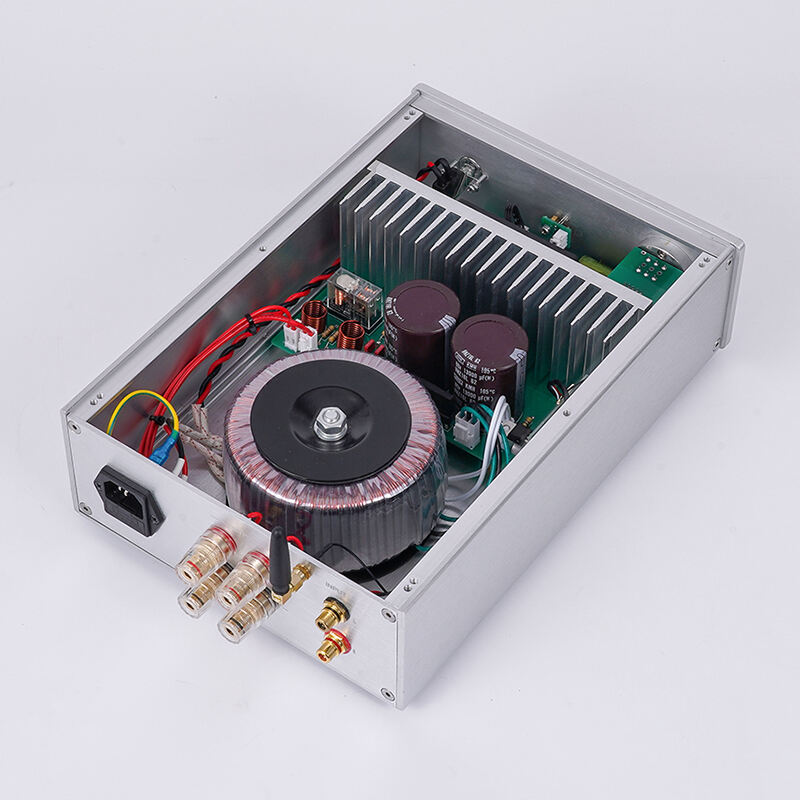
When considering audio amplification options, understanding the fundamental differences between Class AB and Class D amplifiers becomes crucial for making an informed decision. Audio enthusiasts and professionals often face the dilemma of which amplifier type suits their specific needs best. While Class D amplifiers have gained popularity due to their efficiency and compact design, Class AB amplifiers continue to hold significant advantages in certain applications. The choice between these two amplifier classes depends on various factors including audio quality requirements, power efficiency needs, and intended use cases. Before you buy amplifier systems, it's essential to understand when Class AB technology offers superior performance over its Class D counterparts.
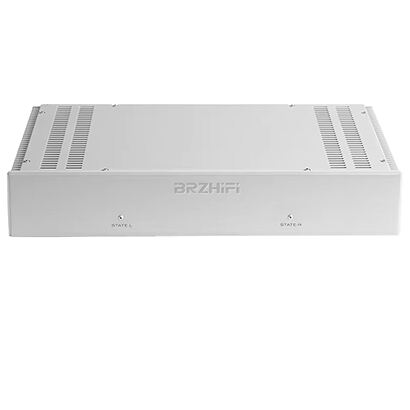
Understanding Class AB Amplifier Technology
Linear Operation Principles
Class AB amplifiers operate using linear amplification technology, where the output transistors conduct for more than half of the input signal cycle. This design approach ensures that both positive and negative halves of the audio waveform receive proper amplification without introducing significant crossover distortion. The linear nature of Class AB operation means that the output signal maintains a direct relationship with the input signal, resulting in excellent signal fidelity. When you buy amplifier systems for critical listening applications, this linear characteristic becomes particularly important for maintaining audio integrity. The continuous operation mode allows Class AB amplifiers to handle complex musical passages with remarkable accuracy and detail preservation.
Power Stage Configuration
The power stage of Class AB amplifiers typically employs complementary pairs of bipolar or MOSFET transistors operating in a push-pull configuration. This arrangement allows for efficient power delivery while maintaining low distortion characteristics throughout the operating range. The bias current in Class AB designs is carefully set to eliminate crossover distortion while preventing excessive power consumption during idle periods. Professional audio engineers often prefer this configuration when they buy amplifier equipment for studio monitoring or high-end audio reproduction. The robust power stage design also contributes to excellent thermal stability and long-term reliability in demanding applications.
Superior Audio Quality Characteristics
Low Distortion Performance
Class AB amplifiers excel in delivering exceptionally low total harmonic distortion across the entire frequency spectrum. The linear amplification process inherent in Class AB design minimizes the introduction of unwanted harmonics that can color the original audio signal. This characteristic becomes particularly evident when reproducing complex musical arrangements where multiple instruments and vocals must be rendered with pristine clarity. Musicians and audiophiles who buy amplifier systems for critical listening applications consistently choose Class AB technology for its transparent sound reproduction. The low distortion performance extends across all power levels, ensuring consistent audio quality whether playing at whisper-quiet volumes or concert levels.
Wide Frequency Response
The frequency response characteristics of Class AB amplifiers typically extend well beyond the human hearing range, providing excellent headroom for transient response and harmonic content preservation. This wide bandwidth capability ensures that subtle musical details and spatial information remain intact throughout the amplification process. High-frequency extension is particularly important for reproducing the natural ambience and acoustic space captured in quality recordings. When professionals buy amplifier systems for mastering studios or reference monitoring, the extended frequency response of Class AB designs provides the accuracy needed for critical decision-making. The consistent phase response across the frequency spectrum also contributes to maintaining proper stereo imaging and soundstage presentation.
Thermal Management Advantages
Predictable Heat Generation
Class AB amplifiers generate heat in a predictable and manageable manner, allowing for effective thermal management through conventional cooling methods. The linear operation means that heat generation increases gradually with power output, making it easier to design appropriate cooling solutions. This predictable thermal behavior ensures consistent performance characteristics even during extended operation periods at high power levels. Audio professionals who buy amplifier equipment for permanent installations appreciate the reliability that comes from well-understood thermal characteristics. The steady heat generation pattern also allows for more precise temperature monitoring and protection circuit implementation.
Stable Performance Under Load
The thermal stability of Class AB amplifiers contributes to consistent performance characteristics across varying load conditions and operating temperatures. Unlike switching amplifier designs that may exhibit performance variations with temperature changes, Class AB amplifiers maintain their specified characteristics throughout their operating temperature range. This stability is crucial for applications where consistent sound quality must be maintained regardless of environmental conditions. Recording engineers and sound reinforcement professionals who buy amplifier systems for critical applications rely on this thermal stability for predictable results. The robust thermal design also contributes to extended component lifespan and reduced maintenance requirements.
Dynamic Range and Transient Response
Excellent Transient Handling
Class AB amplifiers demonstrate superior transient response capabilities due to their continuous conduction mode and linear operation characteristics. The ability to accurately reproduce sudden changes in signal amplitude is crucial for maintaining the dynamic impact of musical performances. Percussive instruments, piano attacks, and vocal transients benefit significantly from the fast settling time and minimal overshoot characteristics of well-designed Class AB amplifiers. Professional musicians and recording artists who buy amplifier systems for monitoring applications often prioritize this transient accuracy for making critical musical decisions. The linear nature of Class AB operation ensures that transient information is preserved without the potential artifacts associated with switching amplifier designs.
Wide Dynamic Range Capability
The inherent design of Class AB amplifiers provides excellent dynamic range performance, allowing for the reproduction of both subtle musical details and powerful crescendos without compression or clipping. This wide dynamic range capability is essential for reproducing the full emotional impact of musical performances across all genres. The linear amplification process maintains proportional relationships between different signal levels, preserving the natural dynamics captured during recording or live performance. Audio enthusiasts who buy amplifier equipment for high-end home audio systems value this dynamic range capability for experiencing music as the artists intended. The consistent dynamic performance across all operating conditions ensures that the full range of musical expression remains accessible to listeners.
Load Compatibility and Stability
Flexible Speaker Impedance Handling
Class AB amplifiers typically demonstrate excellent stability and performance across a wide range of speaker impedances, making them versatile choices for various loudspeaker configurations. The linear output stage can effectively drive speakers with impedances ranging from 2 ohms to 16 ohms without significant performance degradation. This flexibility is particularly valuable in professional audio applications where different speaker types may be connected to the same amplifier system. Sound system designers who buy amplifier equipment for commercial installations appreciate this impedance flexibility for accommodating diverse speaker requirements. The stable impedance handling also ensures consistent power delivery regardless of speaker load variations.
Reactive Load Performance
The ability of Class AB amplifiers to handle reactive loads, including speakers with complex impedance curves, sets them apart from many switching amplifier designs. Real-world loudspeakers present varying impedance characteristics across the frequency spectrum, and Class AB amplifiers maintain stable operation under these conditions. This stability ensures that frequency response remains consistent regardless of the speaker's impedance variations. Professional audio engineers who buy amplifier systems for high-end applications rely on this reactive load stability for predictable system performance. The robust output stage design also provides protection against potentially damaging load conditions while maintaining audio quality.
Applications Where Class AB Excels
High-End Audio Systems
In high-end audiophile applications, Class AB amplifiers continue to be the preferred choice for their uncompromising audio quality and natural sound reproduction. The linear amplification process preserves the subtle nuances and spatial information that define exceptional audio experiences. Critical listening environments, such as dedicated listening rooms and high-end home theaters, benefit from the transparent and accurate sound reproduction that Class AB technology provides. Discerning audiophiles who buy amplifier systems for premium installations consistently choose Class AB designs for their superior sonic characteristics. The investment in Class AB technology pays dividends in long-term listening satisfaction and system performance.
Professional Studio Applications
Recording studios, mastering facilities, and broadcast environments rely heavily on Class AB amplifiers for their monitor systems due to the critical need for accurate sound reproduction. The ability to reveal minute details in recordings while maintaining natural tonal balance makes Class AB amplifiers essential tools for audio production professionals. Mix engineers depend on the transparent characteristics of these amplifiers to make accurate equalization and processing decisions during the production process. Facility managers who buy amplifier equipment for professional studios prioritize the proven reliability and consistent performance that Class AB technology delivers. The investment in quality amplification ultimately contributes to the overall success of audio production projects.
Cost Considerations and Value Proposition
Long-Term Investment Value
While Class AB amplifiers may have higher initial costs compared to some Class D alternatives, they often provide superior long-term value through their durability and consistent performance characteristics. The proven technology and robust construction of quality Class AB amplifiers contribute to extended operational lifespans with minimal maintenance requirements. Professional users who buy amplifier systems for commercial applications often find that the reliability of Class AB designs results in lower total cost of ownership over time. The resale value of well-maintained Class AB amplifiers also tends to remain strong due to their continued relevance in high-quality audio applications. This investment stability makes Class AB amplifiers attractive options for both professional and serious enthusiast applications.
Performance Per Dollar Analysis
When evaluating amplifier options based on performance per dollar metrics, Class AB amplifiers often excel in applications where audio quality is the primary concern. The superior sound quality characteristics justify the investment for users who prioritize musical accuracy and listening enjoyment. Performance-conscious consumers who buy amplifier equipment for critical applications find that the enhanced audio quality of Class AB designs provides tangible benefits that justify the additional cost. The mature technology also means that Class AB amplifiers are available across a wide range of price points, making high-quality amplification accessible to various budget levels. The proven track record of Class AB technology provides confidence in the investment decision for long-term audio system planning.
FAQ
What makes Class AB amplifiers sound better than Class D in some situations
Class AB amplifiers often sound better in critical listening applications due to their linear amplification process, which preserves the natural characteristics of the audio signal without introducing the potential artifacts associated with switching amplifier designs. The continuous conduction mode of Class AB amplifiers provides superior transient response and maintains excellent phase relationships across the frequency spectrum, resulting in more natural and transparent sound reproduction.
Are Class AB amplifiers more reliable than Class D amplifiers
Class AB amplifiers typically demonstrate excellent long-term reliability due to their simpler circuit topology and the absence of high-frequency switching components that may be subject to stress over time. The linear operation and predictable thermal characteristics of Class AB designs contribute to consistent performance and extended operational lifespans, making them preferred choices for professional applications where reliability is paramount.
When should I choose Class AB over Class D for my audio system
Choose Class AB amplifiers when audio quality is your primary concern, particularly for critical listening applications, high-end home audio systems, professional studio monitoring, or situations where you need to drive difficult speaker loads. If you prioritize natural sound reproduction, excellent transient response, and wide dynamic range over power efficiency and compact size, Class AB technology will likely better serve your needs.
Do Class AB amplifiers work well with all types of speakers
Class AB amplifiers excel at driving virtually all types of speakers due to their stable output characteristics and ability to handle both resistive and reactive loads effectively. They maintain consistent performance across varying speaker impedances and can handle the complex impedance curves presented by real-world loudspeakers without performance degradation, making them versatile choices for diverse audio system configurations.