
 EN
EN
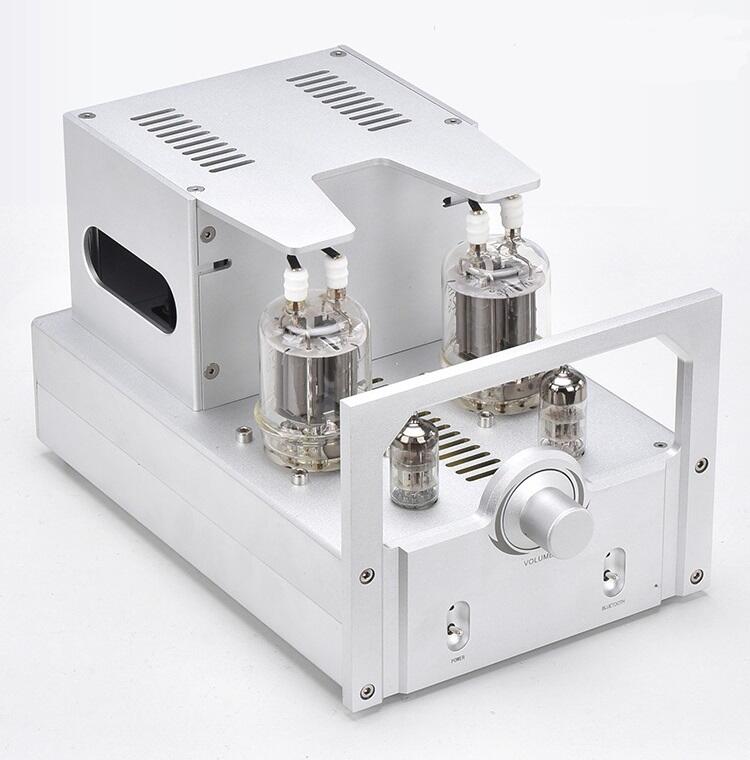
Selecting the right Class AB power amplifier requires careful evaluation across multiple technical and performance criteria. Professional audio engineers and enthusiasts alike must navigate through complex specifications, power ratings, and design philosophies to find equipment that truly meets their needs. The challenge becomes even more pronounced when evaluating products from different amplifier manufacturer companies, each with distinct approaches to circuit design and sound reproduction. Understanding the fundamental principles behind fair amplifier comparison enables consumers to make informed decisions that align with their specific audio requirements and budget constraints.
Technical Specifications Analysis Framework
Power Output Measurements and Standards
The foundation of any amplifier comparison begins with understanding power specifications and the testing conditions used by each amplifier manufacturer. RMS power ratings provide the most accurate representation of continuous performance, typically measured at specific impedance loads such as 4, 8, or 16 ohms. However, marketing materials often highlight peak power figures that can be misleading without proper context. Professional evaluation requires examining power bandwidth, which indicates the frequency range over which the amplifier can deliver its rated power output.
Total Harmonic Distortion plus Noise (THD+N) measurements reveal the amplifier's ability to reproduce clean, undistorted audio signals. Leading amplifier manufacturer brands typically specify THD+N levels below 0.1% at rated power, though measurement conditions vary significantly between companies. Some manufacturers test at full power across the entire audio spectrum, while others use more favorable conditions that may not reflect real-world performance scenarios.
Signal-to-Noise Ratio and Dynamic Range
Signal-to-noise ratio specifications indicate the amplifier's ability to maintain clean audio reproduction without introducing unwanted background noise. Professional-grade amplifiers typically achieve SNR values exceeding 100dB, though measurement methodologies can vary between amplifier manufacturer companies. A-weighted measurements often appear more favorable than unweighted specifications, making direct comparisons challenging without understanding the testing protocols employed.
Dynamic range capabilities determine how effectively the amplifier handles sudden volume changes and transient peaks in musical content. This specification becomes particularly important for applications involving orchestral music, percussion instruments, or sound reinforcement systems where instantaneous power demands can exceed average listening levels by significant margins.
Circuit Design and Component Quality Assessment
Topology Variations in Class AB Designs
Class AB amplifier topologies vary considerably between manufacturers, with each approach offering distinct advantages and trade-offs. Single-ended designs provide exceptional linearity and simple signal paths, while push-pull configurations deliver higher power output with improved efficiency. Bridge-tied load architectures allow amplifier manufacturer engineers to achieve greater power density while maintaining reasonable component stress levels and thermal management requirements.
The selection of semiconductor devices significantly impacts overall performance characteristics. Some manufacturers prefer discrete transistor designs for their perceived sonic advantages, while others utilize integrated circuits or hybrid approaches combining both technologies. Power MOSFET implementations offer fast switching characteristics and robust short-circuit protection, whereas bipolar transistors provide traditional Class AB sonic signatures preferred by many audiophiles.
Power Supply Design and Regulation
Power supply architectures form the foundation of amplifier performance, directly influencing dynamic response, noise floor, and overall sound quality. Linear power supplies with large transformer cores and extensive filter capacitance provide excellent regulation and low noise characteristics. Switched-mode power supplies offer compact packaging and high efficiency, though implementation quality varies significantly between amplifier manufacturer brands.
Regulation circuits maintain stable output voltage under varying load conditions, preventing performance degradation during dynamic musical passages. Multi-rail designs allow independent optimization of different amplifier stages, while single-rail configurations emphasize simplicity and cost-effectiveness. The quality of rectifier diodes, filter capacitors, and regulation circuitry directly correlates with the amplifier's ability to deliver consistent performance across varying load impedances.
Performance Testing Methodologies
Standardized Measurement Protocols
Establishing fair comparison criteria requires adherence to standardized testing protocols that ensure consistent measurement conditions across different products. The Audio Engineering Society has developed comprehensive testing standards that professional reviewers and amplifier manufacturer companies should follow to maintain measurement accuracy and repeatability. These protocols specify test signal types, measurement bandwidths, load impedances, and environmental conditions necessary for valid comparative analysis.
Frequency response measurements should encompass the full audio spectrum from 20Hz to 20kHz, with additional extension measurements to evaluate ultrasonic behavior that may affect overall sound quality. Phase response characteristics reveal the amplifier's ability to maintain proper time alignment between different frequency components, particularly important for multi-way speaker systems requiring precise driver integration.
Load Impedance Stability Testing
Real-world speaker loads present complex impedance variations that differ significantly from the resistive loads typically used in amplifier manufacturer specifications. Reactive loads combining capacitive and inductive elements better simulate actual speaker behavior, revealing potential stability issues that may not appear during standard testing procedures. Amplifier performance should remain consistent across impedance variations from 2 to 16 ohms, with particular attention to phase angles that can stress output stages.
Current delivery capability becomes especially important when driving low-impedance or highly reactive speaker loads. Some amplifiers excel with high-impedance loads but struggle to maintain performance when faced with demanding speaker designs. Professional evaluation should include measurements with various speaker simulators that replicate the impedance characteristics of common loudspeaker types.
Listening Test Considerations
Subjective Evaluation Protocols
While technical measurements provide objective performance data, subjective listening tests remain essential for comprehensive amplifier evaluation. Controlled listening environments minimize external variables that could influence perception, while blind testing protocols eliminate visual bias that might favor certain amplifier manufacturer brands or price points. Reference recordings spanning various musical genres ensure comprehensive evaluation of different performance aspects.
Multiple listeners with trained ears provide more reliable subjective assessments than individual opinions, helping identify consistent performance characteristics across different auditory preferences. Test sessions should include immediate A/B comparisons as well as extended listening periods that reveal long-term listening fatigue or engagement factors not apparent during brief evaluations.
System Matching and Synergy Factors
Amplifier performance cannot be evaluated in isolation but must consider compatibility with specific speaker systems and source components. Some amplifier manufacturer designs excel with high-efficiency speakers while others perform optimally with power-hungry planar magnetic headphones or demanding electrostatic panels. Input impedance matching, gain structure compatibility, and control interface requirements all influence overall system performance and user satisfaction.
Room acoustics significantly affect perceived amplifier performance, as different acoustic environments emphasize various frequency ranges and dynamic characteristics. Evaluation should consider how amplifier characteristics interact with typical listening room conditions rather than relying solely on anechoic chamber measurements that may not reflect real-world usage scenarios.
Cost-Benefit Analysis Framework
Performance Per Dollar Evaluation
Fair amplifier comparison must account for price-to-performance ratios that consider both technical specifications and subjective listening quality relative to retail pricing. Entry-level products from established amplifier manufacturer companies may offer excellent value propositions for budget-conscious consumers, while flagship models justify higher pricing through advanced features, superior build quality, and enhanced performance metrics.
Long-term ownership costs including warranty coverage, service availability, and upgrade potential affect overall value calculations. Some manufacturers offer comprehensive support networks and upgrade paths that justify initial premium pricing, while others focus on competitive initial pricing with limited ongoing support infrastructure.
Build Quality and Reliability Assessment
Construction quality directly impacts long-term reliability and user satisfaction, making it a crucial comparison factor beyond pure performance specifications. Chassis design, internal component layout, thermal management, and connector quality all contribute to overall product durability and professional appearance. Leading amplifier manufacturer brands typically invest in robust mechanical design that withstands transportation, installation, and daily usage stresses.
Component selection affects both immediate performance and long-term reliability, with premium capacitors, resistors, and semiconductor devices offering superior aging characteristics and temperature stability. Manufacturing processes, quality control procedures, and testing protocols vary significantly between companies, influencing product consistency and failure rates across production runs.
Market Positioning and Brand Reputation
Industry Standing and Track Record
Established amplifier manufacturer companies bring decades of engineering experience and proven track records that influence purchase decisions beyond immediate technical specifications. Industry reputation reflects consistent product quality, innovation leadership, and customer satisfaction across multiple product generations. New market entrants may offer compelling technical specifications at attractive prices but lack the established support infrastructure and proven reliability of industry veterans.
Professional endorsements from recording studios, touring sound companies, and respected audio engineers provide valuable insights into real-world performance characteristics that may not be apparent from technical specifications alone. These endorsements often reflect long-term reliability and consistent performance under demanding professional applications that exceed typical consumer usage patterns.
Innovation and Technology Leadership
Leading amplifier manufacturer brands consistently invest in research and development that advances the state of the art in power amplifier design. Proprietary circuit topologies, advanced semiconductor technologies, and innovative thermal management solutions differentiate premium products from commodity offerings. However, newer companies may introduce disruptive technologies that challenge established design paradigms and offer superior performance at competitive pricing.
Technology adoption cycles vary between manufacturers, with some companies embracing cutting-edge developments while others prefer proven technologies with established reliability records. The balance between innovation and proven reliability affects product positioning and target market segments, influencing comparative evaluation criteria for different user requirements.
FAQ
What technical specifications matter most when comparing Class AB amplifiers
The most critical specifications include continuous RMS power output at specified impedances, total harmonic distortion plus noise (THD+N) at rated power, signal-to-noise ratio, and frequency response across the audio spectrum. These measurements should be evaluated under standardized test conditions to ensure meaningful comparisons between different amplifier manufacturer products. Additionally, current delivery capability and stability into reactive loads provide insights into real-world performance with various speaker types.
How important is brand reputation versus technical performance in amplifier selection
While technical performance provides objective evaluation criteria, brand reputation reflects long-term reliability, customer support quality, and consistent manufacturing standards that affect ownership experience beyond initial specifications. Established amplifier manufacturer companies typically offer better warranty coverage, service network availability, and product longevity compared to newer market entrants. However, emerging brands may provide superior price-to-performance ratios that offset potential support limitations for budget-conscious consumers.
Should listening tests always override technical measurements when choosing amplifiers
Listening tests and technical measurements serve complementary roles in amplifier evaluation, with each providing valuable insights that inform purchase decisions. Technical specifications reveal objective performance capabilities and limitations, while subjective listening tests assess how those capabilities translate into musical enjoyment within specific system contexts. The most reliable evaluation approach combines both methodologies, using technical data to identify potentially suitable candidates and listening tests to make final selection decisions based on personal preferences and system compatibility.
How do power supply differences affect Class AB amplifier performance comparisons
Power supply design significantly influences amplifier performance characteristics including dynamic response, noise floor, and load regulation capabilities. Linear power supplies typically provide superior regulation and lower noise levels but require larger, heavier chassis construction. Switched-mode supplies offer compact packaging and high efficiency but implementation quality varies considerably between amplifier manufacturer brands. Proper comparison requires evaluating how power supply characteristics affect real-world performance rather than relying solely on theoretical advantages of different topologies.
Table of Contents
- Technical Specifications Analysis Framework
- Circuit Design and Component Quality Assessment
- Performance Testing Methodologies
- Listening Test Considerations
- Cost-Benefit Analysis Framework
- Market Positioning and Brand Reputation
-
FAQ
- What technical specifications matter most when comparing Class AB amplifiers
- How important is brand reputation versus technical performance in amplifier selection
- Should listening tests always override technical measurements when choosing amplifiers
- How do power supply differences affect Class AB amplifier performance comparisons