
 EN
EN
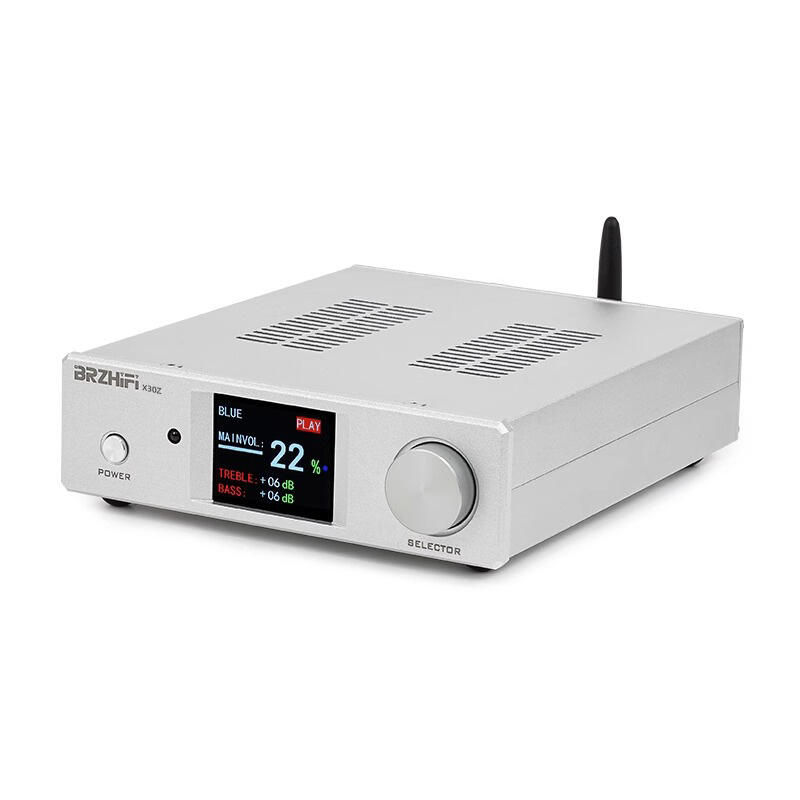
Class AB amplifiers have maintained their dominant position in the audio industry for decades, continuing to be the preferred choice for manufacturers and consumers alike when they buy amplifier systems. This enduring popularity stems from their exceptional balance of efficiency, sound quality, and thermal management capabilities. Unlike pure Class A designs that sacrifice efficiency for linearity, or Class B configurations that introduce crossover distortion, Class AB topology offers an optimal compromise that delivers both superior audio performance and practical operational benefits. Understanding why Class AB remains the gold standard requires examining its technical advantages, real-world applications, and the specific benefits it provides across various audio scenarios.
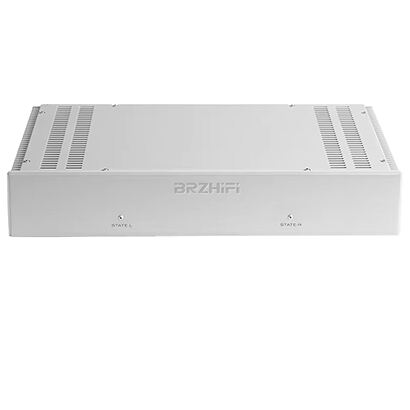
Technical Foundation of Class AB Amplifier Design
Biasing Characteristics and Operating Principles
Class AB amplifiers operate with a unique biasing scheme that positions the output transistors in a partially conductive state, even during idle conditions. This design approach ensures that both output devices remain active for slightly more than half of the input signal cycle, effectively eliminating the crossover distortion that plagues Class B designs. The careful selection of bias current creates a small overlap region where both transistors conduct simultaneously, maintaining signal continuity and preserving audio fidelity. This technical foundation makes Class AB topology particularly attractive for those looking to buy amplifier equipment that delivers consistent performance across varying signal levels.
Efficiency Advantages Over Pure Class A Designs
The efficiency characteristics of Class AB amplifiers represent a significant improvement over Class A configurations, typically achieving 50-70% efficiency compared to Class A's maximum theoretical efficiency of 25%. This enhanced efficiency translates directly into reduced heat generation, lower power consumption, and improved reliability during extended operation periods. The ability to maintain high efficiency while preserving audio quality makes Class AB designs highly desirable for both professional and consumer applications. Engineers consistently choose this topology when developing products for markets where customers buy amplifier systems expecting both performance and energy efficiency.
Audio Quality and Performance Benefits
Distortion Control and Signal Integrity
Class AB amplifiers excel in maintaining low distortion levels across their entire operating range, delivering total harmonic distortion figures typically below 0.1% for well-designed implementations. The inherent linearity of the Class AB topology, combined with modern circuit design techniques and high-quality components, ensures that audio signals remain faithful to their original form throughout the amplification process. This superior distortion performance becomes particularly evident during dynamic musical passages where the amplifier must handle rapid signal transitions and varying amplitude levels without introducing audible artifacts.
Dynamic Range and Headroom Capabilities
The dynamic range capabilities of Class AB amplifiers provide exceptional headroom for handling transient peaks and complex musical material without compression or clipping. This characteristic proves essential in professional audio environments where signal integrity cannot be compromised, as well as in high-end consumer systems where audiophiles demand uncolored reproduction of their music collections. The ability to maintain clean amplification across wide dynamic ranges makes Class AB designs the preferred choice for discerning listeners who buy amplifier systems prioritizing both power and precision. Advanced Class AB implementations can deliver dynamic ranges exceeding 120dB, providing ample headroom for even the most demanding source material.
Thermal Management and Reliability Factors
Heat Dissipation and Thermal Stability
Thermal management represents one of the most critical aspects of amplifier design, and Class AB topology offers significant advantages in this area compared to other amplifier classes. The improved efficiency of Class AB designs results in substantially lower heat generation during normal operation, reducing the thermal stress on output devices and supporting components. This thermal advantage translates into improved long-term reliability, reduced cooling requirements, and more compact packaging possibilities. Manufacturers can design smaller, more cost-effective heat sinks while maintaining safe operating temperatures, making Class AB amplifiers attractive for both portable and fixed installation applications.
Component Longevity and Maintenance Requirements
The moderate operating temperatures and balanced electrical stress distribution characteristic of Class AB amplifiers contribute significantly to extended component lifespans and reduced maintenance requirements. Output transistors experience less thermal cycling stress compared to Class A designs, while avoiding the switching stress associated with Class D implementations. This reliability advantage becomes particularly important in professional installations where equipment must operate continuously without failure. The proven track record of Class AB designs in demanding applications reinforces their reputation among engineers and end-users who buy amplifier systems expecting years of trouble-free operation.
Market Applications and Industry Adoption
Professional Audio and Broadcasting Systems
Professional audio environments demand amplifiers that deliver consistent performance under varying load conditions while maintaining signal integrity across extended operating periods. Class AB amplifiers have become the industry standard in recording studios, live sound reinforcement, and broadcasting facilities due to their excellent balance of audio quality, reliability, and thermal performance. The ability to drive complex loudspeaker loads without degradation makes these amplifiers indispensable in professional applications where signal accuracy directly impacts the final product quality. Sound engineers consistently specify Class AB designs when building systems that must perform flawlessly during critical recording sessions or live performances.
Consumer Electronics and Home Audio Markets
The consumer electronics industry has embraced Class AB amplifier technology across a wide range of products, from entry-level receivers to high-end audiophile components. This widespread adoption reflects the topology's ability to deliver satisfying audio performance while meeting cost and size constraints imposed by competitive market conditions. Manufacturers find that consumers who buy amplifier equipment appreciate the combination of good sound quality, reasonable power consumption, and reliable operation that Class AB designs provide. The technology scales effectively from compact integrated amplifiers to powerful multi-channel home theater systems, offering flexibility for diverse consumer needs and preferences.
Comparison with Alternative Amplifier Classes
Class A Performance Trade-offs
While Class A amplifiers offer theoretical advantages in linearity and signal purity, their practical limitations make them unsuitable for many applications where efficiency and thermal management are important considerations. Class A designs consume maximum power continuously regardless of signal level, generating substantial heat that requires extensive cooling systems and limits practical power output capabilities. The efficiency penalty of Class A operation becomes particularly problematic in multi-channel applications or portable equipment where power consumption directly impacts battery life or operating costs. These practical constraints explain why most consumers who buy amplifier systems for general use prefer the more balanced approach offered by Class AB designs.
Class D Digital Switching Advantages and Limitations
Class D amplifiers achieve impressive efficiency levels exceeding 90% through pulse-width modulation techniques, making them attractive for high-power applications and battery-powered devices. However, the switching nature of Class D designs introduces unique challenges including electromagnetic interference, complex output filtering requirements, and potential audio artifacts from the switching frequency and modulation scheme. While modern Class D implementations have addressed many of these concerns, audiophiles and professional users often prefer the more straightforward analog signal path of Class AB amplifiers for critical listening applications. The choice between Class AB and Class D often depends on specific application requirements, with Class AB maintaining advantages in audio quality and simplicity while Class D excels in efficiency and compact packaging.
Future Developments and Technology Evolution
Advanced Circuit Topologies and Component Integration
Modern Class AB amplifier designs continue evolving through advanced circuit topologies, improved semiconductor devices, and sophisticated feedback techniques that enhance performance beyond traditional implementations. Current-mode feedback, error correction systems, and precision bias control circuits enable contemporary Class AB amplifiers to achieve distortion levels previously associated only with much more complex designs. These technological improvements maintain the fundamental advantages of Class AB topology while addressing traditional limitations, ensuring continued relevance in an increasingly competitive marketplace. Consumers who buy amplifier equipment today benefit from these evolutionary improvements that deliver better performance while preserving the reliability and simplicity that made Class AB designs popular originally.
Integration with Digital Signal Processing
The integration of digital signal processing capabilities with traditional Class AB amplifier stages represents an important development trend that combines the best aspects of both analog and digital technologies. These hybrid approaches utilize digital processing for room correction, crossover functions, and dynamic range optimization while maintaining analog Class AB output stages for final signal amplification. This combination allows manufacturers to offer sophisticated features and customization capabilities while preserving the audio quality characteristics that make Class AB amplifiers desirable. The result is enhanced functionality without sacrificing the fundamental performance attributes that continue to drive market preference for Class AB technology in demanding applications.
FAQ
What makes Class AB amplifiers more efficient than Class A designs
Class AB amplifiers achieve higher efficiency by allowing output transistors to turn off during portions of the signal cycle when they are not needed, unlike Class A designs where transistors conduct continuously regardless of signal level. This selective operation reduces power consumption and heat generation while maintaining excellent audio quality, typically achieving 50-70% efficiency compared to Class A's maximum 25% theoretical efficiency.
How do Class AB amplifiers eliminate crossover distortion found in Class B designs
Class AB amplifiers eliminate crossover distortion by applying a small bias current that keeps both output transistors partially conducting even during idle conditions. This bias creates an overlap region where both devices are active simultaneously during signal transitions, ensuring smooth handoff between positive and negative signal portions without the gap that causes crossover distortion in pure Class B implementations.
Why do professional audio applications prefer Class AB over other amplifier classes
Professional audio applications favor Class AB amplifiers because they provide an optimal balance of audio quality, reliability, and thermal performance essential for demanding environments. The combination of low distortion, high dynamic range, moderate heat generation, and proven long-term stability makes Class AB designs ideal for studios, live sound, and broadcast applications where consistent performance and signal integrity are critical requirements.
Are Class AB amplifiers suitable for modern high-resolution audio systems
Modern Class AB amplifiers are well-suited for high-resolution audio systems, with advanced implementations achieving distortion levels below 0.01% and frequency response extending well beyond audible ranges. Contemporary circuit designs, improved components, and sophisticated feedback techniques enable Class AB amplifiers to preserve the full detail and dynamic range of high-resolution source material while maintaining the reliability and efficiency advantages that make this topology attractive for serious listening applications.
Table of Contents
- Technical Foundation of Class AB Amplifier Design
- Audio Quality and Performance Benefits
- Thermal Management and Reliability Factors
- Market Applications and Industry Adoption
- Comparison with Alternative Amplifier Classes
- Future Developments and Technology Evolution
-
FAQ
- What makes Class AB amplifiers more efficient than Class A designs
- How do Class AB amplifiers eliminate crossover distortion found in Class B designs
- Why do professional audio applications prefer Class AB over other amplifier classes
- Are Class AB amplifiers suitable for modern high-resolution audio systems