
 EN
EN
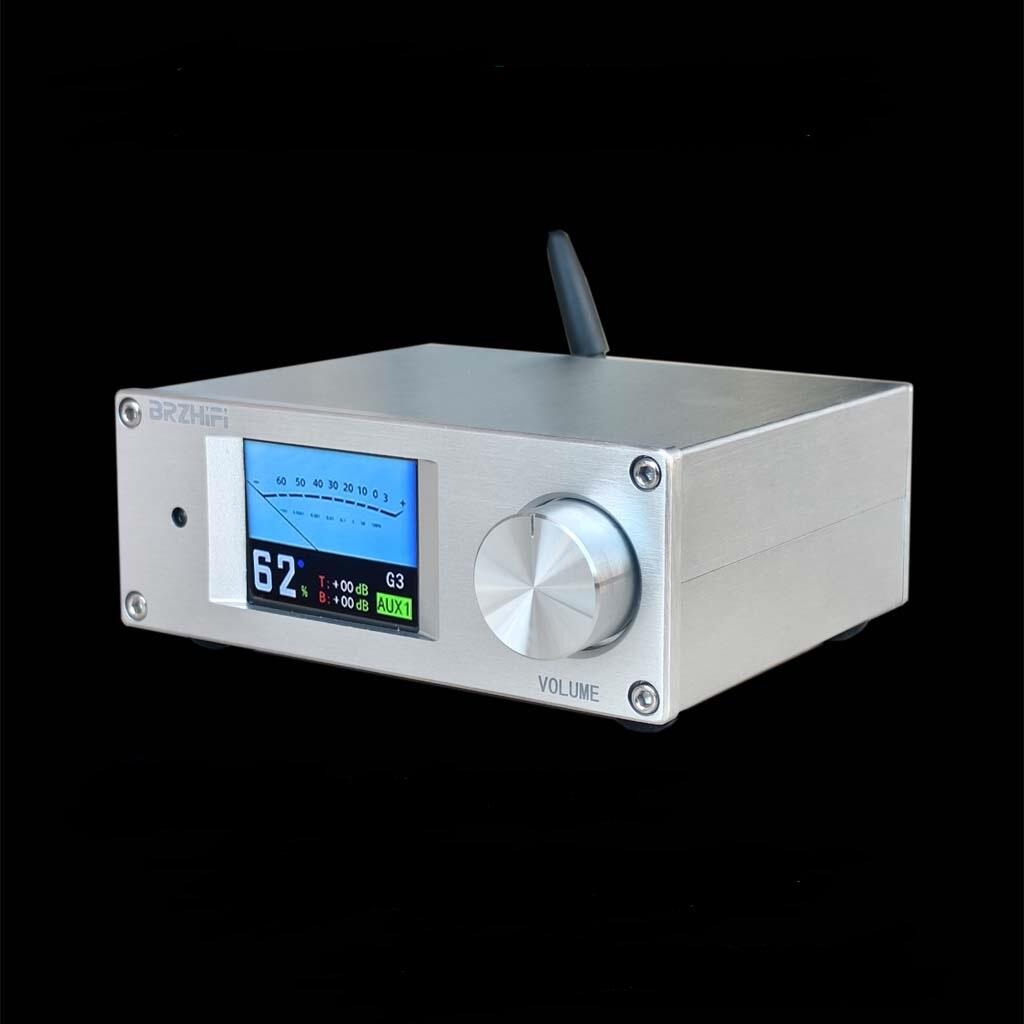
A basic decoder serves as the fundamental component that transforms digital audio signals into analog outputs, enabling listeners to experience high-quality sound reproduction across various audio systems. These essential devices bridge the gap between digital storage formats and analog playback equipment, making them indispensable in modern audio setups. Understanding when to implement a basic decoder can significantly enhance your audio experience, whether you're building a home theater system, upgrading your headphone setup, or configuring professional audio equipment. The strategic placement and selection of a basic decoder often determines the overall sound quality and system compatibility in both consumer and professional applications.
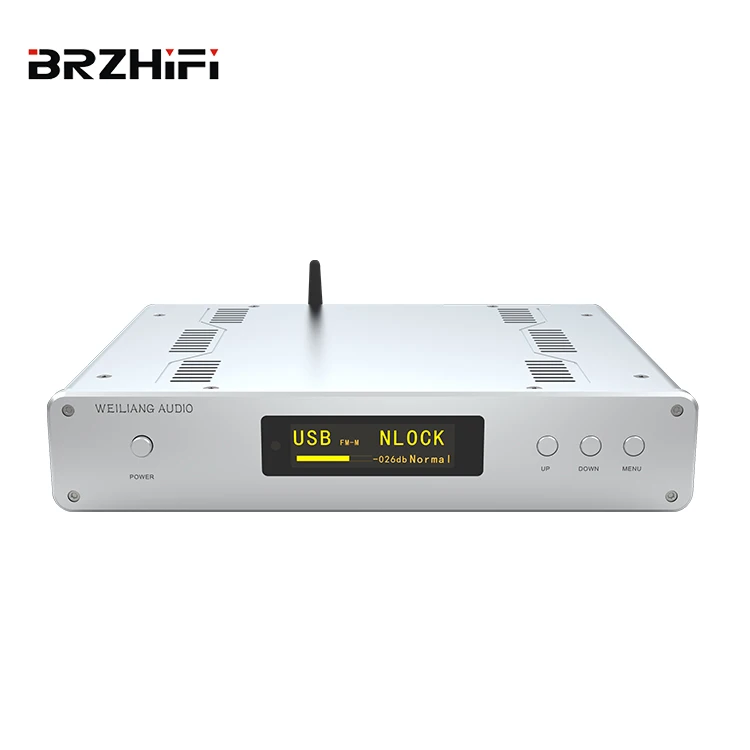
Essential Applications for Basic Decoder Integration
Home Theater System Implementation
Home theater enthusiasts frequently require a basic decoder when connecting multiple digital sources to their audio systems. Modern streaming devices, gaming consoles, and Blu-ray players output digital audio signals that need conversion before reaching analog amplifiers or speakers. The basic decoder processes these digital streams, ensuring compatibility between different components while maintaining signal integrity throughout the audio chain.
When building a dedicated home theater room, the basic decoder becomes particularly crucial for handling various audio formats simultaneously. High-resolution audio files, compressed streaming content, and legacy media formats all benefit from proper decoding to achieve optimal playback quality. The decoder's ability to handle multiple input sources makes it an ideal solution for complex entertainment systems where flexibility and reliability are paramount.
Professional Audio Production Environments
Recording studios and broadcast facilities rely heavily on basic decoder functionality to maintain audio fidelity during production workflows. These professional environments often deal with multiple digital audio formats, requiring seamless conversion between different sampling rates and bit depths. A quality basic decoder ensures that audio signals maintain their original characteristics while providing the necessary flexibility for various production requirements.
Audio engineers utilize basic decoder systems when monitoring recordings, mixing sessions, or mastering projects. The decoder's role in converting digital audio workstation outputs to analog monitoring systems directly impacts the accuracy of critical listening decisions. Professional-grade decoders typically offer enhanced specifications and features that support the demanding requirements of commercial audio production.
Technical Specifications and Performance Characteristics
Digital-to-Analog Conversion Quality
The core functionality of any basic decoder revolves around its digital-to-analog conversion capabilities, which determine the overall audio quality and system performance. Modern decoders employ advanced chipsets that support high-resolution audio formats, enabling playback of files with sampling rates up to 384kHz and bit depths reaching 32 bits. These specifications ensure that the basic decoder can handle contemporary audio formats while providing headroom for future technological developments.
Signal-to-noise ratio and total harmonic distortion represent critical performance metrics that distinguish quality decoders from basic models. Professional applications typically require signal-to-noise ratios exceeding 120dB, while total harmonic distortion should remain below 0.001% for transparent audio reproduction. These specifications directly influence the decoder's ability to preserve subtle audio details and maintain dynamic range throughout the conversion process.
Connectivity and Interface Options
Modern basic decoder designs incorporate multiple input and output options to accommodate diverse audio system configurations. USB connectivity provides direct computer interfacing, while optical and coaxial inputs support traditional digital audio sources. Some advanced models include wireless connectivity options such as Bluetooth and Wi-Fi, expanding the decoder's versatility in contemporary audio installations.
Output configurations vary depending on the intended application, with balanced XLR connections preferred in professional environments and RCA outputs common in consumer applications. The availability of both single-ended and balanced outputs allows the basic decoder to integrate seamlessly with various amplifier types and monitoring systems, ensuring optimal impedance matching and signal transfer.
Selection Criteria for Optimal Performance
System Compatibility Assessment
Choosing the appropriate basic decoder requires careful evaluation of existing system components and their compatibility requirements. Input source characteristics, including supported audio formats and output specifications, must align with the decoder's capabilities to ensure proper functionality. Additionally, the downstream amplification and speaker systems influence decoder selection, as impedance matching and signal level requirements vary significantly between different audio configurations.
Power supply requirements and physical dimensions also factor into the selection process, particularly in space-constrained installations or portable applications. Some basic decoder models offer battery operation for mobile use, while others require dedicated power supplies for optimal performance. Understanding these practical considerations helps ensure successful integration and long-term reliability in the intended application.
Budget and Feature Prioritization
The basic decoder market offers options spanning from entry-level consumer models to high-end professional units, each targeting specific performance requirements and budget constraints. Entry-level decoders typically provide essential conversion functionality with standard input options, making them suitable for basic home audio systems and casual listening applications. These affordable options often include fundamental features while maintaining acceptable audio quality for non-critical applications.
Premium basic decoder models incorporate advanced features such as multiple filter options, upsampling capabilities, and enhanced power supply designs that justify their higher cost through improved performance and versatility. Professional applications generally benefit from these enhanced features, particularly when audio quality directly impacts commercial outcomes or critical listening requirements.
Installation and Configuration Best Practices
Optimal Placement and Environmental Considerations
Proper installation of a basic decoder involves careful attention to environmental factors that can affect audio performance and long-term reliability. Heat dissipation requirements vary between different decoder models, with some units generating minimal heat while others require adequate ventilation for stable operation. Positioning the decoder away from electromagnetic interference sources, such as wireless routers or switching power supplies, helps maintain optimal signal integrity.
Vibration isolation techniques can further enhance basic decoder performance, particularly in systems where mechanical resonance might affect sensitive analog circuitry. Dedicated equipment racks or isolation platforms help minimize external vibrations that could introduce unwanted noise or distortion into the audio signal path. These installation practices become increasingly important in high-resolution audio systems where subtle performance differences are more readily apparent.
Cable Selection and Signal Routing
The cables connecting sources to the basic decoder and decoder outputs to downstream equipment significantly impact overall system performance. High-quality digital cables ensure reliable data transfer between sources and the decoder, while analog interconnects preserve the converted audio signals during transmission to amplification stages. Proper impedance matching and appropriate cable lengths help maintain signal integrity throughout the audio chain.
Grounding considerations become particularly important in complex audio systems where multiple components share common ground references. A well-designed basic decoder typically includes proper grounding schemes to minimize ground loop issues and electromagnetic interference. Understanding these technical aspects helps ensure optimal installation results and trouble-free long-term operation.
Troubleshooting Common Implementation Challenges
Signal Compatibility Issues
Digital audio format incompatibilities represent one of the most common challenges when implementing a basic decoder in existing audio systems. Some source devices output proprietary or encrypted audio formats that standard decoders cannot process, requiring careful verification of format support before system integration. Additionally, sampling rate mismatches between sources and decoder capabilities can result in audio dropouts or quality degradation.
Clock synchronization problems may occur when multiple digital devices operate within the same audio system, potentially causing audible artifacts or playback interruptions. Quality basic decoder designs include robust clock recovery circuits that minimize these synchronization issues, though external master clocks may be necessary in complex professional installations where multiple devices require precise timing coordination.
Performance Optimization Techniques
Maximizing basic decoder performance often requires attention to power supply quality and system grounding practices. Dedicated linear power supplies can reduce noise and improve dynamic range compared to standard switching power adapters, though this upgrade may not be cost-effective for entry-level applications. Power conditioning devices help stabilize AC power quality, particularly in environments with unstable electrical supplies.
Regular firmware updates ensure that the basic decoder maintains compatibility with evolving audio formats and standards. Many modern decoders support user-updateable firmware, allowing long-term functionality improvements without hardware replacement. Staying current with manufacturer updates helps maximize the decoder's lifespan and feature set over time.
FAQ
What audio formats can a basic decoder typically handle
Most basic decoder units support standard PCM formats including CD-quality 16-bit/44.1kHz audio up to high-resolution 24-bit/192kHz files. Many models also handle DSD formats and compressed audio streams from various digital sources. The specific format support varies between different decoder models, so checking specifications against your source requirements is essential for proper compatibility.
How do I know if my audio system needs a basic decoder
Your system requires a basic decoder when you have digital audio sources that need conversion to analog signals for amplification or monitoring. This typically occurs when connecting computers, streaming devices, or digital players to analog amplifiers or powered speakers. If you experience compatibility issues or want to improve audio quality from digital sources, a dedicated decoder often provides significant benefits.
Can multiple audio sources connect to a single basic decoder
Many basic decoder models include multiple input options allowing connection of several digital audio sources simultaneously. These units typically feature automatic or manual input switching, enabling seamless transitions between different sources. However, only one source can be processed at a time, so the decoder acts as a digital audio switcher in addition to its conversion function.
What maintenance does a basic decoder require for optimal performance
Basic decoder maintenance primarily involves keeping the unit clean and ensuring adequate ventilation for heat dissipation. Periodic firmware updates maintain compatibility with new audio formats and fix potential issues. Additionally, checking cable connections and power supply stability helps ensure consistent performance over time. Most quality decoders require minimal maintenance beyond these basic practices.