
 EN
EN
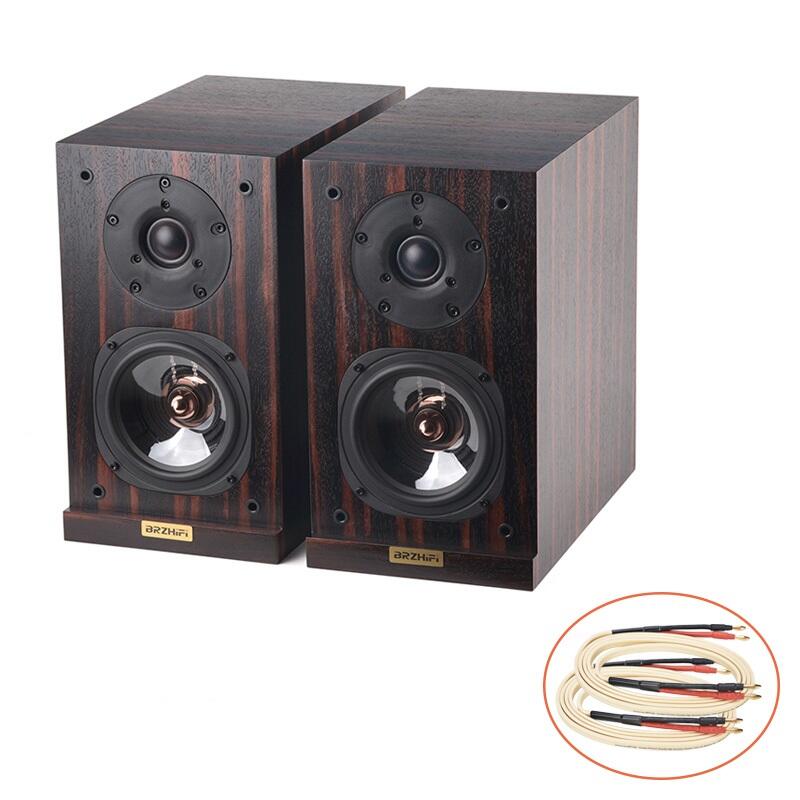
In today's competitive audio market, finding the best budget class d amplifier requires understanding how manufacturers achieve remarkable efficiency without compromising sound quality. Class D amplifiers have revolutionized the audio industry by delivering exceptional power output while maintaining compact form factors and minimal heat generation. These switching amplifiers utilize pulse-width modulation technology to achieve efficiency ratings exceeding 90%, making them ideal for budget-conscious consumers seeking maximum performance per dollar.
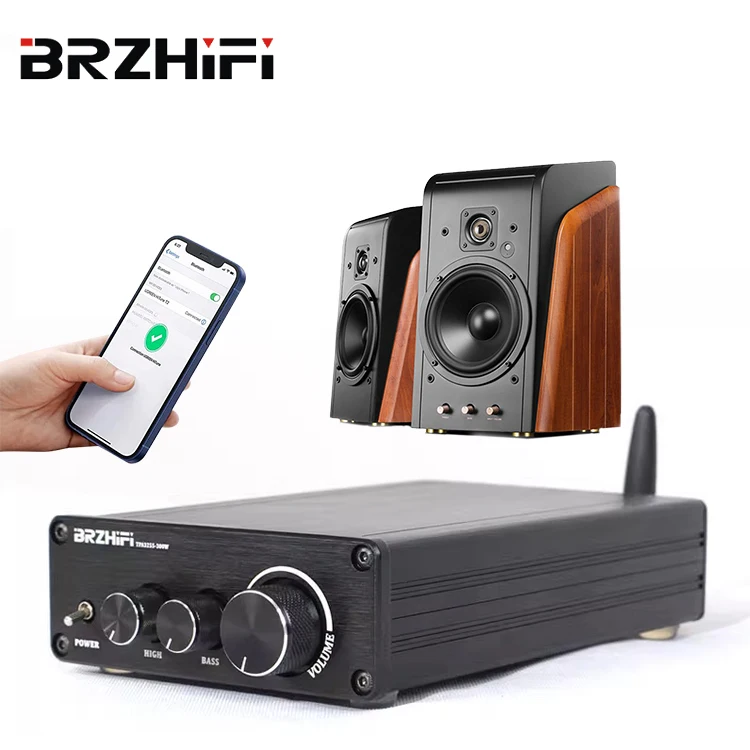
The fundamental advantage of Class D technology lies in its switching operation, where transistors operate in either fully on or fully off states, minimizing power dissipation as heat. This efficiency translates directly into cost savings for manufacturers, allowing them to produce powerful amplifiers without expensive cooling systems or oversized power supplies. Budget-oriented Class D designs leverage semiconductor advancements and integrated circuit solutions to deliver professional-grade performance at consumer-friendly price points.
Technology Foundation of Budget Class D Amplifiers
Pulse Width Modulation Principles
Budget Class D amplifiers rely on pulse-width modulation to convert analog audio signals into high-frequency digital pulses. The switching frequency typically ranges from 250kHz to 1MHz, well above the audible spectrum, ensuring minimal interference with audio content. This modulation technique allows the best budget class d amplifier designs to maintain signal integrity while maximizing power efficiency through precise timing control.
The PWM process involves comparing the input audio signal with a high-frequency triangle wave, generating output pulses whose width corresponds to the instantaneous amplitude of the audio signal. Advanced budget amplifiers incorporate sophisticated feedback mechanisms and error correction algorithms to minimize distortion and maintain linearity across the entire frequency range.
Integrated Circuit Solutions
Modern budget Class D amplifiers utilize highly integrated semiconductor solutions that combine multiple functions into single chips. These ICs typically include the PWM generator, gate drivers, protection circuits, and sometimes even digital signal processing capabilities. The integration reduces component count, manufacturing costs, and PCB complexity while improving reliability and performance consistency.
Leading semiconductor manufacturers have developed specialized Class D controller ICs optimized for cost-effective implementations. These solutions often feature built-in thermal protection, overcurrent detection, and short-circuit protection, eliminating the need for external protection circuitry. The best budget class d amplifier designs leverage these integrated solutions to achieve professional-grade specifications at entry-level prices.
Power Supply Optimization Strategies
Switching Mode Power Supplies
Budget Class D amplifiers frequently employ switching mode power supplies to maximize efficiency and minimize transformer size and cost. SMPS technology allows these amplifiers to operate from wide input voltage ranges while maintaining stable output power delivery. The high switching frequency enables the use of smaller magnetic components, reducing overall system weight and manufacturing costs.
Advanced SMPS designs in budget amplifiers incorporate power factor correction and soft-start circuits to comply with electromagnetic compatibility regulations while ensuring reliable operation. The efficiency gains from both the Class D output stage and switching power supply can exceed 85% overall system efficiency, significantly reducing heat generation and cooling requirements.
Linear Power Supply Alternatives
Some budget Class D amplifiers utilize linear power supplies for applications where absolute audio purity takes precedence over efficiency. Linear supplies provide superior ripple rejection and lower noise floors, characteristics that audiophile-oriented budget amplifiers may prioritize. However, the trade-off involves larger transformers, increased heat dissipation, and higher manufacturing costs.
The best budget class d amplifier designs often employ hybrid approaches, combining switching pre-regulation with linear post-regulation to achieve both efficiency and audio performance. This topology provides the cost benefits of switching technology while maintaining the sonic advantages of linear regulation in critical audio circuits.
Output Stage Design and Implementation
MOSFET Selection and Optimization
Budget Class D amplifiers rely heavily on carefully selected MOSFET devices to achieve optimal performance within cost constraints. The output stage typically employs complementary N-channel MOSFETs in a half-bridge or full-bridge configuration, where device selection directly impacts efficiency, thermal management, and audio quality. Modern budget designs utilize MOSFETs with low on-resistance and fast switching characteristics to minimize conduction losses and switching distortion.
Gate drive circuitry plays a crucial role in MOSFET optimization, ensuring rapid and precise switching transitions while preventing shoot-through currents that could damage the output devices. Budget amplifiers often incorporate bootstrapped gate drivers or dedicated gate driver ICs to maintain consistent switching performance across varying load conditions and supply voltages.
Output Filter Design
The output filter represents a critical design challenge in budget Class D amplifiers, as it must effectively remove switching frequency components while preserving audio signal integrity. Most budget implementations utilize second-order LC filters with carefully selected inductance and capacitance values to achieve appropriate cutoff frequencies and damping characteristics.
Advanced budget designs may incorporate higher-order filters or active filter topologies to improve out-of-band rejection and reduce electromagnetic interference. The best budget class d amplifier models often feature optimized filter designs that balance component costs with performance requirements, utilizing standard inductor values and film capacitors to maintain both audio quality and manufacturing economy.
Heat Management and Thermal Design
Passive Cooling Solutions
Budget Class D amplifiers benefit significantly from the inherently low heat generation of switching topology, allowing for simplified thermal management solutions. Most budget designs rely on aluminum heat sinks with optimized fin geometries to provide adequate cooling without requiring active ventilation. The chassis itself often serves as an extended heat sink, utilizing the amplifier enclosure to distribute thermal loads effectively.
Thermal interface materials and proper component mounting techniques ensure efficient heat transfer from semiconductor devices to heat sinks. Budget amplifiers frequently employ thermally conductive pads or compounds to minimize thermal resistance while maintaining electrical isolation. Strategic component placement and PCB thermal vias further enhance heat dissipation in compact designs.
Thermal Protection Systems
Comprehensive thermal protection prevents damage from overheating conditions while ensuring reliable long-term operation. Budget Class D amplifiers typically incorporate multiple temperature monitoring points and progressive protection schemes that reduce output power before engaging complete shutdown. These systems utilize on-chip thermal sensors and external temperature monitoring ICs to provide accurate and responsive protection.
The best budget class d amplifier designs feature intelligent thermal management that maintains maximum output power while preventing thermal stress on components. Soft thermal limiting gradually reduces power as temperatures approach critical thresholds, allowing continuous operation under demanding conditions without abrupt shutdowns that could interrupt audio playback.
Digital Signal Processing Integration
Digital Input Processing
Modern budget Class D amplifiers increasingly incorporate digital signal processing capabilities to enhance versatility and performance. Digital inputs allow direct connection to digital audio sources without requiring external DACs, reducing system complexity and potential noise sources. Budget implementations often support multiple digital input formats including USB, optical, and coaxial connections with automatic format detection and switching.
Sample rate conversion and digital filtering within budget amplifiers ensure compatibility with various source formats while maintaining audio quality. Advanced budget designs may include digital volume control, tone adjustment, and room correction capabilities implemented through cost-effective DSP solutions or dedicated audio processor ICs.
Wireless Connectivity Features
Bluetooth and Wi-Fi connectivity have become standard features in many budget Class D amplifiers, enabling wireless audio streaming from smartphones, tablets, and computers. Budget implementations typically utilize integrated wireless modules that combine radio transceivers with audio codecs, minimizing external component requirements and reducing manufacturing costs.
Advanced wireless implementations in budget amplifiers support high-quality codecs such as aptX, LDAC, and AAC to maintain audio fidelity over wireless connections. The best budget class d amplifier models often feature multiple wireless protocols and automatic codec selection to optimize performance based on source device capabilities and connection quality.
Performance Measurement and Specifications
Power Output Characteristics
Budget Class D amplifiers typically specify power output under multiple measurement conditions to provide comprehensive performance information. Continuous power ratings at various impedance loads reveal the amplifier's ability to drive different speaker types effectively. Peak power specifications indicate short-term dynamic capability for handling transient audio peaks without clipping or distortion.
Total harmonic distortion measurements across the frequency spectrum demonstrate the amplifier's linearity and audio quality characteristics. The best budget class d amplifier designs achieve THD+N specifications below 0.1% at rated power output, rivaling much more expensive linear amplifier designs while maintaining the efficiency advantages of switching topology.
Frequency Response and Dynamic Range
Frequency response specifications reveal how uniformly budget Class D amplifiers reproduce audio content across the audible spectrum. Most quality budget designs achieve flat response within ±0.5dB from 20Hz to 20kHz, with extended bandwidth often reaching 100kHz or higher. The output filter design directly influences high-frequency response characteristics and out-of-band rejection performance.
Dynamic range measurements quantify the amplifier's ability to reproduce both quiet and loud passages without noise or distortion. Budget Class D amplifiers frequently achieve signal-to-noise ratios exceeding 100dB, providing exceptional clarity and detail resolution that matches or exceeds much more expensive alternatives in traditional amplifier categories.
Market Positioning and Value Analysis
Competitive Landscape
The budget Class D amplifier market has experienced tremendous growth as manufacturing costs have decreased while performance capabilities have improved dramatically. Competition among manufacturers has driven continuous innovation in cost reduction techniques, feature integration, and performance optimization. Budget models now offer specifications and capabilities that were exclusive to high-end products just a few years ago.
Market segmentation within the budget category allows consumers to choose between basic stereo amplifiers and more feature-rich models with digital inputs, wireless connectivity, and advanced DSP capabilities. The best budget class d amplifier options provide exceptional value by combining essential features with solid build quality and reliable performance at price points accessible to mainstream consumers.
Total Cost of Ownership
Budget Class D amplifiers offer significant advantages in total cost of ownership beyond their initial purchase price. The high efficiency reduces electricity consumption compared to traditional linear amplifiers, providing ongoing operational savings. The reduced heat generation extends component lifespan and reduces the likelihood of premature failures or maintenance requirements.
The compact form factor and lightweight construction of budget Class D amplifiers reduce shipping costs and storage requirements for both manufacturers and consumers. These factors contribute to the overall value proposition and help explain why Class D technology has become the dominant choice for budget-conscious audio enthusiasts seeking maximum performance per dollar invested.
FAQ
What makes Class D amplifiers more efficient than traditional designs
Class D amplifiers achieve superior efficiency through switching operation where output transistors operate in either fully on or fully off states, minimizing power dissipation as heat. Traditional Class A or Class AB amplifiers operate in linear mode with continuous current flow, resulting in significant power losses. The best budget class d amplifier designs typically achieve over 90% efficiency compared to 60-70% for conventional amplifiers.
How do budget Class D amplifiers maintain audio quality despite lower costs
Budget Class D amplifiers maintain audio quality through advanced integrated circuits, optimized feedback systems, and carefully designed output filters that eliminate switching frequency components while preserving audio signals. Modern semiconductor technology allows budget models to achieve distortion levels below 0.1% and frequency response within ±0.5dB across the audible spectrum, matching specifications of much more expensive amplifiers.
What should I look for when choosing a budget Class D amplifier
When selecting a budget Class D amplifier, prioritize specifications like power output at your speaker impedance, total harmonic distortion ratings, signal-to-noise ratio, and frequency response characteristics. Consider connectivity options including digital inputs, wireless capabilities, and protection features. The best budget class d amplifier for your needs should match your speaker requirements while providing necessary input options and reliable thermal management.
Are there any disadvantages to budget Class D amplifiers compared to higher-priced models
Budget Class D amplifiers may have simpler power supplies, fewer input options, or less sophisticated chassis construction compared to premium models. However, the core amplification technology remains fundamentally similar, and many budget models achieve excellent performance specifications. The primary trade-offs typically involve build quality, warranty coverage, and advanced features rather than basic audio performance capabilities.