
 EN
EN
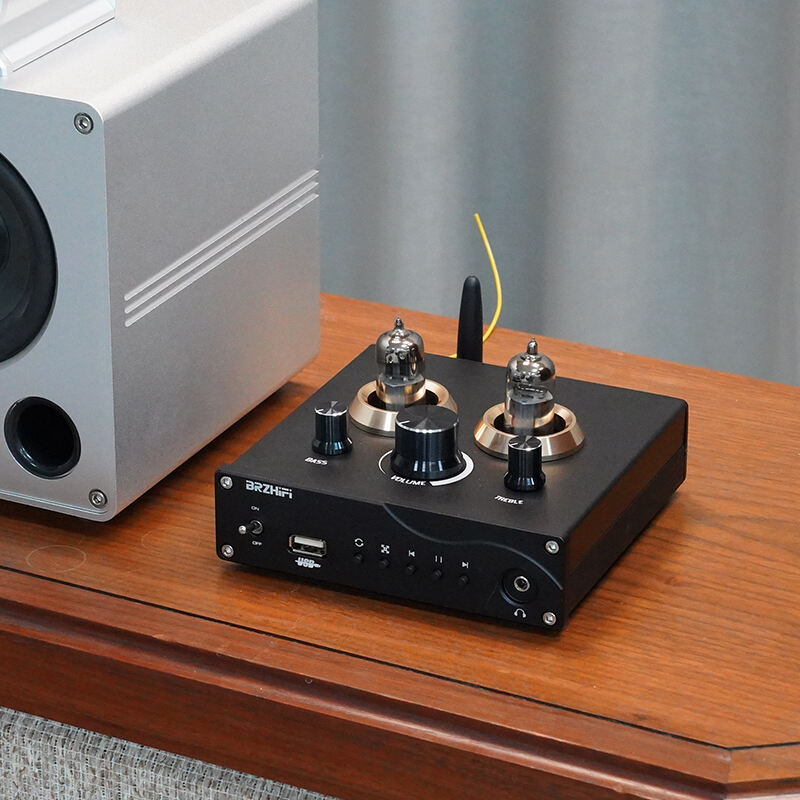
Audio enthusiasts and professional sound engineers have long recognized the distinctive warmth and musicality that vacuum tubes bring to sound reproduction. Understanding the various tube types used in audio amplification is crucial for anyone seeking to upgrade their listening experience or maintain their existing equipment. Whether you're building a custom system or replacing worn components, knowing which amplifier tubes for sale will best suit your needs requires a comprehensive understanding of tube characteristics, applications, and performance specifications.

The world of tube amplification encompasses a diverse range of valve types, each designed for specific functions within the audio signal chain. From input stages to power output sections, different tubes excel in particular applications based on their electrical characteristics, gain capabilities, and sonic signatures. Modern audiophiles continue to seek out quality amplifier tubes for sale to enhance their systems, driving a thriving market for both new production and vintage components.
Power Output Tubes in Audio Amplification
Triode Power Tubes
Triode power tubes represent the simplest and most linear form of vacuum tube design, featuring three electrodes: cathode, grid, and plate. The 300B stands as perhaps the most revered triode power tube in high-end audio, delivering exceptional linearity and a rich, warm sonic character that has made it a favorite among discerning listeners. This directly heated triode produces approximately 8-10 watts per tube in single-ended configuration, making it ideal for efficient speakers in intimate listening environments.
The 2A3 represents another highly regarded triode option, offering similar sonic characteristics to the 300B but with lower power output at around 3.5 watts per tube. Its gentle, musical presentation and excellent midrange reproduction have secured its place in many premium amplifier designs. Audio enthusiasts frequently search for quality amplifier tubes for sale in the 2A3 family, as these tubes can dramatically transform the listening experience when properly implemented in suitable circuit designs.
Other notable triode power tubes include the 45, 10, and 801A, each offering unique characteristics that appeal to different listening preferences. The 45 tube, for instance, provides exceptional detail retrieval and transparency, while the 801A delivers robust dynamics despite its relatively low power output. These variations ensure that audiophiles can find amplifier tubes for sale that match their specific sonic preferences and system requirements.
Beam Power and Pentode Tubes
Beam power tubes and pentodes offer significantly higher power output compared to triodes, making them suitable for driving less efficient speakers and larger listening spaces. The EL34 pentode has become synonymous with British hi-fi sound, delivering rich midrange warmth combined with articulate treble response. This tube typically produces 25-35 watts per tube in push-pull configuration, providing ample power for most domestic applications while maintaining the musical characteristics that tube enthusiasts cherish.
The KT88 and 6550 represent the powerhouse options in the beam power category, capable of delivering 50+ watts per tube in appropriate circuit designs. These tubes excel in applications requiring substantial power output while maintaining reasonable linearity and musical presentation. Many amplifier manufacturers design their products around these tube types, ensuring a steady market for amplifier tubes for sale in these popular formats.
The EL84 occupies a middle ground between low-power triodes and high-power pentodes, offering approximately 12-17 watts per tube with excellent sonic characteristics. This tube has found widespread application in both guitar amplifiers and hi-fi systems, thanks to its balanced presentation and reasonable power output. Its compact size and moderate power consumption make it an attractive option for many amplifier designs.
Preamplifier and Driver Tubes
Dual Triode Preamp Tubes
The 12AX7, also known as the ECC83, stands as the most widely used preamp tube in audio applications. This dual triode offers high gain characteristics, making it ideal for input stages and voltage amplification duties. Its balanced frequency response and low noise characteristics have made it a standard choice for decades, ensuring consistent availability of quality amplifier tubes for sale in this category. The 12AX7 family includes several variants optimized for different applications, from low-noise versions for phono stages to ruggedized military specifications.
The 12AU7 (ECC82) provides lower gain compared to the 12AX7 but offers superior linearity and driving capability. This makes it particularly well-suited for driver stages and buffer applications where moderate gain and excellent linearity are more important than maximum amplification. Many high-end preamplifiers utilize the 12AU7 in critical circuit positions, contributing to the steady demand for these amplifier tubes for sale among audio enthusiasts.
The 12AT7 (ECC81) fills the middle ground between the high-gain 12AX7 and the linear 12AU7, offering moderate gain with good driving characteristics. This tube finds application in driver stages, oscillators, and specialized audio circuits where its unique combination of gain and linearity proves advantageous. Its versatility ensures consistent interest from builders seeking amplifier tubes for sale for custom projects.
Single Triode Driver Tubes
Single triode driver tubes play crucial roles in many amplifier designs, particularly those employing interstage transformers or direct-coupled configurations. The 6SN7 represents one of the most respected driver tubes, offering dual triode construction in a larger envelope that provides excellent sonic characteristics and robust performance. Its low internal resistance and high transconductance make it ideal for driving power tubes directly, eliminating the need for additional gain stages.
The 6SL7 provides higher gain than the 6SN7 while maintaining excellent linearity characteristics. This tube often appears in applications requiring substantial voltage gain combined with low distortion, such as phono preamp stages and high-gain line amplifiers. Vintage versions of these tubes command premium prices, driving interest in new production amplifier tubes for sale that can provide similar performance at more accessible prices.
Modern tube manufacturers continue to develop improved versions of classic driver tubes, incorporating contemporary materials and manufacturing techniques to enhance performance and reliability. These developments ensure that audiophiles can find suitable amplifier tubes for sale even for vintage amplifier designs that originally used tubes no longer in production.
Rectifier Tubes and Power Supply Applications
High Voltage Rectifier Tubes
Vacuum tube rectifiers play essential roles in converting alternating current to direct current for amplifier power supplies, contributing significantly to the overall sonic character of tube amplifiers. The 5AR4 (GZ34) stands as perhaps the most popular rectifier tube in audio applications, offering excellent voltage regulation characteristics and moderate voltage drop that benefits many amplifier designs. Its slow turn-on characteristics help protect power tubes during startup, extending their operational life and improving system reliability.
The 5U4G represents a more traditional approach to tube rectification, providing higher voltage drop and slower response characteristics that can enhance the dynamic response of certain amplifier designs. Many vintage-style amplifiers specify this tube type to maintain authentic electrical and sonic characteristics. The steady demand for authentic reproduction drives consistent interest in quality amplifier tubes for sale in this category.
Mercury vapor rectifiers like the 83 and 866A offer unique characteristics including extremely low voltage drop and fast response times. However, their specialized nature and handling requirements limit their application to specific high-end designs where their unique benefits justify their complexity. These specialty tubes often command premium prices when available as amplifier tubes for sale.
Low Voltage Rectifiers and Bias Supplies
Small signal rectifiers serve important functions in bias supplies and low-voltage applications within tube amplifiers. The 6X4 and similar tubes provide reliable rectification for negative bias supplies, ensuring stable operating conditions for power tubes. While less glamorous than power or preamp tubes, these components remain essential for proper amplifier operation and are frequently needed when servicing vintage equipment.
Selenium and silicon diode rectifiers have largely replaced tubes in many low-voltage applications, but purists often prefer tube rectification throughout their systems to maintain consistent sonic characteristics. This preference maintains demand for specialized amplifier tubes for sale in rectifier categories, even for applications where solid-state alternatives might offer superior technical specifications.
Specialty and Exotic Tube Types
Directly Heated Triodes
Directly heated triodes represent the pinnacle of tube design for many audio enthusiasts, offering the most direct signal path and minimal internal structures that might introduce distortion or coloration. Beyond the popular 300B, tubes like the 845, 211, and GM70 provide higher power output while maintaining the sonic benefits of direct heating. These tubes typically require more complex power supply designs and careful handling, but their sonic rewards justify the additional complexity for many listeners.
The 845 tube offers approximately 25-30 watts in single-ended configuration, providing enough power for most applications while maintaining the characteristic warmth and immediacy of directly heated triodes. Its impressive dynamics and extended frequency response make it a favorite among manufacturers of high-end amplifiers. The substantial size and power requirements of these tubes often make them the centerpiece of amplifier designs built around their characteristics.
Western Electric tubes represent the ultimate expression of directly heated triode design, with the 300B and 274B commanding extraordinary prices when original versions become available as amplifier tubes for sale. These tubes established the sonic benchmarks that modern manufacturers strive to match, driving continuous development in tube manufacturing techniques and materials.
Transmitting Tubes in Audio Applications
Transmitting tubes originally designed for radio frequency applications have found new life in audio amplifiers, where their robust construction and high power capabilities provide unique benefits. Tubes like the 811A, 572B, and 833A offer substantial power output combined with excellent linearity when properly implemented in audio circuits. Their large thermal mass and rugged construction provide exceptional reliability in demanding applications.
The adaptation of transmitting tubes requires specialized knowledge and careful circuit design to optimize their characteristics for audio reproduction. When successfully implemented, these tubes can provide extraordinary dynamic range and power handling that surpasses conventional audio tubes. This specialization creates a niche market for both the tubes themselves and the expertise required to implement them effectively.
Military and industrial surplus markets occasionally provide access to rare transmitting tubes at attractive prices, though their suitability for audio applications must be carefully evaluated. Knowledgeable enthusiasts often monitor these sources for exceptional amplifier tubes for sale that might otherwise be unavailable through conventional audio channels.
Modern Production vs. Vintage Tubes
Contemporary Manufacturing Standards
Modern tube manufacturers have made significant investments in equipment and processes to produce tubes that meet or exceed the specifications of their vintage counterparts. Companies like JJ Electronic, Tung-Sol, and Electro-Harmonix have developed sophisticated manufacturing techniques that ensure consistent quality and performance characteristics. These modern productions provide reliable sources of amplifier tubes for sale at reasonable prices, making tube amplification accessible to a broader audience.
Quality control procedures in modern facilities often exceed those employed during the original production era, resulting in tubes with better consistency and longer operational life. Computer-controlled manufacturing processes ensure precise electrode spacing and optimal internal construction, contributing to improved electrical characteristics and reduced variability between individual tubes. This consistency proves particularly valuable for matched pairs and quartets required in push-pull amplifier configurations.
New production tubes typically offer excellent value for money while providing performance that satisfies all but the most critical applications. The reliability and consistent availability of modern tubes make them the practical choice for most audio enthusiasts, even if some sonic purists prefer the characteristics of vintage production. The healthy market for new production amplifier tubes for sale ensures continued innovation and improvement in manufacturing techniques.
Vintage Tube Characteristics and Value
Vintage tubes from the golden age of electronics manufacturing often exhibit subtle characteristics that distinguish them from modern production, though the significance of these differences remains a subject of debate among audio enthusiasts. Factors such as different cathode coatings, glass compositions, and manufacturing tolerances can contribute to variations in sonic presentation that some listeners find preferable. The scarcity of certain vintage types drives premium pricing when they appear as amplifier tubes for sale.
Military and telecommunications specifications from previous decades often resulted in tubes with enhanced reliability and performance characteristics compared to standard commercial versions. These special-grade tubes frequently command higher prices in the vintage market, though their benefits may not always justify their cost in typical audio applications. Understanding these distinctions helps buyers make informed decisions when evaluating vintage amplifier tubes for sale.
The collectible nature of certain vintage tubes has created a parallel market where tubes are valued as much for their historical significance as their audio performance. This collector interest can drive prices far beyond what purely technical considerations would justify, though it also helps preserve important examples of tube manufacturing history for future generations to study and appreciate.
FAQ
How do I determine which power tubes are best for my amplifier?
The choice of power tubes depends on your amplifier's circuit design, power requirements, and sonic preferences. Consult your amplifier's manual or schematic to identify the specified tube types, then consider factors like power output needs, efficiency of your speakers, and desired tonal characteristics. Triodes like the 300B offer exceptional linearity and warmth but limited power, while pentodes like the EL34 or KT88 provide higher output for demanding applications. Always ensure electrical compatibility before substituting different tube types.
What is the typical lifespan of vacuum tubes in audio applications?
Vacuum tube lifespan varies significantly based on tube type, operating conditions, and usage patterns. Preamp tubes typically last 10,000 to 100,000 hours, while power tubes generally require replacement after 2,000 to 10,000 hours of operation. Factors affecting longevity include operating temperature, bias settings, power supply stability, and the quality of the tubes themselves. Regular maintenance and proper biasing can significantly extend tube life, while harsh operating conditions or manufacturing defects can shorten it considerably.
Are expensive vintage tubes worth the premium cost over modern production?
The value of vintage tubes depends on individual priorities and applications. While some vintage tubes offer unique sonic characteristics or superior construction, modern production tubes often provide excellent performance at fraction of the cost. For critical applications or systems where specific sonic qualities are paramount, vintage tubes might justify their premium. However, for most audio enthusiasts, high-quality modern tubes deliver exceptional performance and reliability while offering better long-term value and availability.
How important is tube matching for amplifier performance?
Tube matching becomes increasingly important as circuit complexity and performance demands increase. Single-ended amplifiers can often accommodate reasonable tube variations, while push-pull designs require closely matched pairs or quartets for optimal performance. Critical parameters include transconductance, plate current, and gain characteristics. Professional matching services ensure optimal performance in demanding applications, though many modern production tubes exhibit sufficient consistency for most audio applications without additional matching procedures.