
 EN
EN
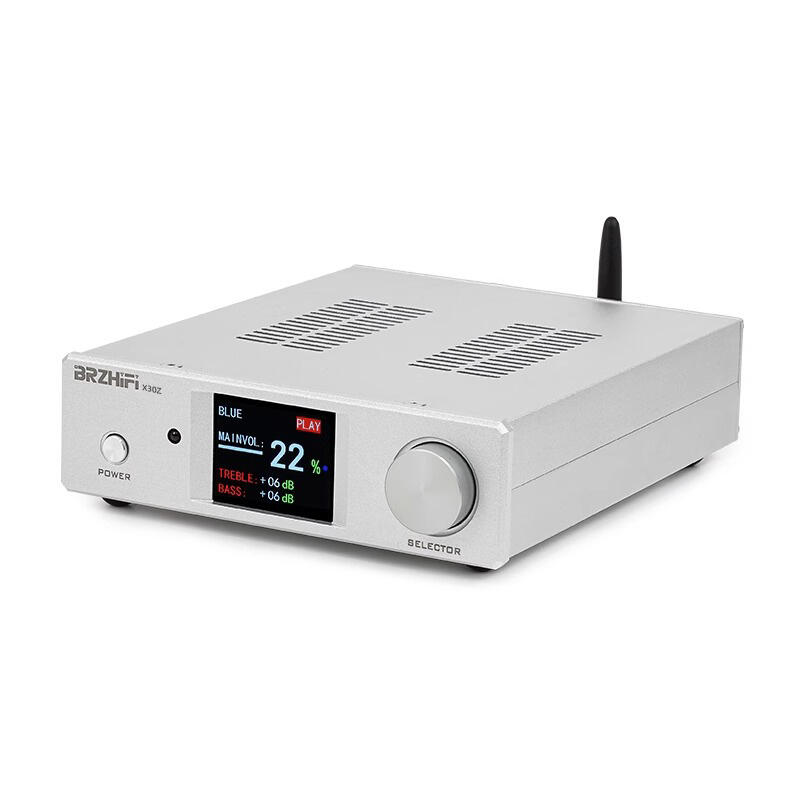
Entering the world of high-fidelity audio can feel overwhelming for newcomers, especially when faced with complex technical specifications and premium price points. However, finding the best budget tube amplifier designed specifically for beginners opens up a pathway to experience the warm, rich sound signature that vacuum tube technology delivers without breaking the bank. These entry-level amplifiers combine affordability with user-friendly features, making them perfect stepping stones for audio enthusiasts starting their journey into tube-powered sound reproduction.
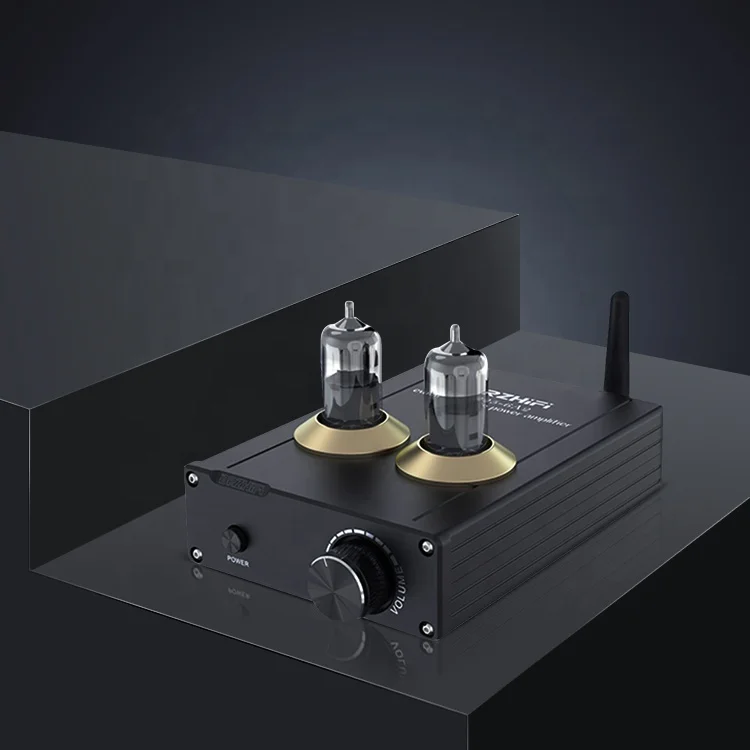
The appeal of tube amplifiers lies in their distinctive sonic characteristics that digital alternatives often struggle to replicate. When searching for the best budget tube amplifier, beginners should focus on models that prioritize simplicity, reliability, and educational value. These amplifiers typically feature straightforward controls, robust construction, and enough power to drive common bookshelf speakers or headphones effectively. Understanding what makes these amplifiers beginner-friendly helps new enthusiasts make informed purchasing decisions while avoiding common pitfalls associated with more complex tube equipment.
Understanding Tube Amplifier Basics for Beginners
Essential Components and How They Work
The fundamental appeal of any best budget tube amplifier stems from its vacuum tube technology, which uses heated cathodes to control electron flow and amplify audio signals. Unlike solid-state amplifiers that rely on transistors, tube amplifiers generate their characteristic warm sound through the natural harmonic distortion produced by vacuum tubes. This process creates the beloved "tube sound" that audiophiles prize for its musical qualities and three-dimensional soundstage presentation.
Beginner-friendly tube amplifiers typically employ simpler circuit designs with fewer components, making them more reliable and easier to understand. Most budget models use common tube types like 12AX7 preamp tubes and EL34 or 6L6 power tubes, which are readily available and relatively inexpensive to replace. The straightforward topology of these amplifiers allows newcomers to learn about tube operation, biasing, and maintenance without overwhelming complexity.
Power Output Considerations for New Users
When evaluating the best budget tube amplifier for beginner use, power output becomes a crucial factor that directly impacts usability and speaker compatibility. Most entry-level tube amplifiers produce between 5 to 25 watts per channel, which may seem modest compared to solid-state alternatives but proves sufficient for nearfield listening and moderate room sizes. The high efficiency of many bookshelf speakers designed for tube amplifiers means that even low-wattage models can produce satisfying volume levels.
Beginners should understand that tube amplifier wattage ratings often reflect conservative measurements, and the dynamic headroom provided by tube circuits can handle musical peaks effectively. Additionally, the natural compression and saturation characteristics of tubes create perceived loudness that exceeds the raw power specifications. This makes a well-designed budget tube amplifier capable of filling small to medium-sized rooms with rich, engaging sound that introduces newcomers to the unique qualities of vacuum tube amplification.
Key Features That Make Tube Amplifiers Beginner-Friendly
Simplified Control Layouts and User Interface
The most successful best budget tube amplifier designs prioritize intuitive operation through simplified control schemes that eliminate unnecessary complexity. Beginner-oriented models typically feature basic volume and tone controls, input selection switches, and clear labeling that allows new users to focus on enjoying music rather than navigating complicated menus or adjustments. This streamlined approach helps newcomers develop confidence while learning about tube amplifier operation and characteristics.
Many budget-friendly tube amplifiers incorporate automatic biasing systems that eliminate the need for manual tube bias adjustments, a technical procedure that can intimidate beginners. These self-biasing circuits monitor tube performance and maintain optimal operating conditions automatically, reducing maintenance requirements and the risk of component damage from incorrect settings. Visual indicators such as LED lights or tube glow provide immediate feedback about amplifier status and tube health, helping users understand normal operation patterns.
Build Quality and Safety Features
Safety considerations become paramount when selecting the best budget tube amplifier for beginners, as vacuum tubes operate at high voltages and generate significant heat during normal operation. Well-designed entry-level amplifiers incorporate proper ventilation, protective tube guards, and thermal management systems that prevent overheating while maintaining safe operating temperatures. These features protect both the equipment and users while providing educational opportunities about proper tube amplifier care.
Construction quality in budget tube amplifiers varies significantly, but beginner-friendly models typically use robust chassis materials, quality transformers, and reliable wiring practices that ensure long-term durability. Point-to-point wiring or high-quality printed circuit boards provide stable connections that resist degradation over time. Proper grounding, shielding, and component spacing minimize noise and interference while creating a platform for learning about audio circuit design and troubleshooting techniques.
Sound Characteristics and Performance Benefits
Harmonic Richness and Musical Presentation
The sonic signature that defines any high-quality best budget tube amplifier centers on its ability to reproduce music with natural warmth and three-dimensional imaging that engages listeners emotionally. Vacuum tubes generate even-order harmonics that enhance musical content without adding harsh artifacts, creating a presentation that many describe as more "musical" or "organic" compared to solid-state alternatives. This harmonic enhancement becomes particularly noticeable with acoustic instruments, vocals, and complex musical passages.
Beginners often notice the expansive soundstage and improved instrument separation that quality tube amplifiers provide, even in budget-oriented models. The natural compression and saturation characteristics of tubes create dynamic contrast that makes quiet passages more detailed while preventing loud sections from becoming fatiguing. This forgiving nature makes tube amplifiers excellent choices for extended listening sessions and helps newcomers develop critical listening skills without ear fatigue.
Frequency Response and Tonal Balance
Budget tube amplifiers typically exhibit frequency response characteristics that favor musical engagement over technical perfection, with gentle roll-offs in the extreme high and low frequencies that create a more relaxed, analog-like presentation. The midrange reproduction of a well-designed best budget tube amplifier often excels, providing clear, present vocals and realistic instrument timbres that help beginners understand the importance of midrange accuracy in musical reproduction.
The impedance characteristics of tube amplifiers interact favorably with many speaker designs, particularly those with varying impedance curves across the frequency spectrum. This synergy can enhance bass response, improve driver control, and create more coherent sound reproduction compared to solid-state amplifiers driving the same speakers. Beginners benefit from this natural compatibility, as it reduces the complexity of system matching while providing excellent sound quality from modest investments.
Setup and Maintenance for New Enthusiasts
Initial Setup and System Integration
Setting up the best budget tube amplifier requires attention to proper placement, ventilation, and connection procedures that ensure safe operation and optimal performance. Beginners should locate their amplifier on a stable, well-ventilated surface away from heat sources and direct sunlight, allowing adequate clearance around vacuum tubes for heat dissipation. Proper interconnect cables, speaker wires, and source components complete the signal chain while maintaining electrical safety and minimizing interference.
The warm-up period required by tube amplifiers provides an excellent learning opportunity for beginners to understand the relationship between operating temperature and sound quality. Most tubes require 10-15 minutes to reach optimal operating temperature, during which the sound gradually improves in clarity, dynamics, and tonal balance. This characteristic teaches patience and helps newcomers develop appreciation for the mechanical and electrical processes that create high-quality audio reproduction.
Routine Care and Tube Replacement
Maintaining a best budget tube amplifier involves simple procedures that help beginners develop technical confidence while extending equipment lifespan. Regular cleaning of tube pins, chassis ventilation areas, and control contacts prevents oxidation and maintains optimal electrical connections. Visual inspection of tubes for changes in color, coating, or mechanical integrity provides early warning of potential issues before they affect sound quality or cause damage.
Tube replacement represents a natural part of vacuum tube amplifier ownership, and budget models typically use common, inexpensive tube types that make experimentation affordable for newcomers. Learning to identify tube degradation through listening tests and visual inspection develops troubleshooting skills while providing opportunities to explore different tube brands and characteristics. Most best budget tube amplifier models provide 1000-3000 hours of tube life under normal operating conditions, making replacement costs reasonable for hobbyist budgets.
Selecting the Right Budget Tube Amplifier
Matching Amplifiers to Speaker Systems
Successful pairing of the best budget tube amplifier with appropriate speakers requires understanding impedance matching, sensitivity ratings, and power handling capabilities that ensure optimal performance and equipment protection. High-efficiency speakers with sensitivity ratings above 90dB work exceptionally well with low-power tube amplifiers, providing adequate volume levels while allowing the amplifier to operate within its optimal range. Impedance compatibility between 4-16 ohms ensures proper loading and prevents amplifier stress.
Beginners should consider speaker placement and room acoustics when selecting both amplifiers and speakers, as nearfield listening setups require less power while providing intimate sound reproduction that highlights tube amplifier strengths. Bookshelf monitors, high-efficiency floorstanding speakers, and vintage-style designs often complement budget tube amplifiers perfectly, creating synergistic combinations that exceed the sum of their individual components in musical engagement and listening satisfaction.
Budget Considerations and Value Assessment
Evaluating the best budget tube amplifier options requires balancing initial purchase price with long-term ownership costs, including tube replacements, potential repairs, and system expansion possibilities. Entry-level models typically range from $200-800, with higher-priced options offering better construction quality, more sophisticated circuits, and enhanced features that provide greater learning opportunities and upgrade potential.
Value assessment should include consideration of included accessories, warranty coverage, technical support availability, and modification potential that extends the useful life of budget amplifiers. Some manufacturers provide excellent documentation, tube selection guides, and upgrade paths that help beginners expand their knowledge while improving system performance over time. The educational value of owning and operating a tube amplifier often exceeds the pure sonic benefits, making even modest investments worthwhile for serious music enthusiasts.
Common Beginner Mistakes and How to Avoid Them
Unrealistic Expectations and System Matching
Many newcomers approach their first best budget tube amplifier purchase with unrealistic expectations about power output, bass response, and overall capability compared to solid-state alternatives. Understanding that tube amplifiers excel in different areas helps set appropriate expectations while avoiding disappointment. Low-power tube amplifiers provide exceptional midrange clarity, natural dynamics, and musical engagement but may not deliver the deep bass extension or high volume levels that some listeners expect from their previous solid-state experience.
System matching errors often occur when beginners pair inefficient speakers with low-power tube amplifiers, resulting in inadequate volume levels and compressed dynamics that mask the amplifier's positive qualities. Researching speaker sensitivity, impedance characteristics, and room requirements before purchasing prevents these compatibility issues while ensuring optimal performance from budget equipment investments. Proper matching allows even modest tube amplifiers to demonstrate their musical capabilities effectively.
Maintenance Oversights and Safety Concerns
Neglecting proper warm-up and cool-down procedures represents a common mistake that can reduce tube life and potentially damage amplifier components. The best budget tube amplifier designs include protection circuits, but following manufacturer recommendations for power-on sequences and operating procedures ensures maximum reliability and performance. Allowing tubes to warm up gradually and cool down naturally prevents thermal shock while extending component lifespan significantly.
Safety oversights such as inadequate ventilation, improper grounding, or exposure to moisture can create dangerous conditions or equipment damage. Beginners should familiarize themselves with basic electrical safety principles, proper grounding techniques, and environmental requirements that ensure safe operation. Understanding these fundamentals prevents accidents while building confidence in equipment handling and basic troubleshooting procedures that enhance the overall ownership experience.
FAQ
What power output should I look for in my first budget tube amplifier?
For beginners, a best budget tube amplifier producing 8-15 watts per channel typically provides sufficient power for nearfield listening and small to medium rooms when paired with efficient speakers. Models with sensitivity ratings above 90dB work exceptionally well with these power levels, delivering satisfying volume while maintaining the tube amplifier's characteristic warmth and dynamics. Higher power isn't always necessary and can increase costs without proportional benefits for typical home listening environments.
How often do tubes need replacement in budget amplifiers?
Most vacuum tubes in a well-designed best budget tube amplifier last 1000-3000 hours under normal operating conditions, which translates to 2-5 years of typical home use. Preamp tubes generally last longer than power tubes, and gradual performance degradation usually provides plenty of warning before replacement becomes necessary. The relatively low cost of common tube types used in budget amplifiers makes replacement affordable while providing opportunities to experiment with different tube brands and sonic characteristics.
Can I use any speakers with a budget tube amplifier?
While most speakers will work with tube amplifiers, the best results come from pairing your best budget tube amplifier with high-efficiency speakers having sensitivity ratings above 88-90dB. Impedance matching between 4-16 ohms ensures proper loading, and avoiding extremely low impedance speakers prevents amplifier stress. Bookshelf monitors and vintage-style speakers often provide excellent synergy with budget tube amplifiers, creating musical combinations that highlight the strengths of vacuum tube technology.
What maintenance does a beginner need to perform on a tube amplifier?
Basic maintenance for any best budget tube amplifier includes regular visual inspection of tubes for changes in appearance, gentle cleaning of tube pins and chassis surfaces, and ensuring adequate ventilation around heat-generating components. Following proper warm-up and cool-down procedures extends tube life, while periodic listening tests help identify gradual performance changes that indicate tube aging. Most routine maintenance requires no special tools or technical expertise, making tube amplifier ownership accessible for beginners willing to learn basic care procedures.