
 EN
EN
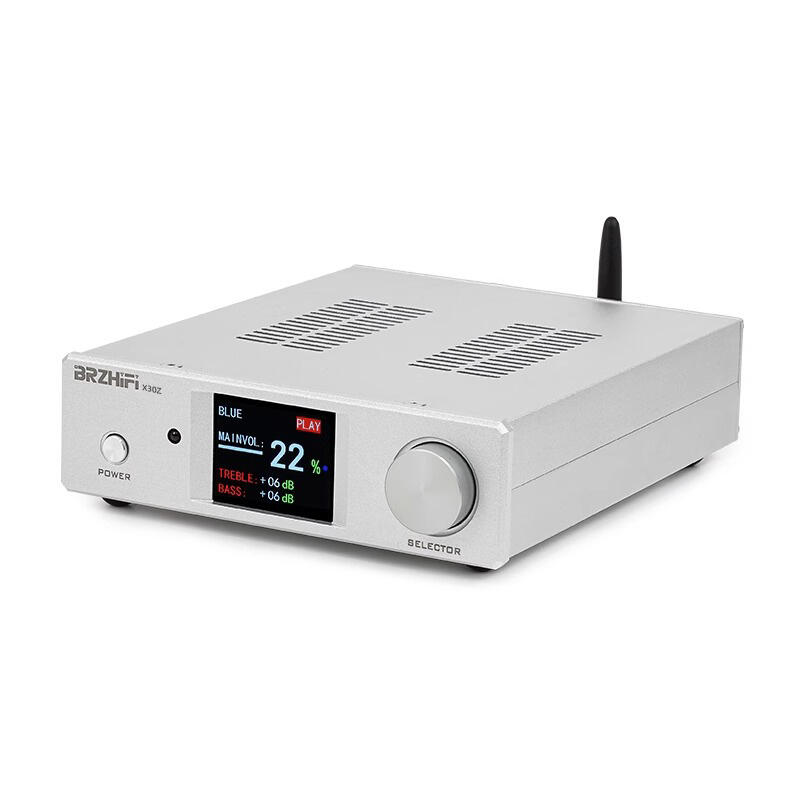
A tube audio amplifier represents the pinnacle of vintage audio engineering, delivering warm, rich sound characteristics that digital alternatives struggle to replicate. These sophisticated devices require dedicated maintenance protocols to ensure optimal performance and longevity. Understanding the specific care requirements for your tube audio amplifier will protect your investment while maintaining the exceptional audio quality that makes these units so coveted among audiophiles.

The vacuum tube technology at the heart of every tube audio amplifier demands careful attention to operating conditions, component replacement schedules, and environmental factors. Unlike solid-state amplifiers, tube-based systems contain components that naturally degrade over time, making preventive maintenance essential for sustained performance. Professional audio engineers and dedicated enthusiasts recognize that proper maintenance routines can extend amplifier lifespan by decades while preserving the distinctive sonic signature that defines tube amplification.
Understanding Tube Degradation Patterns
Natural Tube Aging Process
Vacuum tubes within your tube audio amplifier undergo predictable aging patterns that affect both performance and longevity. The cathode coating gradually depletes through normal operation, reducing electron emission efficiency and ultimately impacting amplification quality. Power tubes typically demonstrate measurable performance degradation after 2000 to 5000 hours of operation, while preamp tubes may function effectively for 10000 hours or more depending on usage patterns.
Monitoring tube performance involves tracking key parameters including transconductance, plate current, and grid leakage. Professional-grade tube testers provide accurate measurements that help determine optimal replacement timing before noticeable audio degradation occurs. Regular testing schedules allow tube audio amplifier owners to anticipate maintenance requirements and avoid unexpected performance issues during critical listening sessions.
Environmental Impact Factors
Operating environment significantly influences tube longevity and maintenance requirements for any tube audio amplifier system. Excessive heat, humidity fluctuations, and vibration accelerate component aging while potentially causing premature failures. Maintaining stable ambient temperatures between 65-75 degrees Fahrenheit with relative humidity levels below 50 percent creates optimal conditions for extended tube life.
Proper ventilation around your tube audio amplifier prevents heat buildup that can damage both tubes and supporting circuitry. Adequate clearance above and around the unit allows natural convection to dissipate heat generated during operation. Installing cooling fans may be beneficial in enclosed cabinets or warm environments, though fan noise considerations must be balanced against thermal protection requirements.
Essential Cleaning and Inspection Procedures
Regular Visual Inspections
Systematic visual inspections form the foundation of effective tube audio amplifier maintenance programs. Monthly examinations should focus on tube envelope condition, looking for signs of cloudiness, internal deposits, or structural damage that indicates imminent failure. Socket connections require inspection for corrosion, looseness, or discoloration that suggests overheating or poor electrical contact.
Transformer inspection involves checking for oil leaks, case swelling, or unusual odors that indicate internal breakdown. Capacitor condition can be assessed visually by looking for bulging, leakage, or discoloration around component bodies. Early detection of component deterioration allows for planned replacement before catastrophic failures that could damage other expensive amplifier components.
Proper Cleaning Techniques
Dust accumulation inside tube audio amplifier chassis creates multiple problems including heat retention, electrical tracking, and component contamination. Monthly cleaning using compressed air removes surface debris while avoiding moisture introduction that could cause electrical problems. Tube sockets benefit from periodic cleaning with contact cleaners specifically formulated for electronic components.
External cleaning maintains both appearance and functionality by preventing corrosion and ensuring proper heat dissipation. Mild detergent solutions work effectively for chassis cleaning, though care must be taken to avoid moisture intrusion into electrical components. Tube envelopes should be cleaned gently with isopropyl alcohol to remove fingerprints and deposits that can affect heat dissipation patterns.
Tube Replacement Strategies and Timing
Performance-Based Replacement Criteria
Determining optimal tube replacement timing for your tube audio amplifier requires understanding performance thresholds rather than relying solely on operating hours. Transconductance measurements below 80 percent of original specifications typically indicate replacement necessity, even when tubes continue functioning. Matching tube characteristics becomes particularly important in push-pull configurations where imbalanced tubes create distortion and reduce power output.
Preamp tube replacement follows different criteria since these components handle lower power levels and typically last longer than power tubes. Increased noise, reduced gain, or microphonic behavior signals preamp tube degradation requiring replacement. Testing preamp tubes involves careful listening for subtle changes in noise floor, dynamic response, and tonal balance that indicate declining performance.
Quality Tube Selection and Storage
Selecting replacement tubes for tube audio amplifier applications requires balancing performance requirements against budget constraints. New old stock tubes from reputable manufacturers often provide superior performance compared to current production alternatives, though availability and cost considerations may favor modern tubes. Tube matching services ensure balanced performance in critical applications where slight variations could affect overall amplifier behavior.
Proper tube storage protects spare tubes from damage while maintaining performance characteristics. Original packaging provides optimal protection against physical damage and contamination. Temperature-stable environments prevent thermal cycling that can affect tube internal structures, while protection from moisture prevents corrosion of pins and internal elements.
Capacitor and Component Maintenance
Electrolytic Capacitor Management
Electrolytic capacitors in tube audio amplifier power supplies require special attention due to aging characteristics that affect both performance and reliability. These components gradually lose capacitance while developing increased equivalent series resistance that impacts filtering effectiveness. Capacitor reformation procedures can extend service life by reversing some aging effects through controlled voltage application.
Preventive capacitor replacement typically occurs every 15-20 years depending on operating conditions and original component quality. Modern capacitor technology offers improved performance and longevity compared to vintage components, though some audiophiles prefer maintaining original specifications for sonic authenticity. Professional installation ensures proper orientation, mounting, and electrical connections that prevent premature failure.
Resistor and Component Monitoring
Carbon composition resistors commonly found in vintage tube audio amplifier circuits drift in value over time, potentially affecting bias conditions and frequency response. Annual resistance measurements help track component changes that could impact amplifier performance. Wire-wound resistors typically maintain stable values but may develop open circuits due to thermal cycling or mechanical stress.
Connection quality assessment involves checking solder joints, terminal strips, and internal wiring for signs of deterioration. Cold solder joints create intermittent connections that cause noise and distortion, while aged wire insulation may crack and create short circuits. Periodic electrical testing identifies developing problems before they cause service interruptions or component damage.
Professional Service and DIY Limitations
When to Seek Professional Help
Complex tube audio amplifier maintenance tasks require specialized knowledge and test equipment beyond typical hobbyist capabilities. Bias adjustment procedures involve high voltages and precise measurements that demand professional expertise to perform safely and accurately. Transformer testing, circuit modifications, and major component replacements typically justify professional service costs through improved reliability and performance.
Safety considerations make professional service essential for certain maintenance tasks involving high voltages present in tube audio amplifier circuits. Experienced technicians possess proper safety equipment and procedures to work safely around potentially lethal voltages. Insurance and warranty considerations may also require professional service for certain repairs and modifications.
Safe DIY Maintenance Practices
Tube audio amplifier owners can safely perform many routine maintenance tasks following proper safety procedures and using appropriate tools. Power disconnection and adequate cooling periods prevent electrical shock and thermal burns during maintenance work. Basic multimeter skills enable safe voltage and resistance measurements when proper precautions are observed.
Tube replacement represents the most common owner-performed maintenance task, requiring only basic precautions and proper handling techniques. Socket cleaning, external cleaning, and visual inspections can be performed safely by informed owners following manufacturer guidelines. Maintaining detailed service records helps track maintenance history and component replacement patterns for future reference.
Optimizing Operating Conditions
Power Management Strategies
Proper power management significantly extends tube audio amplifier component life while maintaining optimal performance characteristics. Gradual warm-up procedures allow tubes and other components to reach operating temperature without thermal shock that can cause premature failure. Standby switches provide intermediate power states that maintain tube heater temperature while removing high voltages during brief interruptions.
Power line conditioning protects sensitive tube audio amplifier circuits from voltage fluctuations and electrical noise that can affect both performance and longevity. Voltage regulators maintain stable operating conditions despite utility power variations, while surge protectors guard against transient overvoltages. Dedicated electrical circuits minimize interference from other household appliances and provide stable power delivery.
Environmental Control Considerations
Controlling the operating environment around your tube audio amplifier creates conditions that promote long component life and stable performance. Adequate ventilation prevents heat buildup while avoiding drafts that could cause thermal cycling. Humidity control protects against corrosion while preventing static electricity buildup that could damage sensitive components.
Vibration isolation improves both performance and longevity by preventing microphonic effects and mechanical stress on internal components. Isolation platforms or racks minimize floor-transmitted vibrations while internal damping materials reduce chassis resonances. Careful cable management prevents mechanical stress on connections while maintaining optimal signal paths throughout the tube audio amplifier system.
FAQ
How often should tubes be replaced in a tube audio amplifier?
Tube replacement intervals vary significantly based on tube type, usage patterns, and quality expectations. Power tubes typically require replacement every 2000-5000 hours of operation, while preamp tubes may last 10000 hours or more. Regular testing provides more accurate replacement timing than relying solely on operating hours, as individual tubes age at different rates depending on operating conditions and manufacturing variations.
What are the most critical maintenance tasks for tube audio amplifier longevity?
Regular cleaning, proper ventilation, and systematic component monitoring represent the most critical maintenance activities for long-term tube audio amplifier reliability. Monthly visual inspections catch developing problems early, while annual professional bias adjustments maintain optimal performance. Capacitor replacement every 15-20 years prevents power supply failures that could damage expensive tubes and transformers.
Can I perform tube replacement myself, or should I hire a professional?
Basic tube replacement can be safely performed by informed owners following proper safety procedures and manufacturer guidelines. Power disconnection, adequate cooling time, and careful handling prevent damage to both tubes and sockets. However, bias adjustments following tube replacement often require professional service due to high voltage hazards and specialized test equipment requirements.
How do I know when my tube audio amplifier needs professional service?
Professional service becomes necessary when performance issues persist after tube replacement, when bias adjustments are required, or when component failures affect multiple circuit sections. Unusual noises, reduced output power, or visible component damage typically indicate problems requiring professional diagnosis and repair. Annual professional inspections help identify developing issues before they cause major failures or safety hazards.