
 EN
EN
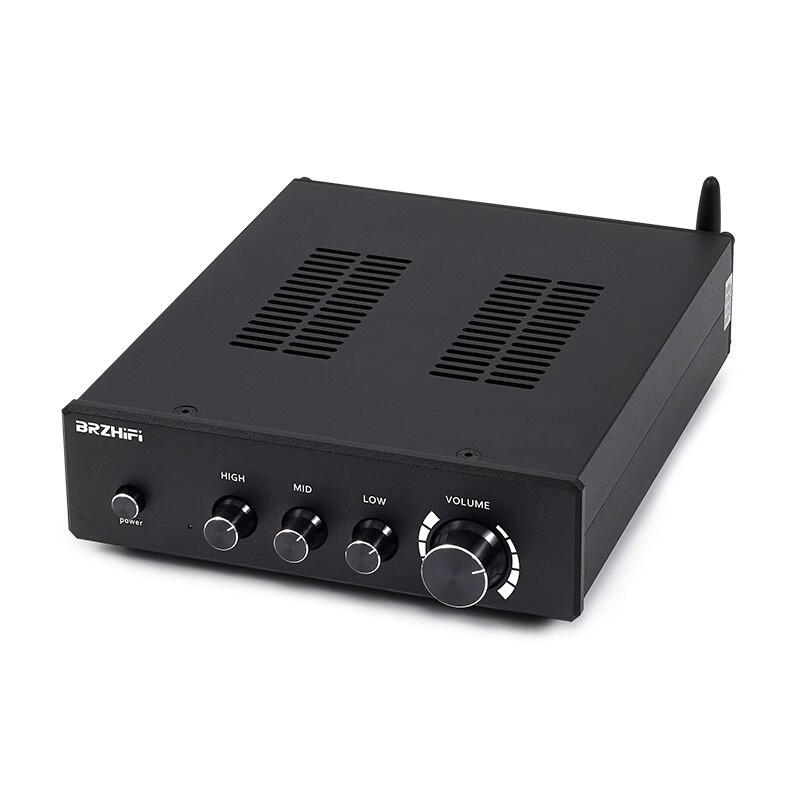
The evolution of music consumption has fundamentally transformed how we experience audio entertainment in our homes. Modern streaming services deliver high-quality digital audio directly to our devices, creating new demands for amplification systems that can handle these digital signals with precision and clarity. A digital music amplifier represents the perfect marriage between cutting-edge digital processing technology and traditional amplification principles, designed specifically to maximize the potential of streaming audio sources. Understanding what makes these amplifiers particularly suited for streaming applications requires examining their unique architectural advantages, signal processing capabilities, and integration features that set them apart from conventional analog amplifiers.
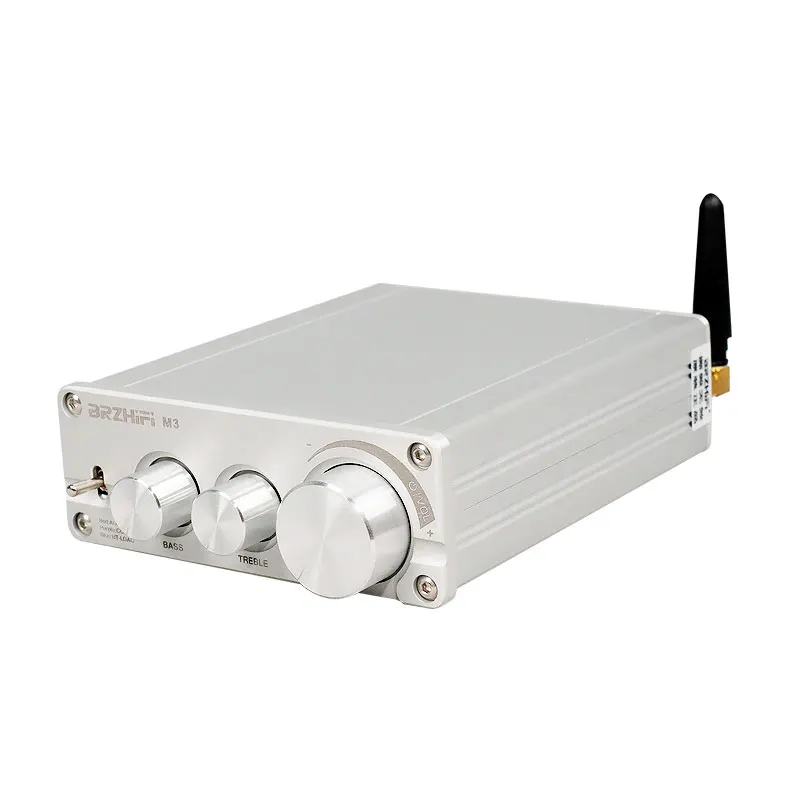
Digital Signal Processing Architecture
Advanced DAC Integration
The heart of any effective digital music amplifier lies in its digital-to-analog converter integration, which determines how accurately streaming audio signals are translated into analog waveforms. Modern streaming services transmit audio in various digital formats, from standard 16-bit/44.1kHz files to high-resolution 24-bit/192kHz recordings. A quality digital music amplifier incorporates sophisticated DAC chips that can handle these varying bit depths and sampling rates without introducing distortion or signal degradation. The seamless integration between the DAC and amplification stages eliminates multiple conversion steps that traditional analog amplifiers require, resulting in a cleaner signal path and improved overall fidelity.
Professional-grade digital music amplifiers often feature delta-sigma DAC architectures that provide exceptional dynamic range and low noise floors. These converters utilize oversampling techniques to reduce quantization noise and improve the accuracy of the analog output signal. The direct digital-to-amplified-output pathway minimizes the potential for interference and signal corruption that can occur in multi-stage analog processing chains. This architectural advantage becomes particularly important when streaming high-resolution audio content, where preserving the full detail and dynamic range of the original recording is paramount to achieving audiophile-quality reproduction.
Digital Signal Processing Capabilities
Modern streaming applications benefit tremendously from the built-in digital signal processing capabilities found in advanced digital music amplifier designs. These processing features include real-time equalization, crossover filtering, and room correction algorithms that can be applied directly to the digital signal before amplification. Unlike analog processing, digital manipulation maintains signal integrity while providing precise control over frequency response, phase relationships, and dynamic characteristics. This processing power enables users to optimize their listening experience for specific room acoustics or personal preferences without introducing the noise and distortion associated with analog equalizers.
The programmable nature of digital signal processing in these amplifiers allows for firmware updates that can add new features or improve existing algorithms over time. Streaming services continue to evolve their encoding standards and audio processing techniques, and a capable digital music amplifier can adapt to these changes through software updates rather than requiring hardware replacement. This future-proofing aspect makes digital amplifiers particularly attractive for streaming applications, where technological advancement occurs rapidly and compatibility requirements frequently change.
Streaming Connectivity and Protocol Support
Wireless Streaming Integration
Contemporary digital music amplifiers excel in streaming applications primarily due to their comprehensive wireless connectivity options. Bluetooth compatibility remains essential, but advanced models support high-quality codecs like aptX HD, LDAC, and aptX Adaptive that maintain near-lossless audio quality over wireless connections. These codecs compress audio data intelligently, preserving critical musical information while ensuring stable transmission even in challenging wireless environments. The integration of dual-band Wi-Fi capabilities further enhances streaming performance by providing dedicated bandwidth for audio transmission and reducing interference from other household devices.
Network streaming protocols such as DLNA, AirPlay 2, and Chromecast Audio enable seamless integration with various streaming platforms and devices. A well-designed digital music amplifier supports multiple streaming protocols simultaneously, allowing users to connect different source devices without compatibility concerns. This versatility proves invaluable in modern homes where family members may use different smartphones, tablets, or computers to access their preferred streaming services.
Multi-Format Audio Support
The diverse landscape of streaming audio formats demands amplifiers capable of processing multiple file types and encoding standards without quality degradation. Leading digital music amplifiers support formats ranging from compressed MP3 and AAC files to lossless FLAC and ALAC recordings, as well as high-resolution DSD and PCM formats. This comprehensive format support ensures compatibility with all major streaming services, from casual listening platforms to audiophile-focused services that specialize in high-resolution content delivery.
Format-specific processing optimizations within the digital music amplifier ensure that each audio type receives appropriate treatment based on its encoding characteristics. For instance, compressed formats may benefit from intelligent upsampling algorithms that restore some of the musical information lost during compression, while high-resolution formats receive bit-perfect processing to maintain their original quality. This adaptive approach maximizes the listening experience regardless of the source material quality, making the amplifier suitable for diverse streaming scenarios and user preferences.
Power Efficiency and Thermal Management
Class D Amplification Benefits
Digital music amplifiers typically employ Class D amplification technology, which offers significant advantages for streaming applications where continuous operation is common. Class D amplifiers achieve efficiency ratings exceeding 90%, generating minimal heat while delivering substantial power output. This efficiency becomes crucial during extended streaming sessions, where traditional Class A or Class AB amplifiers might experience thermal limitations that affect performance or require active cooling systems. The reduced heat generation of digital music amplifiers enables compact designs that integrate easily into modern living spaces without ventilation concerns.
The switching nature of Class D amplification aligns naturally with digital signal processing, creating synergies that further enhance performance. Pulse-width modulation techniques used in Class D designs can be directly driven by digital signals, eliminating conversion stages that introduce potential distortion sources. This direct digital-to-amplified-output pathway maintains signal integrity while achieving the power efficiency that makes continuous streaming operation practical and economical.
Thermal Design Considerations
Effective thermal management in digital music amplifiers ensures consistent performance during marathon streaming sessions or high-volume listening. Advanced thermal design incorporates heat-spreading materials, optimized circuit board layouts, and passive cooling strategies that maintain stable operating temperatures without noisy fans. The thermal characteristics directly impact the amplifier's ability to maintain clean audio reproduction, as excessive heat can cause semiconductor parameters to drift and introduce distortion or instability.
Smart thermal monitoring systems in premium digital music amplifiers provide real-time temperature feedback and implement protective measures when necessary. These systems can temporarily reduce power output or adjust processing parameters to prevent damage while maintaining audio continuity. Such intelligent thermal management proves particularly valuable in streaming applications, where interrupting playback due to overheating would severely compromise the user experience and potentially damage connected speakers.
User Interface and Control Integration
Smart Device Compatibility
Modern digital music amplifiers excel in streaming scenarios through their sophisticated integration with smartphones, tablets, and smart home ecosystems. Dedicated mobile applications provide comprehensive control over amplifier settings, streaming source selection, and audio processing parameters from anywhere within the home network range. These applications often include advanced features like multi-room audio coordination, preset management, and real-time spectrum analysis that enhance the streaming experience beyond basic volume and source selection.
Voice control integration with Amazon Alexa, Google Assistant, and Apple Siri enables hands-free operation that proves invaluable during streaming sessions. Users can adjust volume, change tracks, or switch between streaming services without interrupting other activities or searching for remote controls. This seamless integration transforms the digital music amplifier into a central component of intelligent home audio systems that respond intuitively to user preferences and habits.
Streaming Service Integration
Direct streaming service integration eliminates the need for intermediate devices and provides optimized pathways for popular platforms like Spotify, Tidal, Amazon Music, and Apple Music. Built-in streaming clients within the digital music amplifier can access these services directly through internet connectivity, bypassing potential quality limitations imposed by smartphone or computer processing. This direct connection often enables higher bitrate streaming and reduced latency compared to relay methods through secondary devices.
Playlist synchronization and account integration features ensure that personal music libraries and preferences remain accessible regardless of the control device used. The digital music amplifier maintains connections to multiple streaming accounts simultaneously, enabling quick switching between services or even concurrent streaming to different zones in multi-room configurations. This level of integration streamlines the streaming experience and reduces the complexity associated with managing multiple audio sources and platforms.
Audio Quality Optimization Features
Dynamic Range Management
Streaming audio often undergoes various compression algorithms during transmission and encoding that can impact dynamic range and overall musical expression. Advanced digital music amplifiers incorporate sophisticated dynamic range enhancement features that intelligently restore some of the lost dynamic information without introducing artifacts or unnatural processing effects. These algorithms analyze incoming audio streams in real-time and apply targeted processing that expands compressed signals while maintaining the original musical intent.
Automatic gain control and loudness compensation features ensure consistent listening levels across different streaming sources and content types. Streaming services often deliver content with varying loudness standards, creating jarring level changes when switching between songs or platforms. Digital music amplifiers with intelligent level management can normalize these differences while preserving the relative dynamics within individual tracks, creating a more enjoyable and coherent listening experience during extended streaming sessions.
Jitter Reduction and Clock Recovery
Digital streaming introduces potential timing irregularities known as jitter, which can degrade audio quality by causing subtle distortions in the reconstructed analog waveform. Professional-quality digital music amplifiers incorporate advanced clock recovery systems that minimize jitter effects and ensure accurate digital-to-analog conversion timing. These systems often include local crystal oscillators that provide stable timing references independent of the streaming source quality, effectively cleaning up timing errors introduced during transmission or processing.
Buffer management strategies within the digital music amplifier provide additional jitter reduction by creating temporal isolation between the streaming input and digital processing stages. Adaptive buffering algorithms monitor network conditions and adjust buffer depths accordingly, maintaining smooth playback while minimizing latency. This buffering approach proves particularly valuable for high-resolution streaming, where larger data packets and more stringent timing requirements demand sophisticated management techniques to maintain audio quality.
Installation and Setup Advantages
Simplified System Integration
Digital music amplifiers designed for streaming applications typically offer streamlined installation processes that reduce setup complexity compared to traditional analog systems. Automatic source detection, plug-and-play connectivity, and guided setup wizards help users achieve optimal performance without requiring extensive technical knowledge. These amplifiers often include comprehensive connection options that accommodate various streaming devices while maintaining signal quality through digital pathways.
Cable requirements for digital music amplifiers in streaming applications are generally minimal, as wireless connectivity handles most source connections and digital outputs require only single cables to reach speakers or external DACs. This simplified cabling reduces installation costs and complexity while improving system reliability by eliminating multiple analog interconnections that can introduce noise or suffer from connection degradation over time. The reduced cabling also enhances placement flexibility, allowing the amplifier to be positioned for optimal acoustic performance rather than connection convenience.
Scalability and Expansion Options
Modern digital music amplifiers excel in streaming environments due to their inherent scalability and expansion capabilities. Network-based connectivity enables easy integration into multi-room audio systems where the amplifier can serve as either a master controller or synchronized zone player. Digital signal distribution through home networks eliminates the need for long analog cable runs and provides opportunities for system expansion without major infrastructure modifications.
Future upgrade paths remain open through software updates and modular hardware additions that can enhance streaming capabilities or add new features without replacing the entire amplifier. This modularity proves particularly valuable in streaming applications, where new services, protocols, and audio formats continue to emerge regularly. The ability to adapt and expand functionality ensures that the digital music amplifier investment remains viable as streaming technology evolves and user requirements change over time.
FAQ
How does a digital music amplifier differ from traditional analog amplifiers for streaming?
A digital music amplifier processes streaming audio signals in the digital domain throughout most of the amplification chain, eliminating multiple digital-to-analog conversions that traditional amplifiers require. This direct digital processing approach reduces signal degradation, provides built-in streaming connectivity, and enables advanced features like room correction and format-specific optimizations that aren't possible with purely analog designs. The result is cleaner signal reproduction and better integration with modern streaming sources and smart home systems.
What streaming formats and services work best with digital music amplifiers?
Digital music amplifiers typically support a wide range of streaming formats including compressed files like MP3 and AAC, lossless formats such as FLAC and ALAC, and high-resolution formats including DSD and PCM up to 24-bit/192kHz or higher. Most quality digital amplifiers integrate directly with popular streaming services like Spotify, Tidal, Amazon Music, and Apple Music, often supporting their highest available quality tiers. The key advantage is that these amplifiers can adapt their processing to optimize each format type for the best possible sound quality.
Do digital music amplifiers require special speakers or setup considerations?
Digital music amplifiers work with conventional passive speakers and don't require special speaker types, though their clean power delivery can reveal more detail from high-quality speakers. Setup considerations focus more on network connectivity and placement for optimal Wi-Fi reception rather than acoustic positioning requirements of traditional amplifiers. The main advantage is simplified installation due to reduced cabling needs and automatic setup features that optimize performance based on the streaming sources and connected speakers.
How important is power output in digital music amplifiers for streaming applications?
Power output requirements for streaming applications often differ from traditional audio setups because streaming typically involves background listening and moderate volume levels rather than peak performance demands. Digital music amplifiers excel in this scenario due to their exceptional efficiency and consistent power delivery across all volume levels. Most users find that moderate power ratings between 50-100 watts per channel provide excellent results for streaming, while the amplifier's clean signal processing and low distortion characteristics prove more important than raw power specifications for overall listening satisfaction.
Table of Contents
- Digital Signal Processing Architecture
- Streaming Connectivity and Protocol Support
- Power Efficiency and Thermal Management
- User Interface and Control Integration
- Audio Quality Optimization Features
- Installation and Setup Advantages
-
FAQ
- How does a digital music amplifier differ from traditional analog amplifiers for streaming?
- What streaming formats and services work best with digital music amplifiers?
- Do digital music amplifiers require special speakers or setup considerations?
- How important is power output in digital music amplifiers for streaming applications?