
 EN
EN
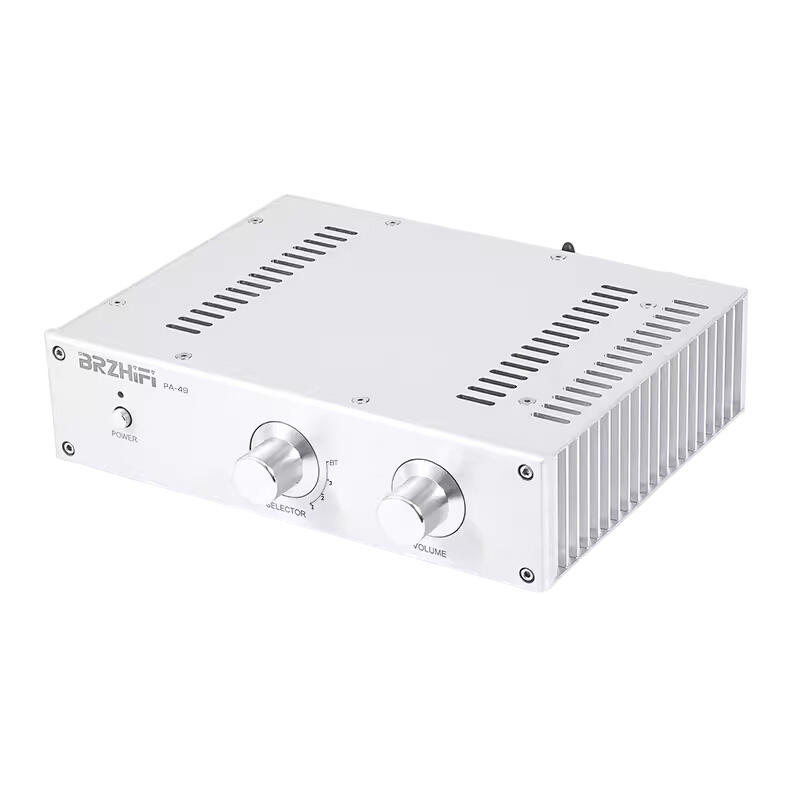
Understanding how a stereo amplifier enhances your listening experience is crucial for anyone seeking superior audio quality. A stereo amplifier serves as the bridge between your audio source and speakers, transforming weak electrical signals into powerful outputs that drive your speakers with precision and clarity. The fundamental role of this essential component extends far beyond simple volume control, encompassing signal enhancement, impedance matching, and dynamic range optimization. Professional audio engineers and audiophiles consistently emphasize that investing in a quality stereo amplifier represents one of the most significant upgrades you can make to any audio system.
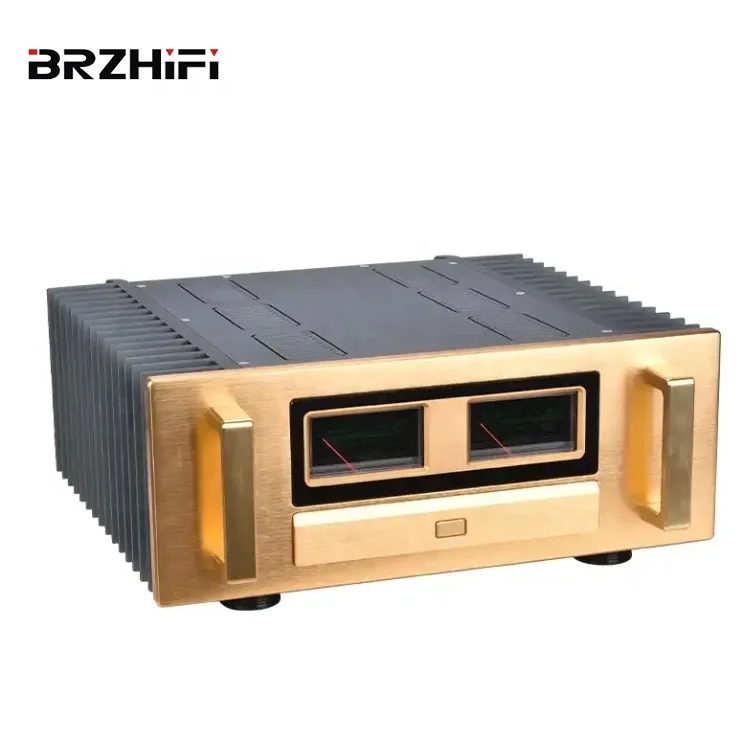
Understanding Signal Amplification Technology
Power Conversion Fundamentals
The primary function of a stereo amplifier involves converting low-voltage signals from audio sources into high-powered outputs capable of driving speakers effectively. This process requires sophisticated circuitry that maintains signal integrity while providing substantial power multiplication. Modern stereo amplifier designs utilize advanced semiconductor technology and precision components to achieve exceptional linearity and minimal distortion. The amplification process involves multiple stages, including input buffering, voltage amplification, and current amplification, each contributing to the overall performance characteristics of the final output signal.
Class A amplification topology represents the gold standard for audio quality, operating with continuous current flow that eliminates crossover distortion entirely. This design approach ensures that every nuance of the original signal remains intact throughout the amplification process. Professional-grade stereo amplifier units often incorporate Class A circuitry in their input and driver stages, providing exceptional signal purity and dynamic response. The thermal management requirements of Class A operation demand robust heat dissipation systems and carefully selected components capable of sustained high-temperature operation.
Signal Processing Enhancement
Advanced stereo amplifier designs incorporate sophisticated signal processing capabilities that extend beyond basic amplification functions. These systems often feature input impedance matching circuits that optimize the interface between various audio sources and the amplification stages. Proper impedance matching ensures maximum power transfer and minimizes signal reflections that could introduce distortion or frequency response irregularities. The input circuitry typically includes high-quality operational amplifiers and discrete transistor configurations designed for exceptional noise performance and wide bandwidth operation.
Frequency response optimization represents another critical aspect of modern stereo amplifier technology, ensuring consistent performance across the entire audible spectrum. Premium amplifier designs utilize carefully selected components and circuit topologies that maintain flat frequency response from the deepest bass frequencies to the highest treble ranges. This uniform response characteristic ensures that no portion of the audio spectrum receives preferential treatment, resulting in natural and uncolored sound reproduction that accurately represents the original recording.
Audio Quality Enhancement Mechanisms
Dynamic Range Optimization
The dynamic range capabilities of a stereo amplifier directly impact its ability to reproduce both subtle details and powerful transients with equal precision. High-quality amplifier designs incorporate oversized power supplies and robust output stages that maintain clean operation even during demanding musical passages. This headroom ensures that peak transients receive proper amplification without compression or clipping, preserving the natural dynamics of the original performance. The power supply design typically features multiple regulation stages and substantial energy storage capacity to handle instantaneous power demands without voltage sag.
Noise floor reduction represents another crucial aspect of dynamic range optimization in professional stereo amplifier systems. Advanced circuit layouts minimize electromagnetic interference and thermal noise through careful component selection and shielding techniques. Low-noise operational amplifiers, precision resistors, and high-quality capacitors contribute to achieving exceptionally quiet operation that allows subtle musical details to emerge from complete silence. The signal-to-noise ratio specifications of premium amplifiers often exceed 100 decibels, ensuring that background noise remains inaudible even at high listening levels.
Harmonic Distortion Minimization
Modern stereo amplifier designs employ multiple techniques to minimize harmonic distortion and maintain signal purity throughout the amplification process. Negative feedback circuits provide real-time error correction that reduces distortion products and improves frequency response linearity. However, excessive feedback can introduce stability issues and high-frequency anomalies, requiring careful optimization to achieve the optimal balance between distortion reduction and sonic transparency. Advanced amplifier topologies often utilize local feedback loops combined with global feedback to maximize distortion reduction while maintaining stability margins.
Output stage design plays a critical role in determining the distortion characteristics of a stereo amplifier, particularly during high-power operation. Complementary push-pull configurations utilizing matched transistor pairs provide excellent linearity and thermal stability. The bias current settings and thermal tracking circuits ensure consistent performance across varying operating conditions and prevent thermal runaway that could damage the output devices. Premium stereo amplifier designs often incorporate multiple output devices in parallel to distribute thermal stress and improve reliability during extended high-power operation.
Speaker Interface Optimization
Impedance Matching Principles
The interface between a stereo amplifier and loudspeakers represents a critical aspect of system performance that directly affects both efficiency and sound quality. Proper impedance matching ensures maximum power transfer from the amplifier to the speakers while minimizing reflections that could introduce frequency response irregularities. Most modern speakers present complex impedance characteristics that vary significantly with frequency, requiring amplifier designs capable of driving reactive loads without stability issues. The output impedance of a quality stereo amplifier should remain low across the entire audio spectrum to maintain tight control over speaker cone movement.
Damping factor specifications provide insight into an amplifier's ability to control speaker resonances and maintain tight bass response. High damping factors indicate low output impedance and strong control over speaker cone movement, resulting in more accurate bass reproduction and reduced overhang in transient response. Professional stereo amplifier designs typically achieve damping factors exceeding 100, ensuring excellent speaker control even with demanding low-impedance loads. The output stage topology and feedback network design significantly influence damping factor performance and overall speaker interface characteristics.
Current Delivery Capabilities
The current delivery capabilities of a stereo amplifier determine its ability to drive challenging speaker loads and maintain stable operation under varying conditions. Speakers with low impedance characteristics or significant phase angles can demand substantial current from the amplifier, particularly during dynamic musical passages. High-current designs incorporate robust power supplies and oversized output stages capable of delivering peak currents without voltage compression or thermal stress. The short-term current capability often exceeds the continuous rating by significant margins to accommodate musical transients.
Thermal management systems in professional stereo amplifier designs ensure reliable operation even during extended high-power conditions. Heat sink sizing, airflow optimization, and thermal protection circuits prevent overheating that could compromise performance or damage components. Advanced thermal management often includes temperature-controlled cooling fans and thermal throttling circuits that gradually reduce power output if excessive temperatures are detected. This protection ensures long-term reliability while maintaining consistent performance characteristics throughout the amplifier's operating range.
Advanced Features and Technologies
Digital Signal Processing Integration
Contemporary stereo amplifier designs increasingly incorporate digital signal processing capabilities that enhance traditional analog amplification with advanced correction and optimization algorithms. Room correction systems analyze the acoustic characteristics of the listening environment and apply real-time equalization to compensate for room-induced frequency response anomalies. These systems utilize sophisticated measurement techniques and adaptive algorithms to optimize the sound quality for specific listening positions and room configurations. The integration of DSP technology allows for precise control over frequency response, phase characteristics, and dynamic processing.
Digital crossover networks represent another advanced feature found in high-end stereo amplifier systems, providing precise frequency division and phase alignment for multi-way speaker configurations. These systems offer greater flexibility and precision compared to passive crossover networks, allowing for custom tuning and optimization based on specific speaker characteristics and listening preferences. The digital approach eliminates passive component tolerances and provides consistent performance across varying environmental conditions. Advanced crossover algorithms can include time alignment correction and driver-specific equalization for optimal integration between different transducer types.
Connectivity and Control Features
Modern stereo amplifier designs incorporate extensive connectivity options that accommodate various digital and analog audio sources. High-resolution digital inputs support sampling rates up to 192 kHz and beyond, ensuring compatibility with the latest digital audio formats and streaming protocols. Multiple analog inputs provide flexibility for connecting traditional sources such as turntables, CD players, and analog tape decks. The input switching systems utilize high-quality relays or electronic switches that maintain signal integrity and minimize crosstalk between sources.
Remote control capabilities and network connectivity enable convenient operation and integration with modern home automation systems. Smartphone applications provide intuitive control interfaces that allow adjustment of volume levels, input selection, and advanced parameters from anywhere within the wireless network range. Some stereo amplifier models include streaming capabilities that support popular music services and high-resolution audio file formats. The combination of traditional audiophile performance with modern convenience features creates versatile systems suitable for both critical listening and everyday use.
Performance Measurement and Specifications
Technical Specifications Analysis
Understanding the technical specifications of a stereo amplifier provides valuable insight into its performance capabilities and suitability for specific applications. Power output ratings indicate the maximum continuous power delivery capability, typically measured at specific impedance loads and distortion levels. RMS power specifications provide more meaningful information than peak power ratings, as they represent sustained output capability rather than brief transient performance. The relationship between power output and impedance load reveals important characteristics about the amplifier's current delivery capabilities and output stage design.
Frequency response specifications demonstrate the amplifier's ability to maintain consistent gain across the audible spectrum and beyond. Premium stereo amplifier designs typically exhibit flat response from well below 20 Hz to frequencies exceeding 20 kHz, with minimal variation throughout this range. The bandwidth specifications also indicate the amplifier's stability margins and transient response characteristics. Extended bandwidth capability often correlates with superior transient response and more natural sound reproduction, even though the extended frequencies may not be directly audible.
Distortion and Noise Characteristics
Total harmonic distortion measurements provide quantitative assessment of the amplifier's linearity and signal purity capabilities. Low distortion figures, typically below 0.1% for quality designs, indicate excellent linearity and minimal signal degradation. However, the measurement conditions and frequency range significantly influence these specifications, requiring careful evaluation of the test parameters. Some stereo amplifier designs exhibit rising distortion at high frequencies or low power levels, making comprehensive specification analysis essential for proper evaluation.
Signal-to-noise ratio specifications reveal the amplifier's ability to maintain clean operation and preserve low-level detail resolution. High-quality stereo amplifier systems typically achieve signal-to-noise ratios exceeding 100 dB, ensuring that background noise remains inaudible during normal operation. The measurement bandwidth and weighting filters used for noise specifications can significantly affect the published values, making direct comparisons between different amplifier models challenging without understanding the measurement methodologies employed.
System Integration Considerations
Source Component Compatibility
The selection of an appropriate stereo amplifier requires careful consideration of source component characteristics and compatibility requirements. Different audio sources present varying output levels, impedance characteristics, and signal formats that must be accommodated by the amplifier's input circuitry. Turntable systems require phono preamplification with RIAA equalization, while digital sources may need high-resolution DAC capabilities for optimal performance. The input sensitivity and impedance specifications of the amplifier must match the output characteristics of the connected sources to achieve proper system gain structure and noise performance.
Gain structure optimization ensures that each component in the audio chain operates at its optimal signal level, maximizing dynamic range and minimizing noise accumulation. Excessive gain can lead to overload conditions and increased noise, while insufficient gain may compromise dynamic range and resolution. Professional stereo amplifier designs often include adjustable gain controls or input sensitivity switches that allow optimization for different source types and system configurations. This flexibility enables proper integration with a wide range of source components and listening environments.
Speaker Selection and Matching
The relationship between a stereo amplifier and connected speakers significantly influences overall system performance and reliability. Speaker impedance characteristics, sensitivity ratings, and power handling capabilities must be carefully matched to the amplifier's specifications to ensure optimal performance and prevent damage to either component. Low-impedance speakers demand higher current delivery from the amplifier, while low-sensitivity speakers require greater power output to achieve desired listening levels. The combination of these factors determines the compatibility and performance potential of the complete system.
Dynamic headroom requirements vary significantly based on musical content and listening preferences, influencing the appropriate power rating selection for the stereo amplifier. Classical music with wide dynamic range demands substantial power reserves to handle peak transients without compression, while compressed popular music may require less headroom but benefit from consistent power delivery. The acoustic characteristics of the listening environment also influence power requirements, as larger rooms or acoustically absorbent spaces may demand higher output levels to achieve satisfactory listening volumes.
FAQ
What power rating should I choose for my stereo amplifier?
The appropriate power rating depends on your speaker sensitivity, room size, and listening preferences. As a general guideline, speakers with sensitivity ratings below 85 dB require more powerful amplifiers, typically 50-100 watts per channel minimum. Higher sensitivity speakers above 90 dB can work well with 20-50 watts per channel. Consider that doubling amplifier power only increases maximum output by 3 dB, so focus on choosing an amplifier with adequate current delivery capability rather than just high wattage ratings. Room acoustics and desired listening levels also significantly influence power requirements.
How does amplifier class affect sound quality?
Different amplifier classes offer distinct advantages and trade-offs. Class A provides the highest sound quality with minimal distortion but operates with low efficiency and generates substantial heat. Class AB offers a good balance of sound quality and efficiency, making it popular for most applications. Class D amplifiers provide excellent efficiency and compact size but may exhibit switching artifacts that some listeners find objectionable. The choice between classes depends on your priorities regarding sound quality, efficiency, and thermal considerations in your specific installation environment.
Can a stereo amplifier improve the sound of digital sources?
Yes, a quality stereo amplifier can significantly improve digital source reproduction through several mechanisms. The amplifier's analog output stage, power supply quality, and overall design influence the final sound quality regardless of the digital source. Many amplifiers include high-quality digital-to-analog converters that can surpass those found in source components. Additionally, the amplifier's ability to drive speakers with authority and control directly impacts how digital recordings are translated into acoustic energy, affecting dynamics, resolution, and overall musicality of the reproduction.
What maintenance does a stereo amplifier require?
Regular maintenance for a stereo amplifier includes keeping ventilation areas clear of dust and debris to ensure proper cooling. Periodically clean input and output connections to maintain optimal signal transfer and prevent corrosion. Check speaker wire connections for tightness and signs of oxidation. For tube amplifiers, monitor tube performance and replace as needed, typically every 2-5 years depending on usage. Avoid exposing the amplifier to extreme temperatures or humidity, and ensure adequate ventilation spacing around the unit. Professional servicing may be beneficial every 5-10 years for capacitor replacement and calibration verification.