
 EN
EN
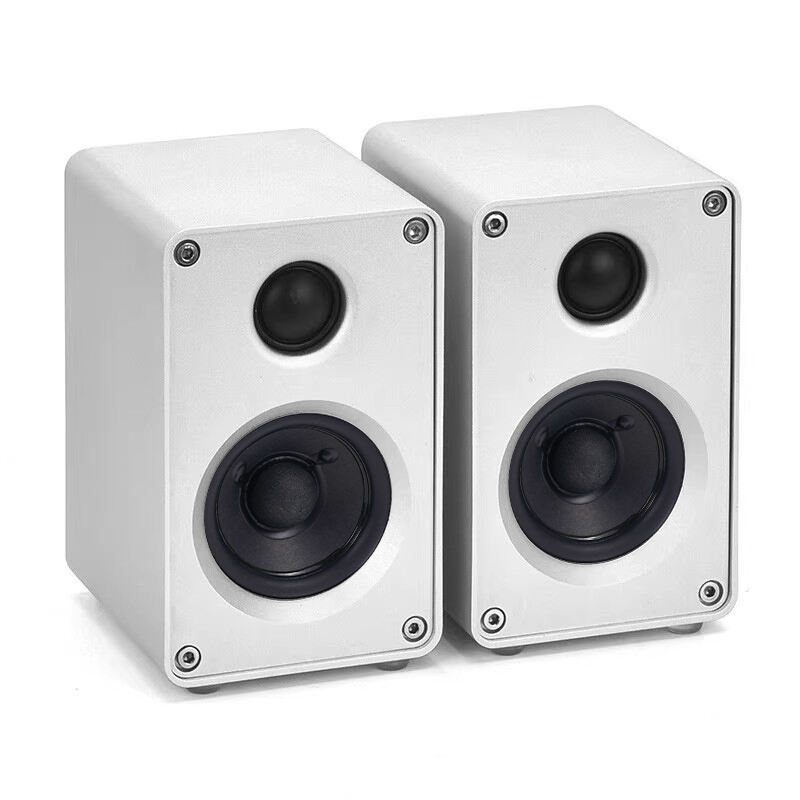
Class D stereo audio amplifiers have revolutionized the audio industry with their exceptional efficiency and compact design. These switching amplifiers utilize pulse width modulation technology to deliver high-quality sound reproduction while maintaining minimal power consumption and heat generation. Understanding the key comparison factors when selecting a class d stereo audio amplifier is essential for achieving optimal performance in your audio system. Modern class d stereo audio amplifier designs incorporate advanced digital signal processing, Bluetooth connectivity, and premium components that deliver professional-grade audio quality for both consumer and commercial applications.
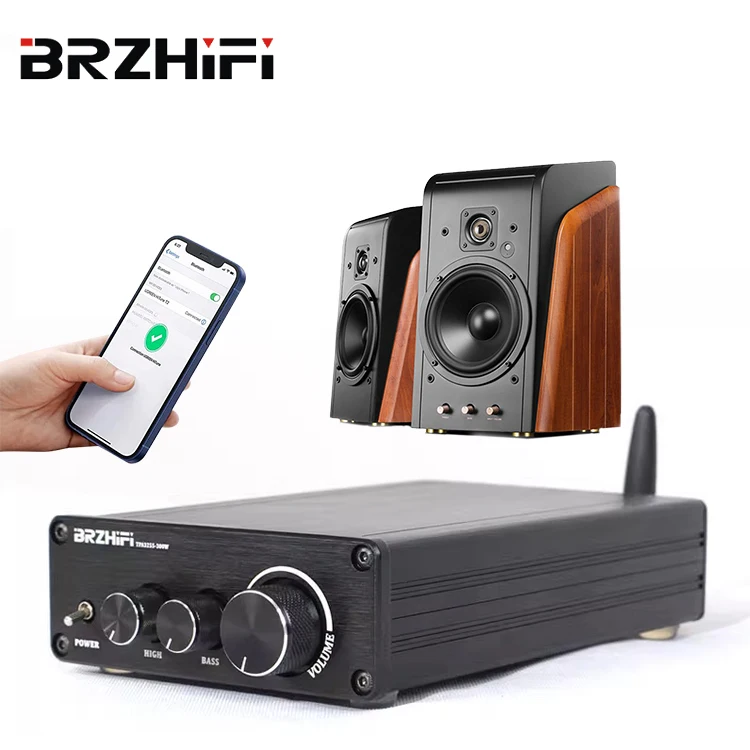
Power Output and Efficiency Specifications
Understanding RMS Power Ratings
The power output specification represents one of the most critical factors when evaluating any class d stereo audio amplifier. RMS (Root Mean Square) power ratings provide the most accurate measurement of continuous power delivery, unlike peak power specifications that only indicate maximum instantaneous output. Professional-grade amplifiers typically specify power output at specific impedance loads, commonly 4 ohms and 8 ohms, with higher current delivery capabilities at lower impedances. Quality class d stereo audio amplifier units should maintain their rated power output across the entire frequency spectrum without significant distortion or thermal throttling.
Efficiency Performance Metrics
Class D amplification technology achieves efficiency ratings exceeding 90%, significantly outperforming traditional Class A or Class AB designs. This exceptional efficiency translates to reduced power consumption, lower operating temperatures, and extended component lifespan. When comparing efficiency specifications, consider both idle power consumption and full-load efficiency ratings. Premium class d stereo audio amplifier models incorporate intelligent power management systems that optimize efficiency across varying load conditions, ensuring consistent performance while minimizing energy waste and heat generation.
Digital Signal Processing Features
Advanced Audio Codecs and Connectivity
Modern class d stereo audio amplifier designs integrate sophisticated digital signal processing capabilities, including support for high-resolution audio codecs such as LDAC, aptX, and AAC. These codecs enable wireless transmission of CD-quality and high-resolution audio streams with minimal compression artifacts. Bluetooth 5.4 connectivity provides enhanced range, stability, and lower latency compared to previous generations. Additionally, many amplifiers feature multiple digital input options including USB, optical, and coaxial connections for versatile source compatibility and optimal signal integrity.
Digital Crossover and Equalization
Digital signal processing enables precise crossover filtering, parametric equalization, and room correction capabilities within the amplifier itself. These features eliminate the need for external processors while providing superior accuracy compared to analog implementations. Advanced class d stereo audio amplifier models offer user-configurable DSP parameters through dedicated software applications, enabling fine-tuning of frequency response, time alignment, and dynamic range compression to match specific listening environments and speaker characteristics.
Component Quality and Build Construction
Premium Components and Materials
The internal components and build quality significantly impact the long-term reliability and sonic performance of any class d stereo audio amplifier. High-grade capacitors, precision resistors, and robust power supply designs ensure consistent performance under demanding conditions. Premium models utilize audiophile-grade components including low-ESR capacitors, metal film resistors, and custom-wound transformers that minimize noise and distortion. The PCB layout and component spacing also influence electromagnetic interference and thermal management, directly affecting overall audio quality and system reliability.
Thermal Management Systems
Effective thermal management prevents performance degradation and extends component lifespan in class d stereo audio amplifier applications. Quality amplifiers incorporate intelligent fan control systems, oversized heatsinks, and strategic ventilation designs that maintain optimal operating temperatures. Some premium models feature temperature monitoring with automatic protection circuits that prevent thermal damage during extended high-power operation. The chassis design and material selection also contribute to heat dissipation, with aluminum and steel constructions providing superior thermal conductivity compared to plastic alternatives.
Audio Performance Characteristics
Distortion and Signal-to-Noise Specifications
Total Harmonic Distortion (THD) and Signal-to-Noise Ratio (SNR) measurements provide objective indicators of audio quality in class d stereo audio amplifier designs. Premium amplifiers achieve THD ratings below 0.1% across the audible frequency range while maintaining SNR values exceeding 100dB. These specifications ensure transparent audio reproduction without audible artifacts or background noise. Additionally, consider intermodulation distortion and frequency response measurements that reveal the amplifier's ability to accurately reproduce complex musical passages and maintain tonal balance.
Dynamic Range and Headroom
Dynamic range capabilities determine how effectively a class d stereo audio amplifier can reproduce the contrast between quiet and loud passages in musical content. Adequate headroom ensures that transient peaks are reproduced without clipping or compression, maintaining the natural dynamics of live performances. Quality amplifiers provide at least 20dB of headroom above their continuous power rating, enabling clean reproduction of sudden volume changes and percussive elements. This capability is particularly important for classical music, jazz, and other genres with wide dynamic ranges.
Connectivity and Integration Options
Input Flexibility and Format Support
Versatile input options enhance the utility and integration potential of modern class d stereo audio amplifier systems. Multiple analog inputs accommodate various source components, while digital inputs support high-resolution audio formats including DSD, PCM up to 384kHz, and MQA decoding. USB inputs should support asynchronous operation for optimal jitter reduction and timing accuracy. Some amplifiers also include phono preamps for direct turntable connection, expanding compatibility with vinyl playback systems and reducing external component requirements.
Control and Automation Features
Advanced control options streamline operation and enable seamless integration with home automation systems. Remote control compatibility, smartphone applications, and network connectivity provide convenient access to volume, source selection, and DSP parameters. Many class d stereo audio amplifier models support popular control protocols including RS-232, IP control, and infrared learning capabilities. Trigger inputs and outputs enable automatic power sequencing and synchronized operation with other system components, enhancing user convenience and system reliability.
Value Proposition and Long-term Considerations
Price-to-Performance Analysis
Evaluating the price-to-performance ratio requires considering both initial investment and long-term operating costs. While premium class d stereo audio amplifier models command higher prices, their superior efficiency, build quality, and feature sets often justify the investment through reduced energy consumption and extended service life. Consider the total cost of ownership including potential repair costs, upgrade possibilities, and resale value. Budget-oriented options may sacrifice some features or build quality but can still deliver excellent performance for less demanding applications.
Manufacturer Support and Warranty Coverage
Comprehensive warranty coverage and responsive manufacturer support are crucial factors when investing in professional audio equipment. Reputable manufacturers typically provide multi-year warranties covering both parts and labor, demonstrating confidence in their product quality. Technical support availability, firmware updates, and parts availability also influence the long-term viability of class d stereo audio amplifier investments. Research manufacturer reputation, service network coverage, and user feedback before making final purchasing decisions to ensure reliable long-term support and service availability.
FAQ
What impedance loads can class d stereo audio amplifiers handle effectively
Most quality class d stereo audio amplifiers can drive speaker loads from 4 ohms to 8 ohms safely, with some models supporting 2-ohm loads for maximum power output. Lower impedance loads draw more current and generate additional heat, so ensure your amplifier is rated for your specific speaker impedance. Many amplifiers automatically adjust their output characteristics based on the connected load impedance for optimal performance and protection.
How do class d amplifiers compare to traditional analog designs in terms of sound quality
Modern class d stereo audio amplifier technology has largely eliminated the sonic differences that once distinguished switching amplifiers from linear designs. High-quality Class D amplifiers now achieve distortion levels and frequency response characteristics that rival or exceed traditional Class A and Class AB designs. The primary advantages include superior efficiency, reduced size and weight, and lower operating temperatures without compromising audio fidelity.
What digital audio formats are commonly supported by contemporary class d amplifiers
Current class d stereo audio amplifier models typically support PCM audio up to 24-bit/192kHz resolution, with premium units extending to 32-bit/384kHz capability. Many also decode DSD formats including DSD64, DSD128, and DSD256 for Super Audio CD compatibility. Wireless connectivity often includes aptX HD, LDAC, and other high-quality Bluetooth codecs for wireless streaming applications.
Do class d amplifiers require specific speaker matching or compatibility considerations
Class d stereo audio amplifier designs work effectively with virtually any passive speaker system within their impedance and power handling specifications. The low output impedance and high damping factor of quality Class D amplifiers actually provide superior speaker control compared to many traditional designs. However, ensure your amplifier's power output matches your speaker's handling capability and sensitivity requirements for optimal performance and safety.
Table of Contents
- Power Output and Efficiency Specifications
- Digital Signal Processing Features
- Component Quality and Build Construction
- Audio Performance Characteristics
- Connectivity and Integration Options
- Value Proposition and Long-term Considerations
-
FAQ
- What impedance loads can class d stereo audio amplifiers handle effectively
- How do class d amplifiers compare to traditional analog designs in terms of sound quality
- What digital audio formats are commonly supported by contemporary class d amplifiers
- Do class d amplifiers require specific speaker matching or compatibility considerations