
 EN
EN
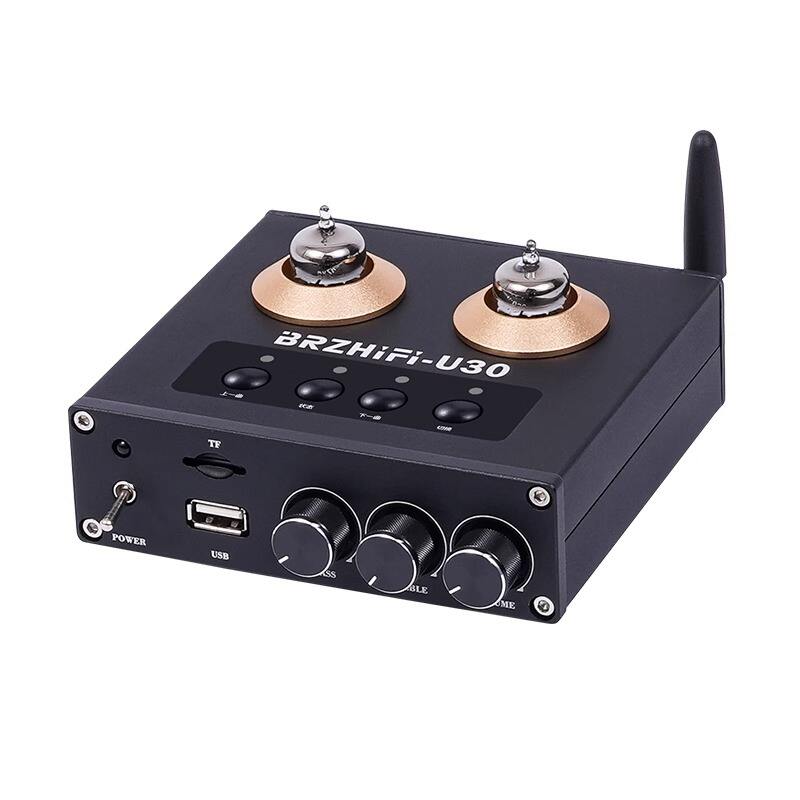
The evolution of audio technology has brought significant advancements in amplifier design, with the class d stereo audio amplifier emerging as a revolutionary solution for high-fidelity sound reproduction. These sophisticated devices utilize pulse-width modulation technology to deliver exceptional audio performance while maintaining remarkable energy efficiency. Unlike traditional analog amplifiers, a class d stereo audio amplifier converts audio signals into high-frequency switching patterns, enabling precise control over power delivery and minimizing heat generation. This innovative approach has transformed the landscape of professional and consumer audio equipment, making high-quality sound accessible across various applications and price points.
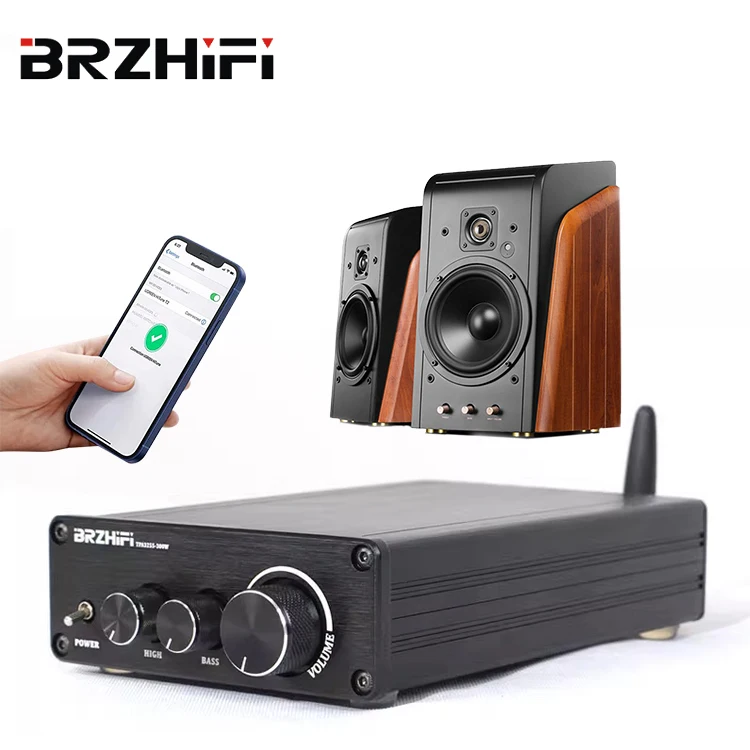
Understanding Class D Amplification Technology
Pulse Width Modulation Principles
The foundation of every class d stereo audio amplifier lies in its pulse-width modulation switching architecture. This technology converts continuous analog audio signals into digital switching patterns that rapidly alternate between fully on and fully off states. The switching frequency typically operates between 300 kHz and 1 MHz, far above the audible spectrum, ensuring that the modulation process remains transparent to listeners. During operation, the amplifier compares the input audio signal with a high-frequency triangular wave, generating a pulse train where the width of each pulse corresponds to the instantaneous amplitude of the audio signal.
The switching elements, usually MOSFET transistors, operate in either complete saturation or complete cutoff, eliminating the linear region where traditional amplifiers dissipate significant power as heat. This binary operation enables a class d stereo audio amplifier to achieve theoretical efficiency ratings exceeding 90%, compared to the 50-70% efficiency typical of Class AB designs. The precise timing and control of these switching events determine the amplifier's overall performance characteristics, including distortion levels, frequency response, and dynamic range.
Digital Signal Processing Integration
Modern class d stereo audio amplifier designs incorporate sophisticated digital signal processing capabilities that enhance audio quality and provide advanced features. These integrated DSP chips perform real-time corrections for phase alignment, crossover filtering, and dynamic range compression, optimizing the audio signal before it reaches the switching stage. The digital processing also enables features such as room correction, parametric equalization, and speaker protection algorithms that prevent damage from excessive power or thermal conditions.
The seamless integration of digital and analog domains within a class d stereo audio amplifier creates opportunities for innovative control interfaces and remote management capabilities. Many contemporary designs include wireless connectivity options, allowing users to adjust settings, monitor performance, and update firmware remotely. This convergence of digital processing and efficient amplification represents the cutting edge of audio technology, providing both exceptional sound quality and unprecedented flexibility in system configuration.
HiFi Audio Performance Characteristics
Frequency Response and Bandwidth
The frequency response of a well-designed class d stereo audio amplifier rivals that of traditional linear amplifiers, extending from subsonic frequencies below 20 Hz to well beyond 20 kHz. Advanced designs achieve flat response characteristics across the entire audible spectrum, with deviations typically limited to less than 0.5 dB. The high switching frequency employed in these amplifiers ensures that the carrier frequency and its harmonics remain far removed from the audio band, preventing interference with the desired signal content.
Bandwidth capabilities of premium class d stereo audio amplifier models often extend beyond 50 kHz, providing adequate headroom for high-resolution audio formats and ensuring accurate reproduction of transient events. The output filter design plays a crucial role in determining the amplifier's frequency characteristics, with carefully engineered LC networks removing switching artifacts while preserving signal integrity. Modern filter topologies utilize multiple poles and advanced damping techniques to minimize phase distortion and maintain linear phase response across the operating bandwidth.
Total Harmonic Distortion and Noise Performance
Contemporary class d stereo audio amplifier designs achieve remarkably low distortion levels, with total harmonic distortion plus noise (THD+N) measurements often below 0.01% across the majority of the power band. This exceptional linearity results from precise control of switching timing, advanced feedback topologies, and optimized PCB layout techniques that minimize parasitic effects. The switching nature of Class D operation eliminates many sources of distortion present in linear amplifiers, such as crossover distortion and thermal drift in output devices.
Noise performance represents another area where class d stereo audio amplifier technology excels, with signal-to-noise ratios exceeding 110 dB in high-end implementations. The digital switching operation inherently provides excellent rejection of power supply noise and external interference, while careful attention to grounding and shielding further improves noise performance. Advanced designs incorporate multiple feedback loops and noise-shaping techniques that push quantization noise and switching artifacts well above the audible frequency range.
Power Efficiency and Thermal Management
Energy Conservation Benefits
The exceptional efficiency of a class d stereo audio amplifier translates directly into reduced power consumption and lower operating costs, particularly important in professional installations and battery-powered applications. While traditional Class AB amplifiers typically achieve 50-60% efficiency at moderate power levels, a well-designed class d stereo audio amplifier maintains efficiency above 85% even at high output levels. This efficiency advantage becomes increasingly significant as power requirements increase, making Class D technology the preferred choice for high-power applications such as subwoofer amplification and large-scale sound reinforcement systems.
The reduced power consumption of class d stereo audio amplifier designs contributes to environmental sustainability and enables new form factors previously impractical with linear amplification. Portable and battery-powered audio devices benefit enormously from this efficiency, achieving extended operating times without sacrificing audio quality. The lower power draw also reduces stress on power supply components, potentially improving long-term reliability and reducing maintenance requirements in professional installations.
Heat Dissipation and Cooling Requirements
The minimal heat generation of a class d stereo audio amplifier eliminates the need for large heat sinks and active cooling systems required by traditional linear designs. The switching operation keeps the output transistors either fully on or fully off, avoiding the linear region where significant power dissipation occurs. This characteristic enables extremely compact form factors and reduces the overall weight of amplifier systems, crucial advantages in portable and space-constrained applications.
Thermal management in class d stereo audio amplifier designs focuses primarily on the output filter components and power supply elements rather than the switching devices themselves. The reduced thermal stress improves component longevity and maintains stable performance across varying ambient temperatures. Modern designs often incorporate intelligent thermal monitoring and protection systems that adjust output power dynamically to prevent overheating, ensuring reliable operation even under demanding conditions.
Applications in Modern Audio Systems
Home Theater and Consumer Electronics
The compact size and high efficiency of class d stereo audio amplifier technology make it ideal for integration into modern home theater receivers and soundbars. These applications demand multiple channels of amplification in space-constrained chassis, where the reduced heat generation and power consumption of Class D designs provide significant advantages. The excellent audio performance characteristics ensure that these amplifiers can reproduce the dynamic range and frequency response required for movie soundtracks and music playback with exceptional fidelity.
Wireless speaker systems represent another area where class d stereo audio amplifier technology has found widespread adoption. The efficiency benefits directly translate to extended battery life, while the compact form factor enables sleek industrial designs that appeal to consumers. Advanced features such as digital signal processing and wireless connectivity integrate seamlessly with the Class D architecture, creating sophisticated audio products that combine convenience with high-quality sound reproduction.
Professional Audio and Sound Reinforcement
Professional sound reinforcement systems increasingly rely on class d stereo audio amplifier technology to deliver high power levels while maintaining portability and reliability. The efficiency advantages become particularly pronounced in high-power applications, where a class d stereo audio amplifier can deliver thousands of watts while generating minimal heat. This characteristic reduces cooling requirements and enables lighter, more portable amplifier systems that simplify setup and transportation for touring applications.
The rapid response characteristics of class d stereo audio amplifier designs make them particularly well-suited for driving compression drivers and other transducers requiring precise control of transient events. Professional applications also benefit from the advanced protection and monitoring capabilities typically integrated into these amplifiers, including thermal protection, overcurrent limiting, and load monitoring functions that prevent damage to both the amplifier and connected speakers.
Technical Considerations and Implementation
Output Filter Design and Speaker Compatibility
The output filter represents a critical component in any class d stereo audio amplifier design, serving to remove switching frequency content while preserving the audio signal. Proper filter design requires careful balancing of cutoff frequency, damping characteristics, and component tolerances to achieve optimal performance. The filter must provide adequate attenuation of switching harmonics while maintaining low insertion loss and minimal phase distortion across the audio band.
Speaker compatibility considerations for a class d stereo audio amplifier include impedance matching, reactive load handling, and cable length limitations. The switching output stage can interact with capacitive loads and long speaker cables, potentially causing instability or reduced efficiency. Modern designs incorporate compensation techniques and adaptive feedback systems that maintain stable operation across a wide range of load conditions, ensuring reliable performance with various speaker types and cable configurations.
EMI Considerations and Regulatory Compliance
The high-frequency switching operation of a class d stereo audio amplifier generates electromagnetic interference that requires careful management to meet regulatory requirements. Proper PCB layout, shielding techniques, and filtering are essential to minimize radiated and conducted emissions. The switching frequency selection plays a crucial role in EMI management, with many designs utilizing spread spectrum techniques to distribute the switching energy across a broader frequency range.
Compliance with international EMC standards requires comprehensive testing and design optimization throughout the development process of a class d stereo audio amplifier. Effective EMI mitigation strategies include proper grounding techniques, strategic component placement, and the use of specialized EMI filters at both input and output connections. These considerations are particularly important in professional applications where multiple amplifiers may operate in close proximity, potentially creating interference between systems.
FAQ
What makes a class d stereo audio amplifier more efficient than traditional amplifiers?
A class d stereo audio amplifier achieves superior efficiency through its switching operation, where output transistors operate either fully on or fully off, avoiding the linear region where traditional amplifiers dissipate significant power as heat. This switching approach typically achieves efficiency ratings above 85%, compared to 50-60% for Class AB designs, resulting in reduced power consumption and minimal heat generation.
Can a class d stereo audio amplifier match the sound quality of linear amplifiers?
Modern class d stereo audio amplifier designs deliver sound quality that equals or exceeds traditional linear amplifiers, with total harmonic distortion levels below 0.01% and signal-to-noise ratios exceeding 110 dB. Advanced feedback topologies, precise switching control, and sophisticated output filtering ensure transparent audio reproduction across the entire frequency spectrum.
What are the main applications where class d stereo audio amplifier technology excels?
Class d stereo audio amplifier technology excels in applications requiring high efficiency, compact size, or high power output, including home theater systems, wireless speakers, professional sound reinforcement, and automotive audio. The reduced heat generation and power consumption make these amplifiers ideal for battery-powered devices and space-constrained installations.
Are there any limitations or disadvantages to class d stereo audio amplifier designs?
While class d stereo audio amplifier technology offers numerous advantages, considerations include the need for proper output filtering, potential EMI generation, and sensitivity to reactive loads. However, modern designs incorporate sophisticated solutions to address these challenges, including adaptive feedback systems, spread spectrum switching, and comprehensive protection circuits that ensure reliable operation across diverse applications.
Table of Contents
- Understanding Class D Amplification Technology
- HiFi Audio Performance Characteristics
- Power Efficiency and Thermal Management
- Applications in Modern Audio Systems
- Technical Considerations and Implementation
-
FAQ
- What makes a class d stereo audio amplifier more efficient than traditional amplifiers?
- Can a class d stereo audio amplifier match the sound quality of linear amplifiers?
- What are the main applications where class d stereo audio amplifier technology excels?
- Are there any limitations or disadvantages to class d stereo audio amplifier designs?