
 EN
EN

Modern manufacturing facilities face increasing pressure to optimize operational efficiency while maintaining high-quality audio systems for communication, alerts, and environmental control. The integration of advanced audio amplification technology has become a critical factor in achieving these goals. Manufacturing environments require robust, energy-efficient solutions that can deliver consistent performance across extended operating periods. A class d power amplifier module represents a significant advancement in industrial audio technology, offering manufacturers the opportunity to enhance their operational efficiency through improved power management and superior audio performance.
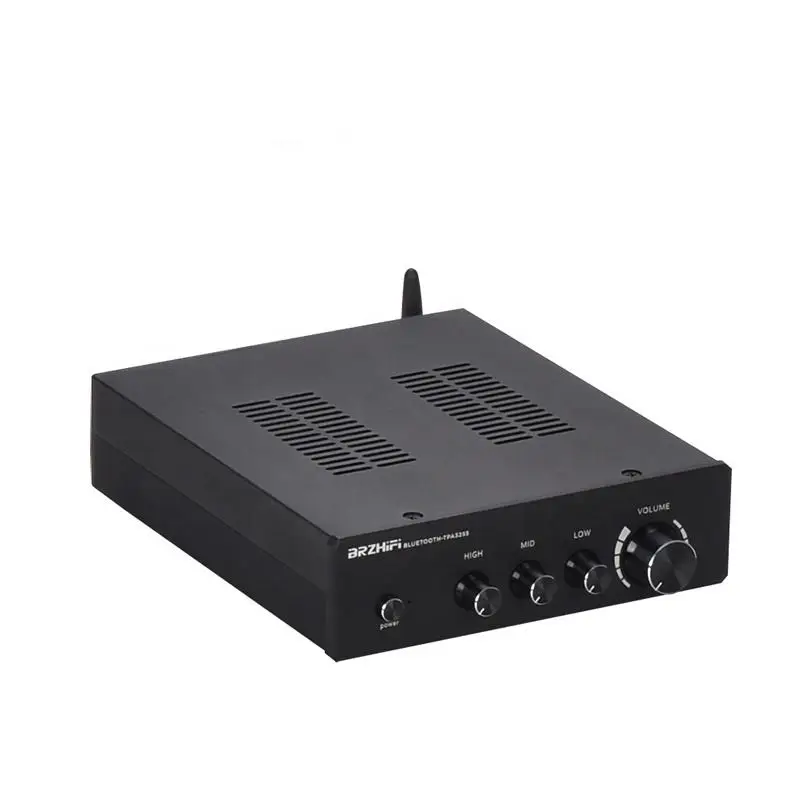
Industrial applications demand amplification solutions that combine exceptional efficiency with reliable performance. The evolution of amplifier technology has led to breakthrough innovations that directly impact manufacturing productivity. These advanced systems reduce energy consumption while delivering superior audio clarity, making them ideal for industrial environments where both performance and cost-effectiveness are paramount. Understanding the specific advantages of modern amplifier modules helps manufacturers make informed decisions about their audio infrastructure investments.
Understanding Class D Amplifier Technology in Manufacturing
Fundamental Operating Principles
The class d power amplifier module operates on a fundamentally different principle compared to traditional linear amplifiers. This switching amplifier technology converts analog audio signals into high-frequency pulse-width modulated signals, which are then amplified using highly efficient switching transistors. The process results in significantly reduced heat generation and power consumption, making it particularly suitable for continuous industrial operations where energy efficiency is crucial.
Manufacturing environments benefit from this technology because the switching operation allows the amplifier to achieve efficiency ratings exceeding 90 percent, compared to the 60-70 percent efficiency typical of conventional amplifiers. This improvement translates directly into reduced operating costs and lower cooling requirements, which are essential considerations for large-scale manufacturing facilities that operate equipment continuously.
Integration Benefits for Industrial Systems
The compact design of a class d power amplifier module enables seamless integration into existing manufacturing systems without requiring significant infrastructure modifications. These modules typically feature smaller form factors and lighter weights compared to traditional amplifiers, allowing for flexible installation options within space-constrained industrial environments. The reduced size also facilitates easier maintenance and replacement procedures, minimizing system downtime.
Industrial facilities particularly value the thermal management advantages offered by these advanced amplifier modules. The reduced heat generation eliminates the need for extensive cooling systems, which not only reduces installation costs but also decreases ongoing energy consumption. This thermal efficiency becomes especially important in manufacturing environments where ambient temperatures may already be elevated due to production processes.
Energy Efficiency Improvements in Manufacturing Operations
Power Consumption Optimization
Energy efficiency represents one of the most significant advantages when implementing a class d power amplifier module in manufacturing settings. These advanced systems consume substantially less power during both active operation and standby modes, contributing to overall facility energy reduction goals. Manufacturing facilities often operate audio systems continuously for safety announcements, process monitoring, and communication purposes, making power efficiency a critical factor in operational cost management.
The switching technology inherent in these amplifier modules results in minimal power wastage through heat dissipation. Traditional amplifiers convert unused power into heat, requiring additional cooling systems and increasing overall energy consumption. In contrast, the efficient design of modern amplifier modules ensures that nearly all consumed power contributes directly to audio output, maximizing the return on energy investment for manufacturing operations.
Operational Cost Reduction
Manufacturing facilities implementing advanced amplifier technology typically experience significant reductions in operational costs through multiple channels. The primary savings come from reduced electricity consumption, which can represent substantial cost reductions over time, especially in facilities with extensive audio system requirements. Additionally, the reduced heat generation minimizes air conditioning loads, further contributing to energy savings.
Maintenance costs also decrease significantly when using a class d power amplifier module due to the inherent reliability of switching amplifier technology. The absence of heat-generating components reduces component stress and extends operational lifespan, resulting in fewer replacement cycles and reduced maintenance interventions. This reliability translates into improved manufacturing uptime and reduced disruption to production processes.
Performance Enhancement Through Advanced Amplification
Audio Quality and Clarity
Manufacturing environments often present challenging acoustic conditions that require superior audio amplification to ensure clear communication and effective alert systems. The class d power amplifier module delivers exceptional audio quality with low distortion characteristics, ensuring that critical announcements and safety alerts remain intelligible even in noisy production environments. This clarity improvement directly impacts operational safety and communication effectiveness.
The advanced signal processing capabilities of modern amplifier modules provide consistent audio performance across varying load conditions and environmental factors. Manufacturing facilities benefit from this stability because it ensures reliable communication systems regardless of ambient noise levels or operational variations. The superior dynamic range and frequency response characteristics contribute to more effective audio coverage throughout large manufacturing spaces.
System Reliability and Durability
Industrial applications demand amplification solutions that can withstand harsh operating conditions while maintaining consistent performance over extended periods. The robust design of a class d power amplifier module incorporates advanced protection circuits and thermal management features that ensure reliable operation in challenging manufacturing environments. These systems typically include overcurrent protection, thermal shutdown capabilities, and short-circuit protection to prevent damage from electrical anomalies.
The solid-state design eliminates mechanical wear components, significantly extending operational lifespan compared to traditional amplifier technologies. Manufacturing facilities particularly benefit from this durability because it reduces the frequency of system maintenance and replacement activities, minimizing disruption to production schedules and reducing long-term operational costs.
Installation and Integration Considerations
System Planning and Design
Successful implementation of advanced amplifier technology in manufacturing environments requires careful planning to maximize efficiency benefits and ensure optimal performance. The compact form factor of a class d power amplifier module provides flexibility in installation locations, allowing system designers to optimize placement for both performance and accessibility. Manufacturing facilities should consider factors such as ambient temperature, ventilation requirements, and proximity to audio distribution points when planning installations.
Integration planning should also account for the reduced power and cooling requirements of modern amplifier modules, which may allow for simplified electrical infrastructure compared to traditional systems. The lower power consumption enables the use of smaller electrical circuits and reduced cooling capacity, potentially resulting in installation cost savings and simplified system architecture.
Compatibility and Scalability
Manufacturing facilities often require scalable audio solutions that can adapt to changing operational needs and facility expansions. The modular design characteristics of advanced amplifier systems facilitate easy system expansion and modification without requiring complete infrastructure replacement. A class d power amplifier module typically offers standardized connection interfaces and control protocols that ensure compatibility with existing audio distribution systems and future technology upgrades.
The digital control capabilities of modern amplifier modules enable integration with facility management systems and automated control networks. This connectivity allows for remote monitoring, automated adjustment, and centralized control of audio systems across large manufacturing facilities, contributing to improved operational efficiency and reduced management overhead.
Maintenance and Lifecycle Management
Preventive Maintenance Strategies
The reliable operation of a class d power amplifier module in manufacturing environments depends on implementing appropriate maintenance strategies that account for the unique characteristics of switching amplifier technology. These systems require minimal routine maintenance compared to traditional amplifiers due to their solid-state design and efficient thermal management. However, regular inspection of connections, ventilation paths, and protection circuit functionality ensures optimal long-term performance.
Manufacturing facilities should establish maintenance schedules that align with production downtime to minimize operational disruption. The quick-disconnect features and modular design of advanced amplifier systems facilitate rapid maintenance procedures, allowing for efficient system servicing during scheduled maintenance windows. This approach ensures continued operational efficiency while maintaining system reliability.
Performance Monitoring and Optimization
Continuous performance monitoring capabilities built into modern amplifier modules provide valuable insights into system operation and efficiency trends. Manufacturing facilities can leverage these monitoring features to identify optimization opportunities and predict maintenance requirements before system performance degrades. The digital interface capabilities enable integration with facility monitoring systems for centralized oversight and automated alerting.
Regular performance assessment helps manufacturing facilities maximize the efficiency benefits of their amplifier investments. Monitoring power consumption patterns, thermal performance, and audio quality metrics provides data-driven insights for system optimization and helps identify opportunities for further efficiency improvements through configuration adjustments or operational modifications.
Future Developments and Technology Trends
Emerging Technologies and Innovations
The continued evolution of amplifier technology promises additional efficiency improvements and enhanced capabilities for manufacturing applications. Emerging developments in semiconductor technology and digital signal processing are enabling even higher efficiency ratings and more sophisticated control features in class d power amplifier module designs. These advances will further improve the value proposition for manufacturing facilities seeking to optimize their audio infrastructure investments.
Integration with Internet of Things technologies and artificial intelligence systems represents a significant trend in industrial audio applications. Future amplifier modules may incorporate predictive maintenance capabilities, automated performance optimization, and seamless integration with smart manufacturing systems. These developments will enable manufacturing facilities to achieve even greater efficiency improvements and operational optimization through intelligent audio system management.
Industry Standards and Compliance
The manufacturing industry continues to develop more stringent energy efficiency standards and environmental compliance requirements that favor advanced amplifier technologies. The superior efficiency characteristics of a class d power amplifier module position these systems advantageously for meeting future regulatory requirements and sustainability goals. Manufacturing facilities implementing these technologies today are better positioned to meet evolving compliance standards without requiring system replacements.
Industry standardization efforts are also improving interoperability and reducing integration complexity for advanced amplifier systems. These standards facilitate easier system upgrades, improve vendor flexibility, and reduce long-term support costs for manufacturing facilities. The alignment with industry standards ensures that investments in modern amplifier technology remain viable and supportable over extended operational periods.
FAQ
What are the main efficiency advantages of using a class d power amplifier module in manufacturing
The primary efficiency advantages include significantly reduced power consumption with efficiency ratings exceeding 90 percent, minimal heat generation that reduces cooling requirements, compact design enabling flexible installation options, and lower operational costs through reduced energy consumption and maintenance requirements. These benefits directly translate to improved manufacturing operational efficiency and reduced overhead costs.
How does switching amplifier technology improve reliability in industrial environments
Switching amplifier technology improves reliability through solid-state design that eliminates mechanical wear components, advanced protection circuits including overcurrent and thermal shutdown features, reduced thermal stress on components due to high efficiency operation, and robust construction designed to withstand harsh industrial conditions. This results in extended operational lifespan and reduced maintenance interventions.
What installation considerations are important for manufacturing facility implementations
Key installation considerations include proper ventilation planning despite reduced heat generation, strategic placement for optimal audio coverage and maintenance accessibility, integration with existing electrical infrastructure taking advantage of lower power requirements, compatibility with facility management and control systems, and scalability planning for future expansion needs. Proper planning ensures maximum efficiency benefits and optimal system performance.
How do modern amplifier modules integrate with manufacturing facility management systems
Modern amplifier modules integrate through standardized digital interfaces and communication protocols that enable remote monitoring and control, automated performance adjustment based on operational conditions, centralized system management across large facilities, and integration with predictive maintenance systems. This connectivity enhances operational efficiency and reduces management overhead while providing valuable performance insights for continuous optimization.
Table of Contents
- Understanding Class D Amplifier Technology in Manufacturing
- Energy Efficiency Improvements in Manufacturing Operations
- Performance Enhancement Through Advanced Amplification
- Installation and Integration Considerations
- Maintenance and Lifecycle Management
- Future Developments and Technology Trends
-
FAQ
- What are the main efficiency advantages of using a class d power amplifier module in manufacturing
- How does switching amplifier technology improve reliability in industrial environments
- What installation considerations are important for manufacturing facility implementations
- How do modern amplifier modules integrate with manufacturing facility management systems