
 EN
EN
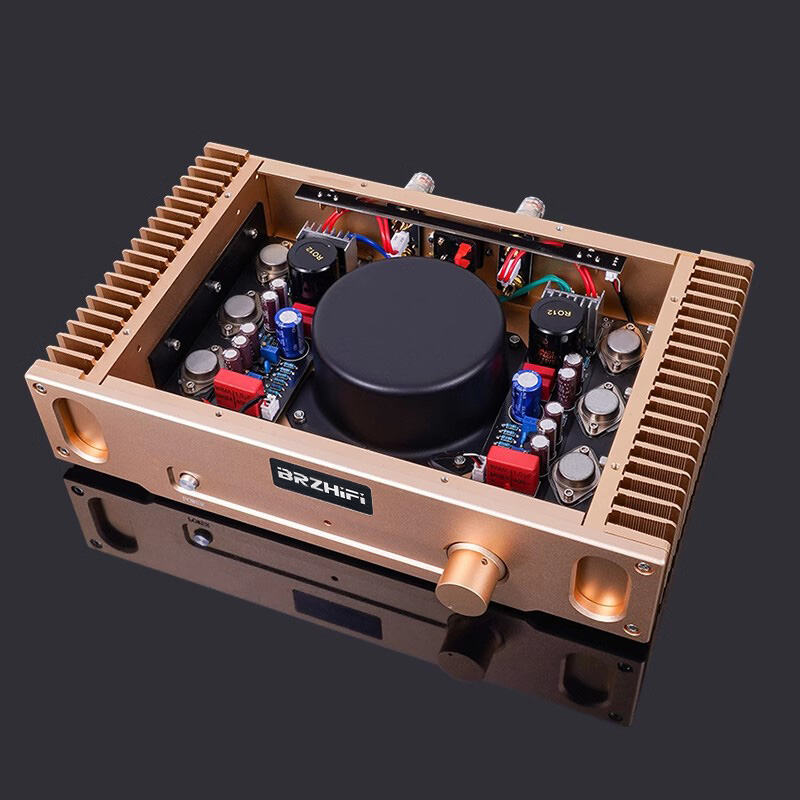
Before integrating a type ab amplifier into your audio system, comprehensive evaluation ensures optimal performance and prevents costly installation mistakes. Class AB power amplifiers represent a sophisticated balance between efficiency and audio fidelity, making them popular choices for both professional and home audio applications. Understanding the critical checkpoints before deployment protects your investment and guarantees the exceptional sound quality these amplifiers are designed to deliver.
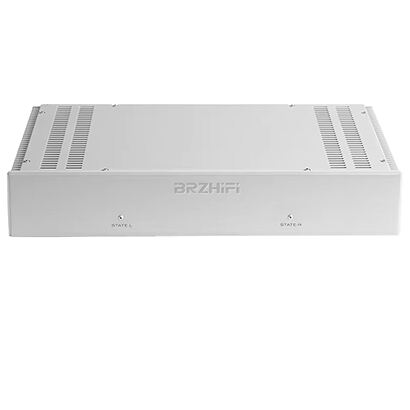
The verification process involves multiple technical aspects that directly impact amplifier longevity and performance characteristics. Power supply compatibility, thermal management requirements, and impedance matching considerations form the foundation of successful type ab amplifier implementation. These preliminary assessments prevent component damage and ensure seamless integration with existing audio equipment configurations.
Power Supply Specifications and Requirements
Voltage and Current Capacity Assessment
Power supply evaluation begins with confirming voltage requirements match your available electrical infrastructure. Type ab amplifier designs typically operate within specific voltage ranges that must align with your facility's power distribution capabilities. Insufficient voltage supply leads to reduced output power and potential distortion, while excessive voltage can damage sensitive internal components permanently.
Current capacity represents another critical parameter requiring careful verification before installation. High-power type ab amplifier configurations demand substantial current draw during peak operation, necessitating adequate power supply headroom. Calculate total current requirements by examining amplifier specifications and adding safety margins for dynamic loading conditions that occur during normal operation.
Power Quality and Stability Considerations
Electrical noise and voltage fluctuations significantly impact amplifier performance, making power quality assessment essential before deployment. Clean power supplies minimize interference and ensure consistent operation across varying load conditions. Type ab amplifier circuits are particularly sensitive to power supply ripple and regulation, which can introduce audible artifacts into the audio signal path.
Grounding infrastructure requires careful evaluation to prevent ground loops and electrical interference. Proper grounding techniques protect both equipment and operators while maintaining signal integrity throughout the audio chain. Inadequate grounding compromises safety and introduces unwanted noise that degrades overall system performance significantly.
Thermal Management and Cooling Requirements
Heat Dissipation Planning
Thermal management directly affects type ab amplifier reliability and operational lifespan, making cooling assessment a critical pre-installation requirement. These amplifiers generate substantial heat during operation, particularly when driving low-impedance loads or operating at high power levels. Inadequate cooling leads to thermal shutdown, reduced performance, and potential component failure over extended operation periods.
Ambient temperature conditions within the installation environment influence cooling requirements and overall amplifier performance. High ambient temperatures reduce available thermal headroom and may necessitate additional ventilation or active cooling solutions. Environmental assessment ensures optimal operating conditions and prevents premature component degradation due to excessive heat exposure.
Ventilation and Airflow Design
Proper airflow design facilitates effective heat removal and maintains stable operating temperatures during extended use. Type ab amplifier installations require adequate clearance around ventilation openings to ensure unobstructed air circulation. Blocked ventilation paths create hot spots that compromise reliability and trigger protective shutdown mechanisms during normal operation.
Fan noise considerations become important in quiet listening environments where mechanical cooling sounds might interfere with audio enjoyment. Balancing cooling effectiveness with acoustic requirements often involves selecting appropriate fan speeds and implementing noise-dampening techniques. Strategic placement and orientation optimize cooling efficiency while minimizing audible interference from ventilation systems.
Load Impedance and Speaker Compatibility
Impedance Matching Verification
Speaker impedance compatibility represents a fundamental requirement for safe and effective type ab amplifier operation. Mismatched impedances can result in reduced power output, increased distortion, or catastrophic amplifier failure. Verify that connected speaker loads fall within the amplifier's specified impedance range to ensure optimal performance and component protection.
Multiple speaker configurations require careful impedance calculations to determine the total load presented to the amplifier. Series and parallel wiring arrangements create different impedance values that must remain within acceptable limits. Complex speaker arrays demand thorough analysis to prevent overloading and ensure even power distribution across all connected drivers.
Power Handling and Driver Protection
Speaker power handling capabilities must exceed the type ab amplifier's maximum output to prevent driver damage during peak operation. Conservative power matching provides adequate headroom for dynamic content while protecting valuable transducers from overcurrent conditions. Insufficient speaker power ratings lead to thermal damage and permanent driver failure during normal listening levels.
Protection circuit verification ensures that both amplifier and speakers remain safe during fault conditions or accidental overload situations. Modern type ab amplifier designs incorporate various protection mechanisms including current limiting, thermal shutdown, and DC offset detection. Understanding these protective features helps prevent damage and maintains system reliability throughout the operational lifespan.
Signal Input Configuration and Compatibility
Input Sensitivity and Gain Structure
Input sensitivity settings determine the signal level required to drive the type ab amplifier to full output power. Proper gain structure prevents distortion while ensuring adequate signal-to-noise ratio throughout the audio chain. Mismatched sensitivity levels result in either insufficient output or unwanted distortion that compromises audio quality significantly.
Source equipment compatibility requires verification of output levels and impedance characteristics to ensure proper signal transfer. Different source types produce varying output levels that must align with amplifier input requirements. Professional audio sources typically provide higher output levels compared to consumer equipment, necessitating appropriate level matching for optimal performance.
Connection Standards and Signal Integrity
Cable quality and connection standards directly impact signal integrity and overall system performance. High-quality interconnects minimize signal degradation and prevent interference that can affect type ab amplifier operation. Proper shielding and conductor materials ensure clean signal transmission even in electrically noisy environments.
Balanced versus unbalanced signal routing considerations affect noise immunity and maximum cable run lengths. Professional installations often benefit from balanced connections that provide superior common-mode noise rejection. Understanding connection requirements helps optimize signal quality and prevents compatibility issues during system integration and operation.
Installation Environment Assessment
Physical Space and Mounting Requirements
Physical installation space must accommodate the type ab amplifier dimensions while providing adequate access for maintenance and operation. Rack mounting installations require proper rail alignment and weight distribution to prevent mechanical stress. Freestanding configurations need stable surfaces that can support the amplifier weight without vibration transmission.
Accessibility for controls, connections, and maintenance procedures influences installation planning and long-term serviceability. Frequently adjusted controls should remain easily accessible, while connection points require sufficient clearance for cable routing and future modifications. Strategic placement facilitates efficient operation and simplifies routine maintenance procedures.
Environmental Conditions and Protection
Humidity levels and environmental contaminants can affect type ab amplifier reliability and operational characteristics over extended periods. Excessive moisture leads to corrosion and electrical leakage, while airborne particles can obstruct cooling systems and degrade performance. Environmental protection measures preserve equipment integrity and maintain consistent operation across varying conditions.
Vibration isolation prevents mechanical resonance that can introduce noise and affect sensitive circuitry within the amplifier. Solid mounting and vibration dampening techniques minimize external influences that might compromise audio quality. Proper isolation also protects against physical damage from external vibration sources in the installation environment.
Safety and Compliance Considerations
Electrical Safety Standards
Electrical safety compliance ensures operator protection and meets regulatory requirements for professional audio installations. Type ab amplifier installations must adhere to local electrical codes and safety standards that govern power distribution and grounding practices. Proper safety measures prevent electrical hazards and ensure reliable long-term operation.
Circuit protection devices including fuses and circuit breakers must match amplifier specifications to provide adequate protection without nuisance tripping. Oversized protection devices fail to protect equipment during fault conditions, while undersized devices cause unnecessary shutdowns during normal operation. Proper protection sizing maintains safety while ensuring reliable performance.
Regulatory Compliance and Certification
EMI and RFI compliance prevents interference with other electronic equipment and ensures the type ab amplifier operates within electromagnetic compatibility requirements. Regulatory certifications demonstrate compliance with applicable standards and facilitate installation in commercial and professional environments. Understanding certification requirements helps avoid compliance issues and ensures trouble-free operation.
Documentation and labeling requirements vary by installation type and local regulations, making proper record-keeping essential for compliance verification. Installation documentation provides valuable reference information for future maintenance and modifications. Comprehensive records facilitate troubleshooting and ensure compliance with applicable safety and performance standards throughout the operational lifespan.
FAQ
What voltage requirements should I verify before installing a type ab amplifier
Voltage requirements depend on the specific amplifier model and power rating, typically ranging from 110V to 240V for different configurations. Always check the manufacturer specifications for exact voltage requirements and ensure your electrical supply matches these specifications. Incorrect voltage can damage the amplifier or result in poor performance, so verification is essential before connection.
How do I determine if my speakers are compatible with a type ab amplifier
Speaker compatibility involves checking impedance ratings and power handling capabilities against the amplifier specifications. The speaker impedance should fall within the amplifier's rated load range, typically 4, 8, or 16 ohms. Additionally, speaker power handling should meet or exceed the amplifier's maximum output to prevent driver damage during operation.
What cooling considerations are necessary for type ab amplifier installations
Type ab amplifier installations require adequate ventilation and clearance around cooling vents to prevent overheating. Ensure minimum clearance distances specified by the manufacturer are maintained, and consider ambient temperature conditions in the installation environment. High-power applications may require additional cooling solutions such as ventilation fans or air conditioning.
How can I ensure proper grounding for my type ab amplifier system
Proper grounding involves connecting the amplifier chassis to a reliable earth ground using appropriate gauge wire and secure connections. All system components should share a common ground reference to prevent ground loops and electrical interference. Consult local electrical codes and consider professional installation for complex grounding requirements to ensure safety and optimal performance.