
 EN
EN
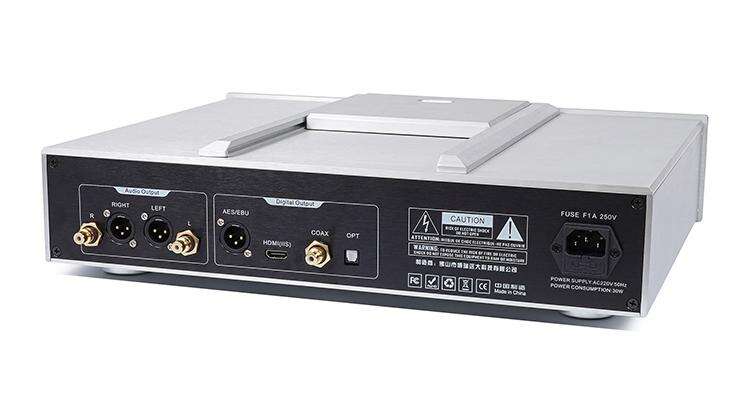
The world of audio amplification presents enthusiasts with two distinct paths: building a diy class ab amplifier kit or purchasing a ready-made finished amplifier. This fundamental decision shapes not only your listening experience but also your journey into high-fidelity audio reproduction. Understanding the key differences between these approaches helps audiophiles make informed choices that align with their technical skills, budget constraints, and sonic preferences. Class AB amplifier technology represents a balanced compromise between the efficiency of Class B and the linearity of Class A designs, making both kit and finished options attractive to serious audio enthusiasts. Whether you're drawn to the hands-on experience of assembling your own amplifier or prefer the convenience of a professionally manufactured unit, each path offers unique advantages worth exploring.
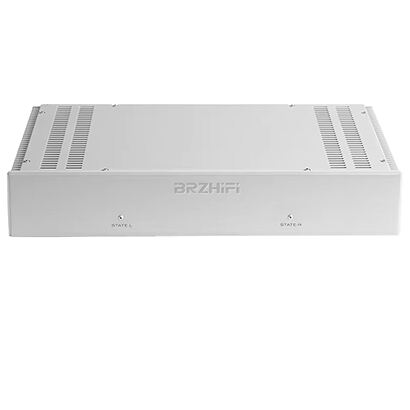
Understanding Class AB Amplifier Technology
Operating Principles and Design Philosophy
Class AB amplifier architecture combines the best characteristics of Class A and Class B topologies, creating a design that balances sound quality with practical efficiency. In a typical diy class ab amplifier kit, the output transistors conduct for more than half of the input signal cycle but less than the full cycle, reducing the crossover distortion inherent in pure Class B designs. This operating principle ensures that small signals receive Class A treatment for maximum linearity, while larger signals benefit from the improved efficiency of Class B operation. The bias point in Class AB amplifiers is carefully set to maintain conduction overlap between complementary output devices, eliminating the dead zone that can cause harsh distortion. Modern diy class ab amplifier kit designs often incorporate sophisticated bias control circuits that maintain optimal operating points across varying temperature and load conditions.
Circuit Topology and Component Selection
The circuit topology of Class AB amplifiers typically features differential input stages, voltage amplification sections, and complementary output stages working in harmony to deliver clean amplification. High-quality diy class ab amplifier kit packages include carefully matched transistors, precision resistors, and audiophile-grade capacitors selected for their sonic characteristics and long-term stability. The power supply design plays a crucial role in overall performance, with many kits featuring oversized transformers, substantial filter capacitance, and regulated supply rails to ensure stable operation under dynamic conditions. Component selection in these kits often reflects decades of engineering refinement, with manufacturers choosing parts that optimize both measurable performance and subjective sound quality. The layout and grounding schemes in professional kit designs minimize noise and interference while maximizing signal integrity throughout the amplification chain.
DIY Kit Assembly Process and Learning Experience
Technical Skills Development
Building a diy class ab amplifier kit provides an invaluable educational experience that deepens understanding of electronic principles and audio circuit design. The assembly process requires developing soldering skills, component identification abilities, and circuit board navigation techniques that serve builders throughout their electronics journey. Each connection made during kit construction reinforces theoretical knowledge with practical application, creating lasting comprehension of how amplifier circuits function at the component level. Troubleshooting skills naturally develop as builders work through assembly challenges, learning to use multimeters, oscilloscopes, and other test equipment to verify proper circuit operation. The methodical approach required for successful kit assembly cultivates patience and attention to detail that benefits all future electronics projects. Many builders find that completing their first diy class ab amplifier kit ignites a passion for electronics that extends far beyond audio applications.
Customization Opportunities and Modifications
One significant advantage of choosing a diy class ab amplifier kit over a finished unit lies in the extensive customization possibilities available to builders. Component upgrades become straightforward when you understand the circuit topology and have direct access to all parts during assembly. Builders can substitute premium capacitors, upgrade output transistors, or implement modified bias schemes to tailor the amplifier's sonic character to their preferences. The learning process involved in kit construction provides the foundation knowledge necessary to make informed upgrade decisions and understand their sonic implications. Advanced builders often use their initial kit as a platform for experimenting with different circuit modifications, creating unique amplifiers that reflect their personal audio philosophy. This customization potential ensures that a well-designed diy class ab amplifier kit can evolve with the builder's growing expertise and changing preferences over time.
Finished Amplifier Advantages and Professional Manufacturing
Quality Control and Manufacturing Precision
Professionally manufactured finished amplifiers benefit from industrial-grade quality control processes that ensure consistent performance across production runs. Factory assembly utilizes precision automated equipment for component placement and soldering, achieving reliability levels that can be challenging to match in home workshop environments. Each finished amplifier undergoes comprehensive testing procedures that verify proper operation across the full range of operating conditions before leaving the factory. Professional manufacturers maintain strict component sourcing standards and qualification processes that ensure parts meet specified performance criteria and long-term reliability requirements. The economies of scale in professional manufacturing enable the use of custom components and specialized assembly techniques that would be impractical for individual builders. Temperature cycling, burn-in procedures, and final performance verification ensure that finished amplifiers meet published specifications consistently.
Warranty Coverage and Technical Support
Finished amplifiers typically include comprehensive warranty coverage that protects buyers against manufacturing defects and component failures for extended periods. This warranty support provides peace of mind that is particularly valuable for users who lack the technical expertise to diagnose and repair potential issues. Professional technical support services can assist with setup questions, troubleshooting guidance, and service recommendations when problems arise. The manufacturer's reputation and ongoing business relationship create incentives for providing excellent customer service and standing behind their products. Authorized service networks ensure that qualified technicians can perform warranty repairs using genuine replacement parts when necessary. This support infrastructure represents significant value for users who prioritize reliability and minimal downtime over the learning experience of DIY construction.
Cost Analysis and Value Propositions
Initial Investment Comparisons
The upfront cost difference between a diy class ab amplifier kit and an equivalent finished amplifier can be substantial, with kits typically offering significant savings for builders willing to invest their time and effort. However, the true cost comparison must include the value of assembly time, required tools, and potential component upgrades that builders often implement during construction. Many kit builders find that the educational value and personal satisfaction gained from successful completion justifies any time investment required. Finished amplifiers include the cost of professional assembly, testing, and warranty support, which represent genuine value for users who prioritize convenience and reliability. The cost equation becomes more complex when considering the potential for component upgrades, with kit builders having direct access to make improvements that might void warranties on finished units. Long-term value considerations include repairability, upgrade potential, and the satisfaction derived from owning a personally constructed amplifier.
Long-term Ownership Economics
Over extended ownership periods, the economics of kit versus finished amplifier ownership can shift based on individual circumstances and usage patterns. Kit builders develop the skills and familiarity necessary to perform their own maintenance, repairs, and upgrades, potentially reducing long-term service costs. The modular nature of most diy class ab amplifier kit designs facilitates component replacement and circuit modifications that can extend useful life significantly. Finished amplifier owners benefit from professional service networks but may face higher repair costs when warranty coverage expires. The resale value equation varies based on brand recognition, build quality, and market demand, with some well-executed kit builds commanding premium prices among knowledgeable buyers. Component availability for long-term maintenance can favor kit designs that use standard parts over finished amplifiers with proprietary components.
Performance Characteristics and Sound Quality
Measured Performance Metrics
The measured performance of properly assembled diy class ab amplifier kit builds can match or exceed that of commercial finished amplifiers, particularly when builders take care with component quality and assembly techniques. Total harmonic distortion, frequency response, and signal-to-noise ratio specifications depend more on circuit design and component quality than on whether the amplifier was professionally assembled or kit-built. Intermodulation distortion performance reflects the precision of bias adjustment and thermal management, areas where careful kit builders can achieve excellent results with proper attention to detail. Dynamic range and power output capabilities are primarily determined by power supply design and output stage implementation, factors that are equivalent between well-designed kits and finished amplifiers. Crosstalk performance and channel separation depend on layout quality and grounding implementation, areas where professional manufacturing may have slight advantages due to automated placement precision.
Subjective Sound Quality Considerations
The subjective sound quality of both kit-built and finished Class AB amplifiers depends heavily on circuit design philosophy, component selection, and implementation quality rather than the assembly method. Many audiophiles report high satisfaction with the sound quality achieved from carefully assembled diy class ab amplifier kit projects, often attributing superior performance to upgraded components and meticulous construction techniques. The psychological satisfaction of listening to self-built equipment can enhance the perceived sound quality through the pride of ownership and intimate familiarity with the amplifier's construction. Professional manufacturers leverage extensive listening tests and design iterations to optimize their finished amplifiers for broad market appeal and consistent performance. The ability to fine-tune component values and bias settings during kit assembly allows builders to customize the sonic character to match their preferences and associated equipment. Both approaches can yield exceptional sound quality when executed properly, with the primary difference lying in the level of personal involvement in the creation process.
Tools and Workspace Requirements
Essential Equipment for Kit Assembly
Successfully completing a diy class ab amplifier kit requires a basic set of tools and test equipment that represents an additional investment for new builders. A quality temperature-controlled soldering station forms the foundation of any electronics workshop, enabling clean connections and preventing component damage during assembly. Digital multimeters provide essential measurement capabilities for verifying component values, checking continuity, and troubleshooting circuit issues that may arise during construction. Precision hand tools including various pliers, wire strippers, and screwdrivers ensure proper component handling and mechanical assembly. Antistatic equipment protects sensitive semiconductors from damage during handling and installation. While the initial tool investment may seem substantial, these instruments serve builders across multiple future projects and represent valuable additions to any hobbyist workshop.
Workspace Setup and Safety Considerations
Creating an appropriate workspace for assembling a diy class ab amplifier kit requires consideration of lighting, ventilation, and safety factors that ensure successful completion. Adequate work surface area allows component organization and prevents parts loss while providing stable support for circuit boards during assembly. Proper lighting eliminates eye strain and enables precise component placement and solder joint inspection throughout the construction process. Ventilation systems remove soldering fumes and maintain comfortable working conditions during extended assembly sessions. Safety equipment including safety glasses and fire extinguishers appropriate for electrical fires provides protection against potential hazards. The workspace should accommodate both assembly activities and testing procedures, with access to AC power for initial testing and adjustment. Organized storage solutions keep components sorted and accessible while preventing damage or loss during the assembly process.
FAQ
What level of experience is required to successfully build a diy class ab amplifier kit
Most diy class ab amplifier kit projects are designed for intermediate-level builders with basic soldering experience and fundamental electronics knowledge. While beginners can successfully complete these projects with patience and careful attention to instructions, prior experience with electronic assembly significantly reduces the likelihood of errors and construction difficulties. The complexity level varies among different kit designs, with some manufacturers offering entry-level options specifically designed for newcomers to the hobby. Reading and understanding schematic diagrams, identifying electronic components, and using basic test equipment represent essential skills for successful completion. Many builders recommend starting with simpler projects before attempting ambitious amplifier kits to develop necessary construction skills and confidence.
How does the warranty coverage compare between kit-built and finished amplifiers
Kit manufacturers typically provide warranty coverage for component defects and circuit board quality but not for assembly errors or user modifications made during construction. This limited warranty approach reflects the reality that many potential issues stem from assembly mistakes rather than component or design defects. Finished amplifiers usually include comprehensive warranty coverage that protects against both manufacturing defects and component failures for periods ranging from one to several years. The warranty terms for finished amplifiers often include professional repair services and replacement units when necessary. Builders who successfully complete their diy class ab amplifier kit projects develop the skills necessary to perform their own repairs and maintenance, potentially offsetting the reduced warranty coverage.
Can a well-built kit amplifier match the performance of professional finished amplifiers
Properly assembled diy class ab amplifier kit projects can absolutely match and sometimes exceed the performance of equivalent finished amplifiers, particularly when builders invest in component upgrades and careful construction techniques. The circuit designs used in high-quality kits often derive from proven commercial amplifier topologies with modifications optimized for kit construction. Measured performance parameters including distortion, frequency response, and power output depend primarily on circuit design and component quality rather than assembly method. Many experienced builders achieve superior performance through component selection upgrades and meticulous attention to construction details that may not be economically viable in mass production. The key factors for achieving professional-level performance include following assembly instructions precisely, using quality components, and implementing proper testing and adjustment procedures during completion.
What ongoing maintenance requirements apply to kit-built versus finished amplifiers
Both kit-built and finished Class AB amplifiers require similar maintenance procedures including periodic cleaning, bias adjustment checks, and component replacement as parts age over time. Kit builders typically develop greater familiarity with their amplifiers during construction, making routine maintenance tasks more straightforward and less intimidating. The detailed documentation and construction experience gained during assembly provide valuable knowledge for identifying and addressing potential issues before they become serious problems. Finished amplifiers may require professional service for major maintenance tasks, particularly if warranty terms prohibit user modifications or repairs. Component replacement and upgrade procedures tend to be more accessible for kit builders who understand their amplifiers' internal construction and layout. Regular maintenance schedules should include bias verification, connection tightness checks, and visual inspection for component degradation regardless of the amplifier's origin.
Table of Contents
- Understanding Class AB Amplifier Technology
- DIY Kit Assembly Process and Learning Experience
- Finished Amplifier Advantages and Professional Manufacturing
- Cost Analysis and Value Propositions
- Performance Characteristics and Sound Quality
- Tools and Workspace Requirements
-
FAQ
- What level of experience is required to successfully build a diy class ab amplifier kit
- How does the warranty coverage compare between kit-built and finished amplifiers
- Can a well-built kit amplifier match the performance of professional finished amplifiers
- What ongoing maintenance requirements apply to kit-built versus finished amplifiers