
 EN
EN
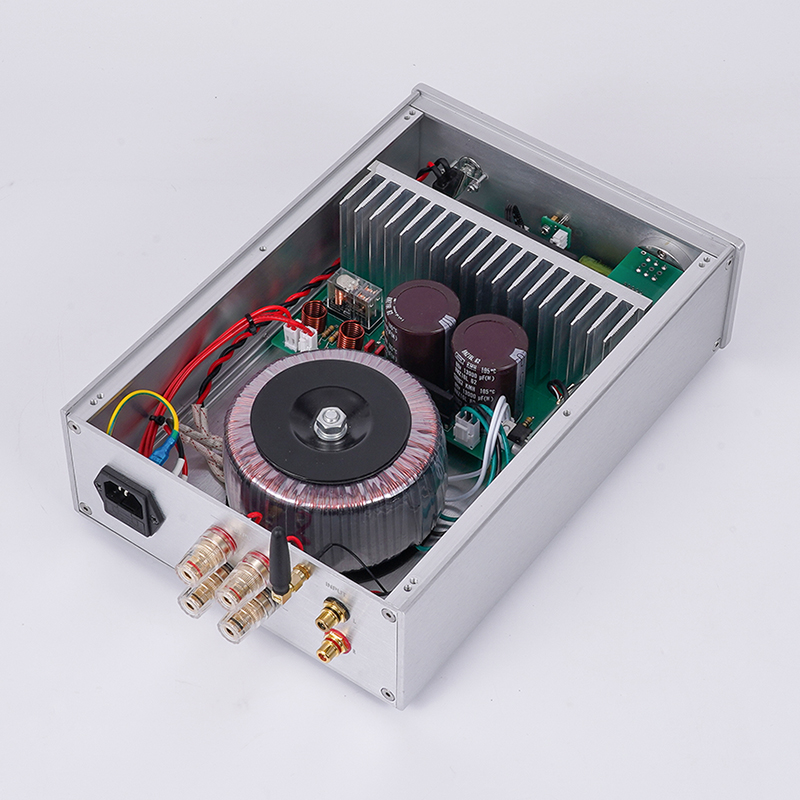
Sourcing a reliable class ab amplifier supplier is a critical decision for importers seeking to maintain product quality, ensure supply chain stability, and meet market demand in competitive audio equipment segments. The class ab amplifier market includes diverse manufacturers with varying capabilities in engineering precision, component sourcing, quality control, and compliance standards. Importers must navigate supplier evaluation complexities while balancing cost efficiency with long-term reliability, making supplier selection a strategic sourcing priority rather than a transactional procurement task.
The process of identifying and qualifying a class ab amplifier supplier involves multiple stages, from initial capability assessment to ongoing performance monitoring. Importers face challenges including verifying technical specifications, assessing production capacity consistency, evaluating component quality standards, and ensuring regulatory compliance across target markets. Understanding the structured approach to supplier sourcing enables importers to reduce procurement risks, secure stable supply relationships, and maintain competitive positioning in professional audio, consumer electronics, and automotive audio applications where class ab amplifier technology remains widely deployed.
Evaluating Supplier Technical Capabilities and Manufacturing Standards
Assessing Class AB Amplifier Design and Engineering Expertise
The technical foundation of a reliable class ab amplifier supplier begins with demonstrated design and engineering capabilities that translate into consistent product performance. Importers should evaluate whether suppliers maintain in-house engineering teams with expertise in class ab amplifier circuit topology, thermal management solutions, and power supply design. Suppliers with proven track records in developing class ab amplifier products across various power ratings and application types typically demonstrate stronger capability to support custom specifications and address technical challenges during production scaling.
Manufacturing standards directly impact class ab amplifier reliability and performance consistency. Importers must verify that suppliers implement controlled production environments, including temperature and humidity management in assembly areas where sensitive class ab amplifier components are handled. The presence of automated testing equipment for measuring total harmonic distortion, signal-to-noise ratio, and power output accuracy indicates a supplier's commitment to quality validation. Suppliers utilizing statistical process control methods for monitoring critical class ab amplifier assembly parameters provide greater assurance of batch-to-batch consistency compared to those relying solely on final product testing.
Verifying Component Sourcing and Supply Chain Transparency
Component quality determines the performance ceiling and longevity of any class ab amplifier product. Reliable suppliers maintain documented component sourcing protocols that specify acceptable transistor grades, capacitor types, and resistor tolerances used in class ab amplifier circuits. Importers should request component supplier lists and verify that critical class ab amplifier components such as output transistors and driver stage ICs come from established semiconductor manufacturers rather than unknown secondary sources. Transparency in component sourcing enables importers to assess potential obsolescence risks and supply chain vulnerabilities that could disrupt class ab amplifier production continuity.
Supply chain resilience has become increasingly important for maintaining consistent class ab amplifier availability. Suppliers who maintain strategic component inventory for key class ab amplifier parts demonstrate proactive supply chain management. Importers should inquire about supplier relationships with component distributors and whether backup sourcing options exist for critical class ab amplifier components. The ability of a class ab amplifier supplier to provide component traceability documentation and maintain supply continuity during semiconductor shortages or logistics disruptions serves as a practical indicator of operational maturity and business continuity planning.
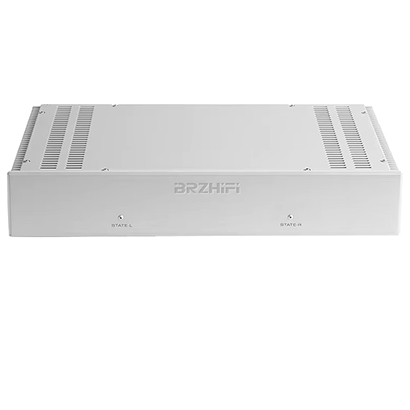
Conducting Quality System Audits and Compliance Verification
Implementing Structured Supplier Audit Protocols
On-site audits provide direct visibility into how a class ab amplifier supplier operates beyond what specification sheets and samples reveal. Effective audit protocols for class ab amplifier suppliers should include production floor inspections to observe assembly processes, soldering quality, and handling procedures for sensitive components. Importers should evaluate whether testing procedures for class ab amplifier units include burn-in testing, thermal cycling, and electrical safety validation that align with target market requirements.
Documentation review during supplier audits reveals the maturity of quality management systems supporting class ab amplifier production. Importers should examine quality control records, non-conformance reports, and corrective action documentation to understand how suppliers identify and address class ab amplifier production issues. The presence of formal quality management systems certified to ISO 9001 or equivalent standards provides structural assurance, though certification alone does not guarantee class ab amplifier product quality without verification of actual implementation effectiveness through production monitoring and testing protocol reviews.
Validating Regulatory Compliance and Certification Readiness
Regulatory compliance capabilities determine whether a class ab amplifier supplier can support market entry across different regions. Importers must verify that suppliers understand and can meet safety standards such as IEC 60065 for audio equipment, electromagnetic compatibility requirements under EMC directives, and energy efficiency regulations applicable to class ab amplifier products. Suppliers who maintain testing relationships with accredited laboratories and can provide compliance test reports for class ab amplifier models demonstrate readiness to support certification processes required for market access in North America, Europe, and other regulated markets.
Environmental compliance has become a mandatory consideration for class ab amplifier sourcing. Importers should confirm that suppliers comply with RoHS directives restricting hazardous substances in electronic components and can provide material declarations for class ab amplifier assemblies. REACH compliance documentation for chemical substances used in class ab amplifier manufacturing processes may be required for European market distribution. Suppliers who proactively maintain compliance documentation and conduct periodic testing of class ab amplifier materials demonstrate greater preparation for evolving regulatory requirements compared to those treating compliance as a reactive response to importer requests.
Establishing Performance Metrics and Long-Term Partnership Criteria
Defining Quality and Delivery Performance Indicators
Establishing clear performance metrics enables objective evaluation of class ab amplifier supplier reliability over time. Importers should define acceptable quality levels for class ab amplifier defect rates, with specific metrics for different failure modes such as component failures, assembly defects, and performance parameter deviations. On-time delivery performance metrics for class ab amplifier orders provide visibility into supplier production planning effectiveness and logistics coordination capabilities. Regular performance reviews using these metrics create accountability frameworks that support continuous improvement in class ab amplifier supply reliability.
Sample evaluation protocols should extend beyond initial qualification samples to include periodic production lot testing. Importers can implement incoming inspection procedures that test class ab amplifier units from each shipment batch against key electrical parameters and build quality standards. Tracking defect trends across multiple class ab amplifier shipments reveals whether suppliers maintain consistent quality or experience degradation over time. Suppliers willing to share internal quality data and production metrics demonstrate transparency that supports collaborative problem-solving when class ab amplifier quality issues emerge.
Building Strategic Supplier Relationships and Risk Management
Long-term class ab amplifier sourcing success depends on cultivating strategic relationships beyond transactional purchasing. Importers should assess whether potential class ab amplifier suppliers demonstrate commitment to partnership through willingness to invest in custom tooling, support product development collaboration, and provide technical assistance for application engineering. Suppliers who assign dedicated account management resources and maintain regular communication channels for addressing class ab amplifier production issues create foundations for sustainable supply relationships that can adapt to changing market requirements.
Risk diversification strategies protect importers from supply chain disruptions affecting class ab amplifier availability. While establishing a primary class ab amplifier supplier relationship, importers should maintain qualified alternate suppliers who can provide backup production capacity during demand surges or primary supplier disruptions. Dual sourcing strategies for class ab amplifier procurement require additional qualification investment but provide supply security for business-critical applications. Importers should balance the administrative overhead of managing multiple class ab amplifier suppliers against the risk exposure of single-source dependency when determining optimal sourcing structure.
FAQ
What certifications should a reliable class ab amplifier supplier possess?
A reliable class ab amplifier supplier should possess ISO 9001 quality management certification as a baseline, along with product safety certifications relevant to target markets such as CE marking for Europe, FCC compliance for North America, and safety approvals from recognized testing laboratories. Environmental certifications including RoHS and REACH compliance are essential for class ab amplifier products entering regulated markets. Suppliers serving automotive applications should hold IATF 16949 certification specific to automotive quality management systems for class ab amplifier manufacturing.
How can importers verify the actual production capacity of a class ab amplifier supplier?
Importers can verify class ab amplifier production capacity through facility audits that document production line configurations, equipment counts, and shift operations. Requesting production records showing historical output volumes for class ab amplifier products provides evidence of actual capacity utilization. Importers should observe whether the supplier operates dedicated class ab amplifier assembly lines or shares capacity with other product types, as dedicated lines typically indicate more stable production scheduling. Reference checks with existing customers regarding the supplier's ability to scale class ab amplifier production during demand increases provide practical validation beyond supplier claims.
What are the key technical specifications to evaluate when qualifying a class ab amplifier supplier?
Key technical specifications for evaluating a class ab amplifier supplier include total harmonic distortion measurements across the power output range, signal-to-noise ratio performance, frequency response linearity, and power supply rejection ratio. Importers should verify that suppliers can consistently meet specified output power ratings into defined load impedances for class ab amplifier products. Thermal performance data showing operating temperatures under sustained power output conditions indicates whether the class ab amplifier design incorporates adequate heat management. Protection circuit functionality including short circuit protection, thermal shutdown, and DC offset protection should be validated through testing protocols that verify class ab amplifier reliability under fault conditions.