
 EN
EN
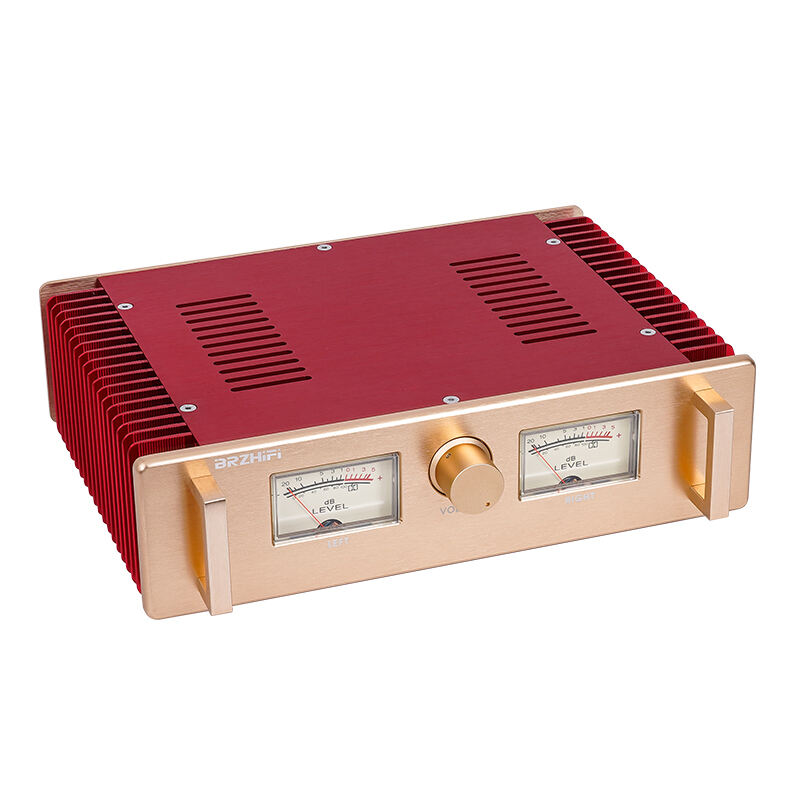
The audio equipment market has experienced remarkable growth in recent years, with consumers increasingly seeking high-quality sound systems for their homes and professional setups. For resellers looking to capitalize on this trend, understanding the nuances of stocking stereo amplifiers for sale represents a crucial business opportunity. The amplifier market encompasses various segments, from entry-level consumer products to premium audiophile equipment, each requiring different approaches to inventory management, customer education, and profit optimization. Successful resellers must navigate technical specifications, brand positioning, and customer expectations while maintaining competitive pricing strategies that ensure profitability in this dynamic marketplace.

Understanding Market Demand and Consumer Preferences
Identifying Target Customer Segments
The stereo amplifier market serves diverse customer segments, each with distinct needs and purchasing behaviors. Audiophiles represent the premium segment, seeking high-end stereo amplifiers for sale that deliver exceptional sound quality and build craftsmanship. These customers prioritize technical specifications, brand reputation, and are willing to invest significantly in equipment that meets their exacting standards. Home theater enthusiasts form another important segment, looking for amplifiers that integrate seamlessly with their entertainment systems while providing reliable performance for movie and music playback.
Professional users, including recording studios, live sound engineers, and commercial installations, require robust amplifiers with specific features like balanced inputs, multiple output configurations, and reliable operation under demanding conditions. Musicians and performers seek portable yet powerful solutions that can deliver clean amplification for instruments and vocals. Understanding these segments helps resellers curate appropriate inventory mixes and develop targeted marketing strategies that resonate with each customer type.
Analyzing Current Market Trends
The audio amplifier industry has witnessed significant technological evolution, with digital amplification gaining prominence alongside traditional analog designs. Class D amplifiers have become increasingly popular due to their efficiency and compact size, making them attractive for both manufacturers and consumers. However, traditional Class A and Class AB designs maintain strong followings among audiophiles who value their sonic characteristics. Resellers must stay informed about these technological trends to make informed stocking decisions.
Wireless connectivity features have become essential selling points, with Bluetooth, WiFi, and streaming capabilities now expected in many stereo amplifiers for sale. Smart home integration represents another growing trend, as consumers seek equipment that works with voice assistants and home automation systems. Vintage-inspired designs and tube amplifiers have also experienced renewed interest, appealing to customers who appreciate classic aesthetics and warm analog sound characteristics.
Technical Specifications and Product Categories
Power Output and Performance Metrics
Understanding amplifier specifications is fundamental for resellers to effectively communicate product capabilities to customers. Power output, measured in watts per channel, directly impacts an amplifier's ability to drive speakers effectively. However, resellers must recognize that raw power numbers can be misleading without considering factors like impedance ratings, distortion levels, and measurement standards. Total Harmonic Distortion (THD) and Signal-to-Noise Ratio (SNR) provide crucial insights into audio quality that discerning customers evaluate carefully.
Frequency response specifications indicate how evenly an amplifier reproduces different musical frequencies, while damping factor affects speaker control and bass response. These technical parameters help customers match amplifiers to their specific speaker systems and listening preferences. Resellers who can explain these concepts clearly gain credibility with serious audio enthusiasts and can justify higher-priced products through educational selling approaches.
Connectivity and Interface Options
Modern stereo amplifiers for sale offer diverse connectivity options that cater to contemporary audio sources and usage scenarios. Analog inputs, including RCA, XLR, and phono connections for turntables, remain essential for traditional audio setups. Digital inputs such as optical, coaxial, and USB connections accommodate modern source devices like streaming players, computers, and digital audio workstations. The inclusion of built-in DACs (Digital-to-Analog Converters) has become increasingly important as customers connect digital sources directly to amplifiers.
Network connectivity through Ethernet and WiFi enables streaming from online services and local network storage, expanding the amplifier's functionality beyond traditional source switching. Some models incorporate multi-room audio capabilities, allowing synchronized playback across different zones. Resellers should understand these connectivity features to help customers choose amplifiers that integrate seamlessly with their existing audio ecosystems and future expansion plans.
Sourcing and Supplier Relationships
Evaluating Manufacturer Partners
Selecting reliable manufacturers and distributors is critical for sustainable success in the amplifier resale business. Established brands with strong reputations provide market credibility and customer confidence, but may require higher minimum orders and offer lower margins. Emerging manufacturers might offer better pricing and exclusivity opportunities while requiring more careful evaluation of product quality and company stability. Resellers should assess manufacturers' technical support capabilities, warranty programs, and marketing assistance when making partnership decisions.
Quality consistency represents a paramount concern when evaluating potential suppliers of stereo amplifiers for sale. Manufacturing processes, component sourcing, and quality control procedures directly impact product reliability and customer satisfaction. Visiting facilities, reviewing certifications, and requesting product samples help resellers make informed supplier selections. Long-term partnership potential should consider factors like product roadmaps, innovation capabilities, and alignment with market trends.
Pricing Strategies and Margin Optimization
Developing competitive yet profitable pricing strategies requires careful analysis of market positioning, competitor pricing, and customer value perception. Premium stereo amplifiers for sale command higher margins but require more sophisticated marketing and customer education efforts. Volume purchasing agreements with suppliers can improve cost structures, but resellers must balance inventory investment against cash flow requirements and market demand predictability.
Dynamic pricing strategies that respond to market conditions, seasonal variations, and inventory levels help optimize profitability while maintaining competitiveness. Bundle pricing with speakers, cables, and accessories can increase average transaction values while providing customers with complete solutions. Resellers should also consider trade-in programs and financing options that expand their customer base and facilitate higher-value sales transactions.
Inventory Management and Storage Considerations
Optimal Stock Levels and Product Mix
Determining appropriate inventory levels for stereo amplifiers for sale requires balancing customer demand patterns, supplier lead times, and working capital constraints. Fast-moving entry-level products typically require higher stock levels to meet immediate customer needs and capture impulse purchases. Premium products may justify lower inventory levels due to longer sales cycles and higher unit values, but resellers must ensure availability for serious prospects to prevent lost sales.
Seasonal demand variations affect amplifier sales, with higher activity during holiday periods and back-to-school seasons. New product introductions and manufacturer promotions also influence optimal stocking strategies. Resellers benefit from implementing inventory management systems that track turnover rates, identify slow-moving products, and provide data-driven insights for purchasing decisions. Regular analysis of sales data helps optimize product mix and prevent overstock situations that tie up capital and storage space.
Storage and Handling Requirements
Proper storage conditions protect amplifier quality and preserve manufacturer warranties throughout the distribution process. Temperature and humidity control prevent component degradation and cosmetic damage that could affect product appeal and functionality. Adequate packaging and handling procedures minimize shipping damage and returns, which can significantly impact profitability in the audio equipment business where customers expect pristine condition.
Security considerations become important for higher-value stereo amplifiers for sale, requiring appropriate storage facilities and insurance coverage. Organized inventory systems facilitate efficient order fulfillment and reduce handling costs while preventing product mix-ups that could damage customer relationships. Regular inventory audits help identify discrepancies and ensure accurate availability information for customer inquiries and sales processes.
Customer Education and Sales Support
Technical Knowledge and Consultation
Successful amplifier resellers develop comprehensive technical knowledge that enables consultative selling approaches and builds customer trust. Understanding amplifier classes, topology differences, and matching principles with various speaker types helps customers make informed decisions. This expertise becomes particularly valuable when selling premium stereo amplifiers for sale where technical specifications significantly impact performance and customer satisfaction.
Training programs for sales staff should cover basic audio principles, product comparisons, and common application scenarios. Providing demonstration capabilities allows customers to experience sound quality differences and understand value propositions clearly. Technical support resources, including setup guides, troubleshooting information, and compatibility charts, enhance the customer experience and reduce post-sale support burden.
Marketing and Promotional Strategies
Effective marketing for amplifier resellers combines technical credibility with emotional appeal to reach diverse customer segments. Content marketing through blogs, videos, and social media establishes expertise while providing valuable information that attracts potential customers. Product reviews, comparison guides, and setup tutorials help customers understand complex technical concepts and make confident purchasing decisions.
Partnership opportunities with related businesses like speaker manufacturers, audio installers, and music venues can generate referral traffic and cross-selling opportunities. Trade shows, audio exhibitions, and demonstration events provide platforms to showcase stereo amplifiers for sale while building relationships with serious audio enthusiasts. Digital marketing strategies should leverage search engine optimization, targeted advertising, and email campaigns to reach customers actively researching amplifier purchases.
After-Sales Service and Support
Warranty and Return Policies
Comprehensive warranty support distinguishes professional resellers from casual sellers and builds long-term customer relationships. Understanding manufacturer warranty terms, registration procedures, and claim processes ensures smooth handling of warranty issues. Clear return policies that balance customer satisfaction with business protection help prevent disputes and maintain positive reputation in the audio community.
Extended warranty options and service plans can provide additional revenue streams while offering customers peace of mind for significant investments. Relationships with authorized service centers ensure prompt repair services for customers who experience issues with their stereo amplifiers for sale. Proactive communication about warranty terms and service options during the sales process prevents misunderstandings and enhances customer confidence.
Building Long-Term Customer Relationships
Audio enthusiasts often upgrade their systems progressively, making customer retention valuable for long-term business success. Follow-up communication after sales helps identify additional needs and demonstrates ongoing commitment to customer satisfaction. Exclusive offers, early access to new products, and loyalty programs reward repeat customers and encourage referrals to expand the customer base.
Educational workshops, listening sessions, and audio system consultations provide value-added services that strengthen customer relationships while showcasing expertise. These activities create opportunities to introduce new stereo amplifiers for sale and accessories while building community among audio enthusiasts. Customer feedback collection helps improve service quality and identify market opportunities for future product selections.
FAQ
What profit margins can resellers expect when selling stereo amplifiers
Profit margins for stereo amplifiers vary significantly based on product category, brand positioning, and sales volume. Entry-level products typically offer margins of 20-35%, while premium audiophile equipment can command margins of 40-60% or higher. Volume purchasing agreements and exclusive distribution arrangements can improve margin structures. Resellers should factor in all costs including storage, marketing, and support when calculating true profitability. Building expertise and providing superior customer service justifies higher margins and creates competitive advantages beyond price competition.
How should resellers handle technical support questions from customers
Effective technical support requires a combination of in-house expertise and manufacturer resources. Resellers should train staff on basic amplifier principles, common setup procedures, and troubleshooting techniques. Maintaining direct relationships with manufacturer technical support teams ensures access to specialized knowledge for complex issues. Creating comprehensive FAQ sections, setup guides, and video tutorials reduces routine support requests while helping customers maximize their amplifier performance. For stereo amplifiers for sale at premium price points, offering personalized consultation services can justify higher margins and enhance customer satisfaction.
What inventory management software works best for audio equipment resellers
Audio equipment resellers benefit from inventory management systems that handle detailed product specifications, serial number tracking, and supplier integration. Popular solutions include NetSuite, QuickBooks Enterprise, and specialized retail management platforms like Lightspeed or Cin7. The ideal system should track key metrics like turnover rates, profit margins by product category, and seasonal demand patterns. Integration with e-commerce platforms and accounting software streamlines operations and provides comprehensive business insights. Consider systems that support barcode scanning and mobile access for efficient warehouse operations when managing stereo amplifiers for sale.
How can resellers stay competitive against online retailers and direct sales
Competing against online retailers requires focusing on value-added services that justify local purchasing decisions. Providing hands-on demonstrations, personalized consultation, and immediate availability creates advantages over online alternatives. Building expertise in system design and installation services generates additional revenue while strengthening customer relationships. Competitive pricing strategies combined with superior customer service and technical support help retain price-sensitive customers. Local market presence through community involvement and partnerships with related businesses creates referral opportunities that online retailers cannot replicate easily.