
 EN
EN
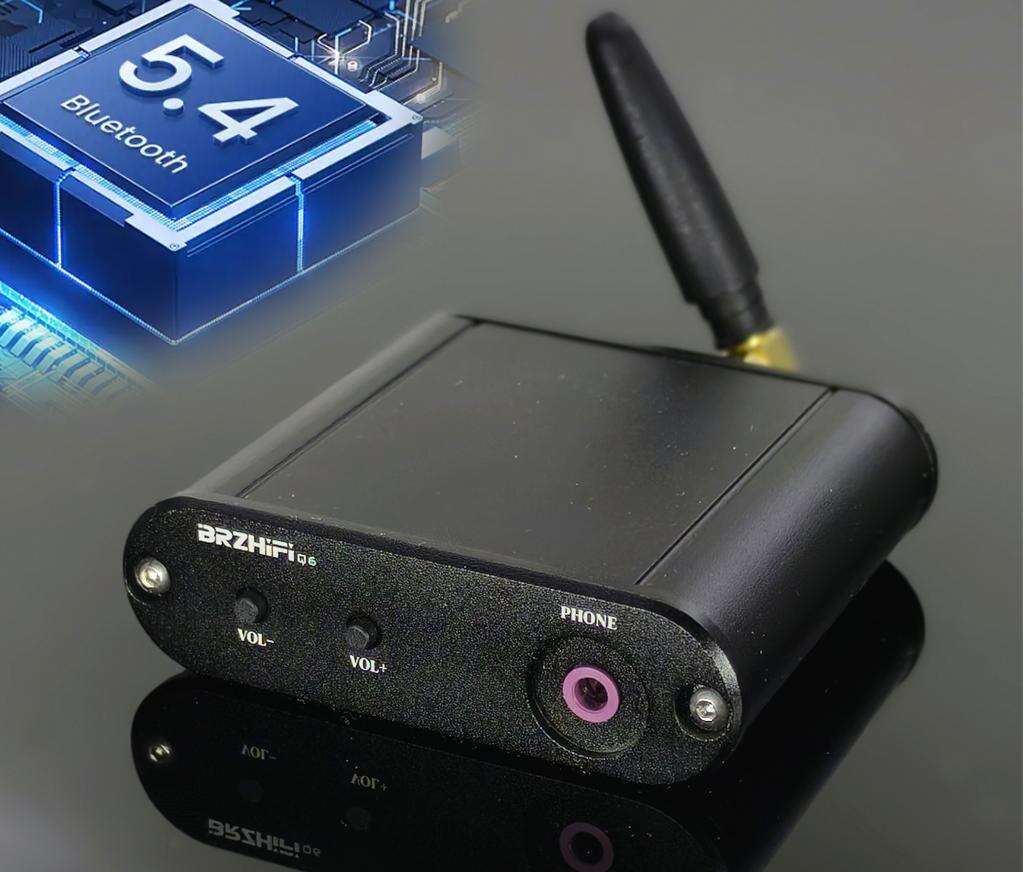
When planning commercial audio installations, business owners and audio professionals frequently question whether stereo amps for sale in the consumer market can deliver the reliability and performance required for professional environments. Commercial spaces present unique challenges that differ significantly from residential applications, including extended operating hours, varying acoustic environments, and the need for consistent audio quality across multiple zones. Understanding the capabilities and limitations of stereo amplifiers in commercial settings requires careful consideration of power requirements, durability standards, and operational demands that characterize professional installations.
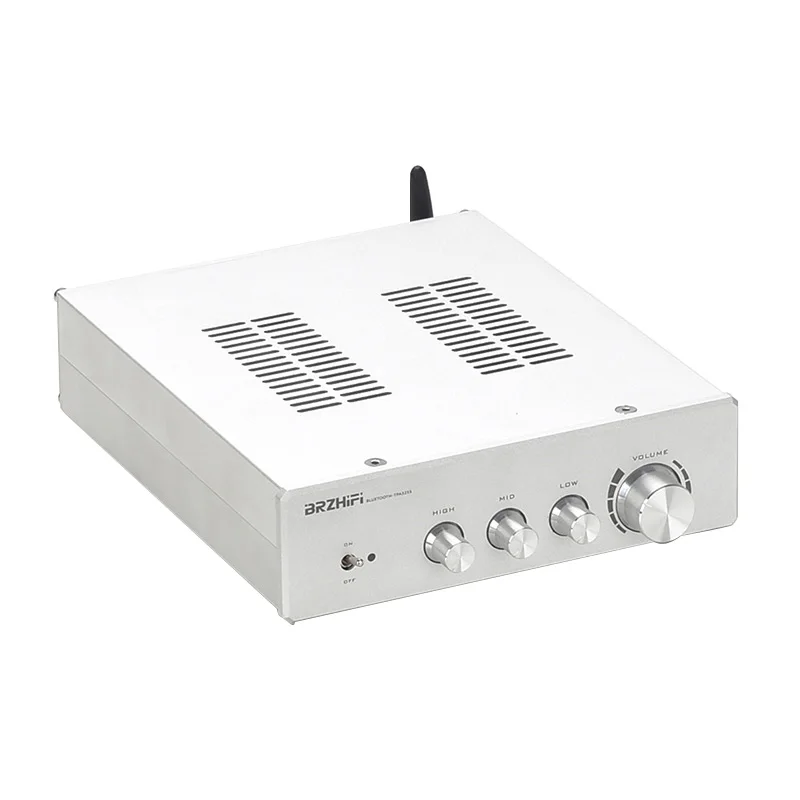
The commercial audio landscape has evolved considerably, with modern stereo amps for sale offering features and specifications that bridge the gap between consumer and professional applications. Many contemporary amplifiers incorporate advanced digital signal processing, robust power supplies, and thermal management systems that enable sustained operation under demanding conditions. These technological improvements have expanded the viability of stereo amplification in commercial environments, particularly for smaller to medium-sized installations where budget considerations and space constraints make dedicated commercial amplifiers less practical.
Power Requirements and Load Management
Understanding Commercial Power Demands
Commercial installations typically require higher power output and greater load handling capacity compared to residential applications. Restaurants, retail stores, and office environments often need to overcome significant ambient noise levels while maintaining clear audio reproduction across extended coverage areas. When evaluating stereo amps for sale for commercial use, it becomes essential to calculate total power requirements based on speaker impedance, room acoustics, and desired sound pressure levels throughout the coverage area.
The continuous power rating of amplifiers becomes particularly critical in commercial applications where the system may operate for twelve to sixteen hours daily. Unlike home audio systems that experience intermittent use, commercial installations subject amplifiers to sustained operation that tests thermal management capabilities and component reliability. Professional-grade stereo amps for sale often specify both peak and continuous power ratings, providing clearer guidance for commercial applications where sustained performance matters more than brief peak output capabilities.
Load Distribution and Speaker Configuration
Commercial audio systems frequently employ distributed speaker configurations that present complex impedance loads to amplifiers. When multiple speakers connect to a single amplifier channel, the total impedance load decreases, requiring the amplifier to deliver higher current output to maintain proper performance. Many stereo amps for sale designed for commercial applications incorporate protection circuits and current limiting features that prevent damage when driving multiple speakers or encountering impedance mismatches.
The flexibility to drive various speaker configurations makes certain stereo amplifiers suitable for commercial installations where system expansion or reconfiguration may occur over time. Amplifiers with stable operation into low impedance loads provide installers with greater flexibility when designing speaker layouts that optimize coverage while maintaining system reliability. This adaptability becomes particularly valuable in retail environments where space reconfiguration frequently necessitates audio system modifications.
Reliability and Durability Considerations
Operating Environment Challenges
Commercial environments present numerous challenges that can impact amplifier longevity and reliability. Temperature fluctuations, humidity variations, and dust accumulation in restaurants, retail stores, and office buildings create operating conditions that exceed typical residential environments. When selecting stereo amps for sale, commercial installers must evaluate thermal management systems, filtration capabilities, and component ratings that ensure reliable operation under these demanding conditions.
The physical construction of amplifiers becomes increasingly important in commercial applications where equipment may experience vibration, electromagnetic interference, and physical access by untrained personnel. Robust chassis construction, secure connection terminals, and comprehensive protection circuits contribute to long-term reliability in commercial installations. Many stereo amps for sale incorporate features like thermal shutdown, short circuit protection, and overcurrent limiting that prevent damage during fault conditions common in commercial environments.
Maintenance and Serviceability
Commercial installations require amplifiers that minimize maintenance requirements while providing accessible service points when maintenance becomes necessary. The ability to perform routine cleaning, inspection, and component replacement without extensive system downtime becomes crucial for businesses that depend on continuous audio system operation. Stereo amps for sale with modular construction, accessible internal components, and clear service documentation offer advantages in commercial applications where maintenance efficiency directly impacts operational costs.
Documentation and technical support availability also influence the suitability of stereo amplifiers for commercial use. Professional installations benefit from comprehensive specifications, installation guides, and technical support resources that enable proper system design and troubleshooting. Many manufacturers of stereo amps for sale provide different levels of technical support for consumer versus commercial applications, making it important to verify support availability when considering amplifiers for business use.
Control and Integration Features
Remote Control and Automation
Modern commercial installations increasingly require integrated control systems that enable centralized audio management across multiple zones and time schedules. Many contemporary stereo amps for sale incorporate remote control capabilities, digital interfaces, and network connectivity that facilitate integration with building automation systems. These features become particularly valuable in retail environments where audio content, volume levels, and system operation must adapt to different business hours and customer traffic patterns.
The availability of digital control interfaces allows commercial installers to implement sophisticated audio management systems using stereo amplifiers as building blocks. Features like preset memory, programmable switching, and automated volume control enable business owners to customize audio system behavior without requiring constant manual adjustment. When evaluating stereo amps for sale for commercial applications, the presence of these control features can significantly influence system functionality and operational efficiency.
Input Flexibility and Signal Processing
Commercial installations often require multiple audio sources and signal processing capabilities that exceed typical residential requirements. Restaurants may need separate music and paging inputs, while retail stores might require background music with periodic promotional announcements. Stereo amps for sale with multiple input options, signal mixing capabilities, and integrated processing features provide greater flexibility for these complex commercial applications.
Digital signal processing capabilities in modern amplifiers enable acoustic optimization for specific commercial environments. Features like equalization, delay compensation, and dynamic range control allow installers to optimize audio quality for challenging acoustic spaces without requiring external processing equipment. These integrated processing capabilities make certain stereo amps for sale particularly attractive for commercial installations where space and budget constraints limit the use of dedicated signal processing equipment.
Cost Considerations and Return on Investment
Initial Investment Analysis
The cost effectiveness of stereo amps for sale in commercial applications depends on balancing initial equipment costs against long-term operational requirements and reliability expectations. While dedicated commercial amplifiers often provide superior specifications and support, the price differential may not justify the additional features for smaller installations or budget-conscious businesses. Careful analysis of power requirements, feature needs, and reliability expectations helps determine whether consumer-grade stereo amplifiers can provide adequate performance at reduced cost.
Total cost of ownership extends beyond initial equipment purchase to include installation complexity, maintenance requirements, and potential replacement costs over the system lifecycle. Stereo amps for sale with comprehensive protection features, robust construction, and reliable performance may provide better long-term value despite higher initial costs compared to basic amplifiers that require frequent service or early replacement in commercial applications.
Scalability and Future Expansion
Commercial audio systems frequently require expansion or modification as business needs evolve. The ability to add zones, increase power capacity, or integrate new audio sources becomes important when evaluating amplifier selection for commercial installations. Stereo amps for sale with modular design, flexible connectivity, and expandable control features provide better adaptation to changing commercial requirements than fixed-configuration amplifiers with limited expansion capabilities.
Investment protection becomes particularly important in commercial applications where audio systems represent significant capital expenditure. Amplifiers with upgrade capabilities, extensive connectivity options, and manufacturer longevity provide better protection against obsolescence than basic amplifiers with limited features and uncertain long-term support. When selecting stereo amps for sale for commercial use, considering future needs and expansion possibilities helps ensure sustainable system performance over extended operational periods.
Application-Specific Considerations
Retail and Restaurant Environments
Retail stores and restaurants present unique requirements that influence stereo amplifier selection for commercial installations. Background music systems in these environments must provide consistent coverage while maintaining speech intelligibility for customer interaction and staff communication. Stereo amps for sale with appropriate power output, stable performance, and quiet operation become essential for creating pleasant acoustic environments that support business objectives rather than creating distractions or customer discomfort.
The need for zoned audio control in larger retail spaces requires amplifiers capable of driving multiple speaker circuits with independent volume control. Many stereo amps for sale incorporate features like bridged operation or zone switching that enable flexible coverage patterns without requiring multiple amplifier units. These capabilities become particularly valuable in restaurants where dining room audio levels must differ from bar or kitchen areas while maintaining system simplicity and cost effectiveness.
Office and Corporate Applications
Corporate environments require audio systems that support both background music and emergency communication functions while maintaining professional appearance and quiet operation. Office installations often benefit from stereo amps for sale with compact form factors, efficient cooling systems, and minimal electromagnetic interference that prevents disruption of nearby computer equipment and communication systems.
The integration requirements for corporate audio systems frequently exceed residential applications, with needs for paging system compatibility, fire safety integration, and building management system connectivity. Stereo amps for sale with appropriate interface capabilities and professional installation support become important factors when designing corporate audio systems that must comply with building codes and safety regulations while providing reliable daily operation.
FAQ
What power output do I need when selecting stereo amps for sale for commercial use
Commercial power requirements depend on room size, ambient noise levels, and speaker efficiency, but most small to medium commercial spaces require amplifiers capable of delivering 50-200 watts per channel into typical speaker loads. Calculate power needs based on desired sound pressure levels and speaker sensitivity specifications, then add safety margin for reliable operation. Consider that commercial installations often operate at sustained power levels rather than brief peaks, making continuous power ratings more important than maximum output specifications.
Can consumer-grade stereo amplifiers handle the continuous operation required in commercial environments
Many modern stereo amps for sale incorporate thermal management and protection features that enable sustained commercial operation, particularly amplifiers designed with robust power supplies and adequate cooling systems. However, continuous operation at high power levels may reduce component lifespan compared to intermittent residential use. Evaluate thermal specifications, protection features, and manufacturer warranties when selecting amplifiers for commercial applications where reliability and longevity are priorities.
What control features should I look for in stereo amps for sale for commercial installations
Essential control features for commercial applications include remote volume control, multiple input selection, and integration capabilities with building automation systems. Look for amplifiers with digital interfaces, preset memory, and programmable switching that enable automated operation based on business schedules. Network connectivity and mobile app control provide additional convenience for commercial operators who need flexible system management without requiring technical expertise.
How do I ensure proper impedance matching when using stereo amplifiers with multiple commercial speakers
Calculate total system impedance by determining the parallel combination of all connected speakers, ensuring the resulting load impedance remains within the amplifier's stable operating range. Most stereo amps for sale specify minimum impedance ratings, typically 4 or 8 ohms, and exceeding these limits can cause overheating or protection circuit activation. Consider using impedance matching transformers or constant voltage distribution systems for installations requiring numerous speakers or complex routing configurations.
Table of Contents
- Power Requirements and Load Management
- Reliability and Durability Considerations
- Control and Integration Features
- Cost Considerations and Return on Investment
- Application-Specific Considerations
-
FAQ
- What power output do I need when selecting stereo amps for sale for commercial use
- Can consumer-grade stereo amplifiers handle the continuous operation required in commercial environments
- What control features should I look for in stereo amps for sale for commercial installations
- How do I ensure proper impedance matching when using stereo amplifiers with multiple commercial speakers