
 EN
EN
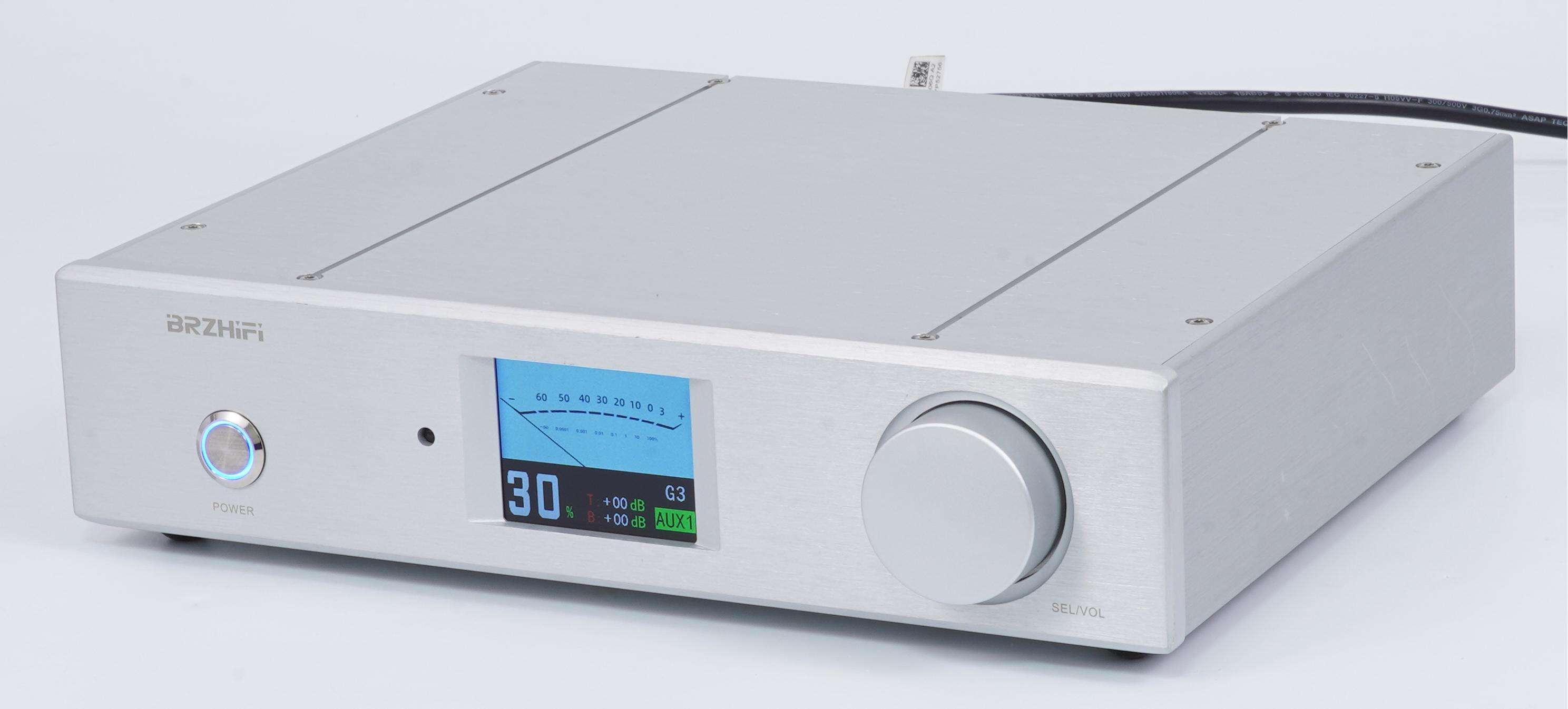
When shopping for high-quality audio equipment, finding the right stereo amplifiers for sale can feel overwhelming given the vast range of options available across different price points. Whether you're an audiophile seeking pristine sound reproduction or a casual listener looking to upgrade your home audio system, understanding how to effectively compare stereo amplifiers will help you make an informed purchasing decision that delivers exceptional value for your investment.
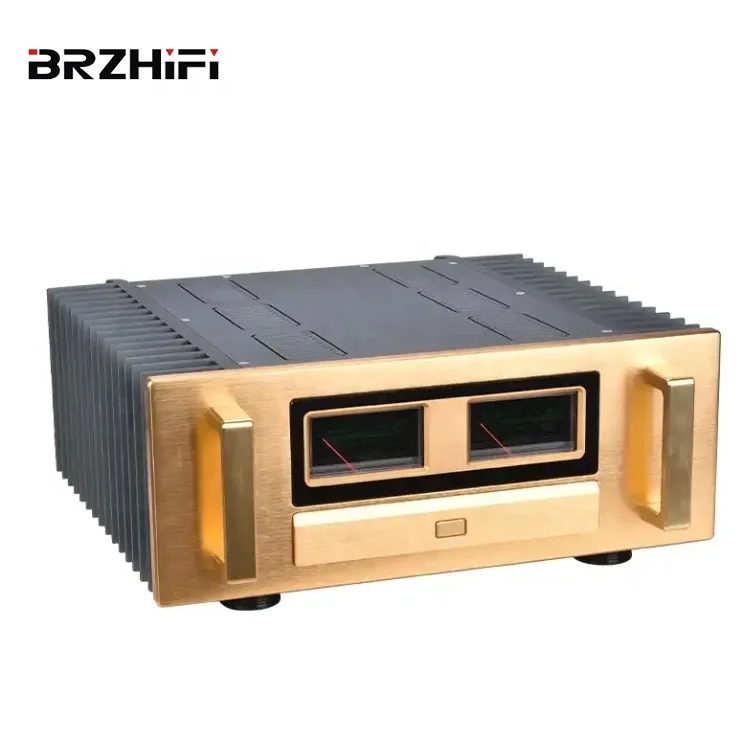
Understanding Amplifier Classifications and Price Segments
Budget-Friendly Entry Level Options
Entry-level stereo amplifiers for sale typically range from fifty to three hundred dollars and serve as excellent starting points for newcomers to high-fidelity audio. These amplifiers often feature solid-state designs that provide reliable performance with minimal maintenance requirements. While they may lack some advanced features found in premium models, modern budget amplifiers deliver surprisingly good sound quality that can satisfy most listening preferences.
Most entry-level amplifiers include basic connectivity options such as standard RCA inputs, headphone outputs, and sometimes Bluetooth wireless capability. Power output usually ranges between twenty to fifty watts per channel, which proves adequate for small to medium-sized rooms. When evaluating budget options, focus on build quality, warranty coverage, and user reviews to identify models that offer exceptional longevity and performance within this price category.
Mid-Range Performance Solutions
Mid-range stereo amplifiers for sale occupy the three hundred to one thousand dollar price bracket and represent the sweet spot for many audio enthusiasts seeking balanced performance and features. These amplifiers typically incorporate higher-quality components, improved power supplies, and more sophisticated circuit designs that translate into cleaner sound reproduction with lower distortion levels.
At this price level, you'll encounter features like multiple input selections, tone controls, remote operation, and sometimes digital-to-analog conversion capabilities. Power output generally increases to between fifty and one hundred watts per channel, providing sufficient headroom for larger rooms and demanding speaker loads. The construction quality improves significantly, with heavier chassis materials, better heat dissipation, and more robust internal components that ensure reliable long-term operation.
Technical Specifications That Matter Most
Power Output and Impedance Matching
Understanding power specifications becomes crucial when comparing stereo amplifiers for sale across different price ranges. Manufacturers typically specify continuous power output measured in watts per channel, but the impedance rating equally important for proper speaker matching. Most amplifiers provide ratings for both four-ohm and eight-ohm speaker loads, with four-ohm ratings typically showing higher power numbers.
However, higher wattage doesn't automatically guarantee better sound quality or louder volume levels. The relationship between amplifier power and perceived loudness follows logarithmic scaling, meaning you need approximately ten times more power to achieve twice the perceived volume. Consider your room size, speaker efficiency ratings, and typical listening levels when evaluating whether additional power output justifies higher pricing.
Signal-to-Noise Ratio and Distortion Measurements
Professional measurements like signal-to-noise ratio and total harmonic distortion provide objective benchmarks for comparing stereo amplifiers for sale regardless of price category. Signal-to-noise ratio, expressed in decibels, indicates how much unwanted background noise the amplifier produces relative to the desired audio signal. Higher numbers indicate cleaner, quieter operation, with values above ninety decibels considered excellent.
Total harmonic distortion percentages reveal how accurately the amplifier reproduces input signals without adding unwanted artifacts. Premium amplifiers typically achieve distortion levels below point one percent, while budget models may show slightly higher figures that remain virtually inaudible during normal listening. These specifications help identify amplifiers that maintain consistent performance across their operating range rather than just peak power conditions.
Build Quality and Design Considerations
Construction Materials and Heat Management
Physical construction quality varies dramatically among stereo amplifiers for sale at different price points, directly impacting long-term reliability and performance consistency. Entry-level amplifiers often utilize lightweight aluminum or steel chassis with basic heat sinks, while premium models feature heavy-duty construction with substantial heat dissipation systems that prevent thermal-induced performance degradation.
Examine the weight and build quality when comparing amplifiers, as heavier units typically indicate more robust power supplies and better component quality. Adequate ventilation becomes especially important for higher-powered amplifiers that generate significant heat during operation. Look for models with intelligent thermal protection circuits that prevent damage from overheating while maintaining optimal performance under normal operating conditions.
Component Quality and Circuit Design
Internal component quality represents one of the primary differentiators between budget and premium stereo amplifiers for sale. Higher-end models incorporate premium capacitors, precision resistors, and carefully selected semiconductors that contribute to improved sound quality and enhanced durability. Circuit board layout and component spacing also affect performance, with premium amplifiers featuring shorter signal paths and superior grounding techniques.
Class A amplification designs, found in some premium models, operate with higher bias currents that eliminate crossover distortion but generate more heat and consume additional power. Class AB designs offer excellent compromises between sound quality and efficiency, while Class D switching amplifiers provide exceptional efficiency with compact form factors. Each topology offers distinct advantages that may align with specific user preferences and application requirements.
Connectivity and Feature Comparison
Input Options and Flexibility
Modern stereo amplifiers for sale offer varying levels of connectivity that directly impact system integration flexibility and future expansion possibilities. Basic models typically provide standard analog RCA inputs, while advanced amplifiers include balanced XLR connections, digital inputs, and sometimes integrated network streaming capabilities that eliminate the need for separate components.
Consider your current source components and potential future additions when evaluating input options. Turntable enthusiasts should prioritize amplifiers with dedicated phono stages, while digital music lovers might prefer models with built-in digital-to-analog converters and USB connectivity. Multiple input selections with convenient switching mechanisms enhance daily usability, especially in systems with various source components.
Control Features and User Interface
User interface design and control features vary significantly among stereo amplifiers for sale at different price levels. Basic amplifiers provide simple volume and input selection controls, while advanced models include tone adjustment, balance controls, and sophisticated remote operation systems. Some premium amplifiers feature smartphone applications that enable comprehensive system control and configuration from mobile devices.
Evaluate control features based on your actual usage patterns rather than impressive specification lists. Simple, intuitive controls often provide better long-term satisfaction than complex systems with multiple adjustment options that rarely get used. Remote control quality and functionality particularly important for systems where the amplifier placement makes front-panel access inconvenient during regular operation.
Brand Reputation and Support Considerations
Manufacturer Heritage and Market Position
Brand reputation plays a significant role when comparing stereo amplifiers for sale, as established manufacturers typically offer better customer support, readily available replacement parts, and proven track records for reliability. Research company histories, customer service reputations, and product longevity before making purchasing decisions, especially for higher-investment amplifiers intended for long-term use.
Some manufacturers specialize in specific price segments or amplifier types, developing particular expertise that translates into superior products within their focus areas. Boutique manufacturers often provide exceptional build quality and unique features at premium prices, while larger companies leverage economies of scale to deliver competitive performance at lower price points. Understanding each manufacturer's strengths helps identify the best options within your budget range.
Warranty Coverage and Service Availability
Warranty terms and service availability become increasingly important factors when investing in higher-priced stereo amplifiers for sale. Premium amplifiers typically include longer warranty periods and comprehensive coverage that protects against manufacturing defects and premature component failures. Some manufacturers offer extended warranty programs or premium service plans that provide additional peace of mind for significant investments.
Investigate local service availability and authorized repair facilities, particularly for imported or boutique amplifier brands. Amplifiers requiring specialized parts or technical expertise may face extended repair times or higher service costs if local support options are limited. Factor potential service considerations into your purchasing decision, especially for complex amplifiers with advanced features or unique technologies.
Performance Evaluation Methods
Listening Test Considerations
Subjective listening evaluation remains the ultimate test when comparing stereo amplifiers for sale, as technical specifications don't always correlate directly with sonic preferences. Arrange demonstration sessions using familiar music recordings and your intended speakers whenever possible, as amplifier characteristics can vary significantly depending on the associated components and room acoustics.
Focus on specific performance attributes during listening tests, including tonal balance, dynamic range, soundstage width, and imaging precision. Pay attention to how each amplifier handles complex musical passages, particularly during loud or demanding sections where lesser amplifiers may exhibit compression or distortion. Take notes during comparisons to help remember specific impressions when making final purchasing decisions.
Measurement Tools and Objective Analysis
Professional reviews and independent measurements provide valuable objective data for comparing stereo amplifiers for sale beyond manufacturer specifications. Trusted audio publications conduct comprehensive testing using calibrated equipment that reveals actual performance characteristics under various operating conditions. These measurements often uncover discrepancies between claimed and actual specifications.
Look for frequency response graphs, distortion measurements at different power levels, and dynamic range specifications from independent sources. However, remember that measurements represent just one aspect of amplifier performance, and sonic characteristics that appeal to individual preferences may not always align with the most impressive measurement results. Balance objective data with subjective listening impressions for optimal purchasing decisions.
Value Assessment and Long-Term Considerations
Cost Per Feature Analysis
Developing a systematic approach to value assessment helps identify the best stereo amplifiers for sale within your budget constraints. Create feature priority lists that align with your specific requirements and listening preferences, then evaluate how well each amplifier candidate addresses those priorities relative to its asking price. This methodical approach prevents overpaying for unnecessary features while ensuring essential capabilities receive adequate consideration.
Consider the total system cost when evaluating amplifier options, including any additional components required for optimal operation. Some amplifiers include built-in digital processing or streaming capabilities that eliminate the need for separate components, potentially offering better overall value despite higher initial prices. Factor in cable costs, installation requirements, and any necessary accessories when calculating total ownership expenses.
Resale Value and Future Compatibility
Premium stereo amplifiers for sale typically maintain better resale values compared to budget alternatives, partially offsetting their higher initial costs. Well-regarded brands and models with proven reliability often retain significant portions of their original values, making them more attractive options for buyers who may upgrade their systems periodically. Research historical pricing trends for amplifiers you're considering to understand their value retention characteristics.
Future compatibility considerations become increasingly important as audio technology continues evolving. Amplifiers with flexible input options and standard connectivity protocols typically offer better long-term utility compared to models with proprietary or limited interface options. Consider how well each amplifier candidate will integrate with potential future source components or system expansions you might contemplate.
FAQ
What power output do I really need in a stereo amplifier?
Power requirements depend on your speaker efficiency, room size, and listening preferences. Most listeners find amplifiers with fifty to one hundred watts per channel sufficient for typical home environments. Speaker efficiency ratings significantly impact power needs, with high-efficiency speakers requiring less power to achieve the same volume levels as inefficient designs.
How important are technical specifications versus listening impressions?
Both technical specifications and subjective listening impressions provide valuable information for amplifier selection. Specifications offer objective benchmarks for comparing performance capabilities, while listening tests reveal how those capabilities translate into actual musical enjoyment. The best purchasing decisions typically balance both objective measurements and personal sonic preferences.
Should I prioritize amplifier features or pure sound quality?
The ideal balance between features and sound quality depends on your specific usage requirements and system goals. If you primarily listen to music from a single high-quality source, prioritizing pure amplification excellence over multiple features often delivers better long-term satisfaction. However, users with diverse source components may benefit from additional connectivity and control features.
How much should I expect to spend for noticeable sound quality improvements?
Sound quality improvements follow diminishing returns curves, with the most dramatic improvements typically occurring when upgrading from very basic to mid-level amplifiers. Most listeners notice significant improvements when moving from entry-level to quality mid-range amplifiers, while differences between expensive amplifiers often become more subtle and system-dependent.
Table of Contents
- Understanding Amplifier Classifications and Price Segments
- Technical Specifications That Matter Most
- Build Quality and Design Considerations
- Connectivity and Feature Comparison
- Brand Reputation and Support Considerations
- Performance Evaluation Methods
- Value Assessment and Long-Term Considerations
- FAQ