
 EN
EN
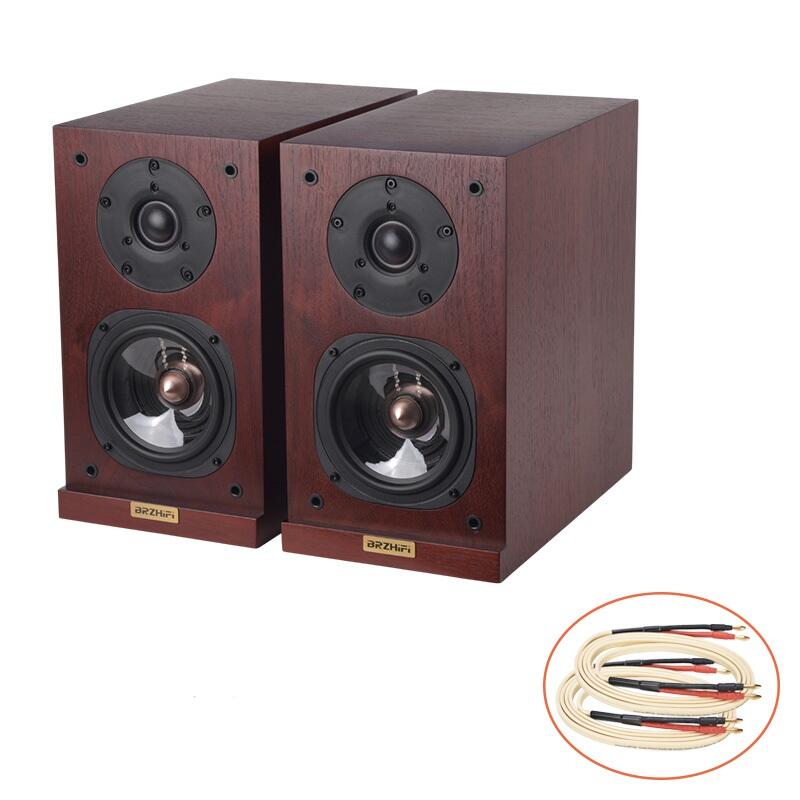
When searching for high-quality audio equipment, understanding what distinguishes exceptional bookshelf speakers for sale from mediocre options can significantly impact your listening experience. The modern audio market offers an overwhelming array of choices, making it essential for buyers to know exactly which features and specifications will deliver the sound quality they desire. Whether you're building a home theater system, upgrading your desktop setup, or creating a dedicated listening room, selecting the right bookshelf speakers requires careful consideration of multiple factors that directly influence performance, durability, and overall value.
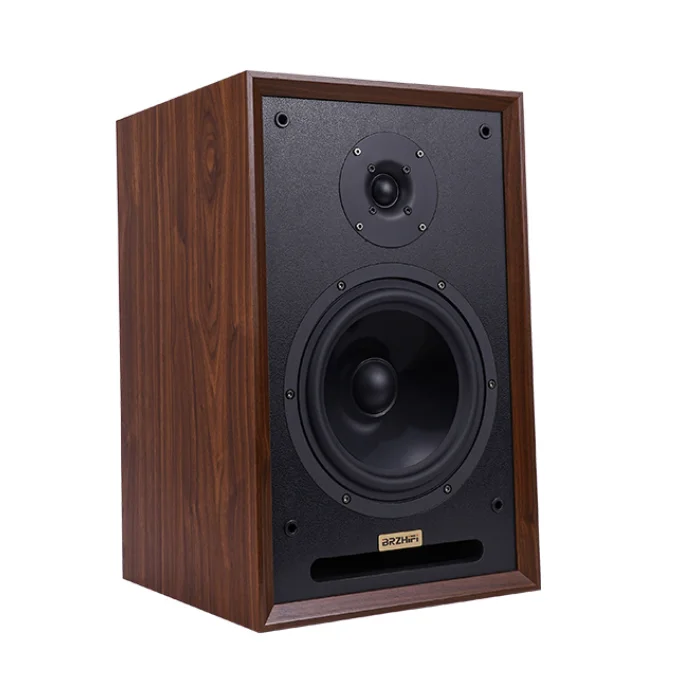
Driver Configuration and Size Considerations
Understanding Driver Types and Their Impact
The heart of any bookshelf speaker lies in its driver configuration, which fundamentally determines how sound is reproduced across different frequency ranges. Most quality bookshelf speakers for sale feature a two-way design with separate woofers and tweeters, allowing each driver to specialize in specific frequency ranges for optimal performance. The woofer handles low and mid-range frequencies, while the tweeter manages high frequencies, creating a more accurate and detailed sound reproduction than single-driver designs.
Driver size plays a crucial role in determining the speaker's capabilities and suitable applications. Larger woofers, typically ranging from 5 to 8 inches in bookshelf designs, can move more air and generally produce deeper bass response with greater dynamic range. However, larger drivers also require more power to operate effectively and may not be suitable for smaller rooms or desktop applications where space and volume constraints exist.
Material Quality and Construction Methods
The materials used in driver construction significantly impact sound quality, durability, and overall performance characteristics. High-quality bookshelf speakers for sale often feature woofers made from materials like polypropylene, aluminum, or exotic composites that provide the ideal balance of rigidity and damping properties. These materials ensure accurate sound reproduction while minimizing unwanted resonances that can color the audio output.
Tweeter materials equally influence the speaker's high-frequency performance, with options ranging from soft dome materials like silk or textile to hard dome materials like aluminum or titanium. Each material type offers distinct sonic characteristics, with soft domes typically providing smooth, warm highs, while hard domes deliver more detailed and extended high-frequency response. Understanding these differences helps buyers select speakers that match their listening preferences and musical tastes.
Cabinet Design and Acoustic Engineering
Enclosure Types and Their Acoustic Properties
The cabinet design of bookshelf speakers for sale significantly influences their acoustic performance, with different enclosure types offering unique advantages and characteristics. Sealed enclosures provide tight, accurate bass response with excellent transient response, making them ideal for critical listening applications where precision is paramount. These designs typically require less internal volume and can be more compact, making them suitable for desktop or near-field listening scenarios.
Ported or bass reflex designs incorporate carefully tuned ports that extend low-frequency response and increase overall efficiency. These cabinets can produce deeper bass than sealed equivalents of similar size, but proper port design is crucial to avoid unwanted resonances or port noise. Quality manufacturers invest significant engineering resources in optimizing port dimensions, placement, and internal damping to achieve the desired acoustic performance.
Build Quality and Internal Damping
Premium bookshelf speakers for sale feature robust cabinet construction using materials like MDF (Medium Density Fiberboard) or solid wood that provide excellent acoustic properties and long-term durability. The cabinet walls should be sufficiently thick and well-braced to minimize unwanted vibrations and resonances that can muddy the sound quality. Internal bracing and damping materials help control standing waves and reflections within the cabinet, ensuring clean and accurate sound reproduction.
The quality of cabinet joints, finish, and overall construction reflects the manufacturer's attention to detail and commitment to acoustic excellence. Well-constructed speakers feature precise tolerances, quality hardware, and finishing that not only enhances aesthetic appeal but also contributes to long-term reliability and performance consistency. These construction details often distinguish premium speakers from budget alternatives in the competitive marketplace.
Technical Specifications and Performance Metrics
Frequency Response and Sensitivity Ratings
When evaluating bookshelf speakers for sale, understanding frequency response specifications helps determine how well the speakers will reproduce different types of music and audio content. A flat frequency response across the audible spectrum typically indicates accurate sound reproduction, though some listeners prefer slight deviations that enhance certain musical genres or personal preferences.
Sensitivity ratings, measured in decibels per watt per meter, indicate how efficiently the speakers convert amplifier power into acoustic output. Higher sensitivity speakers require less power to achieve the same volume levels, making them more suitable for lower-powered amplifiers or integrated systems. However, sensitivity should be balanced against other factors like frequency response accuracy and dynamic range capabilities to ensure optimal overall performance.
Power Handling and Impedance Characteristics
Power handling specifications for bookshelf speakers for sale indicate the maximum power the speakers can safely handle without damage, though these ratings should be interpreted carefully. Both continuous (RMS) and peak power ratings provide important information about the speaker's capabilities, with RMS ratings being more relevant for typical listening applications. Matching speaker power handling to amplifier output ensures optimal performance and prevents damage from underpowering or overpowering the speakers.
Impedance characteristics affect amplifier compatibility and system performance, with most bookshelf speakers featuring nominal impedances of 4, 6, or 8 ohms. Lower impedance speakers draw more current from amplifiers, potentially providing more dynamic performance but requiring amplifiers capable of driving lower impedance loads. Understanding impedance compatibility ensures proper system matching and optimal performance from both speakers and amplification components.
Connectivity Options and System Integration
Input Types and Connection Methods
Modern bookshelf speakers for sale offer various connectivity options to accommodate different system configurations and user preferences. Passive speakers require separate amplification and connect via traditional speaker wire, offering maximum flexibility in amplifier selection and system customization. This approach allows users to upgrade amplification separately and often provides the best performance potential for serious audio enthusiasts.
Active or powered speakers include built-in amplification and may offer multiple input options including analog, digital, and wireless connectivity. These designs provide convenience and often include advanced features like digital signal processing, room correction, and multiple input switching. The integrated approach can simplify system setup and reduce component count, making it attractive for users who prioritize convenience over ultimate customization flexibility.
Placement Flexibility and Mounting Options
Quality bookshelf speakers for sale should offer versatile placement options to accommodate different room layouts and listening preferences. Many models include mounting threads or brackets that enable wall mounting, while others feature magnetic shielding for placement near televisions or computer monitors. The ability to position speakers optimally relative to listening positions significantly impacts imaging, soundstage, and overall listening experience.
Some speakers include adjustable feet, tilting mechanisms, or other features that help optimize positioning and acoustic coupling to supporting surfaces. These details may seem minor but can significantly impact bass response and overall sound quality, particularly in desktop or near-field applications where precise positioning becomes critically important for optimal performance and listening enjoyment.
Brand Reputation and Value Considerations
Manufacturer Heritage and Engineering Expertise
Established manufacturers of bookshelf speakers for sale often bring decades of acoustic engineering experience and research to their designs, resulting in products that reflect deep understanding of psychoacoustics and sound reproduction principles. Companies with strong reputations typically invest heavily in research and development, advanced measurement equipment, and quality control processes that ensure consistent performance across production runs.
The engineering philosophy and design approach of different manufacturers can significantly influence the sonic characteristics of their products. Some companies prioritize analytical accuracy and neutral sound reproduction, while others focus on musicality and emotional engagement. Understanding these philosophical differences helps buyers select speakers that align with their listening preferences and intended applications, ensuring long-term satisfaction with their investment.
Warranty Coverage and Long-Term Support
Comprehensive warranty coverage and ongoing manufacturer support represent important considerations when purchasing bookshelf speakers for sale, particularly for higher-investment products. Quality manufacturers typically offer substantial warranty periods and maintain parts availability for extended periods, ensuring that speakers can be serviced and maintained throughout their useful life. This support infrastructure reflects manufacturer confidence in product quality and commitment to customer satisfaction.
The availability of technical documentation, setup guidance, and customer support resources can significantly impact the ownership experience, particularly for users who are new to high-quality audio systems. Manufacturers who provide comprehensive resources and responsive support help ensure that customers can optimize their speaker performance and address any questions or concerns that arise during ownership.
Price-to-Performance Analysis and Budget Planning
Understanding Market Positioning and Value Propositions
The bookshelf speakers for sale market spans an enormous price range, from budget-friendly options under one hundred dollars to ultra-premium models costing several thousand dollars. Understanding what drives these price differences helps buyers make informed decisions and identify products that offer the best value for their specific needs and budget constraints. Generally, higher prices reflect superior components, more advanced engineering, better construction quality, and enhanced performance capabilities.
However, the relationship between price and performance is not always linear, and careful research can reveal exceptional value propositions at various price points. Some manufacturers focus on delivering maximum performance at specific price points by optimizing design priorities and manufacturing processes. These value-oriented products often provide performance that rivals much more expensive alternatives, making them attractive options for budget-conscious buyers who refuse to compromise on sound quality.
Total System Cost Considerations
When budgeting for bookshelf speakers for sale, buyers must consider the total system cost including necessary amplification, source components, cables, and accessories. Passive speakers require separate amplification, which can represent a significant additional investment but also provides upgrade flexibility over time. Active speakers include amplification but may limit future upgrade paths and typically cannot be serviced as easily if problems develop.
Additional costs may include speaker stands, isolation pads, quality cables, and room treatment materials that can significantly impact overall system performance. Planning for these ancillary costs ensures that the final system delivers optimal performance and prevents budget surprises that might force compromises in component selection or system optimization. A holistic approach to system budgeting typically yields better long-term satisfaction than focusing solely on speaker cost.
FAQ
What size bookshelf speakers work best for desktop use
For desktop applications, bookshelf speakers for sale with 4 to 6-inch woofers typically provide the optimal balance of size, power requirements, and performance. These smaller drivers work well in near-field listening situations where the speakers are positioned close to the listener, and they generally require less power to drive effectively. Larger speakers may overwhelm smaller rooms or require more powerful amplification than desktop systems typically provide.
How important is amplifier matching for passive bookshelf speakers
Proper amplifier matching is crucial for optimal performance from passive bookshelf speakers for sale, as mismatched components can result in poor sound quality or potential damage. The amplifier should provide adequate power within the speaker's recommended range while being capable of driving the speaker's impedance load. Generally, it's better to have slightly more clean power available than needed rather than pushing a smaller amplifier into distortion.
Can bookshelf speakers be used for home theater applications
Quality bookshelf speakers for sale can serve effectively in home theater systems, particularly as front left and right speakers or surround speakers. However, they typically require a separate subwoofer to handle low-frequency effects and provide the dynamic range needed for movie soundtracks. When selecting bookshelf speakers for home theater use, consider models with good power handling and dynamic range capabilities to handle the demanding nature of film audio.
What placement considerations are most important for optimal sound quality
Proper placement significantly impacts the performance of bookshelf speakers for sale, with key considerations including distance from walls, positioning relative to the listening area, and isolation from vibrating surfaces. Speakers should typically be positioned to form an equilateral triangle with the listening position, angled slightly toward the listener. Avoiding placement too close to walls or corners helps prevent bass buildup, while using isolation pads or stands can reduce vibration transmission and improve clarity.