
 EN
EN
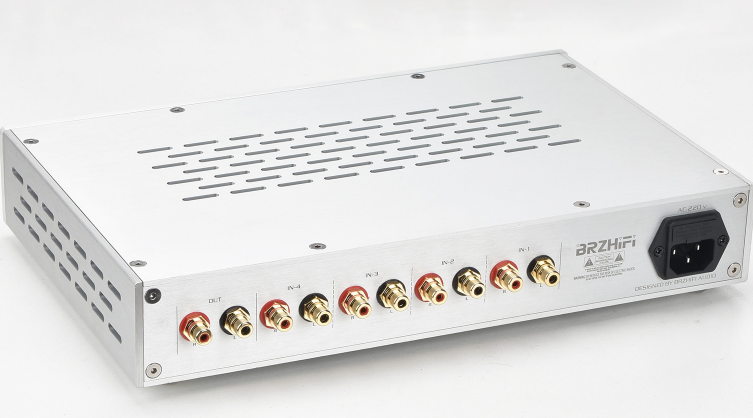
When investing in high-quality audio equipment, discerning buyers must carefully evaluate numerous factors before making a purchase decision. The audiophile market offers countless options, but selecting the right equipment requires thorough inspection and understanding of key performance indicators. Whether you are a seasoned audio enthusiast or a newcomer to the world of premium sound reproduction, knowing what to examine can save you from costly mistakes and ensure you achieve the audio experience you desire.

The tube amplifier market has experienced remarkable growth in recent years, with manufacturers ranging from boutique workshops to established vacuum tube amplifiers factory operations producing units that cater to various budgets and preferences. Understanding the manufacturing process, quality control measures, and design philosophy behind these amplifiers becomes crucial for making an informed purchase decision.
Manufacturing Quality and Production Standards
Factory Certification and Quality Assurance
When evaluating products from any vacuum tube amplifiers factory, buyers should first investigate the manufacturer's certification and quality assurance protocols. Reputable manufacturers maintain ISO certification, implement rigorous testing procedures, and follow established industry standards throughout their production processes. These certifications indicate that the vacuum tube amplifiers factory adheres to consistent quality control measures, ensuring each unit meets predetermined specifications before reaching consumers.
Quality assurance extends beyond basic functionality testing to include burn-in procedures, frequency response measurements, and distortion analysis. A reliable vacuum tube amplifiers factory will provide detailed specifications, measurement data, and warranty information that demonstrates their commitment to producing consistent, high-performance products. Buyers should request documentation showing test results, quality control certificates, and manufacturing process details when available.
Component Selection and Sourcing
The component quality directly impacts the overall performance and longevity of tube amplifiers produced by any vacuum tube amplifiers factory. Premium manufacturers source high-grade capacitors, resistors, transformers, and vacuum tubes from established suppliers known for their reliability and performance characteristics. Buyers should inquire about component origins, specifications, and expected lifespan to gauge the amplifier's long-term value proposition.
Transformer quality represents a particularly critical aspect of tube amplifier construction, as these components significantly influence sound quality, power delivery, and overall system reliability. A reputable vacuum tube amplifiers factory invests in custom-wound transformers designed specifically for their circuit topologies, rather than using generic, mass-produced alternatives that may compromise performance or reliability over time.
Technical Specifications and Performance Metrics
Power Output and Impedance Matching
Understanding power specifications becomes essential when evaluating offerings from different vacuum tube amplifiers factory sources. Buyers must consider not only the rated power output but also the impedance matching capabilities, frequency response characteristics, and dynamic range performance. These specifications determine how well the amplifier will perform with specific speaker configurations and listening preferences.
Power ratings can be misleading without proper context regarding measurement conditions, load impedances, and distortion levels. A responsible vacuum tube amplifiers factory provides comprehensive specifications that include power output at various impedance loads, total harmonic distortion percentages, and frequency response curves. This information enables buyers to make accurate comparisons and select amplifiers that match their specific requirements and expectations.
Circuit Design and Topology
The circuit design philosophy implemented by a vacuum tube amplifiers factory significantly influences the final product's sonic character, reliability, and maintenance requirements. Single-ended triode designs offer different characteristics compared to push-pull configurations, while Class A operation provides distinct advantages over Class AB implementations. Buyers should understand these design differences and their implications for sound quality and operational efficiency.
Modern vacuum tube amplifiers factory operations often incorporate hybrid designs that combine vacuum tube preamplification stages with solid-state power sections, or vice versa. These hybrid approaches can offer improved reliability, reduced maintenance requirements, and enhanced performance characteristics while maintaining the desirable sonic qualities associated with vacuum tube technology. Understanding the specific implementation helps buyers evaluate whether such designs align with their preferences and requirements.
Build Quality and Construction Methods
Chassis Design and Material Selection
The physical construction quality reflects the overall approach taken by a vacuum tube amplifiers factory toward product development and manufacturing excellence. High-quality chassis construction using appropriate materials, proper shielding techniques, and effective heat dissipation methods indicates attention to detail and long-term reliability considerations. Buyers should examine chassis thickness, finishing quality, and component layout when evaluating potential purchases.
Effective heat management becomes particularly important in tube amplifier designs, as vacuum tubes generate significant heat during operation. A well-designed product from a competent vacuum tube amplifiers factory incorporates adequate ventilation, appropriate tube spacing, and heat-resistant materials that ensure reliable operation under various environmental conditions. Poor heat management can lead to premature tube failure, reduced performance, and potential safety concerns.
Internal Wiring and Component Layout
The internal wiring quality and component layout reveal important information about the manufacturing standards maintained by a vacuum tube amplifiers factory. Point-to-point wiring, high-quality cables, proper grounding techniques, and logical signal routing contribute to superior performance and reduced interference. Buyers should request internal photographs or inspection opportunities when evaluating higher-end amplifiers.
Component placement and accessibility affect both performance and serviceability throughout the amplifier's operational lifetime. A thoughtfully designed product from an experienced vacuum tube amplifiers factory positions components for optimal performance while ensuring easy access for maintenance, tube replacement, and potential modifications. This consideration becomes particularly important for buyers who plan to maintain or modify their equipment over time.
Testing and Evaluation Procedures
Pre-Purchase Audition Process
Whenever possible, buyers should arrange audition sessions using familiar source material and speaker systems before finalizing purchases from any vacuum tube amplifiers factory. This hands-on evaluation process reveals sonic characteristics, operational quirks, and compatibility issues that specifications alone cannot convey. Proper audition sessions should include various musical genres, volume levels, and listening conditions to assess overall performance comprehensively.
During audition sessions, buyers should pay attention to factors such as noise floor, channel balance, frequency response linearity, and dynamic range capabilities. Products from a quality vacuum tube amplifiers factory should demonstrate consistent performance across all operational parameters, with minimal noise, distortion, or other artifacts that could detract from the listening experience. Taking detailed notes during auditions helps facilitate meaningful comparisons between different options.
Measurement and Documentation
Objective measurements complement subjective listening evaluations by providing quantifiable data about amplifier performance characteristics. Buyers should request or perform measurements of key parameters such as frequency response, total harmonic distortion, signal-to-noise ratio, and power output capabilities. These measurements help verify manufacturer specifications and identify potential performance issues before purchase.
Documentation from the vacuum tube amplifiers factory should include detailed specifications, measurement protocols, and test results that demonstrate compliance with advertised performance claims. Comprehensive documentation also facilitates future service requirements, modifications, or resale considerations. Buyers should maintain all original documentation and measurement data for reference throughout the amplifier's operational lifetime.
Support and Service Considerations
Warranty Coverage and Service Policies
The warranty terms and service policies offered by a vacuum tube amplifiers factory provide important insights into product quality confidence and long-term support commitments. Comprehensive warranty coverage, clear service procedures, and readily available replacement parts indicate a manufacturer's commitment to customer satisfaction and product reliability. Buyers should carefully review warranty terms, service locations, and parts availability before making purchase decisions.
Service capabilities become particularly important for vacuum tube amplifiers, as these products require periodic maintenance, tube replacement, and occasional repairs throughout their operational lifetime. A reputable vacuum tube amplifiers factory maintains trained service technicians, stocks replacement parts, and provides technical support resources that ensure continued product performance and customer satisfaction over time.
Technical Support and Documentation
Comprehensive technical documentation, user manuals, and ongoing support resources demonstrate the professionalism and customer focus maintained by a vacuum tube amplifiers factory. Quality manufacturers provide detailed operation instructions, maintenance guidelines, troubleshooting procedures, and technical specifications that enable users to optimize performance and address common issues independently.
Access to knowledgeable technical support personnel becomes valuable when questions arise regarding optimal setup procedures, compatibility issues, or performance optimization techniques. A customer-focused vacuum tube amplifiers factory maintains accessible support channels, responds promptly to inquiries, and provides accurate information that helps buyers achieve optimal results from their purchases.
FAQ
How can I verify the reputation of a vacuum tube amplifiers factory before purchasing
Research the manufacturer's history, read professional reviews and user testimonials, check industry certifications, and verify warranty terms. Contact existing customers when possible, examine build quality through photos or demonstrations, and investigate the company's technical support capabilities and parts availability.
What specific measurements should I request from manufacturers
Request frequency response curves, total harmonic distortion measurements at various power levels, signal-to-noise ratios, power output specifications at different impedance loads, and input sensitivity specifications. Also ask for burn-in test results, quality control documentation, and component specification sheets when available.
How important is the country of origin for vacuum tube amplifiers
Country of origin affects manufacturing costs, quality control standards, component availability, and service accessibility. While excellent products emerge from various countries, buyers should evaluate each vacuum tube amplifiers factory based on actual quality, performance, and support rather than location alone.
What ongoing maintenance should I expect with tube amplifiers
Vacuum tube amplifiers require periodic tube replacement, typically every 2-5 years depending on usage patterns and tube quality. Regular cleaning, bias adjustments, and component inspections help maintain optimal performance. Choose products from a vacuum tube amplifiers factory that provides clear maintenance guidelines and readily available replacement parts.