
 EN
EN
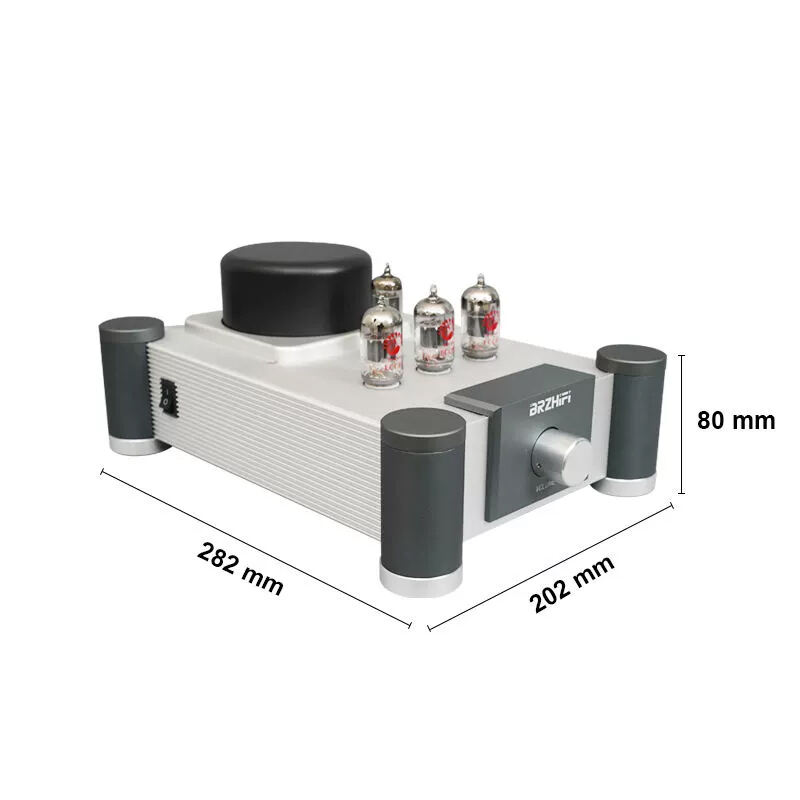
The resurgence of vinyl records and analog audio has sparked renewed interest in vintage-inspired audio equipment, particularly vacuum tube amplifiers. While solid-state amplifiers dominate the modern market, many audiophiles and music enthusiasts are questioning whether tube amplifiers can deliver practical solutions for contemporary audio systems. The answer lies in understanding how modern vacuum tube amplifiers factory production has evolved to meet current technological demands while preserving the warm, musical characteristics that made tube amplification legendary.

Modern tube amplifiers represent a fascinating blend of vintage engineering principles and contemporary manufacturing techniques. Today's vacuum tube amplifiers factory operations utilize precision manufacturing processes, improved tube designs, and enhanced component reliability that address many historical concerns about tube amplifier practicality. These advances have transformed tube amplifiers from temperamental vintage equipment into reliable, performance-oriented audio components suitable for everyday use in modern listening environments.
The practical considerations surrounding tube amplifier adoption extend beyond mere sound quality preferences. Modern consumers must evaluate factors including maintenance requirements, power efficiency, heat generation, and compatibility with contemporary audio sources. Understanding these aspects helps determine whether tube amplification aligns with specific listening preferences and lifestyle requirements in today's digital-dominated audio landscape.
Technical Advantages of Modern Tube Amplifier Design
Enhanced Reliability Through Manufacturing Innovation
Contemporary vacuum tube amplifiers factory production has addressed many reliability concerns that plagued vintage tube equipment. Modern tube manufacturing processes utilize improved materials, tighter quality control standards, and enhanced testing protocols that significantly extend tube lifespan. Today's premium tubes can operate reliably for thousands of hours, making tube amplifiers far more practical for regular use than their vintage predecessors.
Advanced circuit designs incorporate modern components alongside vacuum tubes, creating hybrid topologies that combine tube warmth with solid-state reliability. These designs often feature improved power supply regulation, enhanced thermal management, and sophisticated protection circuits that prevent damage from common operating conditions. The result is tube amplifiers that offer vintage character with contemporary dependability.
Quality control improvements in vacuum tube amplifiers factory operations ensure consistent performance across production runs. Modern manufacturers implement rigorous testing procedures, burn-in protocols, and quality assurance measures that eliminate many variables that affected vintage tube amplifier performance. This consistency makes tube amplifiers more predictable and reliable for everyday audio system integration.
Power Output Optimization for Modern Applications
Modern tube amplifier designs optimize power output characteristics for contemporary speaker loads and listening environments. Unlike vintage designs that often prioritized maximum power delivery, today's vacuum tube amplifiers factory products focus on efficient power utilization and optimal impedance matching. This approach ensures tube amplifiers can drive modern speakers effectively while maintaining their characteristic sonic signature.
Class A operation, commonly employed in premium tube amplifiers, delivers exceptional linearity and low distortion at moderate power levels. This design philosophy proves particularly practical for near-field listening, desktop audio systems, and moderately sized listening rooms where extreme power output isn't necessary. The efficiency gains in modern Class A tube designs make them surprisingly practical for everyday use.
Innovative output transformer designs have dramatically improved the practical performance of modern tube amplifiers. These transformers utilize advanced magnetic materials and winding techniques that extend frequency response, reduce distortion, and improve impedance matching across various speaker loads. Such improvements make contemporary tube amplifiers more versatile and compatible with diverse speaker systems than vintage designs.
Compatibility with Contemporary Audio Systems
Digital Source Integration Capabilities
Modern tube amplifiers excel at interfacing with digital audio sources through carefully designed input stages that accommodate the high output levels and low impedances typical of digital-to-analog converters. Quality vacuum tube amplifiers factory products incorporate input buffering circuits that optimize the interface between digital sources and tube amplification stages, ensuring optimal signal transfer and minimal loading effects.
The natural compression characteristics of tube amplification can actually benefit digital audio playback by smoothing the harshness sometimes associated with lower-quality digital recordings. This characteristic makes tube amplifiers particularly practical for listeners who primarily consume digital music formats but desire a more analog-like listening experience. The tube amplification process adds harmonic richness that can enhance the perceived quality of digital sources.
Multiple input configurations in contemporary tube amplifiers accommodate various source components including CD players, streaming devices, digital audio workstations, and computer audio interfaces. This versatility ensures tube amplifiers can serve as the centerpiece of modern audio systems without requiring extensive system modifications or compatibility compromises.
Speaker Matching and Room Integration
Contemporary vacuum tube amplifiers factory designs consider the impedance characteristics and sensitivity requirements of modern loudspeakers. Unlike vintage designs that assumed specific speaker characteristics, today's tube amplifiers incorporate flexible output configurations and impedance matching options that accommodate various speaker types including bookshelf monitors, floor-standing speakers, and even planar magnetic designs.
The controlled distortion characteristics of tube amplifiers can actually improve the subjective performance of moderately efficient speakers in typical domestic listening environments. This synergy makes tube amplifiers practical choices for listeners using conventional speakers who desire enhanced musical engagement without requiring exotic high-efficiency speaker designs typically associated with tube amplification.
Room acoustics integration represents another practical advantage of modern tube amplifiers. The natural compression and harmonic enhancement provided by tube amplification can help minimize the impact of less-than-ideal room acoustics, making tube amplifiers particularly practical for listeners who cannot optimize their listening environments. This characteristic makes tube amplification more accessible to mainstream listeners.
Operational Practicality and User Experience
Maintenance Requirements and Longevity
Modern vacuum tube amplifiers factory production has significantly reduced maintenance requirements through improved tube selection, enhanced circuit protection, and user-friendly design features. Contemporary tube amplifiers often include tube monitoring circuits, bias adjustment indicators, and protection systems that simplify routine maintenance tasks. These features make tube amplifier ownership more practical for users without technical expertise.
Tube replacement procedures in modern amplifiers have been streamlined through standardized tube sockets, clear marking systems, and comprehensive user documentation. Many contemporary tube amplifiers feature easily accessible tube compartments and tool-free tube replacement procedures that encourage regular maintenance. This accessibility makes tube amplifier ownership more practical for typical audio enthusiasts.
The economic aspects of tube replacement have improved significantly with expanded tube production from multiple vacuum tube amplifiers factory operations worldwide. Increased competition and production volume have reduced tube costs while improving availability, making long-term tube amplifier ownership more economically viable. Quality replacement tubes are now readily available through multiple distribution channels.
Energy Efficiency and Environmental Considerations
Contemporary tube amplifier designs incorporate energy-saving features including standby modes, intelligent bias systems, and efficient power supply designs that reduce overall power consumption. While tube amplifiers inherently consume more power than solid-state alternatives, modern designs minimize waste heat and improve overall efficiency through advanced circuit topologies and component selection.
Heat generation management in modern vacuum tube amplifiers factory products addresses practical concerns about amplifier placement and room heating effects. Improved ventilation designs, thermal regulation circuits, and component layout optimization reduce heat buildup and allow tube amplifiers to operate comfortably in typical domestic environments without excessive temperature increases.
Environmental impact considerations have influenced modern tube amplifier design through the use of recyclable materials, reduced packaging waste, and longer component lifespans. Quality tube amplifiers represent sustainable audio investments due to their repairable nature, upgrade potential, and extended operational lifespans compared to disposable consumer electronics.
Performance Characteristics in Modern Contexts
Sound Quality Advantages for Contemporary Music
The harmonic enhancement characteristics of tube amplification provide particular benefits when reproducing modern music genres that benefit from added warmth and texture. Electronic music, compressed recordings, and digitally mastered content often sound more engaging through tube amplification due to the natural harmonic enrichment provided by vacuum tube amplifiers factory designs. This characteristic makes tube amplifiers practical choices for listeners who primarily consume contemporary music formats.
Dynamic range preservation represents another practical advantage of tube amplification in modern audio systems. The natural compression characteristics of tubes can actually improve the perceived dynamic range of heavily compressed recordings by restoring musical flow and reducing listening fatigue. This benefit makes tube amplifiers particularly practical for extended listening sessions with modern music content.
Spatial presentation characteristics of tube amplifiers often enhance the listening experience with modern recordings that utilize sophisticated mixing and mastering techniques. The natural depth and dimensional qualities provided by tube amplification can reveal spatial information in recordings that might otherwise sound flat or congested through conventional amplification methods.
Versatility Across Musical Genres
Modern vacuum tube amplifiers factory designs demonstrate remarkable versatility across diverse musical genres, from classical and jazz to rock and electronic music. Unlike vintage designs that sometimes exhibited genre-specific colorations, contemporary tube amplifiers maintain their characteristic warmth while providing sufficient accuracy and resolution for critical listening across various musical styles. This versatility makes tube amplifiers practical choices for listeners with diverse musical preferences.
The natural dynamics processing provided by tube amplification benefits both large-scale orchestral works and intimate acoustic performances. This characteristic allows single tube amplifier systems to handle diverse musical demands without requiring genre-specific optimization or multiple amplifier configurations. Such flexibility increases the practical appeal of tube amplification for mainstream listeners.
Frequency response characteristics of modern tube amplifiers provide balanced performance across the audible spectrum while maintaining the distinctive midrange warmth associated with vacuum tube technology. This balance ensures tube amplifiers remain practical for contemporary music reproduction while preserving their unique sonic signature that attracts enthusiasts to tube amplification.
Economic Considerations and Value Proposition
Initial Investment and Long-Term Ownership Costs
The initial investment required for quality tube amplifiers from established vacuum tube amplifiers factory operations has become more accessible due to increased competition and manufacturing efficiency improvements. Entry-level tube amplifiers now offer genuine tube amplification benefits at price points comparable to premium solid-state alternatives, making tube technology more accessible to budget-conscious audiophiles.
Long-term ownership costs for modern tube amplifiers have decreased significantly due to improved tube longevity, reduced replacement costs, and enhanced reliability. Quality tubes from modern vacuum tube amplifiers factory production can operate for several years under normal usage conditions, spreading replacement costs over extended periods. This improved economics makes tube amplifier ownership more practical for regular users.
Resale value retention represents an important economic advantage of quality tube amplifiers over mass-market solid-state alternatives. Well-maintained tube amplifiers from reputable manufacturers often retain significant value due to their repairable nature, upgrade potential, and sustained demand from audio enthusiasts. This characteristic makes tube amplifiers practical long-term audio investments.
Performance Value Analysis
The performance-per-dollar equation for modern tube amplifiers has improved dramatically through manufacturing advances and component cost reductions. Contemporary vacuum tube amplifiers factory products offer sonic performance that previously required significantly higher investments, making tube amplification more competitive with high-end solid-state alternatives. This improved value proposition enhances the practical appeal of tube technology.
Upgrade potential in tube amplifiers provides additional economic value through tube rolling opportunities, component modifications, and system expansion possibilities. Unlike sealed solid-state products, tube amplifiers offer multiple upgrade paths that can enhance performance over time without requiring complete system replacement. This flexibility adds practical value for enthusiasts who enjoy system optimization.
The specialized nature of tube amplifier technology creates a stable market for components, services, and expertise that supports long-term ownership. This ecosystem includes tube suppliers, modification specialists, and repair services that ensure tube amplifiers remain practical choices for long-term audio system investment. Such support infrastructure enhances ownership practicality.
FAQ
Do modern tube amplifiers require constant maintenance like vintage models
Modern vacuum tube amplifiers factory designs have significantly reduced maintenance requirements compared to vintage models. Contemporary tube amplifiers typically require only periodic tube replacement every few years and occasional bias adjustments. Many current designs include bias monitoring systems and protection circuits that minimize maintenance needs and prevent component damage from normal operating conditions.
Can tube amplifiers drive modern low-impedance speakers effectively
Quality modern tube amplifiers can effectively drive contemporary speakers through improved output transformer designs and optimized impedance matching. While tube amplifiers work best with moderately efficient speakers, current vacuum tube amplifiers factory products include multiple impedance taps and enhanced current delivery capabilities that accommodate most modern speaker designs without significant performance compromises.
Are tube amplifiers energy efficient enough for daily use
Modern tube amplifiers incorporate energy-saving features including standby modes and efficient power supplies that reduce overall consumption compared to vintage designs. While tube amplifiers consume more power than solid-state alternatives, the difference has narrowed significantly with contemporary designs. For moderate listening levels and reasonable usage patterns, energy costs remain manageable for most users.
How do tube amplifiers integrate with digital audio sources
Contemporary tube amplifiers excel at digital source integration through optimized input stages and buffer circuits designed for modern source components. The natural harmonic enhancement of tube amplification can actually improve the listening experience with digital sources by adding warmth and reducing digital harshness. Most modern vacuum tube amplifiers factory products include multiple inputs specifically designed for digital audio integration.