
 EN
EN
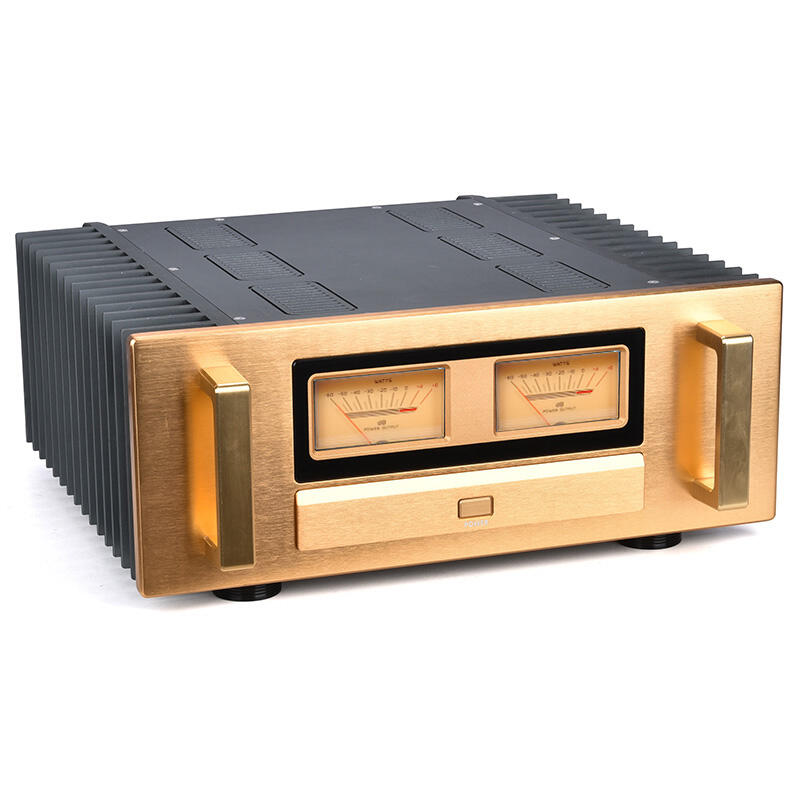
Audio enthusiasts and budget-conscious consumers often face a critical decision when searching for affordable amplification solutions. While premium audio equipment delivers exceptional performance, ultra-low-cost amplifiers present unique challenges and limitations that buyers must understand before making a purchase. The market for budget-friendly amplifiers has expanded significantly, offering alternatives to traditional high-end systems, yet these products come with inherent compromises that affect overall audio quality and long-term reliability.
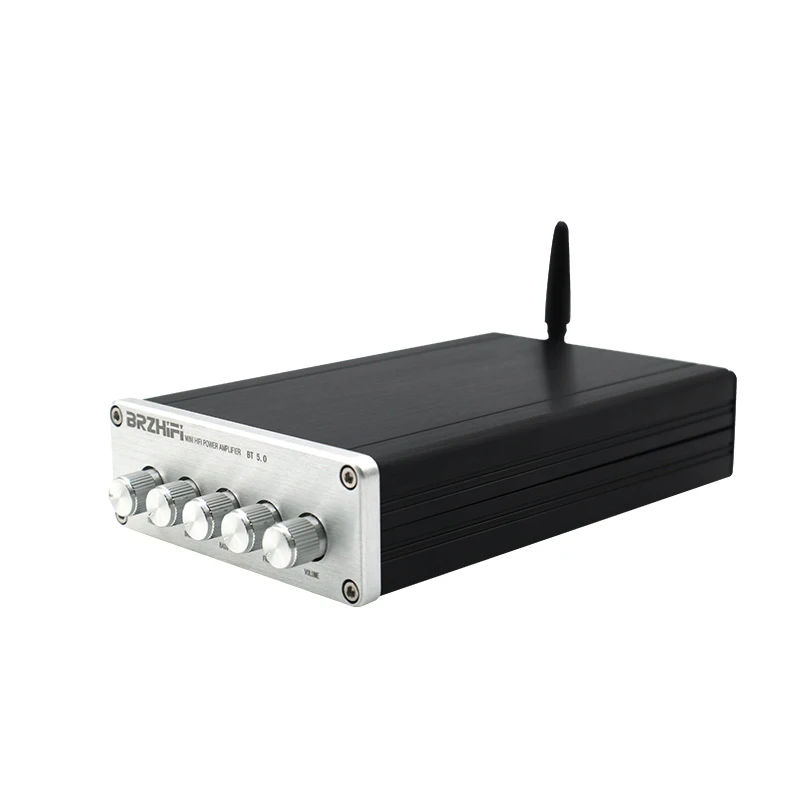
Understanding the performance boundaries of budget amplifiers requires examining their design constraints, component quality, and manufacturing processes. Unlike premium vacuum tube amplifiers for sale that utilize high-grade components and meticulous engineering, ultra-low-cost units often sacrifice certain aspects of performance to achieve aggressive pricing. These compromises manifest in various ways, from frequency response limitations to thermal management issues, creating a complex landscape for consumers seeking value-oriented audio solutions.
The amplifier market has evolved considerably over recent decades, with manufacturers developing innovative approaches to deliver acceptable performance at reduced costs. Digital amplification technologies, particularly Class D designs, have revolutionized the budget segment by offering improved efficiency and reduced manufacturing complexity. However, even these advanced topologies face fundamental limitations when cost constraints drive component selection and design optimization decisions.
Power Output Limitations in Budget Amplification
Real Power Versus Advertised Specifications
One of the most significant limitations in ultra-low-cost amplifiers relates to their actual power output capabilities compared to marketing specifications. Many budget units advertise impressive wattage figures that reflect peak or theoretical maximum output rather than continuous RMS power. This discrepancy creates unrealistic expectations among consumers who expect their amplifiers to deliver the advertised performance consistently across all operating conditions.
The power supply design in budget amplifiers often represents the primary bottleneck for sustained output performance. Manufacturers frequently employ switching power supplies with minimal energy storage capacity, limiting the amplifier's ability to deliver consistent power during demanding musical passages. Unlike high-end vacuum tube amplifiers for sale that feature robust power supply designs with substantial energy reserves, budget units may experience power compression when driven hard, resulting in dynamic range limitations and potential distortion during peak demands.
Additionally, thermal limitations further constrain power output in ultra-low-cost designs. Inadequate heat dissipation systems force these amplifiers to reduce output power as temperatures rise, creating a thermal throttling effect that prevents sustained high-level operation. This thermal management challenge becomes particularly problematic in compact form factors where space constraints limit the effectiveness of cooling solutions.
Load Impedance Sensitivity
Budget amplifiers often demonstrate significant sensitivity to speaker load impedances, with performance varying dramatically when connected to different speaker systems. Many ultra-low-cost designs optimize their output stages for specific impedance ranges, typically 8 ohms, and may struggle to deliver adequate power into lower impedance loads such as 4-ohm speakers. This limitation restricts speaker selection options and may result in suboptimal performance with certain loudspeaker designs.
The output transformer design in budget amplifiers frequently represents a compromise between cost and performance, particularly when comparing them to traditional vacuum tube amplifiers for sale that utilize premium transformer designs. These transformers may exhibit impedance matching issues that affect power transfer efficiency and frequency response characteristics, creating audible differences in bass response and overall tonal balance depending on the connected load.
Furthermore, protection circuits in budget amplifiers may engage prematurely when faced with challenging loads, limiting output power to prevent component damage. While this protective approach enhances reliability, it can frustrate users who expect consistent performance across various speaker impedances and may not understand why their amplifier seems to lose power with certain speaker combinations.
Frequency Response and Audio Quality Constraints
Bandwidth Limitations
Ultra-low-cost amplifiers often exhibit frequency response limitations that affect their ability to accurately reproduce the full audio spectrum. Budget designs may compromise on input and output coupling circuits, resulting in reduced bandwidth at both frequency extremes. These limitations typically manifest as rolled-off high-frequency response and potentially weak bass extension, creating a tonal signature that differs from the original source material.
The coupling capacitors used in budget amplifiers frequently represent cost-saving opportunities for manufacturers, who may select components with adequate but not optimal characteristics for audio applications. Unlike premium vacuum tube amplifiers for sale that employ high-quality coupling capacitors selected for their audio properties, budget units may use generic electrolytic capacitors that introduce frequency response irregularities and potential long-term reliability concerns.
Digital amplifiers in the ultra-low-cost category may also suffer from sampling rate and filtering limitations that affect high-frequency performance. Inadequate anti-aliasing filters or suboptimal digital-to-analog conversion processes can introduce artifacts that compromise audio quality, particularly in the upper frequency ranges where human hearing sensitivity remains high.
Signal-to-Noise Ratio Challenges
Budget amplifier designs often struggle to achieve low noise floors due to cost constraints in component selection and circuit board layout optimization. Power supply noise rejection may be compromised, allowing AC ripple and switching noise to modulate the audio signal and reduce the effective signal-to-noise ratio. This noise intrusion becomes particularly noticeable during quiet musical passages where background noise can mask subtle musical details.
The grounding and shielding strategies employed in ultra-low-cost amplifiers may be inadequate to prevent external interference from affecting the audio signal path. Unlike carefully designed vacuum tube amplifiers for sale that feature comprehensive shielding and star grounding topologies, budget units may exhibit susceptibility to electromagnetic interference from nearby electronic devices, creating unwanted noise and distortion in the audio output.
Component tolerances in budget amplifiers may also contribute to increased noise levels, as manufacturers often specify wider tolerance ranges to reduce component costs. These tolerance variations can create impedance mismatches and gain variations that introduce noise and affect overall system performance consistency between individual units.
Component Quality and Longevity Issues
Semiconductor Selection Compromises
The semiconductor devices used in ultra-low-cost amplifiers often represent the minimum specification components necessary to achieve basic functionality rather than optimized selections for audio performance. Output transistors may be chosen primarily for their cost-effectiveness and availability rather than their linearity, thermal characteristics, or long-term reliability. This component selection strategy can result in higher distortion levels and reduced operational lifespan compared to premium designs.
Manufacturing process variations in budget semiconductor devices may also contribute to unit-to-unit performance inconsistencies, creating situations where some amplifiers perform acceptably while others from the same production run exhibit substandard characteristics. Unlike the carefully matched components found in high-end vacuum tube amplifiers for sale, budget units may lack the precision component selection that ensures consistent performance across all manufactured units.
The thermal characteristics of budget semiconductors may limit their safe operating areas, requiring conservative bias settings that compromise efficiency and potentially affect audio performance. These thermal limitations become particularly important in compact designs where adequate heat dissipation challenges the semiconductor devices' ability to operate within their optimal performance envelope.
Passive Component Limitations
Resistors, capacitors, and inductors in ultra-low-cost amplifiers frequently represent cost-optimized selections that may not offer the stability, precision, or audio characteristics found in premium components. Electrolytic capacitors, in particular, may have shorter operational lifespans and higher equivalent series resistance values that affect performance and reliability over time.
The temperature coefficients and aging characteristics of budget passive components may cause performance drift over the amplifier's operational life, resulting in gradual changes to frequency response, gain, and distortion characteristics. This aging process can be particularly problematic in critical circuit locations where component value changes directly impact audio performance.
Manufacturing tolerances for passive components in budget amplifiers typically exceed those found in premium designs, creating potential for performance variations between individual units and making precise circuit optimization more challenging. These tolerance variations can affect feedback loop stability, frequency response accuracy, and overall performance predictability.
Thermal Management and Reliability Concerns
Heat Dissipation Inadequacies
Ultra-low-cost amplifiers often suffer from inadequate thermal management systems that limit their ability to operate reliably under sustained high-power conditions. Budget designs may employ minimal heat sinking, inadequate ventilation, or suboptimal component placement that creates thermal hot spots and reduces overall system reliability. These thermal limitations force the amplifiers to reduce output power or engage protection circuits during extended operation at higher power levels.
The thermal design considerations in budget amplifiers typically focus on preventing immediate component failure rather than optimizing long-term reliability and performance stability. Unlike premium vacuum tube amplifiers for sale that feature comprehensive thermal management systems, budget units may operate closer to their thermal limits, potentially accelerating component aging and reducing operational lifespan.
Compact form factors in budget amplifiers often exacerbate thermal management challenges by limiting available space for effective heat dissipation solutions. Manufacturers must balance size constraints with thermal requirements, often accepting elevated operating temperatures that may compromise long-term reliability in favor of achieving desired packaging objectives.
Protection Circuit Limitations
The protection systems implemented in ultra-low-cost amplifiers may lack the sophistication found in higher-end designs, potentially allowing damaging conditions to persist longer than optimal. Basic thermal protection circuits may have wide hysteresis bands or slow response times that permit components to experience stress before protection engagement occurs.
Over-current and short-circuit protection in budget amplifiers may be implemented with simple, cost-effective circuits that provide basic functionality but lack the precision and speed of advanced protection systems. These simplified protection schemes may not adequately protect against all potential failure modes, creating opportunities for component damage during adverse operating conditions.
DC offset protection, which prevents potentially damaging DC voltages from reaching connected speakers, may be absent or inadequately implemented in some ultra-low-cost designs. This omission can create risks for connected speakers and may indicate broader compromises in the amplifier's protection and monitoring systems.
Input and Output Interface Limitations
Connector Quality and Reliability
Budget amplifiers often utilize low-cost connectors and switches that may not provide the reliability and signal integrity found in premium designs. Input and output connectors may be susceptible to contact resistance variations, corrosion, and mechanical wear that can introduce noise, intermittent connections, or signal degradation over time.
The plating quality and contact materials used in budget connectors typically represent cost-optimized selections that may not offer the long-term stability and low resistance characteristics necessary for optimal audio performance. Unlike vacuum tube amplifiers for sale that often feature high-quality, gold-plated connectors, budget units may experience connection quality degradation that affects signal integrity and system reliability.
Volume controls and input selectors in ultra-low-cost amplifiers may use basic potentiometers or switches that lack the precision tracking, low noise characteristics, and durability found in premium components. These interface limitations can introduce channel imbalances, noise, and mechanical reliability issues that affect user experience and long-term satisfaction.
Signal Processing Capabilities
The signal processing features available in budget amplifiers are typically limited to basic functionality, lacking the advanced tone controls, filtering options, or signal conditioning capabilities found in more expensive designs. These limitations may restrict the amplifier's ability to compensate for room acoustics, speaker characteristics, or user preferences.
Digital signal processing implementations in low-cost amplifiers may use basic algorithms and limited processing power that constrain available features and potentially introduce latency or artifacts. The computational resources allocated to signal processing in budget designs often represent the minimum necessary to achieve basic functionality rather than optimal performance.
Input sensitivity and impedance characteristics in ultra-low-cost amplifiers may not be optimized for all source device types, potentially creating impedance mismatches or level incompatibilities that affect signal transfer quality and system integration flexibility.
Manufacturing and Quality Control Challenges
Production Process Variations
Ultra-low-cost amplifier manufacturing often involves automated processes with minimal quality control oversight, creating opportunities for production variations that affect performance consistency. Component placement accuracy, solder joint quality, and assembly precision may vary between individual units, potentially impacting reliability and performance uniformity.
The testing and calibration procedures applied to budget amplifiers typically involve basic functionality verification rather than comprehensive performance characterization. This limited testing approach may allow units with marginal performance or potential reliability issues to reach consumers, creating variability in user experience and satisfaction levels.
Quality assurance processes in low-cost manufacturing environments may not include the extensive burn-in testing, individual unit characterization, or statistical process control measures found in premium amplifier production. These omissions can result in higher defect rates and reduced confidence in long-term reliability compared to carefully manufactured vacuum tube amplifiers for sale.
Documentation and Support Limitations
Technical documentation for ultra-low-cost amplifiers often lacks the depth and accuracy found in premium products, potentially making troubleshooting, repair, or optimization more challenging for users and service technicians. Schematic diagrams, component specifications, and operational parameters may be incomplete or unavailable.
Customer support and warranty coverage for budget amplifiers typically reflect the product's price point, offering limited technical assistance and shorter warranty periods compared to higher-end alternatives. This support limitation can create challenges for users experiencing problems or seeking technical guidance.
Spare parts availability and service documentation for ultra-low-cost amplifiers may be limited, potentially making repairs difficult or economically unviable when problems occur outside the warranty period. This serviceability limitation contrasts with premium vacuum tube amplifiers for sale that often feature extensive service support and component availability.
FAQ
What are the most common performance issues with ultra-low-cost amplifiers
The most common performance issues include power output limitations where actual continuous power falls significantly below advertised specifications, frequency response irregularities that affect tonal balance, increased noise levels due to inadequate power supply filtering, and thermal throttling that reduces output power during extended operation. These issues stem from cost-driven component selection and design compromises that prioritize affordability over optimal performance.
How do budget amplifiers compare to vacuum tube amplifiers in terms of reliability
Budget solid-state amplifiers typically offer different reliability characteristics compared to vacuum tube amplifiers for sale, with each technology presenting unique advantages and challenges. Ultra-low-cost solid-state designs may suffer from component quality issues and inadequate thermal management, while vacuum tube amplifiers require periodic tube replacement but often feature more robust power supply and output transformer designs. The overall reliability depends more on manufacturing quality and component selection than the underlying amplification technology.
Can ultra-low-cost amplifiers be modified or upgraded to improve performance
Many ultra-low-cost amplifiers offer some potential for modification and upgrade, particularly in areas such as input coupling capacitors, power supply filtering, and output connectors. However, the cost-optimized design and component layout of budget units may limit modification opportunities compared to premium designs. Common upgrades include replacing electrolytic capacitors with higher-quality alternatives, improving grounding connections, and adding external filtering to reduce noise levels.
What should consumers consider when evaluating ultra-low-cost amplifier specifications
Consumers should focus on continuous RMS power ratings rather than peak or maximum specifications, examine frequency response graphs when available, and consider the amplifier's intended application and required features. It's important to read independent reviews and user experiences rather than relying solely on manufacturer specifications. Additionally, buyers should consider the total cost of ownership, including potential reliability issues and limited warranty coverage, when comparing budget options to higher-quality vacuum tube amplifiers for sale or other premium alternatives.
Table of Contents
- Power Output Limitations in Budget Amplification
- Frequency Response and Audio Quality Constraints
- Component Quality and Longevity Issues
- Thermal Management and Reliability Concerns
- Input and Output Interface Limitations
- Manufacturing and Quality Control Challenges
-
FAQ
- What are the most common performance issues with ultra-low-cost amplifiers
- How do budget amplifiers compare to vacuum tube amplifiers in terms of reliability
- Can ultra-low-cost amplifiers be modified or upgraded to improve performance
- What should consumers consider when evaluating ultra-low-cost amplifier specifications